How To Get Rid Of Sugar Ants
Key Takeaways
- Sugar ants are drawn to sweet foods and moisture, so cleaning up is the first step.
- Ant baits work well because workers carry the bait back to the colony.
- Sealing cracks and storing food in sealed containers helps keep ants out.
- Home remedies can help with small problems but rarely end a large colony.
- Professional help is worth considering when ants keep returning or nests are hard to reach.
If you have seen tiny brown ants trailing toward your kitchen counter, you are not alone. Many people searching for how to get rid of sugar ants are dealing with this exact problem. These small pests are common in homes, and they can be frustrating to manage.
In this article
This guide explains what sugar ants are, how their colonies work, and which steps tend to bring real results. You will also learn which common mistakes to avoid and when it makes sense to call for help. No prior knowledge is needed.
What Are Sugar Ants and Why Do They Show Up in Your Home?
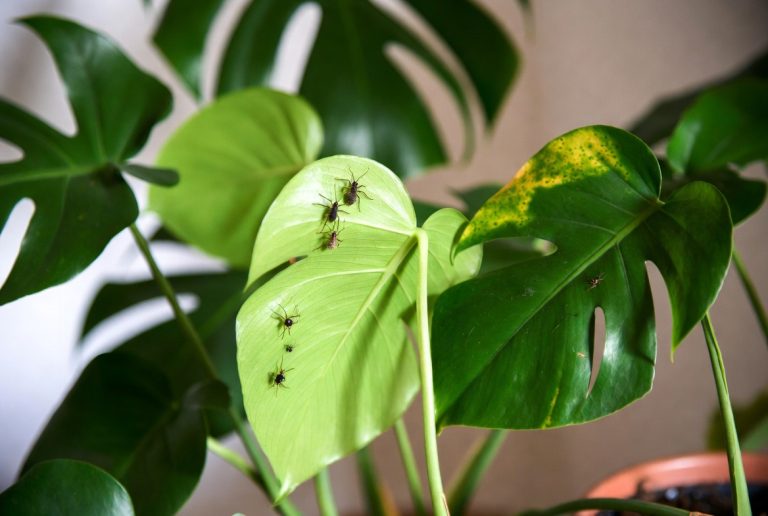
Sugar ants are small, usually light to dark brown ants that are often drawn to sweet foods. The name comes from their strong attraction to sugary items. They are a type of household ant that often moves in visible lines.
Ants come indoors mainly to look for food and water. A single worker may find a crumb or a drip of juice and then signal others. Because of this, a small leak or spill can attract a steady stream of visitors.
How to Identify Sugar Ants Compared With Other Household Ants
Sugar ants are typically small and brownish, and they move quickly along trails. Other common household ants can look similar at a glance. Taking a closer look at size, color and behavior can help you tell them apart.
For example, some ants are much larger, while others are dark black or reddish. Pharaoh ants are very small and pale, and carpenter ants are larger and usually black. If you are unsure, a pest control professional or local extension office can help confirm the type.
Why Sugar Ants Are Attracted to Food and Moisture
Sugar ants look for energy-rich foods such as syrup, honey, fruit, and sweet drinks. They also need water, so damp areas like sink bases and pet water bowls can draw them in. Crumbs on floors and counters add to the appeal.
In practice, the easiest way to reduce visits is to remove what they want. That said, this is not always simple, because food sources can hide in small places. Even so, most households see a clear difference once spills and crumbs are handled.
How Sugar Ant Colonies Work
Knowing how a colony operates explains why ants keep returning. A colony is a group of ants that live together and share the work. Most of the colony is hidden from view.
The colony works as a team. Workers gather food, care for young ants, and defend the nest. Because most of the work happens out of sight, you may only see a small part of the total population.
Worker Ants, Queens and Foraging Trails
Most ants you see are worker ants. They are sterile females that handle foraging, feeding and nest care. The queen is the colony’s egg layer and usually stays inside the nest.
When a worker finds food, it leaves a chemical trail back to the nest. Other workers follow this trail and reinforce it. As a result, a line of ants can form quickly, and it can last until the food is gone or the trail is broken.
Where Sugar Ant Nests Are Usually Found
Sugar ant nests are often in soil, under stones, or in wall voids and gaps near the home. Some colonies nest in mulch, under paving, or near garden beds. Others may establish satellite nests inside walls or insulation.
Because nests can be spread out, you may kill ants on the surface without touching the main colony. This is one reason why results can vary. Still, finding the trail’s path often helps locate where the ants are coming from.
Step-by-Step Ways to Get Rid of Sugar Ants
There is no single trick that solves every ant problem. A combination of steps usually works best. The order below starts with the easiest actions and moves toward more targeted methods.
Clean Up Food Sources and Spills First
Start by wiping counters, sweeping floors and washing dishes soon after meals. Pay attention to sticky spots, such as around jam jars, pet bowls, and the rims of soda cans. Removing these food sources cuts off the reason the ants came in.
Next, check less obvious places. Look under appliances, inside pantry shelves, and behind the trash can. Clean these areas with a damp cloth to pick up any residue that the ants are following.
Seal Entry Points and Cracks Around the Home
Ants often enter through small gaps around windows, doors, pipes and baseboards. Look for these openings and fill them with caulk or a suitable sealant. Sealing them makes it harder for new workers to find a way inside.
Also, check where utility lines enter the home. Gaps around cables and vents can be easy to miss. Even so, a few sealed cracks may not stop a colony that is already inside, so pair this step with the others.
Use Ant Baits Correctly and Safely
Ant baits contain a slow-acting substance mixed with a food attractant. Worker ants carry the bait back to the nest and share it with other ants, including the queen. This is why baits can reach a colony rather than only the ants you see.
To use baits well, place them along the trail where you already see ants, but keep them out of reach of children and pets. Do not disturb the bait once it is in place, because the ants need time to find it. Replace bait when it dries out or when ant activity stops and then starts again. Read and follow the label instructions carefully.
Avoid spraying a repellent spray on the trail while bait is in use. Sprays can make ants scatter and may stop them from taking the bait back to the nest.
When to Try Sprays, Dusts and Barrier Treatments
Sprays can kill ants on contact and may help with a quick cleanup. They are best used for ants you can see, not as a long-term fix. Dusts can be placed in wall voids or other hidden spots, where they stay in place for a longer time. Barrier treatments are applied around the outside of the home to create a line that ants are less likely to cross.
In practice, these products are most useful as part of a plan that also includes cleaning, sealing and bait. Always read the label, follow the directions, and keep products away from food areas.
Natural and Home Remedies: What Works and What Doesn’t
Many people look for gentler options before buying products. Some home remedies can help with small, short-term problems. Others have little effect on a full colony.
Common Household Options Such as Vinegar, Citrus and Cinnamon
White vinegar is often used to wipe surfaces because it can remove scent trails. Citrus peels and cinnamon are also popular, and some people use them as deterrents. The smell may discourage ants in certain spots.
That said, these methods usually work only where they are applied directly. They do not reach the nest or the queen. As a result, they are better as a cleaning aid than as a complete solution.
Limits of Home Remedies for Established Colonies
Once a colony is well established, home remedies often fall short. The nest may be hidden in a wall or outdoors, and the ants can quickly move to another spot. Simple deterrents rarely stop them for long.
On the other hand, home remedies can still help keep the area clean and less attractive. Combine them with sealing and bait for better results.
Preventing Sugar Ants From Coming Back
Prevention is often easier than fighting an established problem. A few regular habits can keep most ants from returning. Consistency matters more than any single action.
Storing Food in Sealed Containers
Keep sugary foods, cereals, and snacks in containers with tight lids. Store honey, syrup, and sweets in sealed jars or bags. Wipe the outside of containers before putting them away.
Also to store pet food in sealed containers and avoid leaving bowls out overnight. Empty and rinse recycling and cans before putting them in the bin, since sticky residue draws ants quickly.
Keeping Outdoor Areas Tidy and Dry
Outdoor clutter can give ants shelter and nesting space. Keep firewood, leaves, and debris away from the foundation. Trim plants so they do not touch the walls or roof, because branches can act as bridges into the house.
Moisture also attracts ants. Fix leaking outdoor taps and make sure water drains away from the building. Drier surroundings make the area less appealing to foraging workers.
Common Mistakes Beginners Make With Ant Control
Many people try hard but still see little change. Often the cause is one of a few common errors. Knowing these mistakes can save time and frustration.
Spraying Trails Instead of Using Baits
It is tempting to spray every ant you see. However, spraying kills the workers on the surface but does little to reach the colony. The rest of the ants may simply find another route.
In practice, baits tend to work better because they reach the hidden parts of the colony. Use sprays sparingly and in combination with bait rather than as the only tool.
Overlooking Nests Outside the House
Many ants indoors come from a nest outside. Focusing only on the inside can leave the source untouched. Check soil, mulch, paving cracks, and the base of walls for nest activity.
Also, look for trails that lead to and from the outdoors. Following them can reveal where the ants are living. Treating that area can make a noticeable difference over time.
When to Call a Pest Control Professional
Some ant problems are too large or too hidden to manage on your own. Knowing when to ask for help can prevent months of frustration. A professional has tools and training that most homeowners do not.
Signs of a Large or Hard-to-Reach Infestation
Consider calling for help if ants keep returning after several weeks of consistent effort. Other warning signs include ants coming from inside walls, ceilings, or behind appliances. Trails that appear in many rooms can also point to a large colony.
Also, if you are unsure what type of ant you have, a professional can confirm the species. This matters because some ants, such as carpenter ants, can cause structural concerns over time.
What to Expect From a Professional Visit
A technician usually inspects the home to find entry points, trails, and likely nest locations. They may suggest cleaning steps, sealing, and treatments such as baits or targeted dusts. Ask what products they plan to use and how they are applied.
Good providers explain the plan in plain words and answer questions clearly. Ask about follow-up visits, since ant control often takes more than one step to complete.
Frequently Asked Questions
Are sugar ants dangerous to people or pets?
Sugar ants are generally considered a nuisance rather than a serious danger. They can contaminate food, but they rarely cause harm to people or pets. Still, keep food covered and clean up quickly so they do not spread through your kitchen.
How long does it take to get rid of sugar ants?
The time needed depends on how large the colony is and how consistently you apply control steps. Small problems may ease within a few days, while larger colonies can take several weeks. Patience and a combined approach usually work best.
Why do sugar ants keep coming back after cleaning?
Cleaning removes food, but the colony may still be nesting nearby. Ants can also follow old scent trails that linger on surfaces. Using bait and locating the nest outside often helps stop the return.
Are ant baits safe to use around children and pets?
Ant baits are designed to be used in ways that limit exposure, but they still need care. Place them where children and pets cannot reach or eat them. Always read the label and follow the directions for safe use.
Do sugar ants damage wood or property?
Sugar ants generally do not tunnel into wood the way some larger ants do. They are usually not configured to cause structural harm, but they can still be a sign of moisture or food issues that deserve attention. Watch for trails that appear near damp wood or sinks, since these areas may need a closer look.
Conclusion
Sugar ants are drawn to sweet foods and moisture, so cleaning up spills and crumbs is the first step. Sealing entry points and using baits correctly can reach the colony rather than only the ants you see. Home remedies can help with minor problems, but they rarely end an established nest.
Prevention matters just as much. Storing food in sealed containers and keeping outdoor areas tidy and dry can make your home far less appealing. If ants keep returning despite steady effort, a pest control professional can inspect the home and suggest a plan that fits your situation.

Hi, I’m Mary, the founder of GardenCure.com. I’m passionate about creating healthy, beautiful gardens and well-kept lawns. I share practical experience and trusted advice on garden and lawn gear that truly works. With the support of my dedicated research team, our writers produce honest, in-depth reviews using reliable, authentic sources—helping you choose the right tools with confidence for your outdoor space.