How To Care For String Of Hearts
String of hearts is a popular trailing houseplant with small, heart-shaped leaves on long, thin stems. It is easy to grow once you know its basic needs. This article covers light, watering, pruning and propagation in plain steps.
You will learn what the plant needs to stay healthy and how to spot common problems early. You will also see how it compares with similar trailing plants.
Key Takeaways
- String of hearts prefers bright, indirect light and dislikes harsh direct sun.
- Let the soil dry out between waterings, because soggy roots cause most problems.
- Use a fast-draining potting mix in a pot with drainage holes.
- Feed lightly during the growing season and trim long stems to keep it full.
- Propagate easily from stem cuttings rooted in water or soil.
What Is a String of Hearts Plant?
String of hearts, known scientifically as Ceropegia woodii, is a trailing succulent. Its slender stems spill over pot edges, so many people grow it in hanging baskets.
The plant is native to parts of southern Africa. It stores water in its leaves and tubers, so it handles dry spells better than many leafy houseplants.
Where the Name Comes From
Each small, rounded leaf has a notch at the top. Strung along a stem, they look like hearts on a necklace. The plant is also called rosary vine for the same bead-like look.
Trailing Stems and Heart-Shaped Leaves
The leaves are usually green, often with pale silver or marbled patterns on top. Some stems form small tubers at the soil line that store water.
The stems are delicate and can break if handled roughly. Be gentle when moving the plant or adjusting its hanger.
Light Needs for String of Hearts
Light is one of the most important parts of care. Enough light keeps the leaves compact and their colors strong. Without it, growth becomes weak and stretched.
Bright Indirect Light Indoors
Bright indirect light works best for most homes. Place the plant near a window with plenty of daylight, but shield it from strong midday sun. A few feet back from a sunny window often works well.
East- or west-facing windows are common good choices. A north-facing spot may be too dim unless it is very bright.
Signs of Too Little or Too Much Light
Too little light causes long, thin stems with wide gaps between leaves. This is often called leggy growth. Too much direct sun can scorch the leaves, leaving pale, bleached patches or crispy brown edges. If you see these signs, move the plant to a spot with softer light.
How Often to Water String of Hearts
Watering is where most beginners go wrong. The plant stores water, so it needs less than you might expect. Frequent watering often leads to rot.
Letting the Soil Dry Between Waterings
Water only when the top layer of soil feels dry. Push a finger a few centimeters into the soil to check. If it still feels damp, wait a few more days.
When you water, soak the soil thoroughly and let the extra drain out. Empty any water left in the saucer, since standing water invites root problems.
Watering in Winter and Summer
Plants usually need more water in warm months, when they grow actively. In cooler months, growth slows and the soil takes much longer to dry, so water less often.
Indoor heating and short daylight also affect drying speed. A fixed schedule can cause trouble, so check the soil each time instead.
Recognizing Overwatering and Root Rot
Overwatering often shows as mushy stems or yellowing leaves that drop. The soil may stay wet for many days. A sour or musty smell is another warning sign.
If you suspect root rot, remove the plant and check the roots. Healthy roots look firm and pale, while rotted roots feel soft and dark. Trim damaged parts, let the plant dry, and repot it in fresh mix.
Soil, Pots and Drainage Basics
The right soil and pot keep water moving away from the roots. This matters as much as watering itself, and a good setup prevents many common problems.
Picking a Well-Draining Potting Mix
A well-draining mix lets water pass through quickly. Cactus or succulent mixes are a good starting point. You can also blend regular potting soil with perlite or coarse sand.
Heavy, dense soil holds water too long and can suffocate the roots. A good mix feels light and crumbly when squeezed.
Why Drainage Holes Matter
Drainage holes let excess water escape from the bottom of the pot. Without them, water collects and the roots sit in it. Most growers prefer pots with at least one hole.
If you love a decorative pot without a hole, place the plant in a plastic nursery pot inside it. Lift the inner pot out to water, then return it after draining.
Temperature and Humidity Preferences
Comfortable room conditions suit string of hearts well. The plant does not need special equipment. It prefers steady, mild surroundings.
Ideal Indoor Temperature Range
Most homes that feel comfortable for people also suit this plant. Keep it away from cold drafts from open doors or windows, since sudden drops can stress the stems.
Heat from radiators or vents can dry the soil and leaves quickly. Place the plant a short distance from direct heat sources.
Does String of Hearts Need Extra Humidity?
String of hearts tolerates normal indoor humidity well. Misting is not required. Dry air mainly affects how quickly the soil dries.
If your home is very dry, group the plant with others or set it on a tray of pebbles and water. These steps are optional.
Feeding and Fertilizer for Beginners
String of hearts needs only light feeding. Too much fertilizer can burn the roots and cause weak growth.
When to Fertilize During the Growing Season
Feed the plant during spring and summer, when it grows most actively. A balanced liquid fertilizer diluted to half strength, applied about once a month, is a common choice.
Stop feeding in fall and winter, when growth slows. Resting until warmer weather returns is normal.
Avoiding Overfertilizing
Signs of overfeeding include brown leaf tips, crusty soil residue, and sudden leaf drop. These symptoms can resemble other problems, so review your feeding routine first. Flush the soil with plain water if you notice salt buildup.
When in doubt, feed less. Slow, steady growth usually signals good care.
Pruning and Training Trailing Vines
Pruning keeps string of hearts looking full and tidy. Regular trimming encourages denser growth and prevents long, bare stems.
Trimming Long Stems to Keep a Full Shape
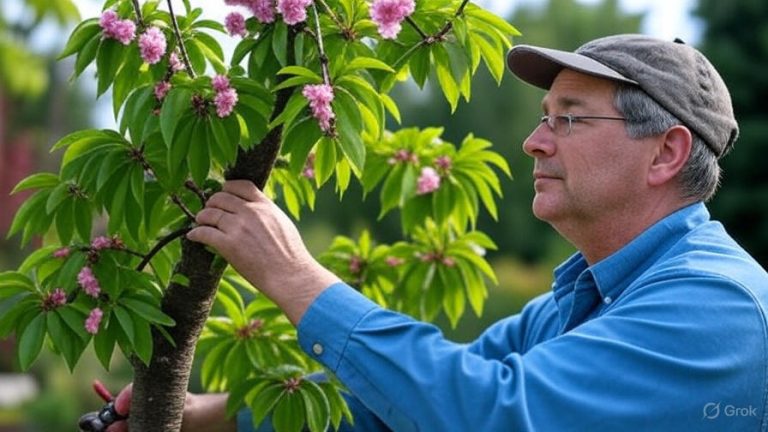
Cut stems just above a leaf node, the small bump where a leaf meets the vine. New growth often sprouts from these points. Use clean, sharp scissors for a neat cut.
Trim in spring or early summer, when the plant grows most. Avoid heavy cuts during winter rest.
Using Hanging Baskets and Shelves
Hanging baskets let the vines fall naturally, and shelves or high stands also work well. Choose a spot where stems will not be bumped or crushed.
Tuck loose stems back into the pot or secure them with a soft tie. Rotate the pot every few weeks so growth stays even on all sides.
Propagating String of Hearts from Cuttings
Propagation means growing a new plant from a piece of an existing one. String of hearts is one of the easier houseplants to propagate. Cuttings are a practical way to share or refresh your plant.
Step-by-Step Stem Cutting Method
Choose a healthy stem with several leaves. Cut a section about 8 to 10 centimeters long, just below a leaf node. Remove the lowest leaves so the bare stem can sit in water or soil.
Let the cutting dry for a day so the end can callus over. Place it in your chosen rooting medium and keep it in bright, indirect light.
Rooting in Water Versus Soil
Rooting in water lets you watch roots develop. Place the cut end in a small glass of clean water and change the water every few days. Roots usually appear within a few weeks.
Rooting in soil is also reliable. Plant the cutting in lightly moist, well-draining mix and water sparingly until it establishes. Once roots are firm, move the new plant to its own pot.
Common Problems and How to Fix Them
Most issues with string of hearts come from light, water, or soil problems. Spotting them early makes recovery easier. Each problem has a clear cause and a practical fix.
Yellow or Mushy Leaves
Yellow, soft, or mushy leaves usually point to overwatering. Check the roots and soil moisture first. Reduce watering and improve drainage if needed.
Occasional yellowing of older leaves can be normal. Focus on if the problem spreads to new growth.
Leggy Growth and Sparse Stems
Leggy growth means long stems with large gaps between leaves. It almost always signals too little light. Move the plant closer to a brighter window.
Pruning and rotating the pot can also help. New growth should fill in more evenly over time.
Pests Such as Mealybugs and Spider Mites
Mealybugs look like small white cottony spots, often in leaf joints. Spider mites cause fine webbing and speckled, dull leaves.
Wipe leaves with a damp cloth to remove small numbers of pests. For larger problems, use an insecticidal soap labeled for houseplants, following the label directions. Isolate the plant so pests do not spread.
String of Hearts Compared With Similar Trailing Plants
Several trailing plants look similar at first glance. Comparing them shows what care each one needs.
String of Hearts Versus String of Pearls
String of pearls has round, pea-shaped leaves rather than heart-shaped ones. Both are succulent trailing plants with similar needs. They prefer bright light and soil that dries between thorough waterings.
String of pearls often looks more bead-like and fuller at the stem ends. Both suit hanging baskets and shelves.
String of Hearts Versus Heartleaf Philodendron
Heartleaf philodendron also has heart-shaped leaves and trails well. It is not a succulent, though. Its leaves are thinner and softer, and it usually tolerates more frequent watering.
String of hearts stores water in its tissues, so it copes better with dry spells. Heartleaf philodendron prefers soil that stays slightly moist. Knowing this difference prevents many watering mistakes.
Frequently Asked Questions
Is string of hearts toxic to pets?
String of hearts is generally considered mildly toxic if chewed by pets. Keep it out of reach of cats and dogs. If you suspect your pet has eaten part of the plant, contact a veterinarian.
How fast does string of hearts grow?
Growth is usually slow to moderate, especially indoors. Stems lengthen steadily in warm weather and slow in winter.
Why are my string of hearts leaves falling off?
Leaf drop often comes from overwatering, underwatering, or sudden changes in light or temperature. Check soil moisture first, then review light and placement.
Can I grow string of hearts outdoors?
It can grow outdoors in warm, mild climates. Protect it from strong direct sun and frost. In cooler regions, keep it indoors or bring it inside when temperatures drop.
How often should I repot string of hearts?
Repot only when the roots fill the pot or the soil breaks down, usually every couple of years. Choose a pot only slightly larger than the current one.
Conclusion
String of hearts is a forgiving trailing plant once you understand its basic needs. It prefers bright, indirect light, dry soil between waterings, and a fast-draining mix. Light feeding and gentle pruning complete the routine.

Hi, I’m Mary, the founder of GardenCure.com. I’m passionate about creating healthy, beautiful gardens and well-kept lawns. I share practical experience and trusted advice on garden and lawn gear that truly works. With the support of my dedicated research team, our writers produce honest, in-depth reviews using reliable, authentic sources—helping you choose the right tools with confidence for your outdoor space.