How To Care For A Yucca Plant
Caring for a yucca is easier than many beginners expect. Yuccas are tough, sculptural plants with stiff, sword-shaped leaves. They grow indoors as houseplants and outdoors in warm gardens, and they handle busy schedules well.
In this article
This guide explains what a yucca is, what it needs, and how to build a simple care routine. It also covers common problems, repotting, and frequent questions.
Key Takeaways
- Yucca plants need bright light and well-draining soil.
- Water deeply, then let the soil dry out before watering again.
- Overwatering is the most common cause of root rot and drooping leaves.
- Repot only when roots fill the pot, and use a pot with drainage holes.
- Trim dead leaves and check for pests to keep the plant looking its best.
What Is a Yucca Plant?
A yucca is a plant from the agave family. It grows a woody stem or trunk topped with a crown of long, pointed leaves. Many types come from dry, sunny regions of the Americas, so they suit warm conditions and occasional dry spells.
Yuccas can grow in pots or in the ground. Their slow growth makes them practical for people who do not want a plant that needs constant attention.
Common Types of Yucca for Home Growing
The cane yucca, sometimes sold as Yucca elephantipes, has thick stems and a tree-like shape. Spanish dagger and Adam’s needle are other well-known types, often grown outdoors.
Beginners often choose a type sold as a houseplant because it is easier to manage indoors. Garden types usually grow much larger, so check the plant tag before buying.
Yucca Plant Basics for Beginners
A yucca needs good light, a pot or spot with excellent drainage, and water only when the soil is mostly dry. It also benefits from a stable room temperature and protection from cold drafts.
Most problems come from too much water or too little light. Getting these two points right prevents many issues.
How Yucca Plants Grow and What They Need
Yucca plants grow slowly and store water in their stems and roots. This built-in storage lets them survive short dry spells. They do not want wet soil for long periods.
Matching care to this natural habit helps. Think of a yucca as a plant that prefers to be left alone between drinks.
Light Requirements for Indoor and Outdoor Yucca
Yucca plants prefer bright light. Indoors, a spot near a sunny window works well. An east or south window is often a good choice, though results depend on your location.
Outdoors, most yuccas enjoy full sun. Too little light makes the plant stretch and lean, and its leaves can look pale. Moving a plant into brighter light gradually helps it adjust without leaf damage.
How Often to Water a Yucca Plant
Watering frequency depends on pot size, light, temperature and season. Plants in bright, warm rooms use water faster than plants in dim corners. A fixed calendar schedule is less useful than checking the soil.
Water thoroughly until water runs out of the drainage holes. Then wait until the top few centimeters of soil feel dry. In cooler months, yuccas usually need much less water.
Soil and Drainage for Healthy Roots
Good drainage is the key to healthy roots. Soggy soil can cause roots to rot, so a well-draining mix matters most. A cactus or succulent mix works well, and many growers add perlite or coarse sand for airflow. Heavy garden soil holds too much water and should be avoided in pots.
A pot with drainage holes is essential. Decorative pots without holes can work if you place the plant in a plastic nursery pot inside them and empty any standing water after watering.
Temperature and Humidity Preferences
Yucca plants like average room temperatures and handle dry indoor air better than many tropical plants. Steady warmth suits them better than sudden temperature swings.
Cold drafts from windows or doors can damage leaves, so keep the plant away from heating vents and cold glass in winter. Outdoor yuccas in cold climates may need protection, since frost can harm foliage and stems.
Step-by-Step Yucca Plant Care Routine
A simple routine helps beginners stay consistent. The steps below cover the main tasks in a sensible order.
Setting Up the Right Pot and Potting Mix
Start with a pot only slightly larger than the root ball. Oversized pots hold extra soil that stays wet too long. Choose a pot with drainage holes and fill it with a fast-draining mix.
Plant at the same depth as before and firm the soil gently. Water lightly, then give the plant a few days in bright, indirect light before moving it to its usual spot.
Watering Schedule and Signs of Overwatering
Check the soil before each watering rather than following a strict timetable. Push a finger into the soil. Water only when the top layer is dry and the pot feels lighter.
Soft or mushy stem bases, yellowing lower leaves and a sour soil smell all signal overwatering. If these appear, stop watering and let the soil dry. Check the roots if the problem continues.
Feeding Your Yucca Plant
Yucca plants need little fertilizer. During the active growing season, apply a balanced liquid fertilizer diluted to half strength every few weeks. Stop feeding in fall and winter, when growth slows.
Too much fertilizer can cause salt buildup and damage roots. When in doubt, feed less.
Pruning, Cleaning and Removing Dead Leaves
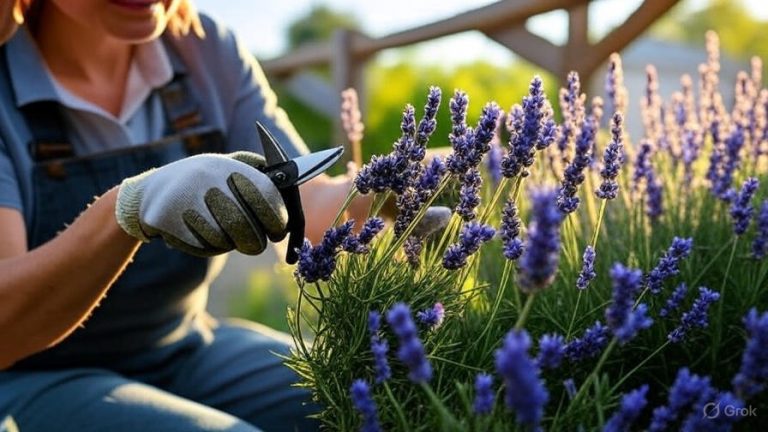
Remove dead or brown leaves at the base using clean, sharp pruners. Cut close to the stem without damaging it. This keeps the plant tidy and removes places where pests can hide.
Wipe dusty leaves with a soft, damp cloth. Avoid leaf shine products, since they can clog the leaf surface.
Common Yucca Plant Problems and How to Fix Them
Most yucca problems are easy to spot early. Checking leaves, stems and soil each week makes trouble easier to catch.
Yellow or Brown Leaf Tips
Brown tips often come from dry air, uneven watering or salt buildup. Trim damaged tips with clean scissors if you want a neater look. Keep the soil evenly moist, but never soggy.
Yellow leaves are usually older leaves at the bottom of the plant, and some yellowing is normal. Many yellow leaves at once may point to overwatering.
Drooping Leaves and Root Rot
Drooping leaves can signal either too much or too little water. Check the soil first. If it is wet and the stem feels soft, root rot is likely.
To treat root rot, remove the plant from the pot and cut away soft, dark roots. Repot in fresh, dry mix and a clean pot. Hold off on watering for a week or two while the plant recovers.
Pests Like Mealybugs and Spider Mites
Mealybugs look like small white cotton tufts in leaf joints. Spider mites leave fine webbing and tiny speckles on leaves. Both pests are more common on dry indoor plants.
Wipe pests off with a cloth dipped in soapy water, then rinse the leaves. Repeat every few days until pests are gone. Isolating the plant from other houseplants helps stop the spread.
Yucca Plant Care Indoors Versus Outdoors
Indoor and outdoor yuccas share the same basic needs, but their conditions differ. Indoor plants depend on you for light and water. Outdoor plants rely more on rain, natural temperatures and soil.
Caring for a Yucca Houseplant
Indoor yuccas need a bright spot, careful watering and occasional rotation so all sides receive light. Dust the leaves regularly and keep the plant away from cold drafts and heating vents.
Most houseplant yuccas stay compact for years in a suitable pot. They grow more slowly than outdoor plants and rarely need heavy pruning.
Planting and Maintaining a Yucca in the Garden
Outdoor yuccas need a sunny site with sharp drainage. Dig a hole about twice the width of the root ball, and add gritty soil if the native ground is heavy. Water regularly during the first growing season while roots establish.
Once established, most garden yuccas need little water. Protect young plants from frost in cold climates, and keep sharp leaf tips away from walkways and children.
Repotting, Propagation and Growing Yucca From Cuttings
Repotting and propagation let you refresh an older plant or grow new ones. Spring is usually the best time for either job.
When to Repot a Yucca
Repot when roots fill the pot or push out of the drainage holes. Water may run straight through the soil because the roots take up most of the space.
Move the plant to a pot one size larger, with fresh mix and drainage holes. Water lightly afterward, then wait a few days before resuming a normal routine.
Propagating Yucca From Stem Cuttings and Offsets
Many yuccas can be propagated from stem cuttings or offsets, which are small plantlets that grow at the base. Cut a healthy stem section and let the end dry and callus for several days. Then place it in lightly moist, well-draining mix.
Separate offsets once they have their own roots. Keep new plants in bright, indirect light and water sparingly until growth appears. Rooting can take several weeks or longer.
Frequently Asked Questions
How often should I water a yucca plant?
Water only when the soil is mostly dry, usually every one to three weeks. Check the soil with a finger before each watering. Cooler months need much less water.
Can a yucca plant grow in low light?
A yucca can survive in lower light for a time, but it will grow slowly and may lean toward the light. Bright light gives the best shape and health. Move the plant closer to a window if growth looks weak.
Why are the leaves of my yucca turning yellow?
A few yellow lower leaves are often a normal part of aging. Many yellow leaves at once usually point to overwatering or poor drainage. Check the soil and roots to find the cause.
Is a yucca plant safe for pets?
Yucca plants can cause mild stomach upset if eaten, and their sharp leaves can injure pets. Keep plants out of reach of cats and dogs. Contact a veterinarian if a pet has eaten any part of the plant.
How big does a yucca plant get indoors?
Size depends on the variety, pot size and growing conditions. Many houseplant types stay compact for years, while larger types grow taller over time. Check the plant tag and plan for future growth.
Conclusion
Caring for a yucca comes down to a few simple habits. Give the plant bright light, use fast-draining soil, and water only when the soil is mostly dry. Watch for overwatering, trim dead leaves and check for pests. With steady care, a yucca can stay healthy for many years.
Hi, I’m Mary, the founder of GardenCure.com. I’m passionate about creating healthy, beautiful gardens and well-kept lawns. I share practical experience and trusted advice on garden and lawn gear that truly works. With the support of my dedicated research team, our writers produce honest, in-depth reviews using reliable, authentic sources—helping you choose the right tools with confidence for your outdoor space.