How To Care For African Violet
Caring for African violets is easier than many people expect. These small flowering houseplants can bloom for months when they get the right light, water and food. This guide explains each part of the process in plain terms.
In this article
You will learn what African violets need, how to water them without causing rot, and how to feed and repot them. You will also see common problems and how to fix them. By the end, you will have a simple routine to follow.
Key Takeaways
- African violets prefer bright, indirect light and warm, steady room temperatures.
- Bottom watering helps prevent crown rot, because water stays off the leaves and center.
- Use a balanced, diluted fertilizer on a regular but light schedule.
- Remove dead leaves and spent blooms to keep the plant tidy and encourage new flowers.
What Is an African Violet and Why Do Beginners Love It
An African violet is a flowering plant known scientifically as Saintpaulia. It is not a true violet, but it has soft, fuzzy leaves and bright flowers in many colors.
Beginners often choose it because it stays small and blooms with little fuss. It fits well on a windowsill or shelf, and its needs are clear once you learn the basics.
Native Home and Growing Habit
African violets come from the warm, humid, shaded forests of eastern Africa. There they grow close to the ground and receive filtered light rather than harsh sun.
This background explains many of their care needs. They grow in a rosette shape, with leaves arranged in a circle from a central crown. Keeping that crown dry and healthy is a key part of care.
Why African Violets Suit Indoor Spaces
African violets adapt well to average home conditions. They stay compact, so they fit on small tables and window ledges without needing outdoor space.
When cared for well, they bloom for much of the year. They do best in a stable indoor environment, which is why many people keep several at once.
The Basics of African Violet Care
Good care rests on four main factors: light, temperature, humidity and the potting mix. Each one affects how well the plant grows and flowers. Getting these basics right prevents many problems.
Light Needs for Healthy African Violet Plants
African violets need bright, indirect light. An east-facing window often works well. A north or west window can also work if the light is not harsh.
Direct midday sun can scorch the leaves, leaving pale or crispy spots. Too little light causes weak growth and few flowers. If leaves reach toward the window and look stretched, the plant needs more light.
Temperature and Humidity Requirements
These plants prefer temperatures that feel comfortable to people, usually between about 65 and 80 degrees Fahrenheit. They dislike cold drafts and hot spots near heaters or vents. Steady conditions keep them healthy and blooming.
Average home air is often drier than African violets like, but they usually manage well. Grouping plants together or using a pebble tray adds a little moisture around them.
Potting Mix and Container Choice
African violets need a light, airy potting mix that drains well but holds some moisture. Many growers use a mix made specifically for African violets. Heavy garden soil stays too wet and can cause root problems.
Choose a pot only slightly larger than the root ball. Small pots help the soil dry at a healthy pace. Plastic and glazed ceramic pots are common, and each has its own watering habits.
How to Water African Violets Without Causing Rot
Watering is the step that most often goes wrong. Water on the crown or leaves can cause rot and spots. The fix is to water from below and keep the center of the plant dry. This section explains how to do it safely.
Bottom Watering Method Step by Step
Bottom watering lets the plant soak up water from its base. Fill a saucer or tray with room-temperature water. Set the pot in the water and wait about 20 to 30 minutes.
Check the top of the soil once it feels damp. Then pour off any water left standing in the saucer. This keeps water away from the fuzzy leaves and the crown.
Signs of Overwatering and Underwatering
Overwatering often shows as limp, dark or mushy leaves. The base of the plant may feel soft, and the soil may smell sour. Roots can rot when the soil stays soggy too long.
Underwatering causes a different pattern. Leaves may droop, look dull, or feel dry at the edges. Soil pulling away from the pot edge is another sign. Adjust your routine based on how the plant and soil look.
Water Quality and Temperature Tips
Cold water can shock the roots and leave spots on the leaves. Room-temperature water is the safer choice. Many growers let tap water sit overnight so some chlorine can escape.
Very hard water may leave mineral deposits on the soil and pot. If you notice a white crust, rinsing the pot or using a softer water source can help. Rainwater or distilled water are common options.
Feeding African Violets With Fertilizer
African violets use nutrients to build leaves and flowers. Feeding helps them bloom, but too much fertilizer can burn the roots. A light, regular routine works best for most beginners.
Picking a Balanced Fertilizer for Violets
Look for a balanced fertilizer or one labeled for African violets. The package lists three numbers for nitrogen, phosphorus and potassium. A balanced mix supports both leaves and flowers.
Dilute the fertilizer to half the strength listed on the label. Strong solutions can build up in the soil and harm the roots.
Feeding Schedule for Beginners
Many growers feed with a diluted solution every time they water. Others feed every second or third watering. Either approach works if the dose stays weak.
Pause feeding if the plant looks stressed or the soil is very dry. Flush the pot with plain water now and then to clear out salt buildup.
Step-by-Step Routine for Ongoing African Violet Care
A simple routine keeps the plant healthy with little effort. Most of the work involves short checks and small adjustments.
Weekly Checks and Light Adjustments
Once a week, look at the leaves, crown and soil. Check for dryness, pests and signs of stress. Note if the plant is leaning toward the light.
Turn the pot a quarter turn each week to keep growth even. If the leaves reach strongly toward the window, move the plant to a brighter spot.
Removing Dead Leaves and Spent Blooms
Remove yellow or brown leaves at the base using clean fingers or scissors. Pinch off faded flowers once they wilt. This keeps the plant tidy and reduces the chance of rot.
Cut cleanly and avoid tearing the stem. Removing dead matter also helps you spot new problems early.
Encouraging Continuous Flowering
African violets bloom more with enough bright light and regular feeding. Removing spent flowers signals the plant to produce new buds.
Avoid moving the plant often, because it can stall blooming. Give it time to settle in its spot.
Repotting and Propagating African Violets
Repotting refreshes the soil and gives roots room to grow. Propagation lets you grow new plants from a healthy leaf. Both steps are simple once you know the timing and method.
When to Repot Your Violet
Repot when the roots fill the pot or the soil breaks down and stays wet. Many growers repot about once a year. Choose a container only slightly larger than the old one.
Gently loosen the root ball and set the plant in fresh, light potting mix at the same depth. Keep the crown above the soil line to avoid rot.
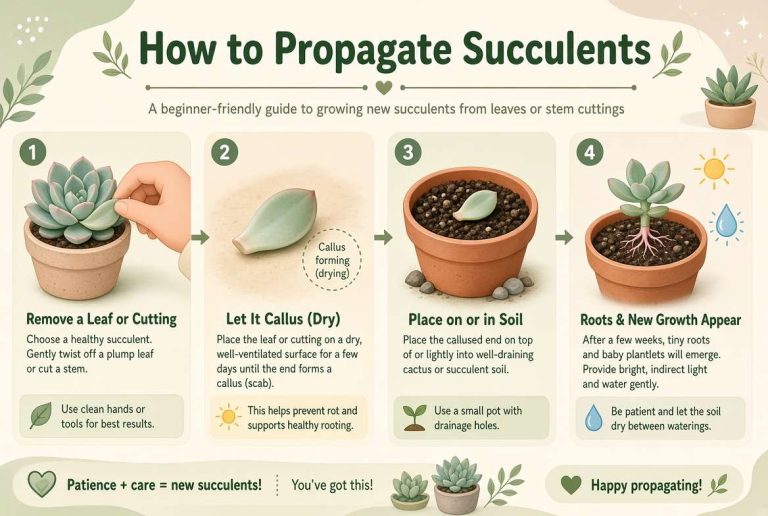
Propagating Leaf Cuttings
Cut a healthy, mature leaf at the base with a clean blade. Place the stem in water or moist potting mix. Roots usually form within several weeks.
Once roots and small leaves appear, pot the plantlet in a small container. Keep it in bright, indirect light and water from below. Young plants grow slowly, so patience matters.
Common Problems and How to Fix Them
Most issues come from light, water or temperature. Identifying the cause early makes the fix easier.
Yellow or Brown Leaves
Yellow leaves often mean overwatering, low light or age. Brown, crispy edges can point to dry air, cold water or direct sun. Check the soil and light first, then adjust.
Remove damaged leaves at the base. Persistent yellowing deserves a closer look at the roots.
Leggy Growth and Few Flowers
Leggy growth, with long stems and sparse leaves, usually means the plant lacks light. Move it closer to a bright window.
Few flowers can also result from low light or too much nitrogen fertilizer. Adjust light first, then review your feeding routine.
Pests and Diseases to Watch For
Common pests include mealybugs, aphids and thrips. Look for sticky residue, tiny insects or distorted leaves. Isolate affected plants and remove pests by hand or with a gentle treatment.
Crown rot and leaf spot are the main diseases. Keeping water off the leaves and crown lowers the risk, and improved airflow helps too.
Comparing Growing Setups for African Violets
Two common choices shape daily care: where the plant gets light and how it gets water. Each setup has clear strengths. The right one depends on your space and routine.
Windowsill Versus Grow Light Setups
A windowsill is simple and free to use. It works well when the window gets bright, indirect light. Results depend on the direction the window faces and the season.
Grow lights offer steady, controllable light, even in rooms with little sun. They take some setup and energy use. They suit people who want consistent blooms in dim spaces.
Self-Watering Pots Versus Traditional Pots
Traditional pots need hand watering from below. They give you direct control over moisture, which suits growers who like to check the soil often.
Self-watering pots draw water up from a reservoir as needed. They reduce the risk of forgetting to water. Still, check the reservoir and roots regularly to avoid soggy soil.
Frequently Asked Questions
How often should I water my African violet?
Water when the top of the soil feels dry and the pot feels lighter. Many plants need watering about once a week, but this varies with light and room temperature. Bottom watering is the safest method.
Can African violets grow in low light?
They can survive in low light but usually bloom poorly. Bright, indirect light is best for flowering. A grow light can help in dim rooms.
Why are my African violet leaves turning yellow?
Yellow leaves often come from overwatering, low light or natural aging of older leaves. Check the soil moisture and light level first. Remove badly yellowed leaves at the base.
Do African violets need to be repotted?
Not always. Many plants benefit from repotting about once a year or when the roots crowd the pot. Check the root ball each spring and repot only when needed.
Are African violets safe around pets?
African violets are generally considered non-toxic to cats and dogs, but pets may still nibble the leaves and cause mild upset. Keep the plant out of reach if your pet chews on plants. Check a trusted pet poison resource for specific guidance.
Conclusion
Caring for an African violet comes down to bright, indirect light, steady warmth and careful bottom watering. Simple weekly checks keep the plant healthy. With these habits, many beginners enjoy blooms for much of the year.

Hi, I’m Mary, the founder of GardenCure.com. I’m passionate about creating healthy, beautiful gardens and well-kept lawns. I share practical experience and trusted advice on garden and lawn gear that truly works. With the support of my dedicated research team, our writers produce honest, in-depth reviews using reliable, authentic sources—helping you choose the right tools with confidence for your outdoor space.