
How To Add Nutrients To Soil
Healthy plants depend on a steady supply of minerals and organic matter. Learning how to add nutrients to soil is the most effective way to improve your garden’s growth and overall plant health. In this guide, you will learn the basics of soil testing, the best organic amendments to use, and how to apply them correctly. These simple steps will help you build a productive foundation for your flowers and vegetables.
In this article
Key Takeaways
- Test your soil first to identify which specific nutrients are missing before adding any fertilizers.
- Organic matter like compost improves soil structure and provides a slow, steady release of essential nutrients.
- Apply amendments at the right time to match the needs of your plants during their growth cycles.
- Avoid over-fertilizing, as excess minerals can damage roots and harm the local environment.
Why Your Soil Needs Extra Nutrients
Plants take minerals from the ground to build stems, leaves, and fruits. Over time, the supply of these minerals depletes because plants consume them or rain washes them away. This process is common in garden beds that host the same crops every season. When soil lacks nutrients, plants show symptoms like yellowing leaves or slow growth. Adding organic materials restores the balance of the earth. This practice turns tired dirt into a rich environment that supports strong root systems and resilient vegetation.
How to Test Your Soil Quality
Before you add anything to your garden, you need to know what is already there. Soil testing gives you a clear picture of your garden’s chemical composition. Without this data, you might add nutrients that your plants do not actually need.
Using a Simple Home Test Kit
Home test kits are available at most garden centers. These kits usually include small vials and tablets that change color when mixed with a soil sample. You simply collect a small amount of earth from a few inches below the surface. Follow the instructions carefully to get an accurate reading. Most kits measure basic levels of nitrogen, phosphorus, and potassium. Some kits also test the pH level, which tells you if your soil is too acidic or too alkaline for your specific plants.
Observing Your Plants for Deficiency Signs
Plants often signal when they are hungry. Yellow leaves on older foliage frequently indicate a lack of nitrogen. If the edges of the leaves turn brown or look scorched, the plant might need more potassium. A lack of phosphorus often results in stunted growth or a reddish tint on the leaves. While visual observation is helpful, it is not as precise as a soil test. Use these signs as a starting point to investigate the condition of your garden beds.
Best Organic Materials for Soil Enrichment
Organic amendments are natural materials that improve the physical and chemical properties of soil. They break down slowly, which means they feed your plants over a long period. This approach is gentler than using harsh synthetic chemicals.
Benefits of Using Compost
Compost is the gold standard for garden soil. It consists of decomposed organic matter like leaves, grass clippings, and kitchen scraps. Adding a layer of compost improves the soil structure by making it crumbly and porous. This texture allows roots to grow easily and helps the ground hold the right amount of moisture. Compost also introduces beneficial microbes that help break down other nutrients. You can create your own compost pile or buy finished bags from local suppliers.
Adding Aged Manure for Nitrogen
Aged manure is a powerful source of nitrogen, which is essential for lush leaf growth. It is important to use only aged or composted manure. Fresh manure can be too strong and may contain pathogens or weed seeds. Let the manure sit for several months before spreading it in your garden. The aging process mellows the material and makes it safe for vegetable patches. Mix it into the top few inches of the soil to let the nutrients reach the root zone.
Using Bone Meal and Kelp for Specific Needs
Bone meal is a crushed powder made from animal bones. It is rich in phosphorus, which encourages strong root development and flower production. Gardeners often mix it into the soil when planting bulbs or perennial flowers. Kelp meal is a seaweed-based product that provides a wide range of trace minerals. These minerals act like a multivitamin for your plants. A small amount of kelp meal can boost overall plant vitality and help them handle stress from heat or drought.
How to Apply Amendments to Your Garden
Applying amendments correctly ensures that the nutrients reach the roots without causing waste. Focus on the area where the roots live, which is typically the top six to eight inches of the soil. Consistency is more important than using large amounts at once.
Working Nutrients into the Topsoil
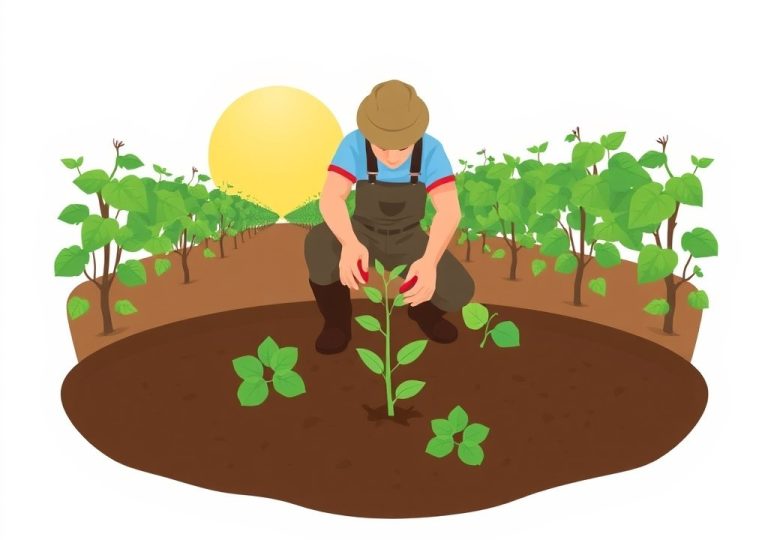
Spread your chosen amendment evenly over the surface of the garden bed. Use a rake or a hand fork to gently mix the material into the top few inches of the earth. Be careful not to disturb the deeper layers of soil unnecessarily. After mixing, water the area lightly. This moisture helps the nutrients settle into the soil and prevents them from blowing away. If you are planting, you can also mix small amounts of compost directly into the individual holes for each plant.
Timing Your Applications for Best Results
Most gardens benefit from an application of organic matter in the spring before planting. This gives the soil time to process the nutrients before the growing season begins. You can add another light layer of compost in the autumn to protect the soil during winter. Avoid adding high-nitrogen fertilizers late in the season. Late applications can encourage tender new growth that will be damaged by the first frost. Follow the package instructions on any purchased amendments to ensure you are timing the use correctly.
Common Mistakes to Avoid
Many beginners make the mistake of adding too much fertilizer. They believe that more nutrients will lead to faster growth, but the opposite is often true. Excess salts can accumulate in the soil and burn delicate root hairs. Another common error is failing to incorporate the amendments properly. Leaving compost or manure sitting on top of the soil without mixing it in can lead to nutrient loss through runoff. Always aim to integrate the material into the dirt for the best contact. Finally, avoid assuming all plants need the same soil conditions. Some plants, like blueberries, prefer acidic soil, while others prefer neutral conditions. Research the specific needs of your plants to ensure you are creating the right environment for their success.
Frequently Asked Questions
How often should I add nutrients to my garden soil?
You should typically add organic compost once or twice a year. For specific fertilizers, follow the instructions on the product label based on the growth cycle of your plants.
Can I add too much fertilizer to my plants?
Yes, adding too much fertilizer can harm your plants. It can cause salt buildup, damage roots, and lead to poor growth. Always use the recommended amount rather than adding extra.
What is the difference between organic and synthetic fertilizers?
Organic fertilizers come from natural sources and improve soil structure over time. Synthetic fertilizers are manufactured chemicals that provide a quick, concentrated burst of nutrients.
Should I add nutrients before or after planting?
It is usually best to add amendments before planting so the soil can absorb them. You can also add light amounts of organic matter around existing plants as a top dressing.
How can I tell if my soil is healthy without a test?
Healthy soil is dark, crumbly, and smells fresh. It should contain earthworms and hold moisture well without becoming waterlogged or turning into hard clay.
Conclusion
Improving your garden soil is a rewarding process that pays off with healthier plants. By testing your soil and using the right organic amendments, you create a sustainable environment for your garden to thrive. Focus on building the soil structure rather than just feeding the plants. Start with a simple soil test and incorporate high-quality compost into your beds. Take your time with the process and observe how your plants respond. With these basic steps, you can maintain a productive and beautiful garden for years to come.

Hi, I’m Mary, the founder of GardenCure.com. I’m passionate about creating healthy, beautiful gardens and well-kept lawns. I share practical experience and trusted advice on garden and lawn gear that truly works. With the support of my dedicated research team, our writers produce honest, in-depth reviews using reliable, authentic sources—helping you choose the right tools with confidence for your outdoor space.
One Comment