How To Add Phosphorus To Soil
Phosphorus is a vital nutrient that helps plants grow strong roots, produce flowers, and develop healthy fruit. If your garden is struggling to bloom or looks stunted, you might need to add phosphorus to your soil to give your plants the boost they need. In this guide, you will learn how to identify a phosphorus deficiency and the best ways to incorporate this essential mineral into your garden beds. We will cover natural sources, synthetic options, and the proper methods for application to help your plants thrive.
In this article
Key Takeaways
- Test your soil before applying any fertilizers to avoid nutrient imbalances.
- Phosphorus promotes root development, flower production, and fruit set.
- Natural sources like bone meal release nutrients slowly over time.
- Synthetic fertilizers provide a quick nutrient boost but require careful use.
- Soil pH levels significantly influence how well plants can absorb available phosphorus.
Why Plants Need Phosphorus
Plants require three primary nutrients to survive: nitrogen, phosphorus, and potassium. These are often labeled as N-P-K on fertilizer bags. Phosphorus is the middle number in this sequence. It acts as the energy transfer system for the plant. Without enough phosphorus, plants cannot move energy from their leaves to their roots or fruits. This leads to weak stems and poor yields. It is especially critical during the early stages of growth and when the plant prepares to bloom. Strong root systems depend on this mineral to anchor the plant firmly in the ground. If you notice your vegetables are not setting fruit or your flowers are sparse, phosphorus is often the missing link. It helps the plant convert light into fuel for growth.
Signs Your Soil Lacks Phosphorus
Plants often show specific physical signs when they are hungry for phosphorus. One of the most common symptoms is a dark green or purplish tint on the leaves. This is especially visible on the undersides of older leaves. Growth may also appear stunted. You might notice that your plants stay smaller than their neighbors of the same variety. In some cases, the stems become thin and brittle. This lack of vigor makes the plant more susceptible to diseases and pests. If you grow flowering plants, a deficiency often results in few or no blooms. For fruit-bearing crops like tomatoes or peppers, you may see flowers drop off before they can produce fruit. These visual clues are a strong indicator that the soil chemistry needs adjustment.
Natural Sources of Phosphorus
Many gardeners prefer organic sources because they improve the soil structure over time. These materials break down slowly and provide a steady supply of nutrients. They rarely burn roots, making them safer for beginners to use. Organic amendments also add organic matter, which supports the overall health of your garden ecosystem.
Bone Meal for Slow-Release Nutrients
Bone meal is a popular organic option derived from processed animal bones. It is high in phosphorus and calcium. Because it is a natural product, it does not dissolve quickly in water. This allows the nutrients to remain accessible to plants as they grow rather than washing away during heavy rain. This slow release makes it ideal for planting bulbs or perennials. The nutrients stay in the soil for the plant to use throughout the growing season. You can mix bone meal directly into the soil at the bottom of a planting hole. This placement ensures that the phosphorus is located exactly where the developing roots need it most.
Rock Phosphate as a Long-Term Solution
Rock phosphate is a finely ground mineral mined from natural deposits. It is a very slow-acting source of phosphorus. It works best in acidic soil where the minerals can break down more easily. If your soil pH is neutral or alkaline, the release of phosphorus from this material may be quite limited. Some gardeners apply rock phosphate when preparing a new garden bed. Its effects can last for several years. Since it does not wash away easily, it remains in the root zone for a long time. It is a practical choice for long-term soil building rather than immediate nutrient correction.
Organic Compost and Manure
Well-aged compost and manure contain small amounts of phosphorus. While these are not as concentrated as bone meal, they provide a broad range of nutrients. They also improve the soil texture and water retention. Using these materials regularly creates a rich, fertile environment for your plants. Regularly adding compost helps maintain a healthy balance of minerals. It encourages beneficial soil microbes to thrive. These microbes help convert phosphorus into a form that plant roots can absorb. This biological activity is essential for healthy plant development.
Synthetic Phosphorus Fertilizers
Synthetic fertilizers are manufactured to provide a concentrated dose of nutrients. They are highly soluble, meaning they dissolve quickly in water. This allows plants to access the phosphorus almost immediately. These products are often sold as granular pellets or water-soluble powders for quick application. Common products like superphosphate or triple superphosphate are widely available. These products are useful if you need to correct a severe deficiency quickly. They are often used in commercial farming to ensure rapid development. You might use them if your plants show clear signs of stunted growth or purple-tinted leaves. However, these fertilizers require careful handling. Because they are potent, applying too much can damage delicate root systems. It is best to follow the label instructions exactly to avoid over-fertilization. Always measure carefully to ensure you provide the correct amount for your specific plant needs.
How to Apply Phosphorus to Your Garden
Applying fertilizer correctly ensures that the nutrients reach the roots. If you simply sprinkle it on the surface, much of it may stay trapped in the top layer of dry soil. Proper placement is the key to success. Because phosphorus does not move easily through the soil, you must place it near the root zone for the best results.
Testing Your Soil First
Before adding any fertilizer, perform a soil test. Many garden centers or local agricultural extension offices offer kits. A test tells you exactly what your soil contains and what it lacks. Guessing can lead to an excess of nutrients. Too much phosphorus can actually prevent plants from absorbing other important minerals like zinc or iron. A test removes the guesswork and saves money on unnecessary products. It provides a clear roadmap for your garden maintenance, ensuring you only add what your plants require to thrive.
Mixing Fertilizer into the Root Zone
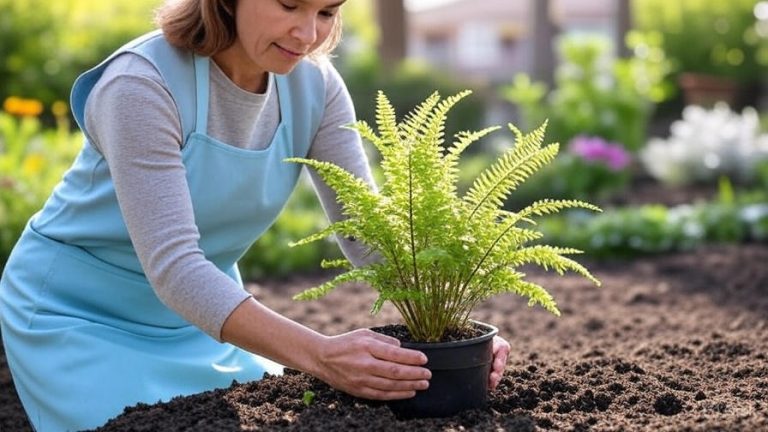
The best time to add phosphorus is during soil preparation. If you are starting a new bed, mix the fertilizer into the top six inches of soil. This places the nutrients where the developing roots will find them. For established plants, you can dig small holes around the drip line. The drip line is the area directly under the outer edge of the plant’s branches. Place the fertilizer in these holes and cover them with soil. This method keeps the fertilizer away from the stem. It also prevents the nutrients from washing away during rain or watering. Always water the area well after applying any granular fertilizer. Moist soil helps the nutrients dissolve and move down into the root system more effectively.
Frequently Asked Questions
How do I know if my soil actually needs phosphorus?
A professional soil test is the only accurate way to confirm a deficiency. Visual symptoms like purple leaves can sometimes be caused by cold weather or other nutrient imbalances rather than a lack of phosphorus. Relying on lab results prevents you from treating the wrong issue.
Can I add too much phosphorus to my garden?
Yes, adding too much can be harmful. Excess phosphorus can run off into nearby water sources and cause environmental issues. It can also interfere with the plant’s ability to take up other essential micronutrients, leading to stunted growth or poor flowering.
Does soil pH affect phosphorus availability?
Soil pH is very important because it changes the chemical structure of the soil. Phosphorus is most available to plants when the pH is slightly acidic to neutral. If the soil is too alkaline or too acidic, the phosphorus becomes “locked” and unavailable to the plant. You may need to adjust your soil pH to make existing phosphorus useful again.
How long does it take for phosphorus to work?
The speed depends on the source used. Synthetic fertilizers can show results in a few weeks. Organic sources like bone meal or rock phosphate may take several months to break down and become available to the roots. Use these organic options for long-term soil health and slow-release benefits.
Should I use liquid or granular phosphorus?
Granular fertilizers are best for slow, consistent feeding throughout the season. Liquid fertilizers are better for a quick, short-term correction if a plant is showing immediate signs of stress or deficiency. Match the product type to your specific garden goals and the current condition of your plants.
Summary of Best Practices
Adding phosphorus to your soil is a manageable task once you understand the basic requirements of your plants. Start by testing your soil to see if a supplement is truly necessary. This prevents waste and protects the health of your garden ecosystem. Choose the right product based on your goals. Use organic sources for long-term health and soil enrichment. Use synthetic options only when you need a fast correction for a severe deficiency. Always incorporate the fertilizer into the root zone rather than leaving it on the surface. Keep the soil pH in a healthy range to ensure the plants can actually use the nutrients you provide. With these steps, your flowers and vegetables will have the foundation they need to grow strong.

Hi, I’m Mary, the founder of GardenCure.com. I’m passionate about creating healthy, beautiful gardens and well-kept lawns. I share practical experience and trusted advice on garden and lawn gear that truly works. With the support of my dedicated research team, our writers produce honest, in-depth reviews using reliable, authentic sources—helping you choose the right tools with confidence for your outdoor space.