How To Plant Lemon Seeds
Introduction
Learning
In this article
is a rewarding indoor gardening project. Many beginners start with kitchen scraps to see if a simple seed can grow into a green plant. This guide explains the entire process from a fresh fruit to a growing seedling. Readers will learn about seed prep, soil choices, and basic care.
Key Takeaways
- Fresh seeds from ripe lemons work best for sprouting.
- Peeling the outer seed coat helps sprouts emerge faster.
- Young seedlings need warm temperatures and bright indirect light.
- Potted lemon trees grown from seed rarely produce standard fruit.
What You Need Before Planting Lemon Seeds
Growing a lemon plant from seed requires very few items. Most supplies are inexpensive or already available at home. Start with a fresh, ripe lemon. Organic fruit works well, but standard grocery store lemons also contain viable seeds. Next, prepare small pots with drainage holes and a bag of seed-starting soil. Standard garden dirt is often too heavy and holds too much water. A small spray bottle helps keep the top layer of soil damp without washing the seeds away. Clear plastic wrap or bags create a mini greenhouse effect.
Step-by-Step Guide to Germinating Lemon Seeds
Step One: Extracting and Cleaning the Seeds
Cut open a lemon and carefully pull out plump, healthy seeds. Avoid cutting the seeds with the knife blade. Rinse the seeds immediately under warm tap water. Rub the pulp away until the seeds feel clean and smooth. Do not let the seeds dry out on a paper towel. Plant them while they are still wet from the rinse.
Step Two: Removing the Protective Seed Coat
Lemon seeds have a hard outer shell that protects the inner embryo. Peeling this slippery skin off helps moisture reach the seed faster. Use clean fingernails or tweezers to gently pinch and peel the outer coat. Be careful not to damage the pale green kernel inside. If peeling feels too difficult, soak the cleaned seeds in warm water overnight. The coat softens up and peels away with ease the next morning.
Step Three: Sprouting the Seeds Indoors
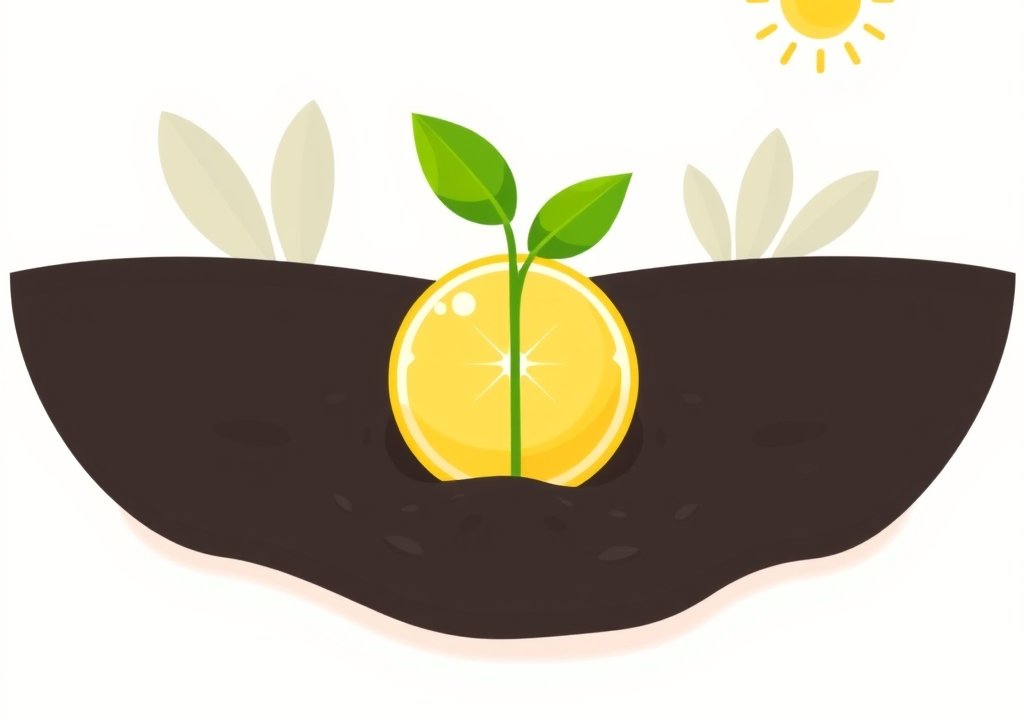
Fill small containers with damp seed-starting mix. Press each naked seed about half an inch deep into the soil. Cover the top of the pot with plastic wrap to trap humidity. Place the container in a warm spot, such as the top of a refrigerator. Check the pots daily for signs of life. Once green shoots break the soil surface, remove the plastic cover immediately.
How to Pot Your Sprouted Lemon Seeds
When tiny green leaves appear, the seedling needs access to light. Move the small pot to a sunny windowsill or place it under a grow light. As the stem thickens, the initial pot might feel too cramped. Transfer the young plant into a slightly larger container with fresh potting soil. Always check that the new pot drains excess water freely. Citrus roots rot quickly if they sit in standing water at the bottom of a container.
Essential Care Tips for Young Lemon Seedlings
Watering and Moisture Control
Young citrus plants prefer soil that stays evenly moist. Water the pot thoroughly whenever the top inch of soil feels dry to the touch. Pour water slowly until it runs out of the drainage holes. Empty the saucer beneath the pot so the roots never sit in runoff. Avoid watering on a strict schedule. Soil drying times change based on indoor heat and humidity levels.
Lighting and Temperature Needs
Lemon seedlings thrive in bright, indirect light for most of the day. A south-facing window usually provides enough sunshine during standard daylight hours. Keep the plants away from cold drafty windows and hot heating vents. Room temperatures between seventy and eighty degrees support steady growth. Rotate the pot every few days so the stem grows straight. Plants naturally lean toward the light source if left in one position.
Common Challenges When Growing Lemons from Seed
Growing citrus indoors comes with a few common obstacles. Mold often forms on the soil surface if the humidity dome stays on too long. Remove the plastic wrap as soon as green shoots appear to improve air circulation. Another frequent issue is slow growth during darker winter months. Seedlings often pause their growth when indoor light levels drop. That said, patience remains the most important tool for any grower.
Frequently Asked Questions
Can I plant seeds straight from a store-bought lemon?
Yes, seeds taken directly from fresh grocery store lemons sprout very well. Just ensure the seeds are plump and undamaged before putting them in soil.
How long do lemon seeds take to sprout?
Sprouting usually takes anywhere from two to four weeks. Warm temperatures and moist soil help speed up the process.
Do lemon trees grown from seed produce fruit?
Trees grown from seed can take many years to mature. Even then, they rarely produce fruit that tastes like the parent lemon.
What kind of soil is best for potted lemon seedlings?
A light, well-draining seed-starting mix works best for early germination. Later, transition the plant to a standard citrus or potting mix.
Should I use fertilizer on my new lemon sprouts?
Wait until the seedling grows several sets of true leaves before adding fertilizer. Young roots are very sensitive and burn easily from strong nutrients.
Conclusion
Starting a small citrus project is a fun way to test basic gardening skills. While these plants make lovely green houseplants, fruit production is rare. Clean seeds, warm soil, and bright light give every sprout a strong start. With basic care, any beginner can successfully grow a healthy lemon seedling.

Hi, I’m Mary, the founder of GardenCure.com. I’m passionate about creating healthy, beautiful gardens and well-kept lawns. I share practical experience and trusted advice on garden and lawn gear that truly works. With the support of my dedicated research team, our writers produce honest, in-depth reviews using reliable, authentic sources—helping you choose the right tools with confidence for your outdoor space.