How To Care For A Spider Plant
Key Takeaways
- Spider plants thrive in bright, indirect light and well-draining soil.
- Water the plant only when the top couple of inches of soil feel dry.
- Keep temperatures moderate and protect the plant from cold drafts.
- Repot every couple of years when roots outgrow the current container.
Why Spider Plants Are Great for Beginners
Learning how to care for a spider plant is a rewarding entry point into indoor gardening. These resilient houseplants forgive occasional neglect and adapt well to various indoor environments. Because of this, they remain a top choice for offices, dorm rooms, and homes with minimal natural light.
In this article
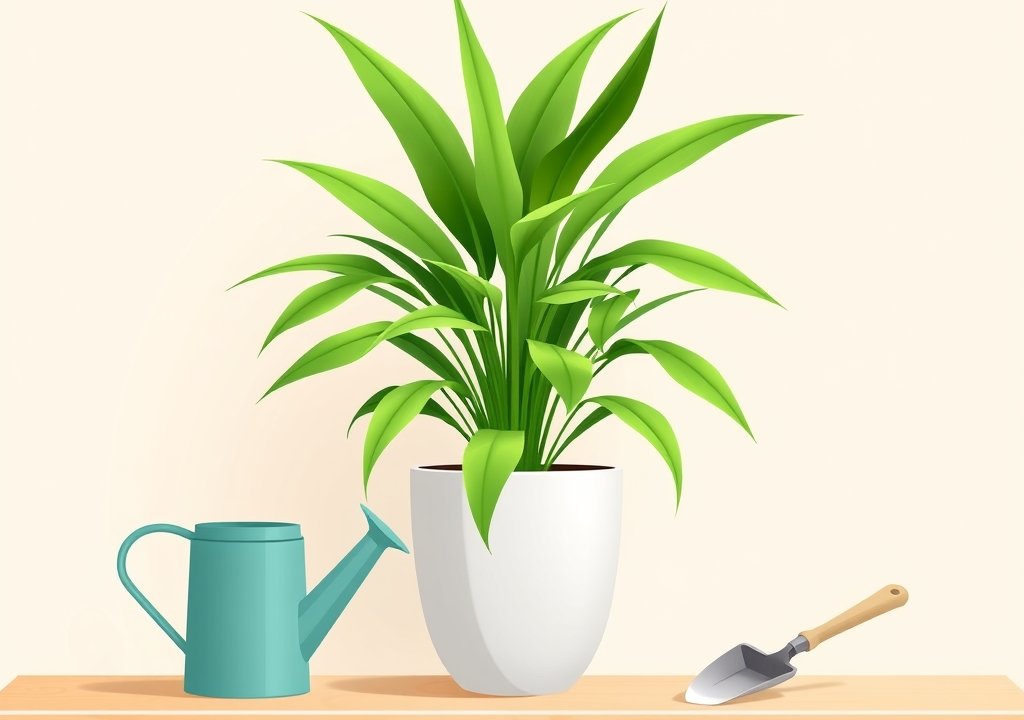
Botanically known as Chlorophytum comosum, this species features arching green and white striped leaves. Over time, mature plants produce long stems that bear tiny white flowers and small plantlets. These baby offsets give the plant its common name and offer an easy way to grow new greenery.
New plant owners often appreciate how straightforward the maintenance routine is. Unlike fussy tropical species, spider plants do not demand strict schedules or constant attention. Even so, learning their basic preferences prevents common issues like brown tips or root rot.
This guide covers all the essential aspects of houseplant maintenance. Readers will learn about ideal lighting, proper watering techniques, and simple troubleshooting steps. By following these practical guidelines, anyone can keep their indoor foliage looking vibrant and healthy.
Ideal Indoor Conditions for Spider Plant Care
Setting up the right environment forms the foundation of successful indoor gardening. Spider plants originate from tropical and subtropical regions of Africa, yet they adjust easily to typical living room conditions. Replicating their natural habitat indoors helps prevent stress and encourages steady leaf growth.
Location matters significantly when placing a new houseplant in the home. Rooms with stable temperatures and gentle airflow prevent sudden shock to the foliage. Placing the container too close to heating vents or air conditioners often leads to dry, brittle leaves.
Next, consider the layout of the living space and where natural light enters through the windows. Most rooms offer suitable spots if owners avoid harsh midday sunbeams. Simple adjustments to plant placement often solve minor growth issues within a few weeks.
Maintaining a balanced environment takes very little effort once the initial spot is chosen. Observing how the foliage responds to the surroundings provides the best clues for making adjustments. Consistent conditions ultimately lead to a thriving, low-maintenance houseplant.
Light Requirements
Spider plants prefer bright, indirect sunlight to maintain their vibrant coloration. Placing them near a north-facing or east-facing window usually provides the ideal balance of brightness and safety. Direct sunbeams through a south-facing window can easily scorch the delicate leaves.
On the other hand, dim corners with very low light cause the foliage to fade and slow down growth. If natural light is scarce in a room, fluorescent or LED grow lights serve as a helpful substitute. Finding a spot with gentle, filtered brightness keeps the plant happy.
Variegated varieties, which feature white stripes along the green leaves, need adequate light to keep their pattern distinct. When kept in too much shade, the new growth often turns entirely green. Balancing light exposure preserves the unique visual appeal of the foliage.
Temperature and Humidity
Standard household temperatures between sixty and eighty degrees Fahrenheit suit these resilient plants best. Extreme cold spells or sudden temperature drops outdoors should not reach indoor specimens near drafty window panes. Keeping the ambient temperature stable prevents leaf drop and stress.
Average home humidity levels are generally acceptable for spider plants, unlike delicate ferns that demand high moisture. Still, heating systems can dry out the indoor air significantly. During colder periods, setting the pot on a pebble tray filled with water helps boost surrounding humidity.
Avoid placing containers directly against cold glass or near hot radiators. Gentle air circulation prevents stagnant moisture around the base of the stems. Simple environmental stability ensures the foliage stays firm and green.
How Often to Water Your Spider Plant
Watering is the single most important task in houseplant maintenance. Many beginners struggle to find the right balance between keeping the soil hydrated and avoiding waterlogged roots. Establishing a reliable routine prevents the most common causes of plant decline.
Unlike desert succulents, spider plants enjoy moderate soil moisture throughout the growing season. However, they store water in their fleshy, tuberous roots beneath the soil surface. Because of this, they tolerate a short dry spell far better than constant soggy conditions.
Checking the soil before reaching for the watering can removes guesswork from the process. Pushing a finger two inches into the dirt reveals if the lower layers retain moisture. If the soil feels dry, it is time to hydrate the plant thoroughly.
Using the right technique ensures water reaches the entire root system evenly. Pouring room-temperature water over the soil until it trickles out the drainage holes works best. Always empty the saucer beneath the pot so the roots do not sit in standing water.
Watering Schedule and Soil Needs
Most indoor spaces require watering frequently during spring and summer. In contrast, growth slows down during autumn and winter, which means the watering interval stretches out. Observing the weight of the pot offers a quick clue; a dry pot feels noticeably lighter than a wet one.
Soil composition plays a major role in how moisture behaves around the root system. A standard, well-draining potting mix containing peat moss, perlite, and compost provides an ideal home. Heavy garden soil retains too much water and lacks the oxygen roots need to stay healthy.
Drainage holes at the bottom of the container are non-negotiable for houseplant health. Without proper drainage, excess water collects at the base and causes root rot. Picking a pot made of terracotta or plastic with open slots prevents moisture from trapping inside.
Preventing Common Watering Mistakes
Overwatering ranks as the leading reason indoor plants fail to thrive. When roots sit in constant moisture, they suffocate and decay, turning brown and mushy. Drooping stems and soft, yellowing leaves often signal that the soil holds too much water.
Underwatering creates different symptoms, such as dry soil pulling away from the edges of the pot. Leaves may curl inward, lose their crisp texture, and develop dry brown edges. Fortunately, a thorough soaking usually revives an underwatered specimen within a day.
Using tap water with high mineral content can also cause subtle damage over time. Fluoride and chlorine present in municipal water supplies often accumulate in the soil. Letting tap water sit overnight in an open container before use allows some chemicals to evaporate.
Fertilizing and Repotting Your Plant
Feeding and repotting support long-term vigor as the plant matures. While spider plants do not demand heavy fertilization, supplying extra nutrients during peak growth seasons encourages lush foliage. Knowing when to upgrade to a larger container keeps the root system from becoming restricted.
Houseplants grown in containers rely entirely on the available soil for nourishment. Over several weeks and months, watering depletes the natural minerals present in the potting mix. Replenishing these nutrients through careful feeding keeps the leaves glossy and strong.
Repotting also refreshes compacted soil that no longer absorbs moisture efficiently. Inspecting the root ball during this process reveals if the plant has outgrown its current home. Combining these tasks at the right time of year ensures minimal disruption to the plant.
Feeding Tips for Healthy Growth
Apply a balanced, water-soluble houseplant fertilizer periodically during spring and summer. Dilute the liquid fertilizer to half-strength to prevent chemical burn on sensitive roots. Stop feeding entirely during autumn and winter when the plant enters its natural resting phase.
Over-fertilizing causes more harm than good, often leading to salt buildup in the soil. White crusts forming on the top layer of dirt or leaf tip burn indicate excessive nutrients. Flushing the soil with plain water once in a while clears out lingering mineral deposits.
Organic options, such as diluted liquid kelp or compost tea, offer a gentle alternative to synthetic fertilizers. These natural products nourish the beneficial microbes in the soil as well. Consistent, light feeding supports steady leaf production without overwhelming the system.
When and How to Repot
Spider plants grow relatively fast and often need a new container eventually. Signs that repotting is necessary include roots emerging from the drainage holes or pushing the plant upward. Thick tubers pressing against the sides of plastic pots may even crack the container.
Pick a new pot that is only one or two inches wider in diameter than the previous one. Moving into a massive container increases the risk of overwatering because extra soil holds too much moisture. Ensure the new pot features reliable drainage holes at the base.
Gently ease the plant out of its old container by tilting it sideways and supporting the base. Tease out tangled roots with fingers to encourage them to spread into the fresh soil. Fill the gaps with a fresh potting mix and press down lightly to secure the stem.
Troubleshooting Common Plant Problems
Even with attentive care, indoor plants occasionally display signs of distress. Identifying visual symptoms early helps owners correct environmental issues before permanent damage occurs. Most common problems stem from lighting imbalances, watering errors, or dry indoor air.
Checking the foliage regularly allows for quick intervention when pests or nutrient deficiencies appear. Simple adjustments to the watering routine or room location often restore vitality within a short period. Patience remains essential during the recovery process.
Knowing what healthy foliage looks like establishes a baseline for comparison. Normal growth includes firm, upright leaves with distinct coloration and steady center production. Any deviation from this standard prompts a closer look at the care routine.
Brown Leaf Tips
Brown, crispy leaf tips represent the most frequent complaint among spider plant owners. This cosmetic issue usually results from low humidity, underwatering, or chemical sensitivity to tap water. Trimming the dead tips off with clean scissors restores a neat appearance.
Switching from chlorinated tap water to distilled or rainwater often stops further tip burn from developing. Increasing humidity around the plant through misting or pebble trays also helps. Addressing these environmental factors keeps new growth green and soft.
Yellow Leaves and Pests
Yellowing leaves typically point toward overwatering and poor soil drainage. When lower leaves turn yellow and feel mushy, reduce watering frequency immediately and check for root rot. Remove decaying leaves promptly to prevent fungal issues from spreading.
Pests such as spider mites and mealybugs occasionally target indoor foliage, especially in dry winter air. Tiny webs on the undersides of leaves or white cottony spots indicate an infestation. Wiping down the foliage with a damp cloth or applying insecticidal soap resolves the issue effectively.
Frequently Asked Questions
Why are my spider plant leaves turning brown at the tips?
Brown leaf tips usually result from dry indoor air, underwatering, or chemicals found in tap water. Switching to filtered water and increasing humidity around the plant helps prevent this issue. You can safely trim the brown tips off with clean scissors for a neat look.
How often should I water a spider plant?
Water your plant frequently when the top two inches of soil feel dry to the touch. Reduce the watering frequency during autumn and winter when the growth slows down. Always empty excess water from the drainage saucer to protect the roots.
Do spider plants need direct sunlight?
No, direct sunlight can easily burn and scorch the delicate leaves of a spider plant. They prefer bright, indirect light near an east-facing or north-facing window. Too much shade causes their leaves to fade and lose their variegation.
Are spider plants safe for cats and dogs?
Yes, spider plants are non-toxic to cats, dogs, and horses, making them a pet-friendly houseplant choice. However, cats are often attracted to the dangling leaves and may chew on them. While harmless, nibbling can damage the foliage, so keeping the plant out of reach is wise.
How do I propagate baby spider plants?
Mature plants produce small offsets on long stems that are easy to root in water or soil. You can snip off a baby plantlet that has small bumps at its base and place it in a glass of water until roots form. Once roots grow an inch long, transplant the cutting into a small pot with fresh soil.
Conclusion
Caring for a spider plant is a straightforward and satisfying experience for indoor gardeners at any skill level. Providing bright, indirect light, balanced watering habits, and well-draining soil keeps these resilient houseplants thriving. Monitoring environmental factors like humidity and temperature prevents most common problems.
With minimal effort, these adaptable plants reward owners with lush foliage and charming baby plantlets. Applying the basic principles outlined in this guide ensures a healthy, attractive addition to any indoor space.
Enjoy the process of watching your indoor garden grow.
Hi, I’m Mary, the founder of GardenCure.com. I’m passionate about creating healthy, beautiful gardens and well-kept lawns. I share practical experience and trusted advice on garden and lawn gear that truly works. With the support of my dedicated research team, our writers produce honest, in-depth reviews using reliable, authentic sources—helping you choose the right tools with confidence for your outdoor space.