How to Get Rid of Nutsedge?
If you’ve ever looked at your lawn and noticed some weird, tall grass-like plants poking through that look different from everything else, you might be dealing with nutsedge. This is one of the most annoying weeds you can encounter. The good news? You can kill it. The bad news? It takes some work and patience. But don’t worry—we’re going to walk you through exactly how to handle it.
In this article
What Is Nutsedge Anyway?
Let’s start with the basics. Nutsedge is a weed that looks like grass, but it’s not grass at all. It’s actually a sedge, which is a totally different type of plant. The reason it’s called “nutsedge” is pretty cool—it grows these little nut-like tubers underground. These little nuts are like its survival kit. They help the plant come back again and again, which is why it’s so hard to kill.
Nutsedge has a few different names depending on where you live. Some people call it nutgrass. Others call it cyperus. You might also hear it called yellow nutsedge or purple nutsedge. No matter what you call it, it’s annoying.
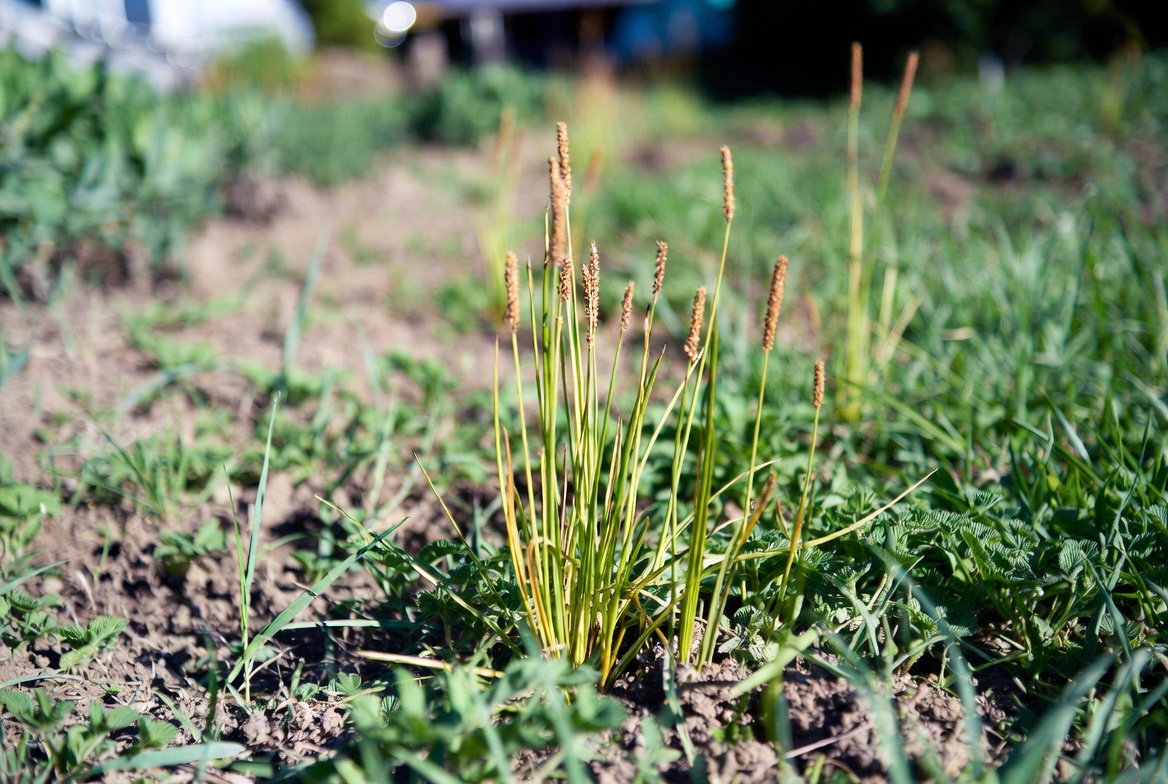
The plant itself grows tall and skinny. It grows faster than your regular grass. The leaves are narrow and triangular. If you look at the stems, they tend to be three-sided instead of round like normal grass. At the top, you’ll see a little yellow or purple flower head that looks kind of like tiny corn on the cob. That’s how you spot nutsedge weeds in your yard.
Why Is Nutsedge So Hard to Kill?
Here’s the thing about nutsedge that makes it such a pain: those little tubers underground. If you just pull the weed out, you’re only removing the part above ground. The tubers stay in the soil. A few days or weeks later, new shoots come up from those tubers. It’s like the weed is playing whack-a-mole with you.
The tubers can stay alive in your soil for a long time. We’re talking years. They sit there in the dirt just waiting for the right conditions to sprout. This is why killing nutsedge isn’t a one-time job. You need a plan that actually breaks this cycle.
Nutsedge also spreads through the tubers moving around in the soil. Heavy rain or watering can move the tubers from one spot to another. Digging and tilling actually make things worse because you’re breaking up the tubers and spreading them all over your yard. This is a key point—if you dig up nutsedge, you might be helping it spread.
The Best Ways to Kill Nutsedge
Digging Out Nutsedge (The Manual Method)
If you only have a few plants, you can try to dig them out. This works, but you have to be thorough. Here’s what you need to know.
First, you need to get all the tubers. Dig down at least six inches. The tubers are small, so you need to look carefully. Use a shovel or a special weeding tool. Get everything you can find. Once you’ve dug out the plant and the tubers, put them in a trash bag. Don’t compost them. Don’t leave them in a pile where they might grow back.
The problem with digging is that you’ll almost always miss some tubers. One tiny tuber left behind, and you’re starting all over. This is why digging works better for small patches. If your whole lawn is full of nutsedge, digging will take forever.
Also, early in the growing season is the best time to dig. The plants are smaller, and the tubers haven’t had time to make lots of babies yet. Wait until summer, and you’ll have way more tubers to deal with.
Herbicides: The Chemical Approach
If you want to kill nutsedge faster, herbicides are your friend. There are two main types: selective and non-selective.
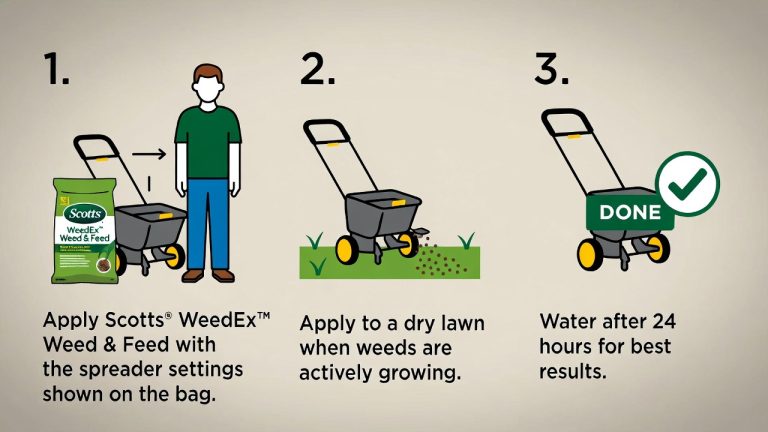
Selective herbicides are made to kill nutsedge without hurting your lawn. They’re great because you can spray them right on your grass, and only the nutsedge dies. Look for herbicides that contain fluridone. This is a common active ingredient for nutsedge control. Halosulfuron is another one that works well.
Here’s how to use them: spray on a dry day. Make sure rain isn’t coming for at least a few hours after you spray. Apply it directly to the nutsedge plants. Follow the instructions on the bottle. Some herbicides need you to spray more than once. You might need to wait a few days and spray again.
Non-selective herbicides will kill anything they touch. Glyphosate is the most common one. It kills the plant dead, but it also kills your grass if you’re not careful. Use these in spots where you have nutsedge but no grass you want to save. Spray it directly on the weeds and be careful not to let it drift onto plants you care about.
One important thing: herbicides work best when the nutsedge is actively growing. Spring and early summer are ideal. In late summer and fall, the plant moves energy down to the tubers to prepare for next year. At that point, herbicides don’t work as well because they target the leaves and stems.
The Smothering Method
This method takes time, but it works. The idea is simple: cover the nutsedge area with something thick so no light reaches the plant. No light means no photosynthesis. No photosynthesis means the plant dies.
Grab some newspaper or cardboard. Lay it thick over the area with nutsedge. We’re talking at least 10 sheets of newspaper or a layer of cardboard. Wet it down so it stays in place. Then cover it with wood chips or mulch. Make the mulch layer thick—at least 3 to 4 inches.
Leave this down for at least a few months. The longer you leave it, the better. By the time you remove it, the nutsedge should be completely dead. The tubers might still be alive in the soil, so you might see new shoots pop up next year. When that happens, you can repeat the process or use another method.
The downside is that you can’t use this space during the waiting period. But if you have a problem area that you’re not using right now, this is a cheap and easy fix.
Boiling Water
This is the simplest method on the list. Boil a big pot of water. Pour it right on the nutsedge. The heat kills the plant. You might need to do this a few times to get all the tubers.
The problem is that boiling water also kills your grass and anything else it touches. So use this only in cracks in sidewalks, driveways, or other spots where you don’t care if everything dies. It works great for nutsedge in gravel or mulch beds where you want to be aggressive.
Also, be careful not to splash yourself. Boiling water is no joke.
Vinegar Spray
Some people swear by vinegar for killing weeds. Here’s the deal: vinegar with high acidity can burn down the leaves of the plant. Regular vinegar from your kitchen might not be strong enough. You want horticultural vinegar with at least 20% acidity.
Spray it directly on the nutsedge leaves on a sunny day. The sun helps the vinegar work better. You’ll see the plant turn brown and die back. The problem is that this only kills what’s above ground. The tubers stay alive. So you’ll need to follow up with another method, or you’ll see the plant come back.
Vinegar works best as part of a combo attack. Use it to kill the above-ground part, then follow up with something else to stop the tubers.
Flame Weeding
If you really hate nutsedge and want to watch it burn, flame weeding is for you. You use a propane torch to blast the plant with heat. The extreme temperature kills the cells in the plant. It’s actually pretty satisfying to watch.
The catch is that flame weeding doesn’t always kill the tubers underground. You might kill the plant, but new shoots come up later. Also, you have to be super careful not to burn down your house or your shed or anything else you care about. This method works best in areas away from buildings and where there aren’t other plants nearby.
Combining Methods for Better Results
The real secret to getting rid of nutsedge for good is using more than one method. Here’s why: nutsedge is tough because of those tubers. One method might kill the plant, but the tubers survive. By combining methods, you attack the plant from multiple angles.
Here’s a good combo plan:
Step One: Use a selective herbicide to kill the leaves and stems. This weakens the plant and reduces its energy.
Step Two: Wait about two weeks. The plant tries to recover and send up new shoots.
Step Three: When you see new growth, spray again. You’re wearing down the tuber’s energy reserves.
Step Four: Keep repeating steps two and three for the whole growing season. Each time the plant tries to come back, it gets a little weaker.
Step Five: Next year, if you see any shoots, repeat the process. Most of the tubers should be dead by now.
Another combo approach:
Step One: Dig out what you can by hand.
Step Two: Cover the area with cardboard and mulch.
Step Three: After a few months, remove the cover and see what’s left.
Step Four: Any new growth you see, spray with herbicide.
This method takes longer, but you’re less likely to miss anything because you’re using multiple strategies.
Making Your Lawn Tough Enough to Resist Nutsedge
Here’s something most people don’t think about: a healthy, thick lawn resists weeds better. If your grass is weak and thin, nutsedge moves in easier. So prevention is huge.
Keep your grass thick and healthy by:
Mowing at the right height: Don’t cut your grass too short. Longer grass shades the soil and makes it hard for weeds to get established. Check what height your grass type prefers, but generally, 2.5 to 3.5 inches is good.
Watering deeply but not too often: Water deep to encourage deep roots. Don’t water every day because that keeps the soil wet and creates ideal conditions for weeds. Water less often but for longer periods.
Feeding your grass: Healthy grass that gets the nutrients it needs grows thick and strong. Use a lawn fertilizer appropriate for your grass type and follow the directions.
Aerating: This loosens the soil and helps water and air reach the grass roots. Do this once a year, usually in spring or fall.
Overseeding: Spread new grass seed on thin areas. Thick grass crowds out space where weeds would otherwise grow.
Keeping the soil balanced: Get your soil tested. If the pH is wrong or if you’re missing certain nutrients, grass suffers. Fix the soil, and your grass gets stronger.
When your lawn is thick and healthy, new nutsedge plants have a hard time getting established. It’s like a weed can’t find a good spot to set up shop.
What About Nutsedge in Garden Beds?
Nutsedge doesn’t just show up in lawns. It loves garden beds too. The approach is a bit different in a garden because you don’t want to harm your vegetables or flowers.
In garden beds, hand digging works well. Just be careful not to disturb your plants too much. Get down there and dig out every tuber you can find. It’s tedious, but it’s safe.
If you have a big garden bed full of nutsedge and you’re planning to replant it anyway, you can cover it with cardboard and mulch for a season. By the time you’re ready to plant, the nutsedge should be mostly gone.
For a few scattered plants in the bed, spot-spray with a non-selective herbicide. Drape plastic over your good plants so they don’t get hit, then spray the nutsedge. Remove the plastic after the spray dries.
Mulch helps in gardens too. A thick layer of mulch on top of the soil keeps new nutsedge seeds from sprouting and makes it harder for tubers to push through.
Seasonal Timing Matters
Getting the timing right really helps when you’re fighting nutsedge. Here’s what the plant does throughout the year:
Spring: Nutsedge wakes up and starts growing. This is a good time to hit it with herbicides because the plant is in growth mode and the chemicals work better. This is also a decent time to dig.
Early summer: The plant is growing fast and strong. Herbicides still work well. This is peak season for nutsedge problems.
Mid to late summer: The plant is mature and strong. It’s still a good time for herbicides, but the plant is also moving energy to the tubers, so treatments become less effective.
Fall: The plant dies back. Herbicides don’t work well because there’s not much green plant to attack. But this is a good time for digging because the tubers are visible and easier to find.
Winter: In most places, nutsedge is dormant. Not much to do except plan your strategy for next year.
The best overall time to fight nutsedge is spring through mid-summer. Hit it hard during this window and you’re much more likely to succeed.
Keep Track of What Works
When you’re battling nutsedge, start keeping notes. Write down what method you used, when you used it, and how it worked. This helps you figure out what works best in your specific yard with your specific conditions.
Some yards have heavy nutsedge problems. Others have just a few scattered plants. Your soil type, climate, and the health of your existing lawn all affect which method will work best. By tracking what you do and the results, you learn what works for you.
Don’t Give Up
Here’s the real talk: getting rid of nutsedge takes patience. You’re not going to spray something once and have it gone forever. If someone tells you otherwise, they’re fibbing. Real success means staying on top of it for a whole season or even longer.
But don’t lose hope. Every time you hit it with a treatment, you’re weakening those tubers. They have limited energy reserves. Each time the plant tries to recover and you kill it again, those reserves get smaller. Eventually, the tubers run out of energy and die for good.
The key is consistency. Pick your method or your combo of methods and stick with it. Don’t skip treatments because you got busy. The more pressure you apply, the faster you win.
Common Mistakes People Make
Let’s talk about what not to do:
Mistake 1: Just pulling it out. Pulling removes the top of the plant but leaves the tubers. You’re wasting your time if you think this solves anything.
Mistake 2: Tilling or deep digging in a large area. This spreads tubers everywhere. You’ll end up with more nutsedge than you started with.
Mistake 3: Only treating once. One application of herbicide won’t cut it. You need multiple treatments over time.
Mistake 4: Treating in fall when the plant is dying back. Herbicides work best when the plant is actively growing. Late-season treatment is less effective.
Mistake 5: Ignoring the rest of your lawn. If your grass is weak, nutsedge will keep coming back. Build up your grass health while fighting the weed.
Mistake 6: Composting nutsedge plants. Those tubers can survive composting and spread to wherever you use the compost. Always throw nutsedge in the trash.
When to Call a Professional
If your entire lawn is covered in nutsedge, or if you’ve been fighting it for a long time with no progress, it might be time to bring in a professional. Lawn care companies have access to professional-grade herbicides and equipment that work better than what you can buy. They also have experience knowing exactly when and how to treat.
This costs money, but sometimes it’s worth it to save yourself the hassle and frustration.
The Bottom Line
Nutsedge is annoying, but you can beat it. Whether you choose to dig, spray with herbicide, smother it, or use a combination of methods, the key is sticking with it. Your lawn didn’t get overrun with nutsedge overnight, and it won’t be cleared overnight either.
But here’s what you now know that a lot of people don’t: nutsedge dies when you attack it consistently over time. Those tubers have limits. Keep the pressure on, and eventually they run out of steam.
Start with one method that fits your situation. If it’s not working as well as you’d like after a few weeks, add another method to the mix. Track what you do and how it works. Be patient. Before long, you’ll look at your lawn and notice that the nutsedge is getting better, not worse.
And that’s the moment when all the work feels worth it.
Quick Reference: Nutsedge Removal Methods at a Glance
- Hand digging: Best for small areas. Dig deep. Remove all tubers. Dispose in trash.
- Selective herbicide: Best for lawns. Use halosulfuron or fluridone. Apply when plant is actively growing. May need multiple applications.
- Non-selective herbicide: Best for problem areas with no grass to save. Glyphosate works well. Use carefully to avoid damaging desired plants.
- Smothering: Best for areas you’re not using right now. Takes months. Cheap and effective.
- Boiling water: Best for hardscape areas. Fast and immediate. Be careful of hot water splash.
- Vinegar spray: Best as part of a combo approach. Kills above-ground parts. High-acidity vinegar works better.
- Flame weeding: Best for small isolated plants. Satisfying but requires caution. May not kill tubers.
- Lawn health: Best ongoing strategy. Thick, healthy grass resists weeds naturally.
The next time you see that weird triangular-stemmed plant poking up through your grass, you’ll know exactly what it is and what to do about it. Get started today, and by next season, you’ll be enjoying a healthier, nutsedge-free lawn.

Hi, I’m Mary, the founder of GardenCure.com. I’m passionate about creating healthy, beautiful gardens and well-kept lawns. I share practical experience and trusted advice on garden and lawn gear that truly works. With the support of my dedicated research team, our writers produce honest, in-depth reviews using reliable, authentic sources—helping you choose the right tools with confidence for your outdoor space.