How To Get Rid Of Armadillos
Key Takeaways
- Armadillos visit yards mainly to find insects and grubs, so reducing food sources is the first step.
- Many places protect armadillos under local wildlife rules, so check the law before you trap or move one.
- Fencing, sealing burrow openings and motion-activated lights often work better than repellents alone.
- Poisons are risky for pets, children and wildlife, and they are often illegal to use.
- Patience matters, because results usually take weeks rather than days.
This article explains how to get rid of armadillos from a yard, garden or property. It covers why they visit, what signs to look for and which methods are practical for beginners. It also flags approaches with legal or safety concerns.
In this article
The goal is not to harm the animal. Most people simply want the digging to stop. With the right plan, you can discourage armadillos safely and lawfully.
What Armadillos Are and Why They Visit Yards
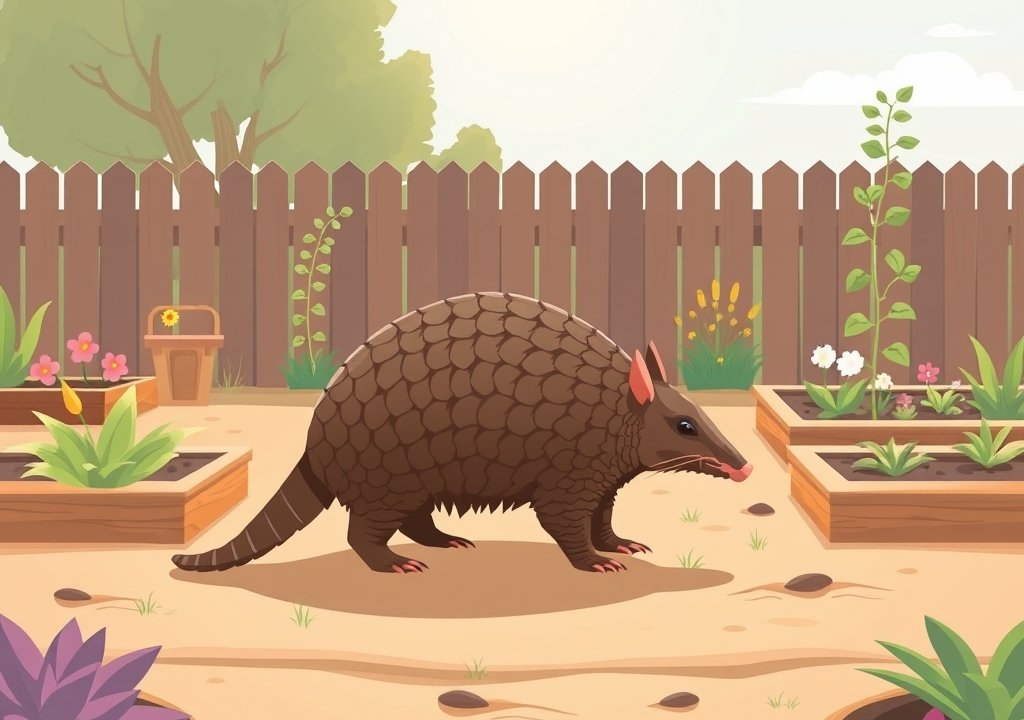
Armadillos are small, burrowing mammals with bony plates covering their bodies. They forage mostly at night, using strong claws to dig for food.
Common Armadillo Species Found in Gardens
The species most often seen in yards is the nine-banded armadillo. It is common in many southern parts of the United States and in parts of Central and South America.
Signs an Armadillo Has Moved In
The most common sign is small, cone-shaped holes in lawns and flower beds, where the animal has dug for insects. Look for burrow holes near fences, decks, sheds or tree bases. Tracks with five clawed toes on the front feet can confirm the visitor.
Why Yards Attract Armadillos
Armadillos follow their food. Grubs, beetle larvae, earthworms and ants are their main meals, so a lawn with heavy grub activity is especially appealing.
Moist, loose soil is easy to dig. Dense shrubs, woodpiles, debris and space under decks also give them cover from predators and weather.
Is an Armadillo a Pest or a Protected Animal?
Armadillos are often seen as a nuisance, but their status depends on where you live. Rules can differ between states, counties and countries. Some areas give them limited protection, while others have fewer restrictions.
Legal Rules and Local Wildlife Laws
Before you trap, move or remove an armadillo, check your local wildlife agency or state regulations. Some places restrict relocating wild animals, and others limit which traps or methods you may use.
Poisoning is a particular concern. Many poisons are regulated, and misuse can break the law. Always verify the rules in your area first.
When to Contact Animal Control or a Wildlife Professional
Contact animal control or a licensed wildlife professional if the animals are numerous, have dug under a building, or if you are unsure about the law. A professional can assess the situation and recommend lawful options.
Call for help if an animal appears sick, injured or unusually aggressive. Do not attempt to handle a visibly ill animal on your own.
Step-by-Step Ways to Discourage Armadillos
Most effective control combines several steps, since no single action usually solves the problem alone. Start with the simplest changes and add more as needed.
Remove Food Sources and Grubs
Grubs are the main draw, so reducing them is a strong first step. Pull back a small patch of turf to check. If you find many white, C-shaped larvae, treat the problem with a grub control product labeled for your lawn type and local use.
Keep the lawn healthy with proper watering and mowing. Remove leaf piles and debris where insects hide.
Secure Trash, Compost and Pet Food
Food left outside can attract armadillos and other wildlife. Store trash cans with tight-fitting lids, bring in pet food and bird seed at night, and pick up fallen fruit promptly.
Compost piles can draw insects and, in turn, armadillos. Use a sealed bin and keep food scraps out of open piles.
Fence Off Gardens and Flower Beds
A physical barrier is one of the most reliable ways to protect specific plants. Choose a fence that is sturdy and stays in place.
Fencing works best when it extends a few inches below the soil, because armadillos dig. Check the fence regularly for gaps.
Use Motion-Activated Lights and Sprinklers
Animals that forage at night often dislike sudden light or water. Place motion-activated lights and sprinklers near the areas they visit most.
Results vary, and some animals adjust over time. Move the devices now and then, and use them as one part of a wider plan.
Block Burrows Under Decks, Sheds and Patios
Burrows under structures can weaken foundations and create hazards. Fill holes with soil or gravel, and cover openings with hardware cloth or wire mesh buried a few inches deep.
Seal gaps under decks and sheds where possible. Blocking shelter makes the area less appealing for an armadillo to settle in.
Trapping and Exclusion Methods Explained
Trapping and exclusion take more effort than simple deterrents. They can work well, but they must be done carefully and within the law. Always confirm local rules first.
How Humane Live Traps Work
A humane live trap is a cage with a door that closes once an animal enters. It holds the animal without injuring it. Traps are usually baited with suitable food and placed along active paths or near burrows.
Check traps at least once a day so no animal stays confined for long. Release or transfer captured animals only as your local rules allow.
Exclusion Fencing and Barrier Installation
Exclusion keeps the animal out of a specific area rather than removing it. Fencing that extends into the soil and has a smooth top edge can help. Gates and openings should close securely.
Exclusion works best when combined with food reduction. Without food, the area becomes less attractive over time.
Mistakes Beginners Make When Trapping
A common error is leaving traps set for long periods without checking them. Another is using bait that attracts other animals, including pets. Beginners also sometimes move animals without knowing if it is legal.
Improper handling can cause stress or injury to both animal and person. When in doubt, ask a wildlife professional for guidance.
Repellents and Home Remedies: What Works and What Doesn’t
Many products and home remedies claim to repel armadillos, with mixed results. Knowing their limits helps you set realistic expectations.
Scent-Based Repellents and Their Limits
Some people use scented products, such as predator urine or strong-smelling granules, to discourage digging. These may offer short-term effects, and rain and time reduce their strength. Reapplication is often needed.
Scent products work best alongside barriers and food control. On their own, they rarely solve the problem for long.
Homemade sprays, such as pepper or vinegar, are also popular. Results vary, and some may irritate plants or soil. Test them on a small area first.
Why Chemical Poisons Are Risky and Often Illegal
Poisons can harm pets, children, birds and other wildlife. They can also contaminate soil and water. Many are restricted, and improper use can lead to fines.
Because of these risks, poisons are not recommended. Safer, lawful methods are almost always the better choice.
Comparing Methods: Which Approach Fits Your Yard?
The best method depends on your budget, time and goals. A small garden bed has different needs than a large property, so comparing options helps you find a sensible starting point.
Cost, Effort and Time Compared
Reducing food and securing trash are low in cost and effort, so they make good first steps. Fencing and burrow blocking need more materials and work. Trapping requires ongoing attention and may involve professional help.
Repellents and lights fall in between. They are usually inexpensive but need regular upkeep.
Short-Term Fixes Versus Long-Term Prevention
Short-term fixes, such as scent sprays, can offer quick relief but often fade. Long-term prevention, such as barriers and removing food sources, takes more planning but lasts longer.
A combined approach usually works best. Use quick measures for immediate relief and build lasting protection over time.
Safety Tips for You, Your Pets and the Armadillo
Safety matters whenever wildlife is involved. Careless handling can affect both people and animals, and simple precautions reduce the risk for everyone.
Handling Armadillos Safely
Avoid touching or picking up an armadillo with bare hands. Keep pets and children away from the animal. If you must handle a trap, wear gloves and keep your distance.
An armadillo that feels threatened may jump or scratch. Give it space and let it move away when possible.
Leprosy Concerns and Hygiene Basics
Nine-banded armadillos can carry the bacteria that cause leprosy, though human infection is rare and usually linked to close, prolonged contact. Washing hands after yard work and avoiding contact with the animal or its burrows lowers any risk.
Wash hands thoroughly after handling traps, soil near burrows or tools used around the animal.
Frequently Asked Questions
Do armadillos damage lawns and gardens?
Yes, armadillos can dig up lawns and flower beds while searching for insects. The holes may disturb plant roots. Damage is usually cosmetic but can add up over time.
Are armadillos dangerous to people or pets?
Armadillos are generally not aggressive, but they can scratch when cornered. Curious pets may get scratched or pick up parasites. Keep your distance and seek veterinary advice if a pet has contact.
Can I legally trap or relocate an armadillo?
The answer depends on your location. Some areas allow trapping and relocation under specific conditions, while others restrict it. Check with your local wildlife agency before acting.
How long does it take to see results from deterrents?
Results often take several weeks, sometimes longer. Consistent effort, such as removing food and maintaining barriers, usually speeds progress. Expect gradual change rather than an instant fix.
Will removing food sources alone solve the problem?
Removing food sources helps a great deal but may not solve the problem alone. Armadillos may still use the yard for shelter. Combining food control with barriers gives better results.
Conclusion
Managing armadillos usually means reducing food, blocking access and using lawful methods. Start with simple steps such as controlling grubs and securing trash. Add barriers and block burrows. Patience and a combined plan give the most reliable, humane results.

Hi, I’m Mary, the founder of GardenCure.com. I’m passionate about creating healthy, beautiful gardens and well-kept lawns. I share practical experience and trusted advice on garden and lawn gear that truly works. With the support of my dedicated research team, our writers produce honest, in-depth reviews using reliable, authentic sources—helping you choose the right tools with confidence for your outdoor space.