
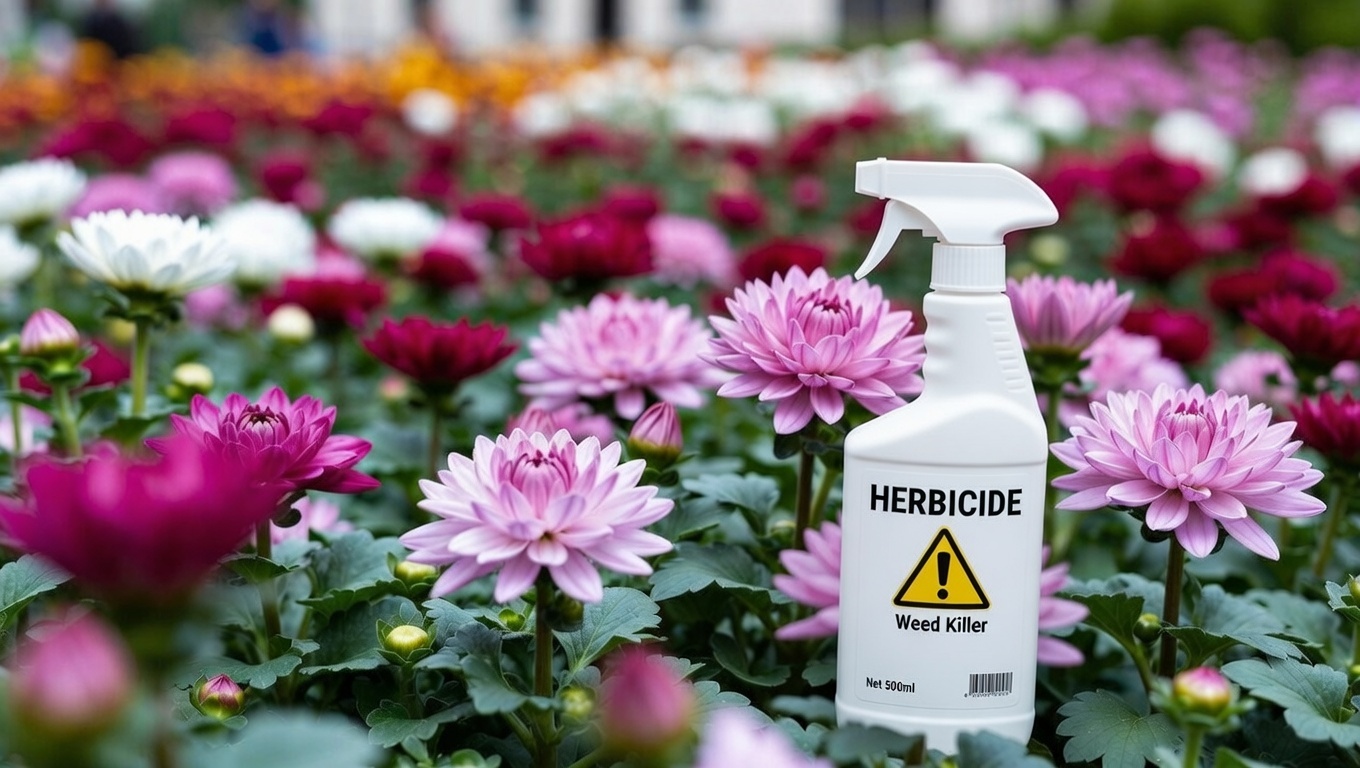
5 Best Herbicide for Flower Beds In 2026
Weeds are the worst kind of surprise in a flower bed.
In this article
You spend time planting, watering, and caring for your flowers — and then out of nowhere, dandelions, crabgrass, or chickweed start taking over. It feels like a losing battle. The good news? The right herbicide can make a massive difference.
But here is the tricky part: flower beds need special care. You cannot just spray anything and hope for the best. The wrong weed killer can harm your flowers, damage the soil, or leave behind residue that hurts future plantings. That is why picking the best herbicide for flower beds matters so much.
This article breaks down five popular weed killers that work well in and around flower beds. We cover what each product does, who it is best for, how easy it is to use, and whether it is actually worth buying. No fluff. No fake hype. Just real, practical information to help you make a smart decision.
By the end, you will know exactly which product suits your garden, your budget, and your comfort level.
Top Herbicide List
Why Flower Beds Need a Different Approach to Weed Control
Before we get to the products, it helps to understand why flower beds are different from lawns or driveways.
In a lawn, you spray broadly because the grass itself is tough. On a driveway, you do not care if the product kills everything — there is nothing to protect.
But in a flower bed, your plants are right next to the weeds. One wrong spray, and you could damage your roses, kill your perennials, or strip the ground of beneficial organisms.
This is why you need a weed killer that:
- Targets weeds without hurting surrounding ornamental plants
- Works on contact or absorbs into roots without spreading widely
- Is easy to apply with precision
- Comes in a ready-to-use form or has a simple spray system
Some products use natural ingredients like citric acid or clove oil. Others use chemical formulas like glyphosate. Each type has its place depending on what you are dealing with.
The key is matching the product to your specific weed problem — and your comfort level with chemicals.
Now let us look at the five products.
Product Reviews: Best Herbicide for Flower Beds
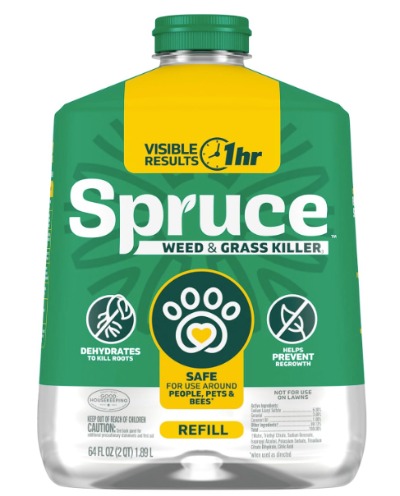
1. Spruce Weed Killer Refill – Versatile Weed & Grass Killer for Flower Beds, Driveways & Mulch Beds (64 oz)
Overall Rating: 4.4/5
What Is It?
The Spruce Weed Killer Refill is a concentrated formula designed for people who already have a Spruce spray system or plan to get one. It comes in a 64-ounce refill bottle and targets a wide range of common weeds — from dandelions and crabgrass to broad-leaf weeds in flower beds, mulch areas, and driveways.
The big selling point here is convenience. The tagline says it all: no pour, no mix, no mess. That means you do not have to measure out concentrate and mix it with water. You just connect the refill to your spray bottle and go.
Best Use Cases
- Flower beds with mixed weed problems
- Mulch beds where weeds keep coming back
- Along driveways, fences, and pathways
- Homeowners who want a cleaner refill system
Key Features Explained Simply
No-mix formula: Traditional concentrates make you measure and mix carefully. Spruce skips that. The refill plugs directly into the Spruce sprayer, which handles everything automatically.
Broad-spectrum weed control: It kills grass weeds like crabgrass along with broadleaf weeds like dandelions. That makes it versatile for flower beds with mixed weed types.
Works on mulch beds: Many herbicides do not work well through mulch. Spruce is designed to tackle weeds even in mulched areas — which is a huge plus if you keep your flower beds mulched year-round.
64-ounce bottle: That is a good amount for treating multiple areas around the yard without constant re-ordering.
Real-Life Usage Insight
Imagine you have a long flower bed along the front of your house. Dandelions are creeping in from the lawn edge, and some crabgrass has appeared near the mulch. You want to spot-spray without worrying about overspray hitting your rose bushes.
With Spruce, you can walk along the bed, aim precisely, and spray only what needs treating. The refill system means you are not dealing with a big jug, a funnel, and spilled concentrate on your shoes.
It is a practical daily-use option for people who garden regularly and want to keep things tidy without making chemical mixing into a whole project.
Pros
- Extremely easy to use with the refill system
- No measuring or mixing required
- Works across multiple surface types (flower beds, driveways, mulch)
- Good coverage with 64-oz bottle
- Kills both grass-type and broadleaf weeds
- Reduces mess and exposure to concentrated chemicals
Cons
- Requires the Spruce sprayer system — does not work as a standalone product
- May not be the most budget-friendly option if you do not already own the Spruce applicator
- Results on very established perennial weeds can be slower
Performance Discussion
Spruce performs well on annual weeds and young perennial weeds. For fresh growth and weeds that have not set deep roots, you will see wilting within a day or two. Thick, deeply rooted weeds like mature dandelions may need a second application.
In flower beds and mulch areas, users report good results when applying directly to weed leaves and stems. Avoiding overspray onto desired plants is easy thanks to the controlled spray system.
Ease of Use
This is where Spruce really shines. The no-pour, no-mix design removes the biggest barriers for beginner gardeners. If you find spray concentrates intimidating, this product takes almost all of that away.
Value for Money
The refill itself is reasonably priced, but keep in mind you need the Spruce sprayer to use it. If you invest in the full system, the refill packs become very cost-effective over time. For existing Spruce users, this is excellent value.
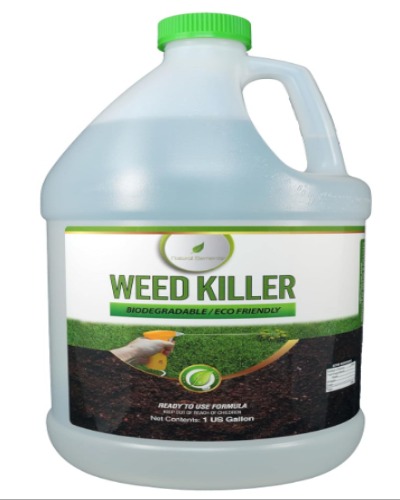
2. Natural Elements Weed Killer – Pet Safe, Safe Around Children, Natural Herbicide (1 Gallon)
Overall Rating: 4.3/5
What Is It?
Natural Elements Weed Killer is a ready-to-use, naturally derived herbicide made for people who want effective weed control without synthetic chemicals. It comes in a one-gallon bottle and is formulated to be safe around pets and children after it dries.
The formula uses natural active ingredients — typically a combination of citric acid, plant-derived oils, or similar organic compounds — to burn down weeds on contact. This makes it a popular choice for families with curious kids and dogs who roam the yard.
It is positioned as an alternative to conventional chemical herbicides, and it lives up to that promise in most situations.
Best Use Cases
- Households with pets or young children
- Organic or low-chemical gardens
- Flower beds where you want minimal chemical exposure
- Spot treatment on visible weeds
- Gardeners who prefer natural or eco-friendly products
Key Features Explained Simply
Pet and child safe: Once dry, the product is considered safe for kids and animals to walk through the treated area. This is a huge concern for many homeowners and it is one of the main reasons people choose this product.
Natural formula: No synthetic herbicides like glyphosate. The formula relies on naturally sourced acids and oils to kill weeds. This makes it appealing for people following organic gardening practices.
Ready to use: No mixing needed. Open the bottle, pour into a garden sprayer, and apply. It is as straightforward as weed control gets.
Works on a variety of weeds: Dandelions, clover, crabgrass, and most common lawn and garden weeds respond to this formula.
Real-Life Usage Insight
Picture a family garden with flower beds, a vegetable patch nearby, and a dog that spends most of the day outside. The last thing you want is to spray a chemical weed killer and then worry every time your dog sniffs around the flower bed.
Natural Elements solves this. You spray the weeds in the morning, it dries within a few hours, and your dog can be back in the garden by afternoon. The peace of mind alone makes this product worth considering for pet owners.
It also works well for parents of toddlers who tend to wander into garden areas. Knowing the product is derived from natural ingredients takes a lot of stress out of yard maintenance.
Pros
- Safe around pets and children after drying
- Natural formula — no synthetic active ingredients
- Ready to use straight from the bottle
- Works on a wide range of common weeds
- Good for eco-conscious gardeners
- Pleasant to use — less harsh fumes compared to chemical herbicides
Cons
- Does not kill deep-rooted perennial weeds as effectively as chemical options
- May require reapplication for stubborn weeds
- Burns down visible growth but may not kill roots completely
- Works best on younger, smaller weeds
- Not ideal for large-scale weed infestations
Performance Discussion
Natural Elements performs best as a contact killer. It burns the leaves and stems of weeds on contact, causing them to wilt and die. On annual weeds and young growth, it works quickly — often showing results within 24 to 48 hours.
For mature perennial weeds with deep root systems, results are less consistent. The product may kill the above-ground growth but leave roots intact, meaning the weeds can come back. You may need multiple applications spaced a week or two apart.
That said, for regular maintenance spraying on a flower bed — hitting new weed growth early before it establishes — this product is quite effective.
Ease of Use
Very easy. Ready-to-use means you just pour it into your sprayer and go. No mixing, no concentration ratios to memorize. The one-gallon bottle gives you plenty to work with.
Value for Money
Slightly more expensive per ounce than some chemical alternatives, but the safety profile justifies the cost for many buyers. For families with pets and kids, the peace of mind is genuinely worth it. Good value if you fit the target audience.
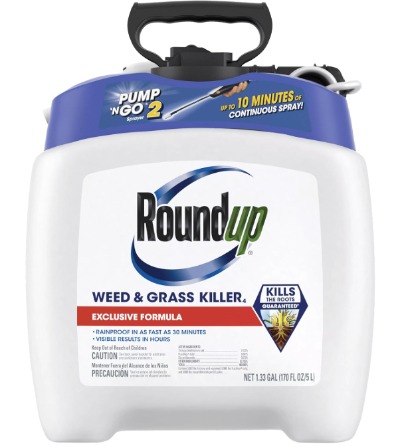
3. Roundup Weed and Grass Killer with Pump ‘N Go 2 Sprayer, 1.33 Gallon
Overall Rating: 4.5/5
What Is It?
Roundup is one of the most well-known names in weed control. The Pump ‘N Go 2 Sprayer version comes with everything you need right in the package — a 1.33-gallon ready-to-use bottle with a built-in pressurized sprayer that you pump up before use.
This is the heavy-duty option in the lineup. Roundup’s formula uses glyphosate as the active ingredient, which is a systemic herbicide. That means it does not just kill the top of the weed — it travels down into the root system and kills the plant from the inside out.
For stubborn, established weeds in flower beds, this is often the most effective choice.
Best Use Cases
- Established or persistent weed infestations
- Areas around trees and shrubs where weeds keep coming back
- Flower beds with deep-rooted weeds like bindweed or thistles
- People who want a one-and-done treatment rather than repeated spraying
- Large flower beds or landscape borders that take time to treat manually
Key Features Explained Simply
Pump ‘N Go sprayer: You pump the handle a few times to build pressure, and then spray with a continuous stream without squeezing the trigger repeatedly. This is much easier on the hand compared to standard trigger sprayers — especially if you have a large area to cover.
Systemic formula: Unlike contact killers that only burn the leaves, glyphosate travels through the plant and kills the root. This leads to more complete and longer-lasting weed elimination.
Use in and around flower beds: Roundup is designed for targeted application. You can spray directly on weeds near your flowers as long as you avoid getting it on the plant leaves or stems you want to keep.
1.33-gallon size: A large volume that covers a lot of ground. Good for gardeners with extensive beds or multiple problem areas around the yard.
Fast acting: Visible wilting typically begins within hours, with full kill in one to two weeks.
Real-Life Usage Insight
Say you have a flower bed along the side of your house that has been overrun with bindweed. It keeps coming back no matter how often you pull it. Every spring it is back, wrapping around your lily stems and strangling smaller plants.
Roundup with the Pump ‘N Go is built for this scenario. You pressurize the sprayer, walk along the bed, and precisely treat each weed. Because glyphosate is systemic, it works its way down to the root — which is the only real way to stop bindweed long-term.
The ergonomic sprayer is a game-changer too. Traditional trigger bottles cause hand fatigue fast. With this system, you can treat a large bed without stopping every few minutes to rest your grip.
Pros
- Systemic formula kills roots — not just visible growth
- Pump ‘N Go sprayer is easy on the hands and provides consistent pressure
- Very effective on established, deep-rooted weeds
- Ready to use — no mixing
- Large 1.33-gallon bottle covers a lot of area
- Widely available and well-tested product
- Results are fast and reliable
Cons
- Contains glyphosate — not suitable for households wanting chemical-free options
- Must avoid contact with desirable plants — will kill anything it touches
- Not safe for children or pets until fully dry
- Some environmental concerns associated with glyphosate use
- Overkill for small weed problems or light maintenance
Performance Discussion
Roundup is consistently one of the top-performing herbicides available to home gardeners. The systemic action means weeds do not just look dead — they actually die at the root, which greatly reduces regrowth.
In flower beds, precision is critical. The Pump ‘N Go sprayer helps you apply it accurately. Keep the nozzle close to the target weed and avoid windy days. With careful application, you can treat weeds right next to your flowers without causing damage.
Results are visible within a day or two, with full kill over seven to fourteen days.
Ease of Use
The Pump ‘N Go system sets this product apart from basic spray bottles. Pumping the handle a few times provides consistent spray pressure, and the wand gives you reach and aim control. It is one of the most user-friendly herbicide applicators on the market in this price range.
Value for Money
The 1.33-gallon size offers solid value per ounce. Considering the effectiveness and the included sprayer, this is a strong value purchase — especially for gardeners dealing with persistent weed problems.
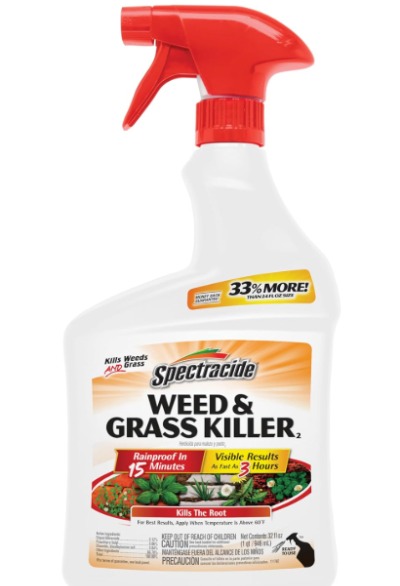
4. Spectracide Weed & Grass Killer 2 – 32 fl oz Spray
Overall Rating: 4.2/5
What Is It?
Spectracide Weed & Grass Killer 2 is a compact, ready-to-use spray bottle that handles weed control in flower beds, around trees, and along walkways and driveways. The 32-ounce size makes it a grab-and-go option for quick treatments.
The formula is a non-selective contact and systemic killer, meaning it kills what it touches and gets into root systems for longer-lasting control. It is designed for use on driveways, walkways, and around decorative trees — but also works well for targeted weed removal in flower beds.
Best Use Cases
- Quick spot treatments in flower beds
- Weed control along walkways and driveway edges
- Around trees in landscaped areas
- Occasional-use gardeners who do not need a gallon-sized bottle
- Budget-conscious buyers who want effective weed control
Key Features Explained Simply
Non-selective formula: Like Roundup, this kills both grasses and broadleaf weeds. Use it carefully to avoid contact with plants you want to keep.
Rainfast within hours: Once it dries, rainfall will not wash it away. This is important if you live in an area with unpredictable weather.
Use around trees and flower beds: The label specifically mentions use around trees and flower beds, which tells you it is formulated for careful, targeted application in landscaped areas.
Compact 32-oz size: Easy to store, easy to carry, and not a huge investment if you are trying it for the first time.
Real-Life Usage Insight
Think about a path that winds through your garden beds. Weeds sprout between pavers and along the edges of your flower borders. You do not want to lug a big gallon jug through the garden — you just want to walk along, spray what you see, and move on.
Spectracide in its compact bottle is made for exactly that situation. The small trigger bottle lets you get into tight spots and treat weeds right where they grow without a big setup process.
It is also a smart option if you only have a small flower bed or just a few trouble spots. A 32-ounce bottle can last a long time when used for spot treatments.
Pros
- Compact and convenient size
- Easy to carry and maneuver in tight spaces
- Works on grasses and broadleaf weeds
- Good for driveway edges and around trees too
- Rainfast in a few hours
- Affordable entry-level price point
- Ready to use right out of the box
Cons
- Smaller bottle means more frequent re-purchasing for large areas
- Trigger sprayer can cause hand fatigue on bigger jobs
- Non-selective — requires careful application near flowers
- Not the best option for very large or heavily weeded areas
- Some users find results slightly slower compared to Roundup
Performance Discussion
Spectracide Weed & Grass Killer 2 performs reliably for moderate weed problems. It works faster on young, actively growing weeds and slightly slower on thick-stemmed, established plants. Users generally see visible results within one to three days.
For flower beds, the key is careful application. Keep the spray low to the target weeds and avoid drift. The product works well in mulched beds, along border edges, and around ornamental trees.
It handles a solid range of weeds including dandelions, crabgrass, foxtail, clover, and more.
Ease of Use
A standard trigger spray bottle — nothing fancy, but perfectly functional. It does the job well for smaller areas. The spray pattern is adjustable on most versions, so you can switch between a stream for precision and a wider fan for covering more ground.
Value for Money
The 32-ounce size is one of the most affordable options in the category. It is a great starter product or backup bottle to keep on hand for touch-up treatments. If you need to cover large areas regularly, you will want to look at larger formats.
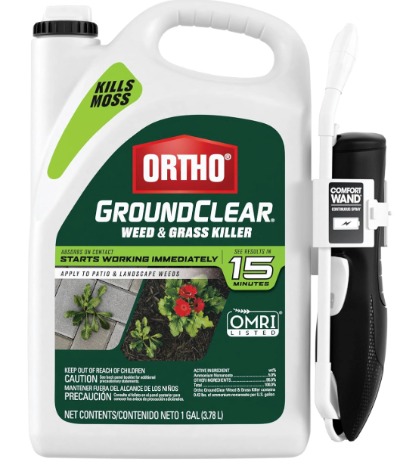
5. Ortho GroundClear Weed & Grass Killer with Comfort Wand – OMRI Listed, 1 Gallon
Overall Rating: 4.6/5
What Is It?
Ortho GroundClear is a standout product in this roundup because of one key detail: it is OMRI Listed. That stands for Organic Materials Review Institute, which means it has been reviewed and approved for use in organic gardening.
This is a huge distinction. You get a ready-to-use formula that kills dandelions, chickweed, crabgrass, moss, and more — but without synthetic herbicides. It is effective and still acceptable for organic gardening practices.
The Comfort Wand applicator is another highlight. It reduces hand and wrist strain significantly, making it one of the most user-friendly herbicides in this category.
Best Use Cases
- Organic gardeners who want an approved product
- Households concerned about synthetic chemical exposure
- People dealing with moss, chickweed, or crabgrass in flower beds
- Gardeners who spend a lot of time applying weed killer and want comfort
- Anyone who wants an effective, natural-origin herbicide
Key Features Explained Simply
OMRI Listed: This certification is important. It means the product has been vetted by an independent organization for use in certified organic operations. For home gardeners, it signals a cleaner, more natural formulation.
Comfort Wand: The wand extends your reach and reduces the need to bend over constantly. The trigger design is gentle on your hands compared to standard bottle sprayers. It is one of the more thoughtfully designed applicators in this category.
Kills a broad range of problem plants: Dandelions, crabgrass, chickweed, clover, and even moss. Moss can be particularly tricky, so this is a valuable feature for shaded flower beds where moss tends to grow.
Ready to use: No measuring or mixing. The formula is pre-mixed and ready straight from the bottle.
Contact action: The natural formula works by contacting the plant and burning it down. Results are visible quickly — often within hours.
Real-Life Usage Insight
Imagine a shaded corner of your garden where the ground stays moist. Moss has taken over between your hostas, and chickweed is spreading fast. You want something effective but do not want to spray harsh chemicals near your fragile shade plants.
Ortho GroundClear handles moss and chickweed very well. The OMRI-certified formula gives you confidence that you are not dumping something dangerous near your beloved plants. The Comfort Wand lets you get right into the corner of the bed without awkward crouching or bending.
It is also a great option for raised flower beds where you spend a lot of time working up close. Less chemical exposure, better applicator design, and solid performance — that combination is hard to beat.
Pros
- OMRI Listed — approved for organic gardening
- Comfort Wand reduces strain during application
- Kills moss, a unique feature among these five products
- Effective on chickweed, crabgrass, dandelions, and more
- Natural formula — fewer concerns about chemical runoff
- Ready to use — no prep required
- Good coverage with one-gallon size
- Fast visible results
Cons
- Works primarily as a contact killer — may not reach deep roots
- Multiple applications needed for heavily rooted perennial weeds
- More expensive per ounce compared to conventional chemical options
- OMRI listing does not mean completely harmless — still avoid contact with desirable plants
- Not ideal for systemic control of very aggressive weeds like bindweed
Performance Discussion
Ortho GroundClear delivers excellent performance for the types of weeds it targets. Moss and chickweed are dealt with quickly and effectively. Annual weeds and young perennial growth also respond well.
Where it falls slightly short is deep-rooted perennial weeds. Like other natural-formula products, it excels at contact killing but may struggle to fully eliminate root systems of aggressive perennials.
For regular maintenance of a flower bed — hitting weeds early and often — this product is one of the best available.
Ease of Use
The Comfort Wand is a real differentiator. It makes this product noticeably more comfortable to use than standard trigger bottles, especially if you are treating a large bed or have any wrist discomfort. The extended reach also means you can treat weeds between plants without getting too close and risking overspray.
Value for Money
It is priced slightly above the chemical options, but the OMRI listing, Comfort Wand, and broad-spectrum natural effectiveness justify the cost for many gardeners. Excellent value if organic gardening matters to you.
Comparison Table: Quick Side-by-Side Look
| Feature | Spruce Refill | Natural Elements | Roundup Pump N Go | Spectracide 32oz | Ortho GroundClear |
|---|---|---|---|---|---|
| Formula Type | Chemical | Natural | Chemical (Glyphosate) | Chemical | Natural (OMRI Listed) |
| Ready to Use | Needs sprayer | Yes | Yes | Yes | Yes |
| Kills Roots | Yes | Partially | Yes | Yes | Partially |
| Safe for Pets/Kids | No (when wet) | Yes (when dry) | No (when wet) | No (when wet) | Yes (when dry) |
| Kills Moss | No | No | No | No | Yes |
| Organic Approved | No | Partially | No | No | Yes (OMRI) |
| Size | 64 oz refill | 1 gallon | 1.33 gallon | 32 oz | 1 gallon |
| Applicator | Needs Spruce system | Manual spray | Pump ‘N Go | Trigger bottle | Comfort Wand |
| Best For | Mulch beds, driveways | Pet/kid households | Deep-rooted weeds | Spot treatments | Organic gardeners |
| Price Range | Mid | Mid | Mid-High | Low-Mid | Mid-High |
Buying Guide: What to Look for in a Flower Bed Herbicide
Picking a weed killer for your flower beds is not just about what kills the most weeds. It is about matching the product to your specific situation. Here is what to think about before you buy.
1. Non-Selective vs. Selective Herbicides
All five products on this list are non-selective. That means they kill whatever plant they contact — grass, weeds, and flowers alike. This is standard for flower bed use because beds have so many different weed types.
Non-selective herbicides are fine for flower beds as long as you apply them carefully. Aim only at weeds, not at the stems or leaves of plants you want to keep.
Selective herbicides exist too — they target specific plant families. Some are designed to kill grasses without hurting broadleaf plants. These can work well in beds where only grass-type weeds are the problem.
2. Contact vs. Systemic Action
Contact herbicides kill the part of the plant they touch. They work fast but may leave roots alive, especially in perennial weeds.
Systemic herbicides are absorbed by the plant and travel to the roots. They take longer to show results but kill weeds more completely.
For perennial weeds that keep coming back (like bindweed, dandelions with deep taproots, or thistle), systemic options like Roundup are more effective long-term.
For annual weeds and maintenance spraying, contact herbicides like Natural Elements or Ortho GroundClear are fast and convenient.
3. Natural vs. Chemical Formulas
Natural herbicides use plant-derived ingredients like citric acid, clove oil, or acetic acid. They break down faster in the environment, are safer around children and pets, and meet organic gardening standards. The trade-off is that they may require more applications.
Chemical herbicides use synthetic compounds like glyphosate. They tend to be more effective against deep-rooted or persistent weeds but come with more handling precautions and environmental considerations.
The right choice depends on your priorities — effectiveness vs. safety profile.
4. Applicator Design
This matters more than most people realize. A poorly designed sprayer leads to hand fatigue, imprecise application, and frustration.
Look for products with:
- Comfortable triggers or pump systems
- Adjustable spray patterns (stream vs. fan)
- Extended wands for reaching into beds without bending
- Large enough reservoir to avoid constant refilling
The Ortho Comfort Wand and Roundup Pump ‘N Go are standouts in this department.
5. Coverage Area
Think about how much area you need to treat. A 32-ounce bottle is fine for a small bed or touch-up work. For larger landscapes or multiple beds, a one-gallon or larger format saves time and money.
6. Safety Precautions
Every herbicide on this list — natural or chemical — should be used with basic precautions:
- Wear gloves when spraying
- Avoid spraying on windy days to prevent drift
- Keep kids and pets away from treated areas until dry
- Follow label directions — they exist for good reason
- Store products safely out of reach of children
7. Rain Timing
Most herbicides work best when rain is not expected for at least 24 to 48 hours. Applying right before a rainstorm washes away the product before it can work. Check your weather forecast before you spray.
Who Should Buy These Products?
Not every product is right for every gardener. Here is a quick breakdown of who each product suits best.
Spruce Weed Killer Refill is best for existing Spruce system users who want a convenient refill option that handles mulch beds and mixed weed types without the hassle of measuring concentrates.
Natural Elements Weed Killer is the top pick for households with dogs, cats, or young children who spend time in the yard. It is also excellent for gardeners who prefer to minimize synthetic chemical exposure.
Roundup Pump ‘N Go is the go-to for gardeners dealing with stubborn, established perennial weeds that keep coming back. It is the most powerful systemic option on this list and the Pump ‘N Go applicator makes it easy to use on larger beds.
Spectracide Weed & Grass Killer 2 is perfect for gardeners who want an affordable, compact spray bottle for occasional spot treatments. It is a budget-friendly starter option that delivers solid results on a range of common weeds.
Ortho GroundClear Comfort Wand is the best choice for organic gardeners, people dealing with moss, or anyone who values an ergonomic applicator. The OMRI listing makes it the only product here approved for certified organic use.
Common Mistakes to Avoid When Using Herbicides in Flower Beds
Even the best product fails if you use it the wrong way. Here are the most common mistakes home gardeners make — and how to avoid them.
Spraying on Windy Days
Wind carries spray drift. What was aimed at a weed can land on your prize rose or onto a neighbor’s garden. Always spray on calm days, ideally in the morning before any breeze picks up.
Applying Too Much Product
More is not better with herbicides. Over-applying wastes product, can leave residue in the soil, and may actually slow results in some formulas. Follow the label directions for application rates.
Ignoring the Roots
Contact killers only burn the top of the plant. If you only spray the leaves and never follow up, deep-rooted weeds will regrow from the root system. For perennial weeds, use a systemic product or plan for repeat applications.
Spraying in Full Sun on Hot Days
High heat can cause some herbicide formulas to evaporate too quickly before the plant can absorb them. It can also increase the chance of drift and affect nearby plants. Early morning applications are usually best.
Not Waiting After Application
Walking through treated areas too soon, or letting pets out immediately, can track product onto other plants. Wait until the spray is fully dry — usually a few hours for most products.
Skipping Gloves and Protective Gear
Natural does not mean completely harmless. Even natural herbicides can irritate skin. Always wear gloves. If you are spraying overhead or in a dense bed, eye protection is smart too.
Treating Weeds Right Before Rain
Rain washes away herbicide before it has a chance to work. Check the forecast before you spray. Most products need at least a few hours of dry weather to begin working properly.
Not Reading the Label
The label on your herbicide bottle is the most important piece of information in the box. It tells you exactly what the product kills, where to use it, how much to apply, and how to stay safe. Read it every time — especially if it is a product you are using for the first time.
Additional Tips for Long-Term Weed Control in Flower Beds
Herbicides are just one tool. Combine them with these practices for the best results:
Mulch generously. A 2-to-3-inch layer of organic mulch blocks sunlight from reaching weed seeds in the soil. Fewer seeds germinate, fewer weeds grow. Mulch is one of the most effective weed prevention tools available.
Weed early and often. Small weeds are easier to kill than big ones. A quick spray in early spring catches weeds before they set root. Regular patrols through the growing season keep problems manageable.
Pull before they seed. If you see a weed that has gone to flower, pull it before it drops seeds. One dandelion can produce hundreds of seeds. Stopping the seed cycle makes a big long-term difference.
Avoid tilling unnecessarily. Tilling stirs up weed seeds buried deep in the soil and brings them to the surface where they can germinate. Minimize tilling in established flower beds.
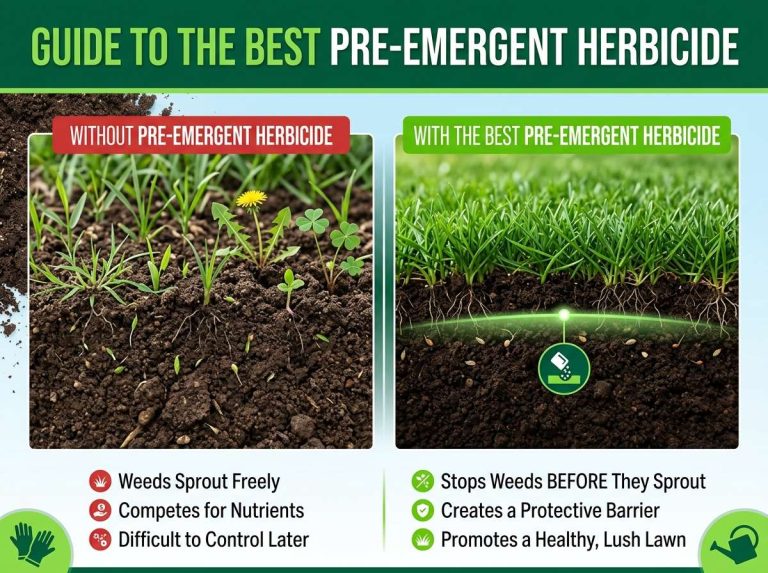
Use a pre-emergent herbicide in early spring. Pre-emergent products prevent weed seeds from germinating. They are most useful applied before your main growing season begins. They do not kill existing weeds but stop new ones from sprouting.
Edge your beds cleanly. A well-defined edge between your lawn and flower bed prevents grass from creeping in. Use an edging tool to maintain clean borders, which also reduces how often you need to spray.
Final Verdict
All five products on this list have real merit. The question is which one is right for your specific situation.
If you want the best overall performance and a great applicator, the Ortho GroundClear Comfort Wand is the top pick. It is OMRI Listed, handles a wide range of weeds including moss, uses a comfortable and precise applicator, and works well for eco-conscious gardeners. It is the most well-rounded choice on this list.
If you have a persistent weed problem with deep roots, go with the Roundup Pump ‘N Go. Glyphosate’s systemic action makes it the most effective long-term solution for established weeds, and the pressurized sprayer makes the job much easier.
If you have pets or kids, the Natural Elements Weed Killer is the safest choice. The natural formula and quick dry time give you peace of mind that your family can get back outside without waiting long.
If you want convenience and already own a Spruce system, the Spruce Weed Killer Refill is the no-fuss solution for mulch beds and mixed weed types.
If you want an affordable, grab-and-go option, the Spectracide 32 oz Spray gets the job done for spot treatments without a big investment.
At the end of the day, the best herbicide for flower beds is the one you will actually use consistently. Weed control is not a one-time fix — it is an ongoing habit. Pick the product that fits your lifestyle, follow the directions carefully, and stay on top of your beds through the season.
Your flowers will thank you for it.
Frequently Asked Questions
Q: Can I use any of these products between flower plants without killing them?
Yes, but with careful, targeted application only. Spray directly onto the weed leaves and stems. Keep the nozzle close to the target and avoid getting product on your flowers. All five products are non-selective — they will damage or kill any plant they contact, not just weeds.
Q: How long do I need to wait before my pets can go back in the yard?
For natural-formula products like Natural Elements and Ortho GroundClear, the treated area is generally safe once dry — usually a few hours. For chemical products like Roundup and Spectracide, wait until the product is fully dry and follow the label guidance. When in doubt, keep pets away for 24 hours.
Q: Do I need to pull weeds after spraying, or do they just disappear?
They will die, but they will not vanish on their own. Most weeds will wilt and dry out over one to two weeks. You can leave them in place (especially in mulched areas where dried stems decompose naturally) or rake them out after they have fully died.
Q: Will these products affect the soil?
Contact herbicides with natural formulas typically break down quickly and have minimal soil impact. Glyphosate has a longer soil half-life but is generally considered manageable for home garden use. Always follow label directions and avoid over-application to minimize any soil effects.
Q: What is the best time of day to spray herbicides?
Early morning is ideal. Wind tends to be calmer, temperatures are cooler, and the dew has evaporated so spray adheres well to leaves. Avoid midday heat and windy afternoons.
Q: Can I use these near vegetable gardens?
Use caution. These products are intended for ornamental flower beds, driveways, and landscaping — not near edible crops. Natural formulas like Natural Elements and Ortho GroundClear are safer if accidental contact occurs, but none of these products are labeled specifically for use in vegetable gardens.

Hi, I’m Mary, the founder of GardenCure.com. I’m passionate about creating healthy, beautiful gardens and well-kept lawns. I share practical experience and trusted advice on garden and lawn gear that truly works. With the support of my dedicated research team, our writers produce honest, in-depth reviews using reliable, authentic sources—helping you choose the right tools with confidence for your outdoor space.



One Comment