How To Grow Brussel Sprouts
Growing Brussels sprouts is easier than many beginners expect. These cool season leafy greens reward patient gardeners with small, tight heads along a tall stem. This guide covers the basics, planting steps and seasonal care.
In this article
You will also learn how to spot common problems and harvest at the right time. Each section uses plain language, so you can follow along with no prior experience.
Key Takeaways
- Brussels sprouts need full sun, rich soil and a long growing season of several months.
- They grow best in cool weather, which helps the sprouts form firm and sweet.
- Regular watering, mulching and nitrogen feeding support steady growth.
- Check plants often for cabbage worms and aphids, and handle them early.
- Harvest sprouts from the bottom up once they are firm and about golf ball size or larger.
Basics of Growing Brussels Sprouts
What Brussels Sprouts Are and Why They Are Grown at Home
Brussels sprouts are small heads that form along the stem of a tall plant. They belong to the cabbage family, along with kale, broccoli and cauliflower. One plant can produce many sprouts over several weeks.
Homegrown sprouts often taste sweeter than store-bought ones. They need space and a long season, so they suit gardeners who plan ahead.
Brussels Sprouts Plant Basics: Growth Habit and Life Cycle
Brussels sprouts grow as a tall, upright stalk with large leaves at the top. The sprouts form in the leaf joints, where each leaf meets the stem. In windy areas, plants may need support.
Most plants need several months from planting to first harvest. Home growers usually harvest them in the first season.
Common Brussels Sprouts Varieties for Beginners
Seed catalogs list many varieties. Some mature earlier, while others take longer but yield more. Labels often note days to maturity, which helps you match a variety to your season length.
For a first attempt, choose a reliable variety labeled for home gardens and your climate. Local garden centers can also recommend types that perform well in your area.
How Brussels Sprouts Grow
How the Sprouts Form Along the Stem
Sprouts begin as tiny buds in the leaf joints, near the bottom of the stem. New buds form higher up as the plant grows. Each bud slowly swells into a compact, round head.
The lowest sprouts usually mature first. The top sprouts may keep growing for weeks after the bottom ones are ready, so patience matters.
Why Cool Weather Affects Brussels Sprouts Flavor and Size
Brussels sprouts prefer cool temperatures. Mild weather helps the heads stay firm and develop a sweeter, nutty taste. Long periods of heat can loosen the heads or make them taste stronger.
Many gardeners time planting so the main harvest falls in the cooler weeks of autumn. Light frost can even improve flavor, as covered later in this guide.
Preparing to Plant Brussels Sprouts
Picking a Sunny Spot and Good Garden Soil
Choose a spot that gets full sun most of the day. Sun helps plants build large leaves and firm sprouts. Shade slows growth and can leave heads small and loose.
Brussels sprouts prefer rich, loamy soil that holds moisture but drains well. Avoid low spots where puddles form, since standing water can rot roots.
Testing and Improving Soil pH and Drainage
Soil pH measures how acidic or alkaline the soil is. Brussels sprouts grow best when the pH sits near neutral, roughly between 6.0 and 7.5. A simple home test kit can show where your soil falls.
If the soil is too acidic, garden lime can raise the pH over time. Mixing compost into the top several inches of soil improves drainage and nutrients before planting.
Starting Seeds Indoors Versus Buying Transplants
Seeds can start indoors several weeks before the outdoor planting date. This offers more variety choices, but seedlings need bright light and steady warmth.
Buying transplants is often easier for beginners, since young plants can go straight into the garden. Either route works, so pick the one that fits your time and setup.
Step-by-Step: Planting Brussels Sprouts
When to Plant Brussels Sprouts Outdoors
Timing depends on your climate and variety. Transplants go outside when they are sturdy and have several true leaves. The goal is for plants to mature during cool weather rather than heat. Check the seed packet for days to maturity, then count back from your first expected cool spell.
How to Set Transplants and Space Them Correctly
Dig a hole slightly deeper than the root ball. Set the transplant so the soil level matches its pot, then firm the soil gently around the roots.
Space plants 18 to 24 inches apart, with wider rows for air flow. Good spacing reduces disease and gives each plant room to grow.
Watering Brussels Sprouts in the First Weeks
New transplants need steady moisture while their roots spread. Water deeply once or twice a week, depending on rainfall. The soil should feel damp a few inches down but never soggy.
Water at the base rather than over the leaves to keep foliage drier and lower disease risk.
Caring for Brussels Sprouts Through the Season
Feeding Brussels Sprouts With Nitrogen and Compost
Nitrogen supports leafy growth, and Brussels sprouts use a lot of it. A balanced organic fertilizer or compost side dressing works well.
Feed a few weeks after planting and again as sprouts begin to form. Follow label directions, since too much fertilizer can cause problems.
Mulching, Weeding and Keeping Soil Moist
A layer of straw or shredded leaves holds moisture, keeps soil cool and limits weeds that compete for food and water. Pull weeds while they are small.
Keep mulch a short distance from the stem to prevent rot.
Protecting Plants From Pests Like Cabbage Worms and Aphids
Cabbage worms are green caterpillars that chew holes in leaves and sprouts. Aphids are tiny insects that cluster on stems and leaves. Check plants often, especially leaf undersides.
Floating row covers can block adult moths that lay eggs. Hand-picking worms and spraying aphids with water often controls small problems.
Supporting Tall Stalks and Preventing Wind Damage
Tall plants can topple in strong wind or heavy rain. Staking each plant with a sturdy stake and soft tie keeps the stem upright, since a rocking plant can damage roots.
Hilling soil around the base adds stability and helps roots hold the plant firmly in place.
Harvesting Brussels Sprouts
How to Tell When Sprouts Are Ready to Pick
Ready sprouts feel firm when gently squeezed. They are usually about the size of a golf ball or a little larger, with a bright, healthy green color.
Pick them before they loosen or start to yellow. Waiting too long can make the heads open and taste bitter.
Harvesting From the Bottom Up and Removing Leaves
Start at the bottom of the stem, where sprouts mature first. Twist or snap each sprout off by hand, and work upward as more heads become firm.
Removing lower leaves once sprouts are ready can help the plant focus on the top buds. Do not strip too many at once, since the plant still needs them for growth.
Getting a Second Harvest From the Same Plant
Many plants keep producing sprouts for several weeks. Regular picking encourages new heads to form, so check the plant every few days during peak season.
When the weather turns very cold, growth may slow. A light frost often sweetens the remaining sprouts, making the final harvest among the tastiest.
Common Problems and Easy Fixes
Loose or Small Sprouts: Causes and Solutions
Loose sprouts often come from heat, poor nutrition or too little water. Shade or crowded plants can produce small heads.
Remove loose sprouts and feed the plant if growth has been slow. Consistent water and good spacing make a clear difference over time.
Yellowing Leaves and Nutrient Deficiencies
Yellow leaves can signal a lack of nitrogen, especially on older, lower leaves. Overwatering can also cause yellowing and root stress, so check soil moisture first.
A gentle feeding with compost or balanced fertilizer often restores color. Remove badly damaged leaves to keep the plant tidy.
Bitter Taste and Other Flavor Issues
Bitter taste usually comes from heat stress, slow growth or sprouts left on the plant too long. Harvesting at the right size and during cooler weather helps.
Cooking can change flavor too. Brief roasting or steaming often brings out a milder, sweeter taste.
Brussels Sprouts Growing Tips for Beginners
Companion Plants and Crop Rotation for Healthy Soil
Move cabbage family plants to a new spot each year. This helps reduce soil-borne diseases and pests. Herbs and onions are often mentioned as neighbors that may help deter some insects.
A simple garden map makes rotation easier to follow. Good soil care supports healthier plants over time.
Growing Brussels Sprouts in Containers or Small Gardens
Brussels sprouts can grow in large containers if the pot is deep and wide. Choose a variety labeled for compact growth, and water more often, since containers dry out faster.
Container plants still need full sun and regular feeding. Stake tall stems to keep them upright on a patio or balcony.
Frequently Asked Questions
Can Brussels Sprouts Be Grown in Warm Climates?
Brussels sprouts prefer cool weather, so they are harder to grow in very hot regions. Gardeners in warm areas often plant during the cooler season. A heat-tolerant variety can also help.
How Long Does It Take for Brussels Sprouts to Mature?
Most varieties need several months from planting to first harvest. The exact time depends on the variety and weather. Check the seed packet or plant label for the expected days to maturity.
Do Brussels Sprouts Need Full Sun to Grow Well?
Full sun gives the best results, with most of the day in direct light. Shade slows growth and can leave sprouts small and loose. Partial shade may work in hot areas, but expect smaller heads.
Why Do Brussels Sprouts Taste Bitter, and Can It Be Fixed?
Heat, slow growth and overripe sprouts often cause bitterness. Harvesting at the right size and during cooler weather helps. Roasting can also soften the taste.
Is Frost Good or Bad for Brussels Sprouts?
Light frost is usually helpful, since it can make sprouts taste sweeter. Hard freezes can damage plants, so cover them if a severe cold snap is forecast. Harvest before heavy freezing weather arrives.
Conclusion
Growing Brussels sprouts takes planning, but the steps are simple. Give plants full sun, rich soil, steady water and regular feeding. Watch for pests, support tall stems and harvest firm sprouts from the bottom up. With patience, you can enjoy a long harvest.
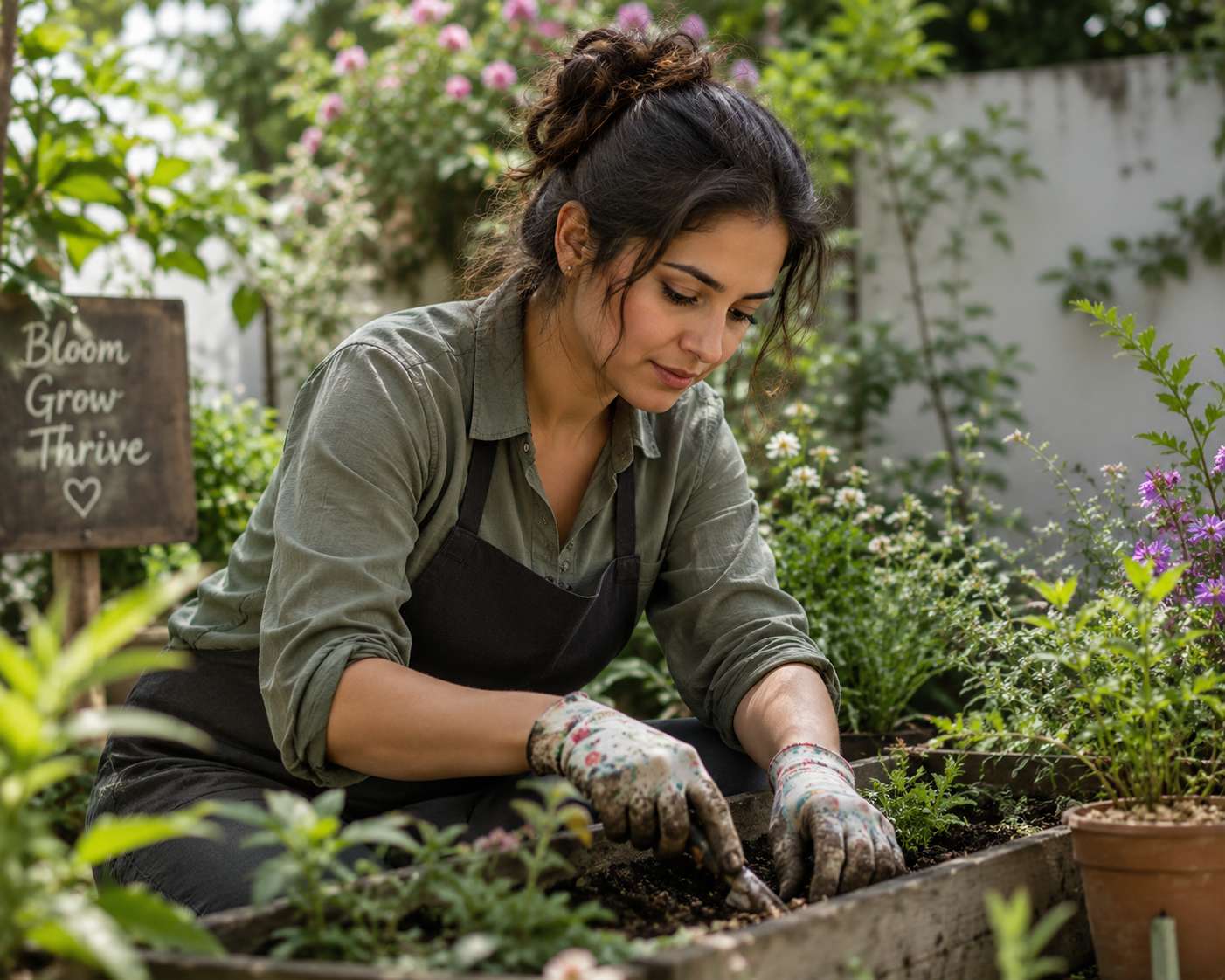
Hi, I’m Mary, the founder of GardenCure.com. I’m passionate about creating healthy, beautiful gardens and well-kept lawns. I share practical experience and trusted advice on garden and lawn gear that truly works. With the support of my dedicated research team, our writers produce honest, in-depth reviews using reliable, authentic sources—helping you choose the right tools with confidence for your outdoor space.