How To Grow Lavender
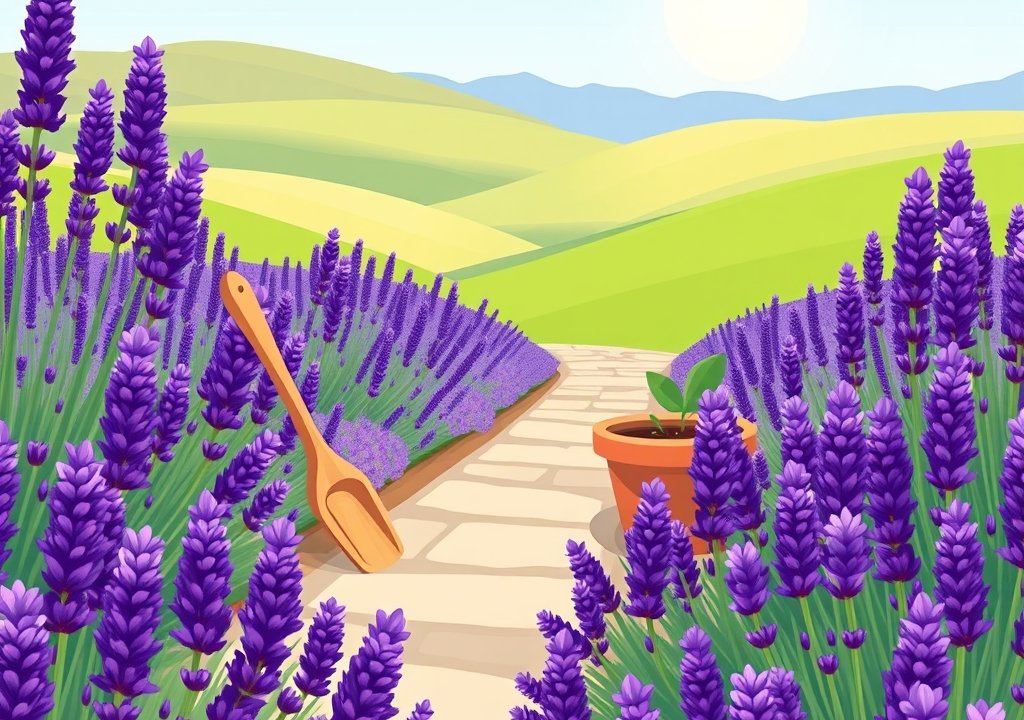
Learning how to grow lavender is easier than many beginners expect. This fragrant plant is prized for its purple flower spikes, silvery leaves and scent. With the right light, soil and watering, it can thrive for years in a garden or container.
In this article
This guide covers the basics in plain language, including planting, watering, pruning, protection and common problems.
Key Takeaways
- Lavender needs full sun and fast-draining soil to stay healthy.
- Water deeply but infrequently, and let the soil dry out between waterings.
- Prune lightly after flowering to keep the plant compact and productive.
- Good air flow and dry foliage help prevent fungal problems.
Lavender Basics for Beginners
What Lavender Is and Where It Comes From
Lavender is a group of flowering shrubs and herbs in the mint family. Most garden lavenders come from the dry, sunny hillsides of the Mediterranean, and that origin shapes how they grow best.
Once established, lavender handles heat and dry spells well. It does not handle soggy ground.
Common Types of Lavender for Home Gardens
English lavender (Lavandula angustifolia) is widely grown and often hardy in cooler areas. French lavender (Lavandula dentata) has toothed leaves and blooms over a long period. Lavandin is a hybrid that grows larger and produces many flower stems.
Plant tags usually list the type and expected size, which helps you match a plant to your space and climate.
Why Lavender Grows Well in Sunny, Dry Conditions
Lavender stores little water in its roots and stems. It relies on sun for energy and on fast-draining soil to keep its roots dry. Most beginner problems come from too much water or too little light.
How Lavender Grows: Roots, Light, and Soil
Lavender Roots and Drainage
Lavender roots need oxygen as much as water. Good drainage moves water quickly through the soil and away from the roots.
If soil stays wet for long periods, roots can rot. Adding grit or sand, or planting on a slight mound, helps.
How Much Sun Lavender Needs
Lavender generally needs at least six to eight hours of direct sun each day. More sun usually means stronger scent and fuller flowering, while shade tends to produce weak stems and fewer blooms.
Watch your yard for a full day before planting to see which areas get the most direct light.
Soil pH and Lavender Soil Requirements
Soil pH measures how acidic or alkaline soil is. Lavender usually prefers slightly alkaline to neutral soil, often around 6.5 to 8.
Lean, sandy or gravelly soil is often ideal. Rich soil with a lot of compost can encourage leafy growth at the expense of flowers. A soil test from a local extension service can confirm your pH.
Picking a Location and Planting Lavender
Picking a Sunny Spot in Your Garden or Yard
Choose the sunniest, most open spot you have. Avoid low corners where water collects after rain. A south- or west-facing slope often works well, since it drains quickly and gets strong light.
Planting Lavender in the Ground Step by Step
Plant in the right season so roots can settle before extreme heat or cold. Spring is a common choice, though fall can work in mild climates.
- Dig a hole about as deep as the root ball and roughly twice as wide.
- Loosen the soil at the bottom and mix in grit or sand if drainage is slow.
- Gently loosen any tightly wound roots.
- Set the plant with its top level with the soil surface, then backfill and firm lightly.
- Water thoroughly once, then let the soil dry before watering again.
Growing Lavender in Pots and Containers
Containers suit small patios and gardens with cold winters. Choose a pot with drainage holes and a gritty, fast-draining potting mix. Terracotta helps because it lets moisture evaporate through its walls.
Pots dry out faster than garden beds, so check them often. Moving a container to a sheltered, sunny spot can help in colder months.
Spacing Lavender Plants for Good Air Flow
Give each plant enough room to reach its full mature size. Crowded plants trap moisture, which raises the risk of fungal problems.
Check the plant label for expected width, and leave enough space that mature foliage does not touch.
Growing Lavender from Seed, Cuttings, or Nursery Plants
Starting Lavender from Nursery Transplants
Nursery transplants are the simplest way for beginners to start. They already have established roots and a visible shape. Choose plants with green, firm stems and a compact habit, and avoid those with brown, mushy stems or heavy pest damage.
Growing Lavender from Seed: What to Expect
Lavender can be grown from seed, but germination is often slow and uneven. Seedlings may take a long time to reach flowering size, and many home growers find this method more demanding than buying plants.
Seed suits patient gardeners who enjoy the process, though seedlings may differ in appearance from the parent plant.
Propagating Lavender from Softwood and Semi-Hardwood Cuttings
Cuttings produce plants that match a parent. Softwood cuttings come from new, flexible growth in late spring, while semi-hardwood cuttings come from firmer stems later in the season.
Trim a stem to about four inches, remove the lower leaves, and dip the cut end in rooting hormone if you like. Place it in gritty mix and keep it lightly moist in bright, indirect light until roots form.
Watering and Feeding Lavender
How Often to Water Young and Mature Lavender
Young plants need regular water until their roots spread. Water deeply, then let the top layer of soil dry before watering again. Established lavender usually needs little extra water.
Heat, rain and container size all change needs, so check the soil by feel.
Signs of Overwatering and Root Rot
Overwatering is a common cause of lavender loss. Yellowing leaves, wilting in wet soil, and a sour smell can all signal trouble. Root rot happens when roots lack oxygen and break down.
If you suspect root rot, stop watering and improve drainage. Badly affected plants may not recover.
Fertilizer Needs and When to Skip Feeding
Lavender usually needs little fertilizer. Rich feeding can produce soft growth and fewer flowers, so many gardeners skip it in average soil.
If plants look pale or grow very slowly, a light spring application of a balanced, low-nitrogen fertilizer may help. Follow the label and avoid overfeeding.
Pruning and Shaping Lavender Plants
Why Pruning Keeps Lavender Healthy
Pruning keeps plants compact, encourages new growth and improves airflow through the foliage. Without it, lavender often becomes woody and sparse at the center.
When to Prune After Flowering
The main pruning window is right after the flowers fade. Cutting back then gives the plant time to produce fresh growth before cold weather. Many gardeners prune once in summer and lightly in early spring.
How to Prune Lavender Without Cutting Into Old Wood
Cut off spent flower stalks and about one-third of the green growth. Avoid cutting into bare, brown wood, since lavender often does not sprout from it.
Harvesting Lavender Flowers
When to Cut Lavender for Drying or Fresh Use
Harvest when about half of the buds on a spike have opened. At this stage the scent is strong and the color holds well. Cut stems in the morning, after the dew dries.
How to Dry Lavender Bundles at Home
Gather stems into small bundles and tie them with string. Hang them upside down in a dry, dark, well-ventilated room. Drying usually takes a couple of weeks, after which the buds can be stripped from the stems.
Common Lavender Problems and How to Fix Them
Pests That Affect Lavender
Lavender has few serious pest problems. Spittlebugs, aphids and spider mites sometimes appear. Rinsing pests off with water or pruning out affected growth is often enough.
Fungal Diseases and Poor Air Circulation
Fungal problems tend to appear in damp, crowded plantings. Gray mold and root diseases are the most common. Good spacing, dry foliage and well-drained soil are the best defenses.
Why Lavender Plants Become Woody or Leggy
Plants become woody when they go unpruned for several years. Leggy growth with long bare stems often comes from too little sun. Regular light pruning and a sunnier site usually fix both issues.
Lavender Care by Season
Spring Tasks for Growing Lavender
Spring is a good time to check for winter damage and trim dead or broken stems. Light pruning encourages compact growth. Avoid heavy cutting until new shoots appear.
Summer Care and Heat Tolerance
Lavender handles summer heat well once established. Water young plants during long dry spells and watch containers closely. Good air flow helps plants stay healthy in humid weather.
Preparing Lavender for Winter Cold and Wet Weather
Protect lavender from cold, wet soil more than cold air alone. Avoid heavy pruning in fall. In cold regions, mulch lightly and keep it away from the crown to prevent rot.
Growing Lavender in Different Climates
Lavender in Mild, Mediterranean-Style Climates
Lavender thrives in mild regions with dry summers and mild winters. These conditions closely match its native home. Growers there usually need less intervention.
Growing Lavender in Cold or Humid Regions
Cold or humid areas make lavender more challenging. Choose cold-hardy types, plant in raised beds or containers for better drainage, and improve air flow. Containers also let you move plants to shelter when needed.
Frequently Asked Questions
Does lavender need full sun to bloom?
Lavender blooms best with six to eight hours of direct sun each day. Less light usually means fewer flowers and weaker stems.
How long does it take lavender to flower after planting?
Nursery plants often bloom in their first or second growing season, depending on size and conditions. Plants grown from seed usually take longer.
Can lavender grow indoors on a windowsill?
Lavender can stay indoors briefly, but it needs very bright light and good air flow. Most plants do better outdoors in a sunny spot. A south-facing window with gritty potting mix gives the best chance.
Why are the leaves of my lavender turning yellow or gray?
Yellow leaves often point to overwatering or poor drainage. Gray, dusty foliage can be normal for some types, but it can also signal stress from too much moisture. Check the soil and adjust watering as needed.
Is lavender safe to grow around pets?
Lavender can cause mild stomach upset if eaten in large amounts. Place plants out of reach of pets. Consult a veterinarian if you have concerns about a specific animal.
Conclusion
Lavender grows best in full sun, fast-draining soil and open air. Water deeply but not often, and prune lightly after flowering. With these basics, beginners can enjoy fragrant, long-lived plants in gardens and containers alike.
Hi, I’m Mary, the founder of GardenCure.com. I’m passionate about creating healthy, beautiful gardens and well-kept lawns. I share practical experience and trusted advice on garden and lawn gear that truly works. With the support of my dedicated research team, our writers produce honest, in-depth reviews using reliable, authentic sources—helping you choose the right tools with confidence for your outdoor space.