5 Best Gardening Soil for Raised Beds In 2026
Growing vegetables, herbs, and flowers in raised beds can transform your backyard into a productive garden paradise. But here’s the thing: your plants are only as good as the soil you put them in.
In this article
I’ve spent countless hours researching and testing different soil options for raised beds, and I’m here to share what actually works. This guide breaks down five popular soil products that gardeners swear by, helping you pick the right one for your specific needs.
Before we jump into the reviews, let’s talk about what makes raised bed soil different from regular garden dirt. Raised beds need a special blend because you’re starting from scratch. You can’t just scoop soil from your yard and expect amazing results. The best soil for raised beds should drain well, hold moisture when needed, feed your plants, and stay fluffy enough for roots to spread.
This article reviews products ranging from compact expanding coir to ready-to-use organic mixes. Some are budget-friendly, others pack premium ingredients. All of them can work, but each shines in different situations.
Ready to find your perfect match? Let’s dig in.
1. Back to The Roots Organic Coir – Best Expandable Option
Product Overview
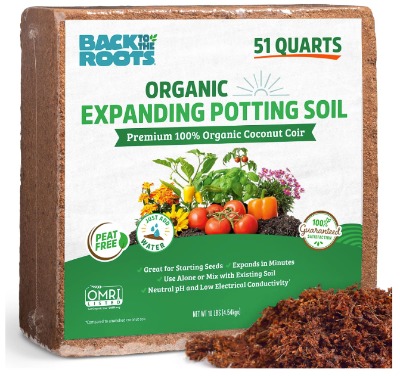
This 51-quart expanding soil comes compressed into a convenient brick. Once you add water, it expands to create a light, fluffy growing medium made from coconut coir. The product is OMRI certified organic and contains no added fertilizers or nutrients.
The brick format makes it super portable and easy to store. One package creates enough soil to fill small to medium raised beds or multiple containers.
Best Use Cases
This coir works brilliantly when you need to amend existing soil or create a lighter mix. It’s perfect for seed starting, mixing with compost, or improving heavy clay soil.
Use it in raised beds when combined with compost and other amendments. It also excels in container gardening where drainage is critical. Gardeners who want to customize their soil blend love this product because it serves as an excellent base ingredient.
Key Features Explained
The coconut coir absorbs water incredibly well but doesn’t become waterlogged. It holds moisture near plant roots without creating soggy conditions that lead to root rot.
Being organic and natural means no harsh chemicals touch your vegetables or herbs. The compressed brick format saves storage space and makes transportation a breeze.
The neutral pH works with most plants. Coir doesn’t break down as quickly as peat moss, so it lasts longer in your beds.
Real-Life Performance
When you first open the package, you’ll see a hard, dry brick. Add water slowly and watch it fluff up like magic. This process takes about 15-20 minutes.
The texture feels light and springy in your hands. Mix it into your raised bed, and you’ll notice improved drainage immediately. Plants root easily in this airy medium.
However, remember that coir alone doesn’t feed your plants. You’ll need to add compost, worm castings, or fertilizer to provide nutrients. Think of it as a foundation that needs other ingredients to become complete.
Honest Pros and Cons
Pros:
- Takes up minimal storage space before use
- Excellent water retention balanced with good drainage
- Sustainable alternative to peat moss
- No weird smells or dust
- Works well mixed with other soil components
- Organic certification for safe food growing
Cons:
- Contains zero nutrients on its own
- Requires mixing with other amendments
- Takes time and effort to properly hydrate
- Can be messy during the expansion process
- More expensive than some traditional soil options
- Not a complete solution by itself
Ease of Use
The expansion process is straightforward but requires some muscle. You’ll need a large container or wheelbarrow, plenty of water, and about 20 minutes.
Break up the brick as it expands to ensure even hydration. Some areas might stay dry if you rush this step. Mix thoroughly to avoid dry pockets.
Once expanded, it blends easily with compost or other amendments. The light texture makes mixing less physically demanding than working with heavy soil.
Value Assessment
You get a lot of volume for the price, especially compared to buying pre-bagged expanded coir. The compression means you’re not paying to ship mostly air and water.
The longevity adds value since coir doesn’t decompose as fast as other organic materials. You won’t need to replace it every season.
However, factor in the cost of amendments you’ll need to buy separately. The total investment might exceed buying a complete soil mix initially.
2. Miracle-GRO Organic Outdoor Potting Mix – Best Ready-to-Use Option
Product Overview
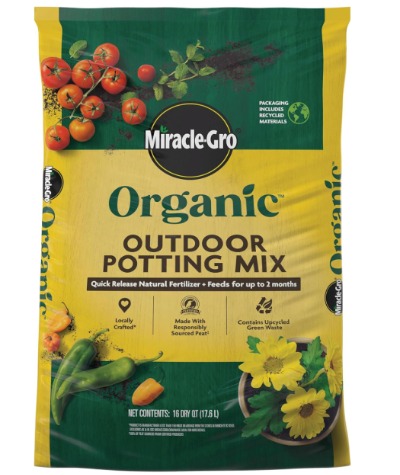
This 16-quart bag delivers a complete organic growing medium designed specifically for outdoor containers and raised beds. The mix includes aged compost and natural fertilizer that starts feeding plants immediately.
OMRI certification confirms it meets organic gardening standards. The blend balances moisture retention with drainage, creating an environment where roots thrive.
Best Use Cases
This mix works beautifully in small to medium raised beds, especially for beginners who want simplicity. It’s ideal for growing vegetables, herbs, and flowers without complicated mixing.
Use it for deck containers, patio planters, or any outdoor growing situation where you want organic soil right out of the bag. It saves time when setting up multiple containers or filling a new raised bed quickly.
Key Features Explained
The aged compost provides organic matter that improves soil structure and feeds beneficial microorganisms. This creates a living soil that supports healthy plant growth.
Quick-release natural fertilizer means plants get nutrition from day one. You won’t see the same immediate boost as synthetic fertilizers, but the feeding is gentler and more sustainable.
The mix drains excess water while keeping enough moisture for roots. This balance prevents both drowning and drought stress.
Real-Life Performance
Pour this mix straight from the bag into your raised bed or container. The texture feels rich and slightly moist, with visible organic matter throughout.
Plants establish quickly in this medium. Seedlings transplant easily without shock. Vegetables grow vigorously during the first few weeks as they access the included nutrients.
The fertilizer typically lasts 2-3 months, not the full growing season. You’ll need to supplement with additional feeding as plants mature and deplete nutrients.
Honest Pros and Cons
Pros:
- Zero mixing required
- Organic certification for chemical-free growing
- Immediate nutrition for quick plant starts
- Good moisture management
- Consistent quality batch to batch
- Works straight from the bag
Cons:
- Only 16 quarts per bag limits coverage
- Built-in fertilizer depletes relatively quickly
- Higher price point per cubic foot
- May compact over time in raised beds
- Not ideal for large-scale projects
- Some bags arrive drier than others
Ease of Use
This product couldn’t be simpler. Open the bag, pour it where you need it, and plant immediately. No measuring, mixing, or waiting required.
The convenience appeals to busy gardeners or anyone new to raised bed gardening. You skip the learning curve of balancing different amendments.
The lightweight bag makes carrying and pouring easy, even for those with limited strength or mobility issues.
Value Assessment
You pay premium pricing for the convenience and organic certification. When filling large raised beds, buying multiple bags adds up quickly.
The included fertilizer adds value since you avoid separate purchases initially. However, the limited quantity per bag means you’ll need several for even a modest 4×8 bed.
For small projects or container gardening, the convenience justifies the cost. For larger raised beds, consider this as a top layer over cheaper base materials.
3. Miracle-Gro Potting Mix (Non-Organic) – Best for Extended Feeding
Product Overview
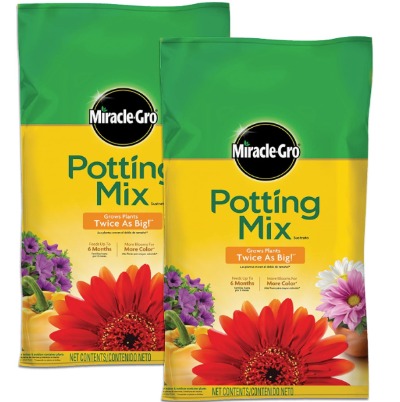
This 8-quart potting mix comes in a convenient 2-pack, providing 16 quarts total. The formula includes synthetic fertilizers designed to feed plants continuously for up to six months.
The mix works for containers, raised beds, and various plant types including vegetables, flowers, shrubs, annuals, and perennials. The texture promotes healthy root development through balanced aeration and moisture retention.
Best Use Cases
This mix suits gardeners who want extended feeding without constant fertilizer applications. It works great for busy people who might forget regular feeding schedules.
Use it for ornamental plants, flowers, or vegetables when organic certification isn’t a priority. It excels in situations where maximum growth and flowering matter more than organic methods.
The 6-month feeding window covers most growing seasons from spring planting through fall harvest.
Key Features Explained
The slow-release fertilizer technology delivers nutrients gradually as plants need them. This prevents the feast-or-famine cycle that can stress plants.
The mix contains perlite and other ingredients that keep it from compacting. Air pockets remain even after repeated watering, allowing roots to breathe.
Moisture control features help prevent overwatering and underwatering. The mix absorbs water when saturated but releases excess to prevent root rot.
Real-Life Performance
Plants show vigorous growth within days of planting. The synthetic fertilizers work faster than organic options, delivering visible results quickly.
Flowers bloom abundantly and vegetables produce heavily throughout the season. The consistent feeding eliminates the guesswork of fertilizer timing.
The mix maintains its structure well over months of watering. It doesn’t break down into a dense, airless mass like some cheaper potting soils.
After 4-5 months, you might notice slower growth as nutrients deplete. A light supplemental feeding extends productivity through the season’s end.
Honest Pros and Cons
Pros:
- Feeds plants for up to six months
- Fast initial growth response
- Comes in a convenient 2-pack
- Maintains structure throughout the season
- Excellent moisture management
- Works for diverse plant types
Cons:
- Not certified organic
- Contains synthetic ingredients
- Only 16 quarts total coverage
- Less environmentally sustainable
- May burn sensitive plants if overwatered initially
- Not suitable for organic vegetable gardening
Ease of Use
The straightforward application matches the organic version – just open and use. The included fertilizer means you can plant immediately without additional preparations.
The 6-month feeding simplifies garden maintenance significantly. You focus on watering and harvesting rather than feeding schedules.
The 8-quart bags are easy to handle and store. The 2-pack provides enough for several containers or a small raised bed section.
Value Assessment
The extended feeding period delivers solid value compared to buying soil and fertilizer separately. The synthetic fertilizers cost less to produce than organic alternatives, keeping prices reasonable.
For the quantity provided, the price per cubic foot remains competitive with premium organic options. The 2-pack format often costs less than buying two individual bags.
If you’re not committed to organic gardening, this mix offers excellent performance per dollar spent. The long feeding window reduces overall growing season costs.
4. Michigan Peat Garden Magic – Best Bulk Value
Product Overview
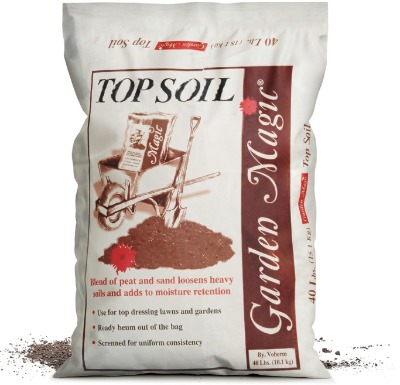
This 40-pound bag provides a substantial quantity of organic planting and potting soil blend. The mix combines peat, perlite, compost, and other organic materials to create a versatile growing medium.
The blend works for both indoor and outdoor gardening, from houseplants to raised beds to landscape applications. The larger bag size makes it economical for bigger projects.
Best Use Cases
This soil shines when filling large raised beds or multiple containers. The bulk quantity makes it practical for gardeners with bigger growing spaces.
Use it for general vegetable gardening, flower beds, or improving existing garden soil. It works well mixed into native soil to boost organic matter and drainage.
The mix suits both new bed construction and annual bed refreshing. It also works for starting perennial beds or improving landscape planting areas.
Key Features Explained
The peat base provides excellent water retention while maintaining air pockets for root health. Peat’s acidic nature benefits acid-loving plants but might need pH adjustment for others.
Perlite addition improves drainage and prevents compaction. These white volcanic rock pieces create permanent air channels through the soil.
The compost adds nutrients and beneficial microorganisms. This living component helps plants access nutrients and resist diseases.
The organic composition means it’s safe for edible plants. You avoid chemical residues on your vegetables and herbs.
Real-Life Performance
The 40-pound bag provides significant volume for the price. You’ll get enough to make a noticeable impact on your garden without buying multiple small bags.
The texture feels rich when you dig into it. The mix has good moisture retention without becoming waterlogged. Plants root strongly in this medium.
Some gardeners notice the mix arrives fairly dry. Moistening it before use helps it blend better with other materials and reduces dust.
The peat content means this mix will break down over time, requiring eventual replenishment. Annual topdressing maintains soil quality.
Honest Pros and Cons
Pros:
- Large quantity for the money
- Organic ingredients safe for food crops
- Versatile for multiple gardening applications
- Good water retention properties
- Perlite prevents compaction
- Works well as a soil amendment
Cons:
- Peat moss raises environmental concerns
- May need pH adjustment for some plants
- Can arrive very dry and dusty
- Heavy bag difficult to move
- Nutrient content varies by batch
- Breaks down relatively quickly
Ease of Use
The large bag requires some muscle to move and open. Once you break into it, the contents pour or scoop easily into beds or containers.
The mix integrates well with other amendments if you want to customize your blend. It also works fine straight from the bag for less demanding plants.
Dry contents mean less mess than some pre-moistened products, but you’ll need to add water before planting for best results.
Value Assessment
The 40-pound quantity delivers the most soil per dollar of any product in this roundup. For large-scale raised bed projects, this becomes significant savings.
The organic composition adds value for gardeners prioritizing natural growing methods without paying premium organic branding prices.
The bulk format means less packaging waste and fewer trips to the store. Stock up and save both money and time.
However, the peat content concerns some environmentally conscious gardeners. Weigh this against your values and gardening goals.
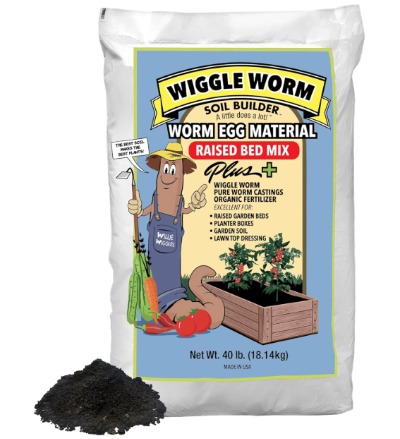
5. Raised Bed Mix with Worm Castings – Best Premium Organic Option
Product Overview
This 40-pound bag contains a specialized blend designed specifically for raised bed and container gardening. The mix features worm castings and worm egg material, creating a nutrient-rich, biologically active growing medium.
The formulation is completely organic and odor-free despite the worm-based ingredients. The blend provides both immediate and long-term nutrition as worm populations develop.
Best Use Cases
This mix excels when you want the absolute best growing conditions for vegetables and herbs. The worm castings provide exceptional nutrition in forms plants easily absorb.
Use it for high-value crops like tomatoes, peppers, and herbs where superior growth justifies premium soil cost. It’s perfect for gardeners transitioning to organic methods who want proven results.
The living soil biology makes it ideal for no-till raised bed systems where you build soil health over time rather than replacing it annually.
Key Features Explained
Worm castings deliver a complete spectrum of plant nutrients in slow-release form. Plants access these nutrients gradually, promoting steady, healthy growth without burning.
The worm egg material continues enriching the soil as worms hatch and multiply. This creates an ongoing soil improvement process beyond the initial application.
The odor-free formulation means you can use it near patios, decks, or anywhere without unpleasant smells. Many organic fertilizers have strong odors that this product avoids.
The biological activity in this mix improves soil structure over time. Beneficial microorganisms break down organic matter and make nutrients available to plants.
Real-Life Performance
Plants grown in this mix show exceptional vigor and deep green foliage. The complete nutrition supports both growth and fruiting without needing additional fertilizers for several months.
The soil texture stays loose and fluffy throughout the season. Worm activity creates channels that improve both drainage and air circulation.
Vegetables taste noticeably better when grown in this nutrient-rich environment. The balanced nutrition promotes flavor development alongside growth.
The living biology means this soil gets better with age rather than depleting. Each season, the soil quality improves as worm populations increase.
Honest Pros and Cons
Pros:
- Premium worm castings provide exceptional nutrition
- Living soil biology improves over time
- Truly odor-free despite organic ingredients
- Creates outstanding flavor in vegetables
- Self-renewing nutrition from worm populations
- Perfect for organic gardening goals
Cons:
- Highest price point of reviewed products
- 40 pounds still covers limited area
- Living organisms need proper moisture
- May attract birds digging for worms
- Premium cost not needed for all plants
- Requires consistent care to maintain biology
Ease of Use
The mix arrives ready to use straight from the bag. Just pour it into your raised bed and plant. The texture makes it easy to work with bare hands.
Maintaining the worm population requires keeping the soil consistently moist but not waterlogged. This is good practice anyway but becomes more important here.
The living nature means you should avoid harsh chemical pesticides or fertilizers that could harm beneficial organisms.
Value Assessment
This represents the highest cost per pound of any product reviewed. However, the premium ingredients and living biology justify the expense for serious gardeners.
The self-improving nature means you invest once and benefit for years. The soil gets richer rather than depleting, unlike conventional mixes.
For dedicated organic gardeners or those growing high-value crops, the superior results validate the premium pricing. For casual gardening, cheaper options might make more sense.
The 40-pound bag provides better value than buying smaller quantities of worm castings and mixing them yourself.
Comparison Insights: How These Products Stack Up
Price Per Cubic Foot
Michigan Peat Garden Magic offers the most soil for your money, making it ideal for budget-conscious gardeners with large beds to fill. The 40-pound bag covers more area than multiple small bags of premium products.
The Miracle-Gro options fall in the middle range. You pay more per cubic foot but get convenience and included fertilizers that offset some cost.
Back to The Roots coir seems expensive initially, but remember it expands significantly. Calculate the final volume after expansion for true cost comparison.
The Raised Bed Mix with worm castings costs the most per pound but delivers premium ingredients you’d pay even more for separately.
Nutrient Content
The Raised Bed Mix leads in natural nutrition thanks to worm castings and ongoing biological activity. Plants get everything they need for months of productive growth.
Miracle-Gro Potting Mix (non-organic) provides the longest synthetic feeding at up to six months. Growth is vigorous but not organic.
Miracle-Gro Organic Outdoor Mix includes quick-release natural fertilizer that lasts 2-3 months. It’s a middle ground between fully natural and synthetic.
Michigan Peat Garden Magic has moderate nutrients from compost. You’ll need to supplement earlier than the Miracle-Gro products.
Back to The Roots coir contains zero nutrients. It serves as a base requiring complete amendment with compost or fertilizer.
Drainage and Moisture Balance
Back to The Roots coir excels at water management. It holds moisture near roots while draining excess perfectly, preventing both drought and rot.
Michigan Peat Garden Magic also drains well thanks to perlite content. The peat retains moisture effectively for consistent plant access.
Both Miracle-Gro products include moisture control features. They prevent overwatering better than basic potting soils.
The Raised Bed Mix maintains excellent drainage through its fluffy texture and worm activity. The biological life creates natural drainage channels.
Environmental Considerations
The Raised Bed Mix and Miracle-Gro Organic options use sustainable ingredients with organic certifications. They’re safe for organic vegetable production.
Back to The Roots coir provides a sustainable peat alternative. Coconut coir is renewable and doesn’t deplete peat bogs.
Michigan Peat Garden Magic uses peat moss, which raises sustainability concerns. Peat bogs take centuries to develop, making harvest impact significant.
Miracle-Gro Potting Mix (non-organic) uses synthetic fertilizers. It’s less environmentally friendly but highly effective for plant growth.
Longevity in Beds
Back to The Roots coir lasts the longest without breaking down. It maintains structure for multiple seasons before needing replacement.
The Raised Bed Mix improves over time as worm populations grow. The soil actually gets better rather than depleting.
Michigan Peat Garden Magic breaks down moderately fast. Plan to refresh beds annually or add new material to maintain depth.
Both Miracle-Gro products maintain structure well through a single season but will need replacement or amendment the following spring.
Complete Buying Guide for Raised Bed Soil
Understanding Your Bed Size Needs
Calculate your raised bed volume before shopping. Measure length times width times depth in feet, then multiply by 7.5 to get gallons needed.
A standard 4×8 foot bed that’s 12 inches deep holds about 240 gallons (roughly 32 cubic feet). That’s a lot of soil, so consider costs carefully.
Smaller beds and containers need less volume. A single 40-pound bag might cover a 4×4 bed or several large containers.
First-Time Setup vs. Maintenance
New beds require complete filling with quality soil. This represents your biggest soil investment but creates the foundation for years of growing.
Established beds need topdressing annually. Add 2-4 inches of fresh compost or soil to replace what’s depleted or settled. This costs much less than initial filling.
Consider cheaper base layers for new beds. Use straw, leaves, or basic topsoil in the bottom 6-8 inches, then top with premium growing mix.
Organic vs. Conventional
Organic certification matters when growing food crops where you want to avoid chemical residues. The premium cost buys peace of mind for your family’s health.
Conventional synthetic fertilizers grow plants faster and bigger. They work great for ornamental beds where organic status doesn’t matter.
Some gardeners use organic soil but supplement with synthetic fertilizers for heavy feeders like tomatoes. There’s no requirement for all-or-nothing approaches.
Climate and Regional Factors
Hot, dry climates benefit from moisture-retentive soils. Look for coir, peat, or moisture control features to reduce watering frequency.
Rainy regions need exceptional drainage. Perlite-heavy mixes or straight coir prevent waterlogged conditions that rot roots.
Cold climates with short seasons might benefit from synthetic fertilizers that provide quick growth. Organic options work but may produce slower initial results.
Plant-Specific Requirements
Acid-loving plants like blueberries thrive in peat-based mixes. The natural acidity creates ideal pH conditions.
Vegetables generally prefer neutral pH around 6.5-7.0. Most reviewed products work well, but test and adjust Michigan Peat if needed.
Herbs often want leaner soil with excellent drainage. Coir-based mixes or mixes with extra perlite prevent root rot in Mediterranean herbs.
Budget Planning Strategies
Buy in bulk when possible. The Michigan Peat 40-pound bag or multiple bags of other products cost less per cubic foot than small quantities.
Start with quality soil in the root zone (top 8-10 inches) and use cheaper material below. Roots access the good stuff while you save money on filler.
Make your own mix from components. Buy coir, compost, and perlite separately, then blend custom ratios for maximum value.
Time purchases around sales. Garden centers discount soil products in late summer and early fall as growing season ends.
Who Should Buy Each Product
Back to The Roots Organic Coir
This works best for experienced gardeners comfortable mixing custom soil blends. If you enjoy the DIY aspect and want complete control over ingredients, this is your base material.
Small-space gardeners love the compact storage. Apartment dwellers or those with limited storage appreciate the brick format.
Environmentally conscious gardeners seeking peat alternatives find this perfect. You get excellent performance without peat bog concerns.
Miracle-Gro Organic Outdoor Potting Mix
Beginning gardeners who want organic growing without complexity benefit most. You skip the learning curve of mixing amendments.
Busy people appreciate the ready-to-use format. You save time on prep work and get right to planting.
Container gardeners with multiple pots find this convenient. Buy several bags and fill all your containers in one afternoon.
Miracle-Gro Potting Mix (Non-Organic)
Gardeners prioritizing maximum growth and flowering choose this. The synthetic fertilizers deliver impressive results fast.
Those with ornamental beds where organic certification doesn’t matter get great value. Flower beds bloom abundantly with minimal effort.
People who forget regular feeding schedules benefit from the 6-month nutrition. The slow-release formula forgives sporadic care.
Michigan Peat Garden Magic
Budget-conscious gardeners filling large beds save significantly. The 40-pound bag provides the most coverage per dollar.
Those comfortable amending soil appreciate the good base this provides. Mix in your own compost or fertilizer as needed.
Gardeners building multiple beds or refreshing existing ones need this quantity. Stock up for complete garden renovation projects.
Raised Bed Mix with Worm Castings
Serious organic gardeners wanting premium results invest in this. The worm castings deliver nutrition conventional mixes can’t match.
Vegetable gardeners growing food for their families benefit from the clean, chemical-free nutrition. Your harvest tastes amazing.
No-till gardeners building living soil systems need this biological activity. The worm populations create self-sustaining soil ecosystems.
Common Mistakes to Avoid When Using Raised Bed Soil
Skipping Proper Watering After Filling
Many gardeners fill their beds and plant immediately without properly moistening the soil. Dry soil repels water initially, creating dry pockets around roots.
Wet the soil thoroughly before planting. Let it absorb water for a few hours or overnight. This ensures even moisture distribution.
Check deep into the bed, not just the surface. Dig down several inches to confirm moisture has penetrated throughout.
Using Coir Without Amendments
Back to The Roots coir alone won’t grow healthy plants. It needs nutrients from compost, worm castings, or fertilizer.
Mix at least 30-40% compost or finished compost with coir. Add slow-release organic fertilizer if compost quality is uncertain.
Test your mix before planting by growing a few quick crops like lettuce or radishes. They’ll show nutrient deficiencies early if your blend needs adjustment.
Overfilling Containers and Beds
Leave 2-3 inches of space between soil surface and bed top. Overfilling causes messy overflow when watering and makes mulching difficult.
Soil settles over time, especially organic-rich mixes. That perfect-to-the-top fill drops several inches after a few waterings and some settling.
Plan for this settling when initially filling beds. Slight underfilling saves cleanup and allows easy topdressing later.
Ignoring pH Requirements
Some plants have specific pH needs that general potting mixes might not meet. Blueberries fail in neutral soil, while most vegetables struggle in acidic conditions.
Test your soil pH before planting acid-lovers or pH-sensitive crops. Simple test kits cost just a few dollars and prevent expensive failures.
Adjust pH with lime to raise it or sulfur to lower it. Make changes weeks before planting to allow complete soil reaction.
Mixing Incompatible Materials
Avoid adding fresh wood chips or uncomposted materials directly to planting mix. They steal nitrogen during decomposition, starving your plants.
Don’t mix heavy clay soil with light potting mix expecting to improve it. The layers separate and create drainage issues instead.
Keep planting mix separate from paths or lawn areas. The fine texture erodes easily and creates maintenance headaches.
Not Planning for Settling and Compaction
All organic soils settle and break down over time. Plan to add fresh material annually to maintain bed depth.
Avoid walking on raised bed soil. Foot traffic compacts even fluffy mixes, reducing air space roots need.
Fluff the soil surface regularly with a cultivating fork. This breaks up any crusting and keeps oxygen flowing to roots.
Using Garden Soil in Containers
Regular “garden soil” or “top soil” products compact severely in containers. They’re designed for in-ground use where earth underneath provides drainage.
Stick with potting mixes or container-specific products for raised beds. These maintain structure even in the confined spaces.
If using garden soil, mix it 50/50 with perlite or coir to improve drainage and prevent compaction.
Final Verdict: Which Soil Should You Choose?
After testing and comparing these five products, here’s the bottom line for each:
Choose Back to The Roots Organic Coir when you want maximum control over your soil blend and prefer sustainable ingredients. It’s the best peat alternative and offers excellent value after expansion, but requires effort to mix a complete growing medium.
Pick Miracle-Gro Organic Outdoor Potting Mix if you’re starting out in raised bed gardening and want organic certification with zero mixing required. It works beautifully straight from the bag but costs more per cubic foot and runs small for big beds.
Go with Miracle-Gro Potting Mix (Non-Organic) when you prioritize vigorous growth and extended feeding over organic status. The 6-month nutrition and excellent performance make it perfect for ornamental beds and busy gardeners who can’t fertilize regularly.
Select Michigan Peat Garden Magic for large-scale projects where budget matters most. The 40-pound bag delivers serious value for filling big beds or multiple containers, though you’ll need to supplement nutrients sooner than with Miracle-Gro products.
Invest in Raised Bed Mix with Worm Castings when you’re serious about organic vegetable gardening and want the absolute best nutrition for your crops. The premium price buys premium results, with self-improving soil that gets better every season.
For most gardeners, I’d suggest this approach: use Michigan Peat Garden Magic or expanded coir as your base to save money on volume. Then mix in the Raised Bed Mix with worm castings in the top 6-8 inches where plant roots feed most actively. This strategy balances cost with performance beautifully.
First-time gardeners should start with Miracle-Gro Organic Outdoor Mix to experience success without complications. Once you understand how your beds perform, experiment with custom blends in following seasons.
Remember that soil is an investment, not an expense. Quality soil produces healthy plants, abundant harvests, and delicious vegetables worth far more than you spent. Cheap soil leads to disappointing results and wasted time.
Your raised beds will only be as good as the soil you fill them with. Take time to choose wisely based on your specific needs, budget, and gardening goals. Any of these five products can work well when matched to the right situation.
Start with the best soil you can afford, feed your plants consistently, and watch your garden thrive. The difference between mediocre soil and great soil shows up in every tomato, pepper, and handful of herbs you harvest. Your future self will thank you for investing in quality growing medium from the start.

Hi, I’m Mary, the founder of GardenCure.com. I’m passionate about creating healthy, beautiful gardens and well-kept lawns. I share practical experience and trusted advice on garden and lawn gear that truly works. With the support of my dedicated research team, our writers produce honest, in-depth reviews using reliable, authentic sources—helping you choose the right tools with confidence for your outdoor space.