
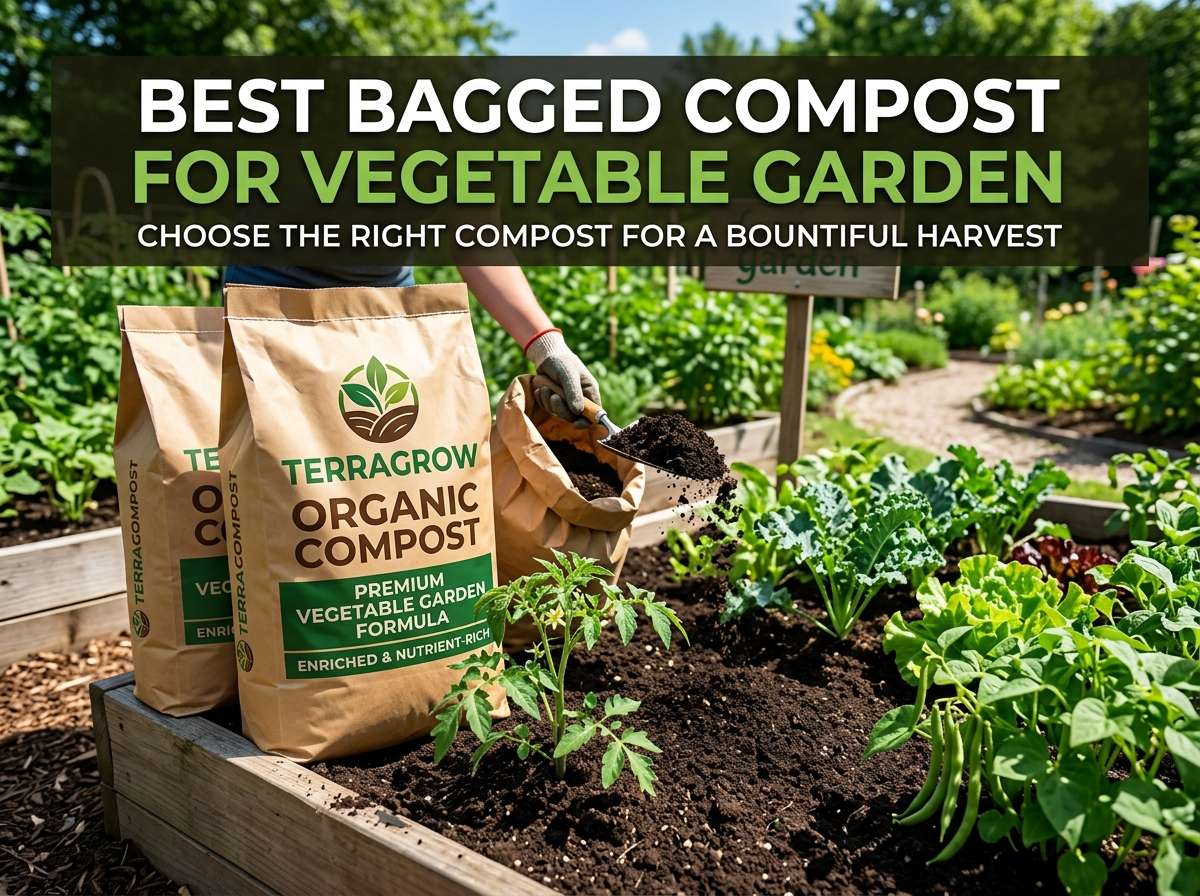
5 Best Bagged Compost for Vegetable Garden In 2026
When you’re ready to grow vegetables, one thing becomes crystal clear fast: good soil makes all the difference. You can have the perfect sunny spot and water your plants religiously, but without quality compost, your veggies won’t reach their full potential. The problem is that finding the right bagged compost for your garden feels overwhelming. There are so many options at garden centers and online stores. Some cost a fortune. Others promise the world but deliver disappointment. You need something that actually works without breaking the bank.
In this article
I’ve spent time digging into the top bagged compost options available right now. This guide breaks down five solid choices that work well for vegetable gardens. You’ll learn what makes each one special, when to use it, and whether it’s worth your money. By the end, you’ll know exactly which compost fits your gardening situation.
Why Bagged Compost Matters for Vegetable Gardens
Let’s start with the basics. Compost is decomposed organic material. It’s dark, crumbly, and rich. When you mix it into your soil, it does several important things. It adds nutrients that plants need to grow. It improves soil structure so water drains better and roots spread easier. It helps soil hold moisture on hot days. It feeds the tiny microbes in soil that help plants absorb nutrients.
Bagged compost beats making your own because you don’t have to wait. Homemade compost can take six months to a year to finish breaking down. Bagged compost is ready to use right out of the bag. You can start planting within days. For beginners, this is huge.
The challenge is picking the right kind. Not all bagged compost is created equal. Some are mostly filler material. Others have the wrong nutrient balance for vegetables. Some smell terrible. The best ones for vegetable gardens are dark, have a pleasant earthy smell, and contain actual nutrients.
1: Michigan Peat Compost and Manure Blend Garden Magic Mix
Product Description
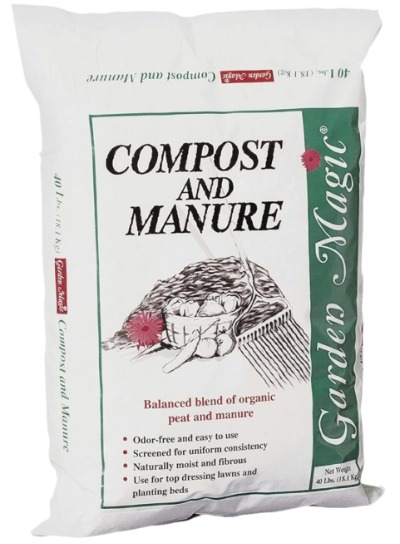
The Michigan Peat Compost and Manure Blend comes in a 40-pound bag. It’s a mix of peat moss, compost, and composted manure all blended together. The bag is designed to be easy to carry and tear open. The mixture inside is dark brown with visible texture. It feels crumbly and has a strong earthy scent that most gardeners find pleasant.
Best Use Cases
This product shines when you need to revive tired garden beds or improve clay soil. It works great for raised garden boxes since the bag size is perfect for filling small to medium spaces. New gardeners often start with this because it’s affordable and shows quick results. It’s particularly good if your soil feels heavy or compacted.
Key Features Explained
The blend combines three key ingredients. Peat moss holds water and air spaces for roots. Compost adds organic matter and slowly releases nutrients. Manure provides nitrogen and other minerals plants crave. Together, they create a balanced mix that feeds soil life and plants at the same time. The odor-free label means it’s been processed to reduce smell, though you’ll still notice an earthy aroma.
Real-Life Usage Insight
When you open the bag and scoop this into your beds, you notice the texture right away. It’s not fine powder. It’s chunky enough to mix well with existing soil without turning into mud. Most gardeners mix it about 30% by volume with their native soil. So if you have twelve inches of existing soil, add four inches of this blend on top and till it in. The results show up fast. Plants seem happier within two weeks.
Honest Pros and Cons
The main strength is value. You get 40 pounds for a reasonable price. It improves soil noticeably after one season. The manure component means you don’t need to add extra fertilizer immediately. The earthy smell is appealing to most gardeners. One downside is that it’s heavy. Moving 40-pound bags requires some strength or help. Another consideration is that it’s not certified organic if that matters for your garden. The texture can be inconsistent between batches.
Performance Discussion
In actual garden beds, this compost performs solidly for vegetable growing. Tomatoes, peppers, and leafy greens all respond well. Soil drainage improves noticeably in clay soils after one season. Nitrogen-hungry plants like corn and squash thrive. The manure content means you might see some weed seeds sprout initially, though most are killed during composting. After your first season, soil structure continues improving as microbes break down the organic matter.
Ease of Use
Using this product couldn’t be simpler. Open the bag. Spread it where you need it. Mix it into existing soil or use it as a top layer. No special tools needed. No mixing or waiting. Beginners can handle this without any experience. The bag design makes pouring easier than loose compost.
Value for Money
At the price point, this is a smart investment. You’re getting organic matter and nutrients in one product. You don’t need to buy manure separately. You don’t need to buy peat moss separately. The cost per pound is lower than many premium options. For a first garden or filling raised beds on a budget, this delivers solid results without overspending.
2: Back to the Roots 25.7qt Organic Premium Compost
Product Description
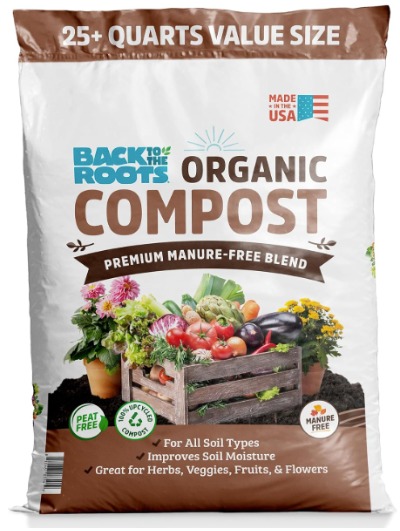
Back to the Roots sells their compost in a 25.7-quart compressed block. It’s about the size of a small cooler but much lighter when unopened. The compost expands significantly when you open it, which confuses some people at first. Inside, you find dark, fine-textured material that smells clean and earthy. It’s certified organic, which matters if you grow food for people with dietary preferences around chemicals.
Best Use Cases
This works best for gardeners who value organic certification. It’s perfect for mixing into potting soil if you want to make your own potting blend. It works well for container gardens and raised beds. The compressed packaging means easier shipping and storage. Gardeners planting root vegetables, brassicas, and herbs see excellent results. It’s ideal if you want to avoid any synthetic additives.
Key Features Explained
The organic certification means it meets strict standards. No synthetic fertilizers were used. No toxic pesticides. No sewage sludge. It’s made from plant-based materials, yard waste, and food scraps that have fully decomposed. The fine texture means it mixes evenly with soil. It has good water-holding capacity. The compression saves shipping weight and space, but it expands to the full volume when opened.
Real-Life Usage Insight
When you first open the package, the compressed block looks smaller than expected. But as you break it apart and fluff it, it expands into a decent amount of material. Most gardeners are pleasantly surprised by how much they get. The fine texture makes it easy to work with. You don’t need tools to break it up. Your hands are sufficient. It mixes easily with soil because it’s not chunky.
Honest Pros and Cons
The biggest advantage is organic certification and clean sourcing. You know exactly what went into it. The fine texture appeals to gardeners who want smooth, uniform soil. The compressed packaging is smart for delivery. Spreading and mixing takes less effort than chunky compost. The price is slightly higher than conventional options, which reflects the organic sourcing. Some gardeners worry about whether the compression process affects quality, though testing shows it doesn’t. The smell is mild compared to manure-based blends.
Performance Discussion
In garden beds, this compost performs reliably season after season. Vegetables grow well. Soil improvement is gradual but steady. Because it’s plant-based, nitrogen release is slower than manure-based products. You might need to add a nitrogen boost for heavy feeders like tomatoes. Soil structure improves noticeably. Water retention increases. Microbial activity is robust. Root vegetable gardeners report excellent results with cleaner, straighter carrots and beets.
Ease of Use
This is user-friendly from start to finish. The bag is light to carry despite containing a lot of material. Opening and expanding the compost is straightforward. Mixing into soil is easy because the texture is fine. No mess or waste. The compressed format means less packaging waste, which appeals to eco-conscious gardeners. Cleanup is minimal.
Value for Money
You’re paying a premium for organic certification. Whether that’s worth it depends on your values. If you’re growing vegetables for people with strict dietary preferences or you want to avoid synthetic inputs entirely, the extra cost makes sense. If you just want good soil, other options offer similar performance at lower cost. The compressed packaging saves on shipping costs, which helps offset the higher price slightly.
3: OMRI Certified Organic Compost
Product Description
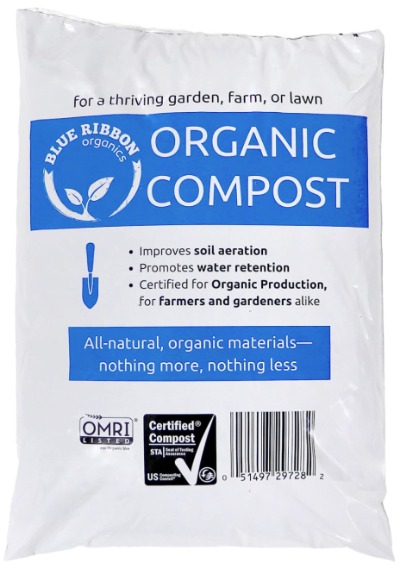
This product comes in a 3-gallon bag weighing 12 to 15 pounds depending on moisture content. OMRI certification is serious business in the organic world. It means third-party inspectors verified the sourcing and production. The compost inside is dark and uniform. It has a pleasant earthy smell. The bag size is convenient for smaller projects.
Best Use Cases
This shines for gardeners doing organic certification themselves or selling at farmers markets. It’s perfect for small gardens, containers, and raised beds. It works great mixed with existing soil at a 25% by volume ratio. Herb gardens love this product. Vegetable gardeners who need certified organic inputs find it indispensable. It’s ideal for people who want to start small and scale up.
Key Features Explained
OMRI stands for Organic Materials Review Institute. This certification is gold standard in organic gardening. It means the compost is made from approved materials only. The ingredients are sourced responsibly. Production methods meet organic standards. Unlike some products that claim organic, OMRI certification is verified by outsiders. The 3-gallon size is manageable for one person. It covers a small area efficiently.
Real-Life Usage Insight
This compost looks and feels premium. When you open the bag, the dark color and fine texture are immediately obvious. There’s no filler or rough chunks. Mixing it into soil is effortless. You can work with it by hand. The volume is enough to add to a small raised bed or large container garden. For people new to gardening, this size feels manageable. You can experiment without committing to large quantities.
Honest Pros and Cons
The main advantage is certification. If you need organic-verified inputs, this delivers. The small size is convenient and not overwhelming. The quality is consistent and high. The dark color indicates good breakdown. The smell is pleasant. The price per unit is higher than bulk options, which is normal for certified products. You need multiple bags to cover a large area. Storage might be tight if you don’t have much space.
Performance Discussion
In actual gardens, this compost delivers excellent results. Plants respond well. Soil improvement happens steadily. Because the bags are smaller, you notice results less dramatically than with large single applications. But over one season, the soil quality improves noticeably. Vegetable yields increase. Soil structure becomes more crumbly. Water retention improves. Microbial activity is strong.
Ease of Use
This is about as easy as it gets. The bag size is manageable. Opening is simple. The fine texture means no prep work. You can use it straight from the bag. Mixing into soil takes seconds. Storage is simple. Cleanup is minimal. Beginners find this product friendly and straightforward.
Value for Money
You’re paying for certification and quality assurance. The per-pound cost is higher than bulk products. But if you need certified inputs, the cost is justified. If you’re growing organically for personal use and don’t need official certification, other products offer similar performance at lower cost. For small gardens and containers, this size and price point makes sense.
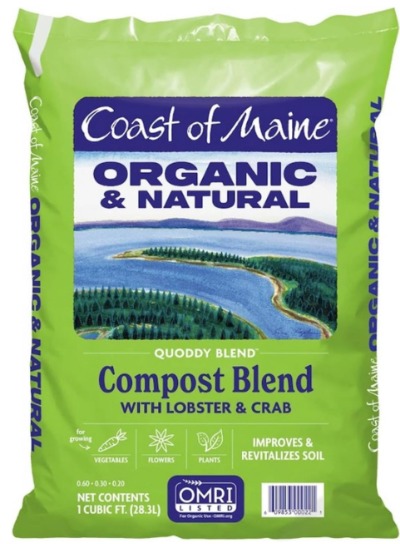
4: Coast of Maine Organic & Natural Quoddy Blend
Product Description
Coast of Maine makes this specialized blend combining several premium ingredients. You get composted manure, sphagnum peat moss, lobster shell meal, and crab shell meal all together. It comes in a 1-cubic-foot bag. The color is dark brown. The texture is fine and crumbly. The smell is earthy and pleasant. This product is designed specifically for soil amendment and blending.
Best Use Cases
This works exceptionally well for raising soil pH in acidic soils because of the shell meal. It’s perfect for vegetable gardeners who want enhanced nutrients built in. It shines in raised beds, containers, and garden beds. Gardeners growing calcium-hungry plants like tomatoes and peppers see excellent results. It’s ideal for coastal regions where local ingredients make sense. Organic gardeners appreciate the natural sourcing.
Key Features Explained
The lobster and crab shell meal adds calcium and trace minerals. Vegetables get a boost of nutrients they actually need. The shells also help balance pH in acidic soils. Sphagnum peat moss provides water retention and air spaces. Composted manure adds nitrogen and organic matter. Together, they create a nutrient-dense mixture that supports vegetables better than basic compost. The blend is designed by people who understand vegetable growing.
Real-Life Usage Insight
When you open this bag, you notice the rich, complex smell immediately. It’s not overwhelming but distinctive. The texture is uniform and fine. Mixing it into soil is straightforward. Gardeners often use it as 30 to 40 percent of their soil mix. Plants respond noticeably. Tomatoes especially seem to thrive when grown in soil amended with this blend. The calcium content prevents blossom end rot, a common problem with tomatoes.
Honest Pros and Cons
The main strength is the specialized formula. You get multiple benefits in one product. The shell meal is a selling point that actually delivers. The sourcing from Maine is appealing to people who care about local products. The performance is excellent. The texture is premium. One consideration is price. This product costs more than basic compost. If you have acidic soil and grow tomatoes, the cost is justified. If your soil is already balanced, you might not see dramatic differences. The sourcing might be harder to verify for people outside the Northeast.
Performance Discussion
This compost performs excellently in actual gardens. Soil structure improves. Nutrient availability increases. pH balance improves in acidic soils. Tomato and pepper yields are noticeably better than with basic compost. Microbial activity is strong. Calcium availability prevents common deficiencies. Over multiple seasons, soil quality continues improving. The shell meal breaks down slowly, providing long-term benefits.
Ease of Use
This is straightforward to use. The 1-cubic-foot size is substantial but manageable. Opening the bag is simple. The fine texture requires no prep work. You can use it straight from the bag or mix it into existing soil. Most gardeners mix it in at about one-third by volume. Cleanup is easy. No special tools needed. Beginners can handle this without difficulty.
Value for Money
You’re paying a premium for the specialized formula and sourcing. If you grow tomatoes and have acidic soil, this is an excellent investment. The shell meal alone is worth the extra cost if it prevents blossom end rot. If you need to amend large areas on a tight budget, there are cheaper options. For quality and performance in vegetable gardens, the cost is justified.
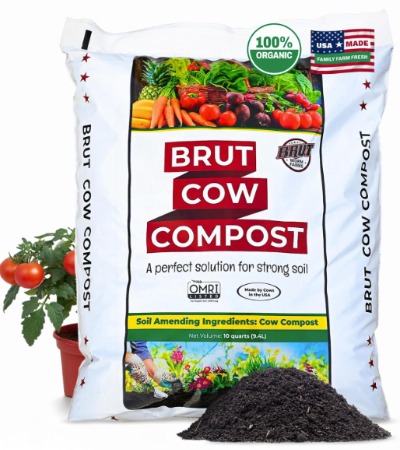
5: Brut Cow Compost
Product Description
Brut Cow Compost comes in a 10-quart bag of pure composted cow manure. There’s nothing else mixed in. No peat moss. No additives. No fillers. Just fully decomposed manure that’s dark, crumbly, and rich. The bag is easy to carry and tear open. The smell is earthy and mild for a manure product. The texture is uniform throughout.
Best Use Cases
This works best as an amendment to existing soil rather than a complete potting medium. It’s ideal for vegetable beds because vegetables are heavy feeders. It works great for annual flower beds. Gardeners reviving depleted soil find it excellent. It’s perfect for mixing with existing compost or peat moss to create custom blends. People who want a pure product without blending appreciate the simplicity.
Key Features Explained
Because this is 100 percent composted cow manure, it’s nitrogen-rich. The composting process kills weed seeds and disease organisms. The manure breaks down completely, so it’s not fresh manure with ammonia problems. The decomposition creates beneficial microbes that help plants absorb nutrients. The purity means you know exactly what you’re using. There are no mystery ingredients. No synthetic additives ever.
Real-Life Usage Insight
When you use this product, you mix it with existing soil. Most gardeners use about 20 to 30 percent by volume. So if you have 10 inches of soil, add 2 to 3 inches of this on top and mix in. The smell is present but not unpleasant. Gardens respond quickly. Leafy greens show green-up within a week. Fruiting plants like tomatoes and peppers respond well. The nitrogen boost is real and visible.
Honest Pros and Cons
The main advantage is purity and nitrogen content. You’re getting real nutrition for your vegetables. It’s effective and affordable. The smell is mild compared to fresh manure. It works quickly. One consideration is that it’s pure manure. Mixing it properly is essential. If you use too much, nitrogen can burn plants. You need to understand basic soil mixing. Another factor is that manure-based products can introduce weed seeds despite composting, though quality ones minimize this. The bag size of 10 quarts means you need multiple bags for large areas.
Performance Discussion
In actual gardens, this compost performs very well for vegetable growing. Nitrogen-loving plants thrive. Tomatoes produce abundantly. Peppers set lots of fruit. Leafy greens are vigorous and well-colored. Soil microbe activity is excellent. The composted manure feeds the biology in soil, which makes nutrients more available to plants. Results show up fast. By the second week, plants are noticeably greener.
Ease of Use
Using this product requires a bit more care than pre-mixed options. You need to mix it properly with existing soil. Using it straight in a container or bed isn’t recommended because it’s too concentrated. But if you understand basic mixing, it’s simple. Open the bag. Spread it in a layer. Mix it into existing soil. Water well. It’s straightforward once you understand the process. Beginners need a quick tutorial, but it’s not difficult.
Value for Money
This is one of the most affordable options per pound. You’re getting pure nutrition without paying for filler. The nitrogen content means you don’t need to buy fertilizer separately. Over one season, the cost savings add up. If you have a large garden and multiple bags, the total cost is significantly lower than premium blends. For budget-conscious gardeners with decent gardening knowledge, this is smart choice.
Comparison Chart and Quick Overview
Let’s put all five products side by side so you can see the differences clearly.
Michigan Peat Compost and Manure Blend is the middle ground. It’s not the cheapest, but it’s not expensive. It works well. It’s not certified organic, but it’s a solid all-around choice. Good for beginners. Best for soil improvement.
Back to the Roots Organic Premium Compost is the organic choice. You pay more, but you get certification. The compression is convenient. Good for people who care about certified inputs. Best for containers and fine mixing.
OMRI Certified Organic Compost is the small-scale organic solution. It’s expensive per unit, but the small size is perfect for testing or small gardens. Best for organic certification needs and containers.
Coast of Maine Quoddy Blend is the specialized formula. It costs the most, but it has shell meal for calcium and pH management. Best for tomato and pepper growing. Best if you have acidic soil.
Brut Cow Compost is the budget-friendly option with maximum nutrition. It requires more knowledge to use correctly. Best for large gardens on tight budgets. Best for vegetable beds that need nitrogen.
Detailed Buying Guide for Bagged Compost
Understand Your Soil First
Before buying anything, test your soil if possible. A simple kit from any garden center tells you the pH and nutrient levels. If your soil is acidic, the Quoddy Blend makes sense. If you don’t know anything about your soil, the Michigan Peat Blend or Back to the Roots are safe bets.
Calculate How Much You Need
For a standard garden bed, you need about one to three inches of compost mixed into the top six inches of soil. For a 4 by 8 foot bed, that’s roughly 8 to 24 cubic feet of compost, depending on how much you mix in. Most bagged products list coverage on the label. Read it carefully before buying.
Consider Your Budget
If money is tight, Brut Cow Compost or Michigan Peat are economical. If you want organic certification and have money to spend, Back to the Roots or OMRI Certified work. If you grow a lot of tomatoes and can invest more, Coast of Maine Quoddy Blend pays for itself in better harvests.
Think About Delivery and Storage
If you’re ordering online, consider shipping weight. Compressed products like Back to the Roots ship cheaper. If you’re buying locally, plan where you’ll store the bags. Do you have an outdoor shed? Space in a garage? Heavy bags like Michigan Peat need easy access.
Match Product to Your Garden Type
For raised beds, any product works, but smaller bags are convenient. For large in-ground beds, bulk buying makes sense. For containers, fine-textured options like Back to the Roots or OMRI Certified are better. For vegetable beds that need heavy feeding, Brut Cow Compost or Coast of Maine make sense.
Who Should Buy Each Product
Michigan Peat Compost and Manure Blend is for beginners who want a complete soil amendment without thinking too hard. It’s for gardeners fixing compacted or heavy clay soil. It’s for people on a moderate budget. It’s for anyone starting their first raised bed.
Back to the Roots Organic Premium Compost is for organic gardeners who need certification. It’s for people who want fine-textured, easy-to-use compost. It’s for container gardeners who want quality. It’s for anyone who cares about organic standards.
OMRI Certified Organic Compost is for gardeners doing official organic certification. It’s for people selling produce and needing verified inputs. It’s for small-scale gardeners who want quality over quantity. It’s for anyone starting a container garden slowly.
Coast of Maine Quoddy Blend is for tomato and pepper enthusiasts. It’s for gardeners with acidic soil. It’s for anyone who wants specialized nutrients built in. It’s for gardeners willing to invest more for better results.
Brut Cow Compost is for experienced gardeners who understand soil mixing. It’s for large-garden growers on tight budgets. It’s for vegetable beds that need nitrogen. It’s for anyone who wants pure nutrients without fillers.
Common Mistakes to Avoid When Using Bagged Compost
Don’t Use It Straight Without Mixing
All these products work best when mixed with existing soil. Using pure compost in a bed can cause drainage problems and nitrogen lock. Mix at 25 to 40 percent by volume with native soil or other growing medium.
Don’t Forget to Water After Application
Compost needs moisture to start breaking down and releasing nutrients. After spreading and mixing, water your bed thoroughly. Water regularly the first few weeks as compost settles and microbes become active.
Don’t Ignore Soil pH Issues
If your soil is very acidic or very alkaline, compost alone won’t fix it. Acidic soils benefit from Coast of Maine Quoddy Blend. Alkaline soils need lime or sulfur in addition to compost. Test your soil and address pH issues before or alongside compost application.
Don’t Apply Too Much Cow Manure
Brut Cow Compost is concentrated. Using more than 30 percent by volume can cause nitrogen burn or nutrient imbalance. More isn’t always better. Follow mixing ratios carefully.
Don’t Skip the Organic Option If Certification Matters
If you’re growing for customers or specific dietary purposes, don’t cheap out on compost. Use OMRI Certified or Back to the Roots Organic. Cutting corners here undermines your whole operation.
Don’t Buy All One Product Without Testing
Each product works differently depending on your specific soil and climate. If possible, start with one bag and test it. See how plants respond. Then buy more confidently.
Don’t Assume Cheaper Means Worse
Brut Cow Compost is cheaper than some options, but it performs excellently. Cheaper doesn’t always mean inferior. Look at nutrient content and performance, not just price.
Don’t Mix Products Carelessly
Combining two different products can create unpredictable results. If you want to use multiple products, plan it out. Don’t just throw different bags into the same bed without thinking.
Seasonal Considerations and Timing
The best time to apply compost is in fall or early spring. Fall application gives compost all winter to integrate with soil. Spring application works if you time it right before planting. For established gardens, adding a layer in fall and lightly working it in works well.
Summer applications are possible but less ideal. Heat can speed decomposition, which is good, but heat also stresses plants if you’re digging around roots. If summer application is your only option, mix it gently and water thoroughly.
Winter is challenging for bagged compost application. Frozen ground makes spreading difficult. But storing compost over winter in a covered spot until spring is fine. The cold won’t damage it.
Performance in Different Growing Conditions
All these products work better in certain situations. Clay soil, heavy and compacted, improves dramatically with any compost. The improvement is faster and more noticeable. Sandy soil benefits from the water-holding capacity. Compost holds moisture better than sand alone. Loamy soil, already balanced, improves gradually. Changes might take a full season to become obvious.
Wet climates with acid soils benefit especially from Coast of Maine Quoddy Blend. Dry climates benefit from Back to the Roots fine texture that holds moisture. Hot climates where decomposition is fast see results quickly from any product. Cold climates see slower results but benefit from the organic matter regardless.
Long-Term Soil Building Strategy
Think of bagged compost as the first step, not the final answer. Year one, amend with one of these products. Year two, add another layer if needed. Year three, your soil becomes rich and dark naturally. After a few seasons of annual compost application, you’re building genuinely excellent growing medium.
The best long-term approach is to keep adding compost every spring. This maintains soil structure and nutrient levels. It supports the microbe community. Plants stay healthy and vigorous. Over five to ten years of regular compost application, even poor soil becomes premium growing medium.
Cost-Benefit Analysis Over Time
The Michigan Peat Blend and Brut Cow Compost offer the best upfront value. Over one season, the cost difference between cheap and expensive options isn’t massive. But over five years, choosing the budget option saves hundreds of dollars if you maintain a large garden.
The premium options like Coast of Maine justify cost through better results. Better tomato harvests mean better food for your family. Better vegetable production might offset the extra expense if you’re buying organic produce otherwise.
The certified organic options justify cost through verified inputs. If certification matters, the premium is unavoidable.
Final Verdict and Recommendations
Best Overall Choice: Michigan Peat Compost and Manure Blend
For most home gardeners growing vegetables, this is the smart all-around choice. It’s affordable. It works well. It’s not complicated. A 40-pound bag improves a decent-sized garden bed noticeably. Most gardeners see good results immediately. The balance of price and performance is hard to beat.
Best for Organic Growing: Back to the Roots Organic Premium Compost
If you want certified organic without overthinking, this is it. The compression saves space and shipping cost. The fine texture is pleasant to work with. One expanded bag does a nice job on containers or a small raised bed. The performance is solid.
Best for Certified Needs: OMRI Certified Organic Compost
If you need official certification for farmers markets or personal dietary reasons, this delivers. The small size is manageable. Multiple bags can cover any area. The cost reflects the certification, but you know you’re meeting all standards.
Best for Tomato Growers: Coast of Maine Quoddy Blend
If tomatoes and peppers are your focus, this specialized blend is worth the premium. The shell meal makes a real difference. Yields improve. Diseases are fewer. The investment pays back in better harvests.
Best Budget Option: Brut Cow Compost
If you have a large garden and understand soil mixing, this is the economical choice. The nutrition is real. The price is lower. Multiple bags cover large areas affordably. Yes, you need knowledge to use it right, but the savings are substantial.
Getting Started: Action Steps
Step One: Determine Your Need
Do you have a raised bed, in-ground bed, or containers? What do you want to grow? Vegetables, flowers, or both? Answer these questions first.
Step Two: Test Your Soil if Possible
A simple test kit from any garden center tells you pH and basic nutrients. This helps you choose the right product. If testing feels like too much, that’s okay. Any of these products will improve your soil.
Step Three: Calculate Quantity
Measure your garden bed dimensions. Calculate how much compost you need based on the depth you want. Buy one extra bag for adjustment.
Step Four: Choose Your Product
Use the recommendations above based on your situation. Don’t overthink it. Any of these five products will work.
Step Five: Apply and Plant
Follow the mixing instructions. Water well. Wait a few days for settling. Then plant your vegetables and watch them grow.
Step Six: Observe Results
Notice how plants respond over the season. Did they grow well? Was the soil texture better? Use this information to choose next season.
Wrapping It Up
Growing great vegetables starts with great soil. Bagged compost is the easiest way to improve soil without waiting months for homemade compost to break down. The five products reviewed here are all solid choices. Each has strengths depending on your specific situation.
The Michigan Peat Blend works for most gardeners. Back to the Roots works for organic preference. Brut Cow Compost works for budget and nitrogen needs. Coast of Maine works for tomato perfection. OMRI Certified works for strict certification needs.
Don’t get paralyzed by choice. Pick one, apply it to your garden, and plant vegetables. Observe the results. Learn from the experience. Next season, you’ll know even more about what works best for your specific garden.
The most important thing isn’t picking the absolutely perfect product. The most important thing is using compost at all. The difference between compost-amended soil and plain soil is night and day. Your vegetables will grow better. You’ll get bigger harvests. You’ll enjoy gardening more.
Start this season with one of these bagged compost options. Your vegetables will thank you.

Hi, I’m Mary, the founder of GardenCure.com. I’m passionate about creating healthy, beautiful gardens and well-kept lawns. I share practical experience and trusted advice on garden and lawn gear that truly works. With the support of my dedicated research team, our writers produce honest, in-depth reviews using reliable, authentic sources—helping you choose the right tools with confidence for your outdoor space.


One Comment