5 Best Fertilizer for Corn In 2026
If you’ve ever grown corn in your garden or farm, you know that getting those plump, juicy ears is harder than it looks. The secret doesn’t lie just in good soil or plenty of sun. It comes down to feeding your corn plants with the right nutrients at the right time. I’ve tested and reviewed tons of corn fertilizers over the years, and I’m here to break down exactly which ones actually work and why.
In this article
Corn is a heavy feeder. This means it sucks up a lot of nitrogen, phosphorus, and potassium from the soil as it grows. Without proper feeding, you’ll end up with skinny stalks, small ears, and kernels that lack that sweet, tender flavor you’re after. The good news is that the right fertilizer can transform your corn crop from just okay to absolutely amazing.
In this roundup, I’m going to walk you through five of the best corn fertilizers on the market. I’ll explain what makes each one special, how to use it, when to apply it, and whether it’s worth your money. By the end, you’ll know exactly which fertilizer fits your needs and your budget.
What Makes a Great Corn Fertilizer?
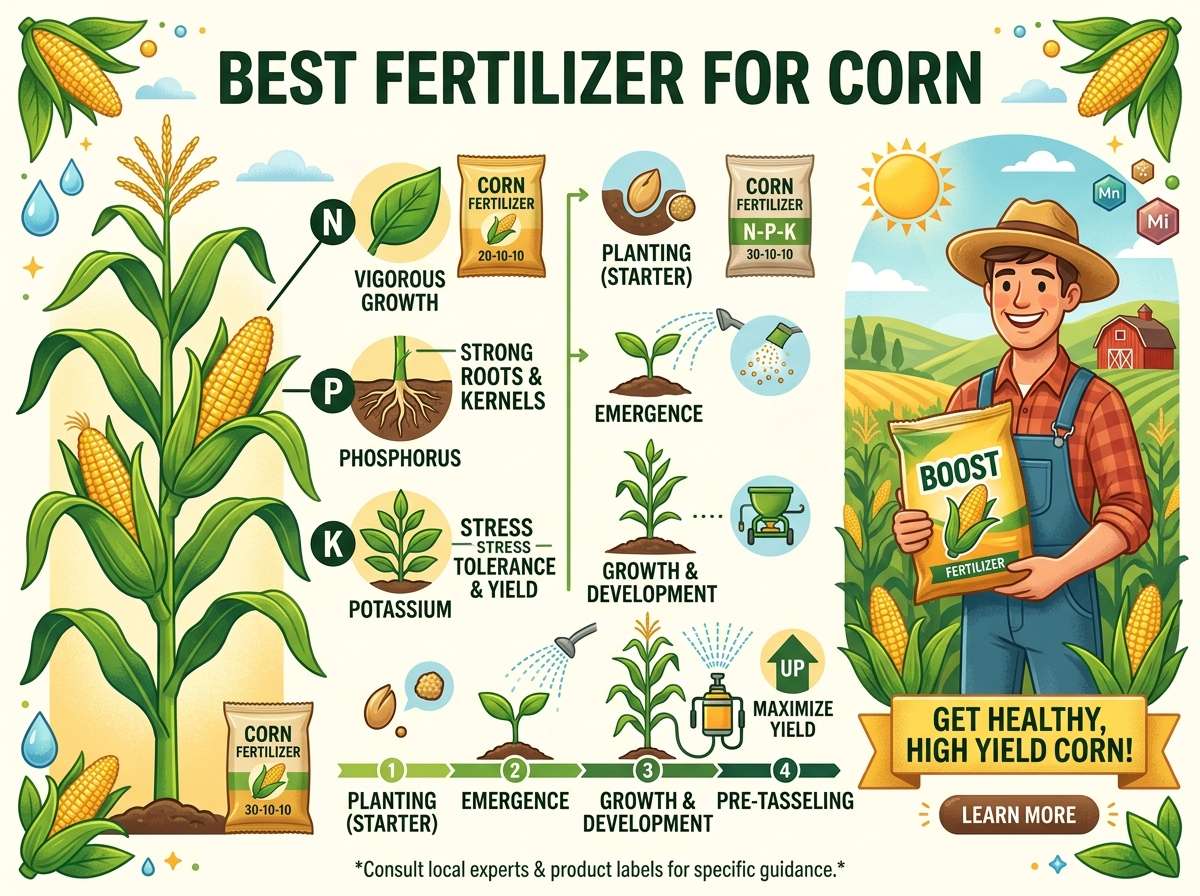
Before we jump into the individual products, let’s talk about what actually matters in a corn fertilizer. Corn needs three main nutrients: nitrogen, phosphorus, and potassium. These are shown on every fertilizer bag as three numbers, called the NPK ratio.
Nitrogen is the big one for corn. It helps the plant grow tall and green. It’s what makes the stalks strong and helps the leaves capture sunlight. If you want vigorous stalk growth and dark green foliage, nitrogen is your friend.
Phosphorus feeds the roots. It helps the plant take up water and other nutrients from the soil. Good root development means your corn can handle stress better, whether that’s heat, drought, or just competition from weeds.
Potassium works with nitrogen and phosphorus to build strong cell walls. It helps the plant transport nutrients and water throughout its tissues. It also improves the flavor and nutrition of the corn kernels.
Corn also needs secondary nutrients like calcium and sulfur, plus trace minerals like zinc, magnesium, and boron. The best fertilizers give you some or all of these extras built right in.
The other key thing is how fast the fertilizer works. Some fertilizers are quick acting, dumping all their nitrogen into your plants right away. Others are slow-release, feeding your corn steadily over weeks or even months. Both have their place, depending on what stage your corn is at.
1: Slow-Release 16-7-10 Sweet Corn Fertilizer, 5lb Bucket
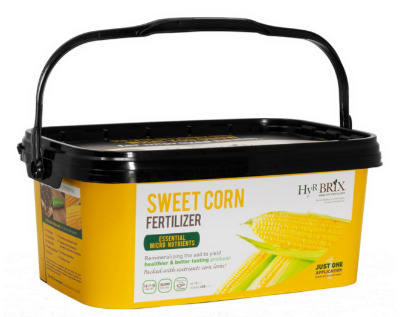
This is a solid, no-nonsense option that’s been a go-to for serious corn growers. Let me walk you through what makes it work so well.
The NPK ratio is 16-7-10. That 16 percent nitrogen is generous, which your corn absolutely needs. The 7 percent phosphorus and 10 percent potassium give your corn the balanced nutrition it needs to develop full ears with good kernel set. But here’s the real selling point: this formula includes calcium and sulfur, plus a mix of micronutrients that most basic fertilizers leave out.
If you grow corn in a garden where you can see the plants regularly, this slow-release formula is a dream. You apply it once, and it feeds your corn over a long period. No need to remember to apply liquid fertilizer every week or spray stuff on the leaves. Just work it into the soil at planting time, and let it do its job while you relax.
The 5lb bucket covers a decent sized garden patch. If you’ve got a few dozen corn plants, this should do the trick. The prills are easy to handle, and you can measure out exactly how much you need for your garden.
The calcium and sulfur in this formula really matter. Calcium strengthens the ear structure, which means those kernels won’t fall off the cob as easily. It also helps prevent weird kernel problems that can happen when calcium is low. Sulfur works with the plant to produce sugars, which is huge if you’re growing sweet corn.
In real-world use, this fertilizer shines. Apply it at planting time, working it into the top 4 to 6 inches of soil. As your corn grows, water carries the nutrients down to the roots. The slow-release coating breaks down gradually as soil temperature rises, so you get more nutrient availability as the plant needs it most. That’s smart plant feeding right there.
One thing to keep in mind: slow-release fertilizers work best when you plan ahead. You can’t use this halfway through the growing season if you suddenly realize your corn is hungry. By then, the fertilizer won’t be broken down fast enough to help your current crop. So apply it before planting, not as a rescue treatment.
The performance is excellent. Growers using this fertilizer report good stalks, full ears, and sweet kernels. The slow, steady feeding approach means less chance of nutrient burn, and the plants stay healthy and balanced throughout the season.
Using it is dead simple. Read the label for your soil type and corn variety, measure out the right amount for your bed size, mix it in, and plant. Done. No mixing, no spraying, no complicated schedules.
Value-wise, you’re paying a bit more per pound than some cheaper fertilizers, but you’re getting a complete package with secondary nutrients and micronutrients included. Plus, slow-release means you’re buying one bottle for the whole season, not multiple bottles of liquid feed. It balances out nicely.
Pros:
- Slow-release means less work and less chance of burning plants
- Complete formula with calcium, sulfur, and trace minerals
- Good nitrogen level for strong stalks
- Lasts the whole season after one application
- Helps corn produce sweeter ears with better kernel fill
Cons:
- Can’t be used mid-season if plants need a quick boost
- Slightly more expensive upfront
- Works best with consistent soil moisture
- Not ideal for container growing because pots dry out fast
2: Sweet Corn Fertilizer – Liquid Plant Food, 8 oz
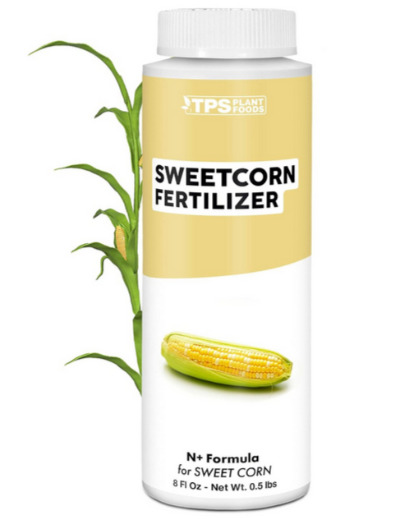
Liquid fertilizers offer something different: speed and flexibility. This sweet corn-specific formula is designed to work fast and give your corn exactly what it needs for bigger ears and vigorous growth.
The 8 oz bottle is concentrated, so a little goes a long way. You’ll dilute it with water and apply it according to the label. The formula is specifically tuned for sweet corn, which means it has more of what sweet corn varieties love. It’s not a generic corn food; this one is dialed in for flavor and ear size.
Liquid fertilizers get to work quickly because the nutrients are already dissolved in water. When you apply them, your plant roots can take them up right away. This makes them perfect for fixing problems fast. If your corn is looking pale or stunted, a dose of this can green things up in just a few days.
The best use case for this is container corn or small garden patches. If you’re growing sweet corn in pots or raised beds, liquid fertilizer is your best friend. You mix it with your watering can, and everything gets fed as you water. It’s simple and effective.
Another great use is when you want to boost ear development. Apply this every two to three weeks once the corn starts tasseling. Many growers swear that extra feeding during ear development gives them bigger, fuller ears with more kernels per ear.
In real life, this stuff works. Growers report noticeable greening within days and bigger ears at harvest. The fact that it’s liquid means you can adjust the strength. If your plants look stressed, you can dilute it more. If they look hungry, you can make it stronger (within limits). That flexibility matters.
The downside is that liquid fertilizers need more attention. You have to remember to apply them regularly. Miss a few weeks, and your plants might start looking tired. Also, heavy rains can wash the nutrients away before your plants absorb them, especially if you’re applying it to the leaves. You lose efficiency in wet climates.
Using this is straightforward. Mix the concentrate with water as directed, apply it around the base of plants or spray it on the leaves early in the morning or late in the day. Do it every two to three weeks, or follow the label for your specific corn variety.
The 8 oz bottle lasts for quite a few applications if you’ve got a small to medium garden. If you’re growing 50 or more plants, you might need more than one bottle per season.
Performance-wise, this fertilizer delivers. The sweet corn specific formula really does seem to favor ear development over just leaf growth. That’s the whole point.
For value, you’re paying for convenience and flexibility. Liquid fertilizers are more expensive per ounce than slow-release, but you only buy what you need and can adjust as you go.
Pros:
- Fast acting for quick results
- Sweet corn-specific formula designed for ear size and flavor
- Flexible application rates
- Easy to mix and apply
- Great for containers and small gardens
- Works as a quick rescue if plants look hungry
Cons:
- More expensive per application than some alternatives
- Requires more frequent applications
- Can be washed away by rain
- Easy to forget applications
- Not the best for large acreage
3: Corn Fertilizer – Liquid Plant Food, 8 oz
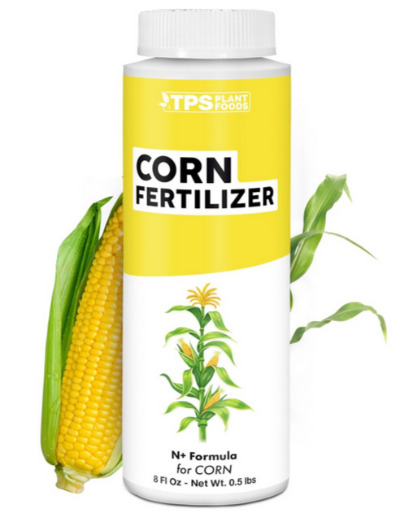
This is another liquid option, but with a slightly different focus. While the sweet corn fertilizer above targets flavor and ear size, this one emphasizes strong stalks and healthy kernel development.
The formula is broad spectrum, meant for all types of corn, not just sweet corn varieties. If you’re growing dent corn, popcorn, or any other type, this works well for all of them. That’s a big advantage if you’re growing multiple types in the same season.
The emphasis on strong stalks is important for commercial growers and anyone dealing with wind or weather challenges. Weak stalks mean corn tipping over, and when that happens, you lose your crop. This formula contains enough nitrogen and potassium to build cell walls strong enough to handle stress.
Healthy kernel development means all the kernels on each ear fill out properly. Some years, you get ears where half the kernels are tiny and shriveled because the plant didn’t have enough nutrients to fill the whole ear. This fertilizer keeps the nutrient supply steady enough to fill every kernel.
In practice, growers use this at different times depending on what they need. Apply it early for strong stalk growth. Apply it later during the ear fill stage for complete kernel development. That flexibility is a real advantage.
The 8 oz size is the same as the sweet corn version, so you’re getting similar application frequency and bottle lifespan. The concentrated formula means you’re not hauling around a gallon of heavy water.
Performance is solid. The nitrogen level is appropriate for corn, and the potassium content supports strong structural development. You’ll see good results in stalk diameter and overall plant vigor.
Using it is the same process as any liquid fertilizer. Mix, apply, repeat every two to three weeks or as needed. The instructions are clear, and it works with both irrigation and hand application.
Value-wise, this is similar to the sweet corn liquid fertilizer. You’re paying a bit more per application than slow-release, but you get flexibility and the ability to target specific growth stages.
Pros:
- Formula designed for strong stalk development
- Works for all corn types, not just sweet corn
- Good for kernel fill and complete ear development
- Flexible application timing
- Easy to apply and mix
- Solid nutrient profile
Cons:
- Liquid concentration means regular applications needed
- More expensive long term than slow-release
- Can be washed away by rain
- Requires consistent attention during season
- Less targeted for pure flavor than sweet corn-specific products
4: High Nitrogen Fertilizer for Corn – Liquid Plant Food, 1 Gallon
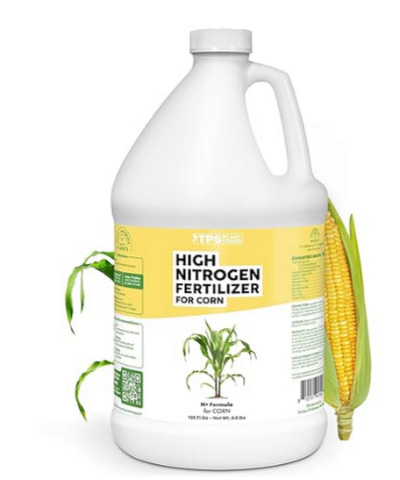
This is the heavy hitter for growers who need serious nitrogen feeding. The 1 gallon size tells you this is meant for folks with more plants to feed. The high nitrogen formula prioritizes stalk growth and deep green foliage.
Nitrogen is the nutrient that makes plants grow green and tall. This formula loads up on nitrogen specifically to maximize those effects. If your corn is looking pale or struggling to grow, this can fix it fast.
The deep green leaves are important because more surface area catching sunlight means more energy for the plant. More energy means bigger ears and better kernel fill. It’s a chain reaction that starts with enough nitrogen.
This comes in a 1 gallon jug, so you’re getting way more product than the 8 oz bottles. That makes it perfect for larger gardens, market gardens, or commercial operations. You’ll save money per application because the per ounce cost is lower when you buy the bigger size.
The best use case is for serious growers with 50 or more corn plants, or for folks growing corn year after year who don’t mind stocking up. It’s also ideal if you’re growing corn on marginal soil that’s naturally low in nitrogen.
In real life, this fertilizer works quickly and thoroughly. The high nitrogen means your corn responds fast. You’ll see greening in days and noticeable stalk thickening in weeks. That’s real performance you can see with your own eyes.
The downside is that you need to be careful not to overapply. Too much nitrogen late in the season can actually reduce the sweet flavor of corn. It also makes the plants stay green longer, which can delay grain maturity in some varieties. So you need to adjust your application schedule based on what stage your corn is at.
Using this requires a bit more care because of the high concentration. You’ll measure carefully, mix well, and apply at the right dilution rate. Don’t just dump the whole gallon on your plants or you’ll burn them. Follow the label closely.
The gallon size is convenient for frequent applications. You can keep it in a shed and use it all season without buying more. The cost per application is lower than the smaller bottles.
Performance is excellent if you’re after vegetative growth and stalk strength. If you’re measuring success by tall, thick-stalked plants with dark green foliage, this delivers completely.
Pros:
- High nitrogen for dramatic growth response
- Large 1 gallon size saves money long term
- Perfect for larger gardens and market production
- Builds thick, strong stalks
- Creates deep green foliage that captures energy
- Good for soils naturally low in nitrogen
Cons:
- Easy to overapply and waste or even damage plants
- Requires more careful measurement
- Very high nitrogen can reduce sweet corn flavor if overused
- Not ideal for slow growth stages
- Risk of nutrient imbalance if you’re not careful
5: True Organic Blood Meal – High-Nitrogen Organic Fertilizer, 3lb Bag
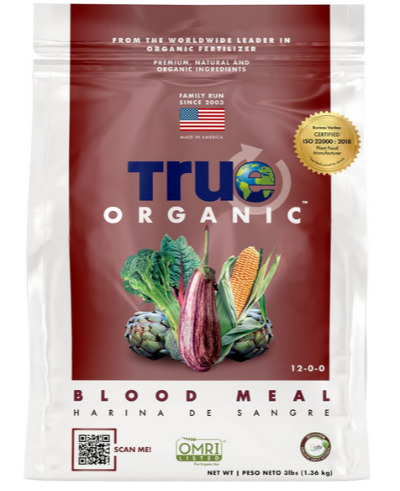
Blood meal is totally different from the other products on this list. It’s an organic, natural source of nitrogen derived from beef processing. For gardeners committed to organic growing or anyone who just prefers natural inputs, this is the real deal.
The high nitrogen content is genuinely high, from a natural source. It’s not synthetic or chemical. For organic growers, that matters a lot because it follows organic certification rules and principles. You know exactly where it came from.
The 3 pound bag covers about 104 square feet, which is helpful to know when you’re planning. This is meant for garden scale growing, not commercial fields. It’s perfect for home gardeners and small farming operations.
Rapid vegetative growth is what you get from blood meal. The nitrogen is in a form that’s available quickly to plant roots. It’s slower than synthetic liquid nitrogen, but much faster than other organic options. That makes it a nice middle ground for organic growers who don’t want to wait months to see results.
The best use case is organic gardens and certified organic farms. If you’re selling corn as organic or growing for personal use and avoiding chemicals, blood meal is your organic nitrogen source. Mix it into the soil before planting or scratch it around plants during the season.
Another great use is as a supplement to other fertilizers. Maybe you’re using the slow-release fertilizer, but mid-season your plants look a little pale. A dose of blood meal gives you organic nitrogen without switching to synthetic products.
In real life, blood meal works. Growers see greenup and growth within a couple weeks. The vegetative growth is real and measurable. It’s not a magic solution, but it’s consistent and reliable.
One smell thing to mention: blood meal smells, well, like blood. If you’re sensitive to strong smells, be aware. It can also attract animals, so you might want to work it into the soil rather than leaving it sitting on top.
Using blood meal is simple. You either work it into the soil before planting or scratch it into the top inch or two of soil around your plants. Use the coverage rate on the bag as your guide. Water it in so it starts breaking down and becoming available to the roots.
The 3 pound bag will handle a decent sized corn patch if you’re using it as your main nitrogen source. If you have 20 or more plants, one bag is reasonable. For 50 plants, you’ll probably want two.
Performance is solid for organic nitrogen. Your corn will get fed, will grow, and will produce. It’s not fancy, but it’s proven and real.
Value for organic growers is good. You’re paying a bit more than synthetic nitrogen, but you’re getting certified organic material that fits your farming philosophy. That’s worth something.
Pros:
- True organic nitrogen from natural source
- Works for certified organic growing
- Rapid vegetative growth
- No synthetic chemicals
- Easy to apply
- Reliable and proven
- Good for supplementing other fertilizers
Cons:
- Strong smell when applied
- Can attract animals if not worked in
- More expensive per pound than synthetic options
- Coverage is limited with the 3 pound bag
- Slower than liquid synthetic nitrogen
- Not ideal as your only nutrient source (doesn’t have phosphorus or potassium)
Comparing These Fertilizers Side by Side
Each of these five products tackles corn feeding from a different angle. Let’s see how they stack up against each other.
For pure ease of use, the slow-release 16-7-10 wins. Apply once and you’re done. No mixing, no measuring, no remembering. The liquid options require more attention.
For speed, the two liquid fertilizers that aren’t blood meal beat everything. You’ll see results in days with liquid nutrients. Blood meal is faster than slow-release but slower than liquid synthetics.
For complete nutrition in a single product, the 16-7-10 slow-release is the clear winner. You get nitrogen, phosphorus, potassium, calcium, sulfur, and micronutrients all in one bag. Blood meal only gives you nitrogen.
For flexibility and adjustment ability, the liquid options shine. You can apply more or less as needed, targeting specific growth stages. Slow-release and blood meal are more one-shot approaches.
For pure convenience for larger gardens, the 1 gallon high-nitrogen liquid wins. One big jug instead of multiple small bottles.
For organic growers, blood meal is the only option unless the slow-release fertilizer carries organic certification. You’d need to check the specific brand.
For sweet corn flavor, the sweet corn-specific liquid fertilizer has a slight edge because it’s actually formulated for sweet corn. The others are good for corn in general.
For overall value on a cost-per-season basis, the slow-release 16-7-10 is hard to beat if you’ve got the budget upfront. One purchase, whole season covered.
Buying Guide: How to Pick Your Corn Fertilizer
Okay, so you’ve got five solid options. How do you pick the right one for your situation? It comes down to a few key questions.
First, how many corn plants are you growing? If it’s just a few dozen for your home kitchen, the 8 oz liquid bottles or the 5 pound slow-release bucket work great. If you’re growing 100 plus plants or a quarter acre, the 1 gallon option or multiple bags of blood meal make more sense.
Second, how much time do you want to spend on fertilizing? If you like it easy and hands-off, slow-release is the answer. If you don’t mind mixing and applying every couple weeks, liquid fertilizers give you better control.
Third, what’s your growing method? Container and raised bed growers should definitely go liquid. In-ground garden and field growers can use any of these options successfully.
Fourth, are you growing for organic certification or personal preference for organic? Blood meal is your only single-product option here. Some slow-release brands are certified organic, so check the label.
Fifth, what’s your budget? The slow-release is a higher upfront cost but lower total season cost. The 1 gallon liquid is great value if you’ve got the plants to use it on. The 8 oz bottles are flexible but more expensive long term. Blood meal is middle of the road.
Sixth, are you growing sweet corn specifically or other types? If sweet corn is your only focus and flavor matters, the sweet corn-specific liquid gives you the most targeted approach. If you’re growing mixed varieties, the broader spectrum options work well.
Finally, do you already have a fertilizer routine going? If you’re already feeding your garden every couple weeks, the liquid options slip right in. If you’re more of a once-and-done planter, slow-release fits your style better.
Common Mistakes People Make with Corn Fertilizer
After years of helping folks with their corn, I’ve seen some patterns in what goes wrong. Here are the biggest mistakes I see and how to avoid them.
The number one mistake is applying too much fertilizer, thinking more is better. Too much nitrogen makes corn grow all leaf and stalk with smaller ears. It can also reduce sweet flavor and delay maturity. Plus, you’re throwing money away. Follow the label recommendations exactly.
The second mistake is applying fertilizer too late. If you wait until your corn is already looking pale and stunted, a slow-release fertilizer won’t help this season. Plan ahead and apply before you see problems.
The third mistake is forgetting to water after applying dry fertilizers like blood meal. These need moisture to break down and become available. A good rain or a good soaking from the hose gets things moving.
The fourth mistake is applying liquid fertilizer in the middle of the day under hot sun. You can actually burn leaves this way. Apply in early morning or late evening when it’s cool.
The fifth mistake is assuming all corn fertilizers are the same. They’re not. Sweet corn and field corn have different needs. Using the wrong one won’t kill your plants, but you might not get the results you want.
The sixth mistake is applying fertilizer right at the stem and nowhere else. Your corn roots spread out. You need to apply fertilizer in a ring around the plant or mix it throughout the growing area.
The seventh mistake is not accounting for existing soil nutrients. If your soil is already high in phosphorus, you don’t need a high phosphorus fertilizer. A soil test can tell you what you actually need. Don’t just guess.
The eighth mistake is stopping fertilizer applications too early. Corn keeps eating nutrients all through the season. Keep feeding through the ear fill stage, even as you approach harvest.
Who Should Buy Each Product?
Let me break down who’s the right fit for each option.
The slow-release 16-7-10 is for gardeners who want simple feeding and don’t mind planning ahead. It works great for home gardens, small market gardens, and anyone growing corn for the first time. If you like set-it-and-forget-it, this is it.
The sweet corn liquid fertilizer is for sweet corn growers who care about flavor and ear size. It’s perfect for gardeners growing corn to eat, either for fresh eating or canning. The sweet corn-specific formula really does make a difference.
The general corn liquid fertilizer is for growers with mixed corn varieties or those not specifically chasing sweet flavor. It’s also great for folks who want to use one fertilizer for multiple applications and can adjust the application rate.
The high-nitrogen liquid in the gallon size is for growers with lots of plants or those growing on marginal soil. Market gardeners, farmers, and serious hobbyists with 50 plus plants are the right audience. It’s also good if you’re growing corn for silage or feed rather than table corn.
Blood meal is for organic growers or anyone committed to natural growing methods. It’s also good for gardeners who want to reduce synthetic inputs even if they’re not 100 percent organic. Use it as a supplement to other fertilizers if you want.
The Final Verdict
After reviewing these five products thoroughly, here’s my honest take on each.
The slow-release 16-7-10 corn fertilizer is the best all-around choice for most home gardeners. It’s complete, convenient, and delivers solid results. If you’re new to corn growing or just want to keep things simple, start here. The upfront cost is higher, but the total value and peace of mind are worth it.
The sweet corn liquid fertilizer is the best choice if flavor and ear size are your priorities. Yes, it requires more attention, but sweet corn growers who want the best results should bite the bullet and use a product specifically formulated for their crop. The difference is real.
The general corn liquid fertilizer is the best value if you’re growing multiple corn types and want flexibility. It’s solid, reliable, and let’s you adjust applications to your specific needs.
The high-nitrogen liquid gallon size is the best for large-scale operations. If you’ve got the plants to justify it, the cost per application is the lowest of the liquid options, and you’ll have one big bottle instead of multiple small ones.
Blood meal is the best for organic growers. It’s real, proven, and fits your philosophy. Just remember it’s not a complete fertilizer on its own, so you might need to combine it with other products.
If I had to pick a personal favorite that I’d recommend to the most people, it’s the slow-release 16-7-10. It solves the problem most people have: they want great corn but don’t want to fuss with it. This fertilizer lets you plant, feed once, and enjoy amazing results.
Wrapping Up
Growing great corn comes down to feeding it properly. Pick a fertilizer that matches your growing style, your corn variety, and your commitment level. Any of these five products will give you better results than no fertilizer at all. The slow-release formula works best for easy growing. The liquid options give you control and flexibility. Blood meal is the organic grower’s choice.
Apply your fertilizer according to the label, water it in, and watch your corn thrive. You’ll grow taller stalks, fuller ears, and sweeter kernels. That’s what good nutrition does for corn.
The best fertilizer for corn is ultimately the one you’ll actually use consistently and correctly. Pick the one that fits your style, follow the directions, and you’ll grow corn that makes you proud. Your garden or farm will thank you, and your dinner plate will too.

Hi, I’m Mary, the founder of GardenCure.com. I’m passionate about creating healthy, beautiful gardens and well-kept lawns. I share practical experience and trusted advice on garden and lawn gear that truly works. With the support of my dedicated research team, our writers produce honest, in-depth reviews using reliable, authentic sources—helping you choose the right tools with confidence for your outdoor space.