5 Best Container for Growing Tomatoes In 2026
Growing tomatoes in containers has become one of the most popular gardening methods for home gardeners. The flexibility and control that container gardening offers makes it perfect for anyone who wants fresh, homegrown tomatoes without needing a large backyard space. You can grow tomatoes on balconies, patios, decks, or even indoors with the right setup.
In this article
The key to successful tomato container gardening lies in finding the right planter. A good tomato container provides adequate space for root development, proper drainage, and often includes support structures for the vining plants. Modern tomato planters come with innovative features like self-watering systems, built-in trellises, and reservoirs that make maintenance easier than ever.
This comprehensive guide reviews the top five containers designed specifically for growing tomatoes. Each product offers unique features that cater to different gardening needs and spaces. We’ve tested and analyzed these planters based on their construction quality, watering systems, support structures, and overall value for money.
What Makes a Great Tomato Container?
Before diving into specific product reviews, you need to understand what separates an excellent tomato planter from a mediocre one. Tomatoes are heavy feeders with extensive root systems that require both space and support.
The depth of your container matters immensely. Tomato roots can extend up to 24 inches deep when given the opportunity. A shallow planter restricts root growth and limits the plant’s ability to absorb nutrients and water. Most experts recommend containers that are at least 10 inches deep, though deeper is almost always better.
Width plays an equally important role. Each tomato plant needs roughly 18 to 24 inches of horizontal space to develop properly. Cramped conditions lead to competition for resources and increase the risk of disease. Wide planters also provide better stability for the tall plants.
Drainage remains critical for tomato health. Standing water around the roots causes root rot and fungal diseases. Quality containers feature multiple drainage holes at the bottom to allow excess water to escape freely.
Support structures save you time and effort. Tomato plants grow tall and heavy with fruit, requiring stakes or cages to prevent them from collapsing. Containers with integrated trellises or cages eliminate the need for separate support systems.
Self-watering features transform your gardening routine. These systems maintain consistent moisture levels, which prevents common problems like blossom end rot and cracking fruit. A built-in reservoir holds water that wicks up to the roots as needed, reducing the frequency of watering sessions.
Material selection affects both durability and plant health. Plastic planters are lightweight and retain moisture well. Metal containers offer durability but can heat up quickly in direct sun. Fabric grow bags provide excellent drainage and air pruning of roots.
1. MQHUAYU 2-Pack Raised Garden Bed Planter Box with Trellis
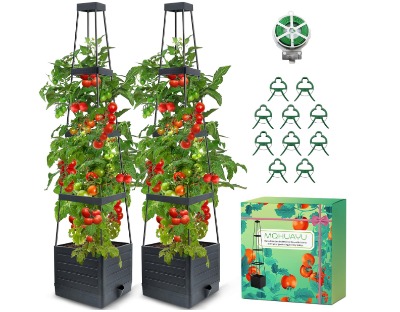
The MQHUAYU 2-Pack stands out as a comprehensive solution for vertical tomato gardening. This 57-inch tall planter combines a spacious growing box with an integrated trellis system that supports climbing plants from seedling to harvest.
Product Description
This planter measures 57 inches in height with a 9.8 by 9.8-inch base footprint. The compact base makes it ideal for tight spaces like balconies or small patios. Despite the narrow footprint, the planter provides adequate depth for tomato root development.
The self-watering system includes a water reservoir at the bottom of the planter. A wicking mechanism draws moisture upward to the roots, maintaining consistent hydration levels. The system reduces watering frequency to once every few days, even during hot weather.
The metal trellis extends the full height of the unit, offering ample support for indeterminate tomato varieties. These vertical-growing types can reach 6 feet or more, and the tall trellis accommodates their growth habit perfectly. The trellis features multiple horizontal rungs that you can use to tie and guide your plants as they grow.
Construction uses durable plastic for the planter box and powder-coated metal for the trellis. The materials resist rust and weathering, making the unit suitable for both indoor and outdoor use. Assembly requires minimal tools and takes about 15 minutes per planter.
The package includes two complete units, giving you the ability to grow two separate plants or create a small tomato garden. The black color scheme looks clean and professional in any setting.
Pros
The self-watering reservoir stands out as the most valuable feature. It holds enough water to sustain a mature tomato plant for 3-4 days in moderate weather. This means you can travel for a long weekend without worrying about your plants drying out.
The 57-inch height accommodates even the most vigorous tomato varieties. You can grow indeterminate types like ‘Brandywine’ or ‘Cherokee Purple’ without running out of vertical space. The tall structure also works perfectly for other climbing vegetables like pole beans or cucumbers.
Getting two planters in one package offers excellent value. You can experiment with different tomato varieties side by side or stagger your plantings for continuous harvest throughout the growing season.
The narrow footprint makes this planter perfect for urban gardening. It fits easily on apartment balconies, condo patios, or narrow side yards where space comes at a premium. You can line up multiple units along a wall or railing without consuming much floor space.
Assembly is straightforward and requires no special skills. The instructions are clear, and all necessary hardware comes included. Most people complete setup in under 20 minutes per unit.
The planter works equally well indoors and outdoors. If you have a sunny room or greenhouse, you can grow tomatoes year-round. The self-contained design prevents water from spilling onto floors.
Cons
The 9.8-inch base width limits root expansion compared to wider planters. While adequate for one tomato plant, it’s on the smaller side. Plants may become root-bound by late season if you’re growing particularly vigorous varieties.
The plastic construction, while durable, doesn’t offer the aesthetic appeal of ceramic or wood planters. Some gardeners prefer natural materials that blend better with traditional garden décor.
The reservoir system requires monitoring to prevent overflow during heavy rain. If you keep the planter outdoors, you need to ensure the drainage holes remain clear. Blocked drainage can lead to waterlogged soil.
Wind can topple the narrow planter when plants reach full size and bear heavy fruit. You may need to stake the entire unit or place it against a wall for stability. The narrow base doesn’t provide much resistance to strong gusts.
Soil capacity is limited due to the compact size. You’ll need to supplement with regular fertilization since the small volume of soil depletes nutrients more quickly than larger containers.
2. MQFORU 2-Pack Raised Garden Bed Tomato Planter with Trellis
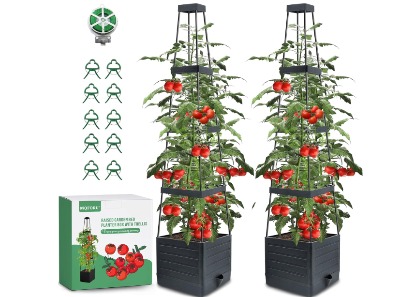
The MQFORU 2-Pack offers a similar design philosophy to the MQHUAYU but with subtle differences in construction and features. This 57-inch tall planter targets gardeners who want reliable performance with a focus on climbing vegetables.
Product Description
This planter system measures 57 inches tall and features a self-watering design with an integrated trellis cage. The base dimensions provide a solid foundation for growing tomatoes, peppers, or other vegetables that benefit from vertical support.
The self-watering mechanism includes a bottom reservoir that stores water for gradual release to the plant roots. A fabric or mesh layer separates the soil from the water reservoir, allowing moisture to wick upward while preventing soil from falling into the water chamber. This design maintains optimal moisture levels without overwatering.
The trellis cage is constructed from sturdy metal rods that form a cylindrical support structure. The cage design differs from a flat trellis by surrounding the plant on all sides, offering support from every angle. This proves especially useful for tomatoes, which tend to branch out in multiple directions as they grow.
Construction quality emphasizes durability and weather resistance. The planter box uses heavy-duty plastic that withstands UV exposure without becoming brittle. The metal components receive a rust-resistant coating that extends their lifespan in outdoor conditions.
The package includes two complete units, allowing you to create a small vegetable garden or grow multiple tomato varieties simultaneously. Both units come with all necessary hardware and assembly instructions.
Pros
The cylindrical cage design provides superior support compared to flat trellises. Tomato branches can lean against the cage from any direction, reducing the need for constant tying and adjusting. The 360-degree support distributes the weight of heavy fruit more evenly.
The self-watering system performs reliably throughout the growing season. The reservoir capacity matches the water needs of a mature tomato plant during warm weather. You can typically water every 2-3 days rather than daily.
Durability stands out as a strong point. The materials resist cracking, fading, and rust even after multiple seasons of use. Several users report using these planters for three or more seasons without significant degradation.
The planter works well in greenhouse environments. The compact footprint allows you to maximize space in a greenhouse or high tunnel. The self-contained design prevents water from spilling onto greenhouse floors or benches.
Assembly is quick and doesn’t require advanced DIY skills. The components fit together logically, and the included instructions guide you through each step. Most people complete assembly in 15-20 minutes per unit.
The black color scheme matches most outdoor décor. It looks professional on patios, balconies, or next to building exteriors. The neutral color doesn’t clash with colorful plants or furniture.
Cons
The cage design, while supportive, can make pruning and harvesting more difficult. You need to reach through the metal bars to access the center of the plant. This becomes increasingly challenging as the plant fills in the cage with foliage.
Soil depth, while adequate, isn’t as generous as some larger planters. Root growth is somewhat restricted, which may limit the ultimate size and productivity of your tomato plants. You’ll need to fertilize more frequently to compensate for the limited soil volume.
The plastic material can heat up significantly in direct sun. On very hot days, the soil temperature may rise to levels that stress tomato roots. You might need to provide some shade during peak afternoon hours in hot climates.
Moving the planter becomes difficult once filled with soil and planted. The combination of soil weight, water reservoir, and a mature plant makes the unit quite heavy. Plan your placement carefully before filling.
The reservoir requires periodic cleaning to prevent algae growth. Stagnant water in the reservoir can become a breeding ground for algae, especially in warm weather. You should drain and clean the reservoir at least once mid-season.
3. NNG 4-Pack 48-Inch Tomato Cages with 10 Gallon Grow Bags
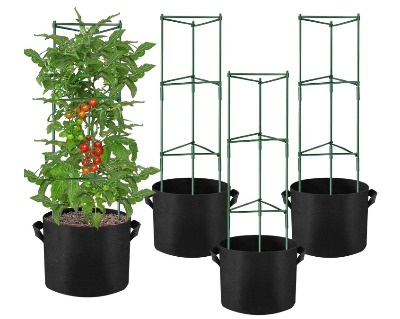
The NNG 4-Pack takes a different approach to container tomato growing. Instead of a traditional hard-sided planter, this system combines fabric grow bags with sturdy metal support cages. This combination offers unique benefits for root health and plant support.
Product Description
This package includes four sets of components: four 10-gallon fabric grow bags and four 48-inch tall metal support cages. The grow bags measure approximately 16 inches in diameter and 12 inches deep when filled, providing substantial room for root development.
The fabric grow bags are made from breathable, non-woven material that allows air to penetrate the soil. This air pruning effect prevents roots from circling the container, instead encouraging them to develop a healthy, fibrous root system. The material is thick and durable, resistant to tearing even when handling full bags.
Each grow bag features built-in handles that make moving easier. The handles are reinforced and sewn securely to the bag body. They support the full weight of a planted bag without ripping or stretching.
The metal support cages stand 48 inches tall and feature a tower-style design with three or four legs that insert into the soil. Horizontal rings at various heights provide attachment points for tying plant stems. The powder-coated metal resists rust and maintains its appearance season after season.
The cages nest inside each other for compact storage during the off-season. When not in use, all four cages stack together and take up minimal space in a shed or garage.
Drainage is excellent with fabric grow bags. Excess water flows through the permeable material, making overwatering nearly impossible. The bags also allow excellent air circulation around the root zone, promoting healthy root development.
Pros
The 10-gallon capacity provides generous root space. This volume is ideal for growing one large tomato plant or two smaller varieties in the same bag. The extra soil volume also means better moisture retention and more stable nutrient levels.
Air pruning through the fabric material creates superior root systems. Plants grown in fabric bags develop more fibrous, efficient roots compared to those in solid containers. This translates to better nutrient uptake and potentially higher yields.
Getting four complete sets in one package represents exceptional value. You can start a significant tomato garden or share with fellow gardening enthusiasts. The per-unit cost is lower than buying individual planters.
The system offers total flexibility in placement. Unlike fixed planters, you can easily move grow bags around to optimize sun exposure or protect plants from harsh weather. The handles make relocation simple even with mature plants.
Storage is incredibly efficient. The cages nest together, and the grow bags fold flat when empty. You can store the entire system in a small closet or on a garage shelf without taking up much room.
The fabric material regulates soil temperature better than plastic. On hot days, the breathable material allows some heat to escape, preventing the soil from becoming excessively warm. In cool weather, the bags provide some insulation.
Cleanup between seasons is straightforward. You can dump out the old soil, rinse the grow bags with a hose, and let them dry. The bags are machine washable if you want a more thorough cleaning.
Cons
The 48-inch height limits your options for extremely tall tomato varieties. While sufficient for determinate types and many indeterminate varieties, some vigorous climbers may outgrow the support structure by late season.
Fabric grow bags dry out faster than solid containers. The breathable material that provides such good air circulation also allows moisture to evaporate more quickly. You’ll need to water more frequently, especially during hot weather.
The bags don’t include a built-in self-watering system. You need to monitor soil moisture manually and water whenever the top few inches become dry. This requires more attention compared to planters with reservoirs.
Wind can blow over lightweight grow bags before plants become established. During the first few weeks after planting, you may need to stake the bags or place them in a sheltered location. Once roots fill the bag, stability improves dramatically.
The tower-style cages may not provide enough support for plants loaded with heavy fruit. Large beefsteak tomatoes can weigh down branches even with the cage support. You might need to add extra stakes or ties for heavily producing plants.
Aesthetic appeal is somewhat industrial. The combination of fabric bags and metal cages looks functional but not particularly decorative. If visual appeal is important to your garden design, these might not be your first choice.
4. TeCreatio Tomato Planter Pot with Self-Watering System
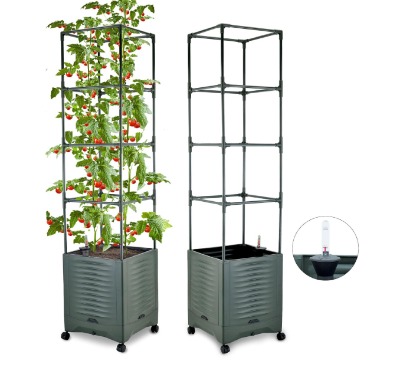
The TeCreatio planter represents a premium option in the tomato container market. This 56.5-inch tall unit focuses on sophisticated design and advanced features that simplify tomato cultivation.
Product Description
This planter stands 56.5 inches tall and features a substantial growing box that provides generous soil capacity. The base dimensions offer more width than narrow vertical planters, giving tomato roots plenty of room to spread.
The self-watering system includes both a reservoir and a water level indicator. This indicator shows you at a glance whether the reservoir needs refilling. The transparent viewing window eliminates guesswork and prevents both overwatering and underwatering.
The metal trellis is constructed from sturdy steel tubing with a powder-coated finish. The trellis design features multiple horizontal bars and vertical supports that create a strong framework for heavy tomato plants. The structure easily supports plants loaded with fruit without bending or sagging.
The reservoir holds a substantial amount of water, reducing the frequency of refilling. Even during hot summer weather, the system can sustain a mature tomato plant for several days between waterings. A fill tube allows you to add water directly to the reservoir without disturbing the soil or plant.
Construction quality exceeds many competitors in this price range. The planter box is made from thick, durable plastic that doesn’t flex or warp. All connections are secure, and the overall build inspires confidence that the unit will last for many seasons.
The planter works equally well for outdoor patios, decks, balconies, or indoor growing spaces like sunrooms or greenhouses. The professional appearance fits well in any setting.
One important note: this listing is for a single planter unit, not a pair. Make sure you’re aware of the quantity when comparing prices with other options.
Pros
The water level indicator is a game-changing feature. You can see exactly when the reservoir needs refilling without guessing or testing the soil. This takes the uncertainty out of watering and helps prevent both drought stress and overwatering.
The large reservoir capacity means less frequent watering. During moderate weather, you might only need to refill once every 4-5 days. This makes the planter ideal for busy people or those who travel occasionally.
Soil capacity is generous compared to narrow vertical planters. The wider base allows for more soil volume, which translates to better nutrient retention and less frequent fertilization. Plants can develop robust root systems without becoming root-bound.
The sturdy metal trellis handles even the heaviest fruit loads. You can grow large beefsteak varieties or cherry tomatoes with long, heavy clusters without worrying about the support structure failing. The trellis doesn’t sag or bend over time.
Build quality is noticeably superior to budget options. The materials are thicker, the joints are more secure, and the overall construction feels solid. This planter should provide many seasons of reliable service.
The professional appearance makes it suitable for front yards or highly visible locations. The clean lines and quality construction look intentional rather than utilitarian.
Assembly is well-documented with clear instructions. The components fit together precisely, and you won’t struggle with misaligned holes or poorly fitting parts.
Cons
The price point is higher than some competing options. You’re paying for quality and features, but budget-conscious gardeners might find the cost prohibitive, especially if you need multiple planters.
This listing includes only one planter, not a pair. If you’re comparing prices with 2-pack options, remember to account for the quantity difference. Buying two units separately can be significantly more expensive than a 2-pack deal.
The weight of the filled planter makes relocation difficult. Once you add soil, water, and a mature plant, the unit becomes quite heavy. Choose your location carefully before setting up.
The water indicator window can develop algae growth if exposed to sunlight. The transparent plastic allows light into the reservoir, creating conditions where algae can thrive. Regular cleaning helps manage this issue.
The larger soil capacity means you’ll need more potting mix initially. While this provides better growing conditions, it also increases the upfront cost and effort of setting up the planter.
5. Qaobo Raised Garden Bed Planter Box with Trellis
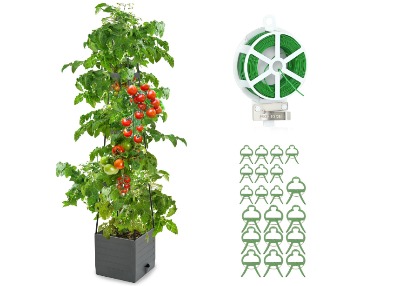
The Qaobo planter rounds out our top five with a focus on versatility and ease of use. This 58.3-inch tall unit offers features that appeal to both beginners and experienced gardeners.
Product Description
Standing at 58.3 inches tall, this planter provides one of the tallest support structures in our review. The extra height accommodates extremely vigorous tomato varieties or can be used for multiple plantings by growing smaller plants at the base while a tomato climbs the trellis.
The planter box design offers good depth and width for healthy root development. The dimensions strike a balance between providing adequate growing space and maintaining a manageable footprint for small spaces.
The self-watering system uses a bottom reservoir connected to the soil through a wicking mechanism. The reservoir capacity is designed to match the water needs of typical tomato plants during the peak growing season. A fill tube provides easy access for adding water without disturbing the plant.
The trellis is constructed from metal tubing with a grid pattern that offers numerous tie-off points. The grid spacing is ideal for training tomato stems and securing them as they grow. The structure is rigid and doesn’t wobble even when supporting heavy plants.
The planter works well in various settings including patios, decks, greenhouses, and even indoor spaces with adequate light. The design is weatherproof and suitable for year-round outdoor use in most climates.
Construction uses durable materials selected for longevity. The plastic components resist UV damage and won’t become brittle with sun exposure. The metal parts receive a protective coating that prevents rust and corrosion.
Assembly is designed to be straightforward. The components connect logically, and most people can complete setup in under 30 minutes without assistance.
Pros
The 58.3-inch height is perfect for tall tomato varieties. Indeterminate types have plenty of vertical space to climb, and you won’t need to prune the tops prematurely. The tall structure also works beautifully for pole beans, peas, or cucumbers.
The self-watering system performs consistently throughout the growing season. The reservoir maintains even moisture levels, which is crucial for preventing common tomato problems like blossom end rot and fruit cracking.
The grid-style trellis offers more attachment points than simple bar designs. This makes it easier to train plants exactly how you want them to grow. You can tie stems securely at multiple points for better support.
The planter dimensions provide a good balance between capacity and footprint. You get enough soil volume for healthy plants without the planter consuming excessive space on your patio or deck.
Versatility is a strong point. You can grow tomatoes, peppers, cucumbers, beans, or flowering vines with equal success. The tall support structure adapts to different plant types and growing styles.
The weatherproof construction means you can leave the planter outdoors year-round without bringing it into storage. The materials don’t degrade quickly even with constant exposure to sun and rain.
The black color scheme looks clean and professional. It coordinates well with most outdoor furniture and doesn’t draw excessive attention away from your beautiful plants.
Cons
Some users report that assembly instructions could be clearer. While most people figure out the construction without major issues, a few steps might require trial and error. Better diagrams would improve the experience.
The plastic material, while durable, can develop a chalky appearance over time with sun exposure. This doesn’t affect function but may reduce the visual appeal after a season or two of outdoor use.
The reservoir requires monitoring to prevent mosquito breeding. Stagnant water can attract mosquitoes in some areas. Using mosquito dunks in the reservoir solves this problem but adds an extra maintenance step.
The grid spacing on the trellis, while good for tomatoes, might be too wide for very small or delicate climbing plants. Some vegetables with thin stems might need additional support structures.
The self-watering system doesn’t include a water level indicator. You need to check the reservoir manually or estimate based on time since the last filling. This is less convenient than models with visible indicators.
Moving the planter after setup requires significant effort. The combination of soil, water, and plant makes the unit heavy and awkward to relocate. Plan your placement carefully before filling.
Comparing Key Features Across All Five Planters
When you’re deciding between these excellent tomato containers, certain features deserve special attention. Understanding how each planter performs in key areas helps you make the right choice for your specific situation.
Height plays a crucial role in supporting different tomato varieties. The Qaobo leads at 58.3 inches, followed closely by the MQHUAYU and MQFORU at 57 inches, and the TeCreatio at 56.5 inches. The NNG cages are the shortest at 48 inches. If you plan to grow indeterminate varieties that can reach 6 feet or more, the taller options provide better support.
Soil capacity varies significantly between the models. The NNG grow bags offer 10 gallons per container, providing the most generous root space. The TeCreatio and Qaobo planters have wider bases that accommodate more soil than the narrower MQHUAYU and MQFORU units. More soil means better moisture retention, more stable temperatures, and less frequent fertilization.
Self-watering systems are present in four of the five planters. The MQHUAYU, MQFORU, TeCreatio, and Qaobo all include bottom reservoirs with wicking mechanisms. Only the NNG system lacks self-watering, requiring traditional manual watering. The TeCreatio stands out with its water level indicator that removes guesswork from reservoir management.
Support structure design differs between flat trellises, cylindrical cages, and grid patterns. The MQHUAYU features a flat trellis with horizontal rungs. The MQFORU uses a cylindrical cage that surrounds the plant. The NNG includes tower-style cages with legs that insert into the soil. The TeCreatio and Qaobo both employ grid-pattern trellises. Each design has advantages depending on your training preferences.
Value for money depends on your specific needs. The NNG 4-pack offers the most units for your money, making it ideal if you want to grow multiple plants. The MQHUAYU and MQFORU 2-packs provide good value for smaller gardens. The TeCreatio costs more per unit but offers premium features like the water indicator. The Qaobo falls in the middle of the price range while offering good all-around performance.
Portability varies with design. The NNG grow bags are the easiest to move thanks to their built-in handles and lighter weight. The other four planters become quite heavy when filled and planted, making relocation difficult.
Aesthetic appeal is subjective, but the TeCreatio and Qaobo have slightly more refined appearances than the utilitarian look of the grow bags. The MQHUAYU and MQFORU sit in the middle with clean, professional designs.
Storage requirements favor the NNG system. The cages nest together and bags fold flat for compact storage. The four permanent planters require more storage space during the off-season.
Tips for Success with Container Tomato Growing
Having the right container is essential, but success requires attention to other factors as well. These proven techniques will help you get the most from whichever planter you select.
Start with quality potting mix designed for containers. Garden soil is too heavy and compacts in containers, restricting root growth and drainage. Look for mixes that contain peat moss or coir, perlite or vermiculite, and compost. Some potting mixes are specially formulated for vegetables and include slow-release fertilizers.
Feed your tomatoes regularly throughout the growing season. Container plants have access to a limited amount of soil nutrients, so they depend on supplemental feeding. Use a balanced fertilizer every two weeks, or switch to a tomato-specific formula once plants begin flowering. Follow package directions for application rates.
Monitor moisture levels carefully, especially early in the season. While self-watering systems help maintain consistency, you still need to check that the reservoir stays filled. In grow bags without self-watering, check soil moisture daily during hot weather. The top inch of soil should dry slightly between waterings, but the root zone should stay consistently moist.
Prune tomato plants for better airflow and fruit production. Remove the lower leaves once plants are established to prevent soil-borne diseases from splashing onto foliage. Many gardeners also remove suckers (shoots that grow between the main stem and branches) to focus the plant’s energy on fruit production rather than excessive foliage.
Position your containers where they’ll receive at least 6-8 hours of direct sunlight daily. Tomatoes are sun-loving plants that need strong light to produce abundant fruit. South-facing locations typically provide the best sun exposure. If growing indoors, place containers near large windows or supplement with grow lights.
Stake or tie plants early rather than waiting until they’re large and unruly. As plants grow, secure the main stem to the trellis or cage every 6-8 inches. This prevents wind damage and keeps developing fruit off the ground. Use soft ties or strips of fabric that won’t cut into stems.
Watch for common pests like aphids, hornworms, and whiteflies. Container plants are just as susceptible to pests as garden-grown tomatoes. Inspect plants regularly and treat problems early before they become severe. Many pests can be controlled with insecticidal soap or by hand-picking.
Harvest fruit at the right stage of ripeness. Most tomatoes taste best when allowed to ripen fully on the vine. Pick them when they’ve reached their mature color and give slightly to gentle pressure. Some varieties are better harvested slightly early and allowed to ripen indoors.
Rotate your plants if possible. Growing tomatoes in the same soil for multiple seasons can lead to disease buildup. If you reuse containers, replace the potting mix completely or at least remove and replace the top half. Clean containers thoroughly between plantings to remove potential disease organisms.
Making Your Decision
Each of the five planters reviewed here offers distinct advantages for different growing situations. Your choice should align with your space, budget, and gardening goals.
The MQHUAYU 2-Pack works best for gardeners with limited space who want a compact vertical solution. The narrow footprint fits easily on balconies or small patios, and the self-watering system reduces maintenance. The 2-pack provides good value for growing two plants.
The MQFORU 2-Pack suits gardeners who prefer the surrounding support of a cylindrical cage. This design provides 360-degree support and works well for bushy tomato varieties. Like the MQHUAYU, it’s compact and includes self-watering for convenience.
The NNG 4-Pack is the top choice for budget-conscious gardeners who want to grow multiple plants. The fabric grow bags promote excellent root health through air pruning, and getting four complete sets provides exceptional value. This option requires more hands-on watering but offers superior flexibility.
The TeCreatio planter appeals to gardeners who want premium features and are willing to pay for quality. The water level indicator, large capacity, and robust construction make this a top-tier choice. If you value convenience and don’t mind the single-unit price, this planter delivers excellent performance.
The Qaobo planter represents a solid all-around option with good height, decent capacity, and reliable self-watering. It’s particularly well-suited for gardeners who grow very tall varieties and want the peace of mind that comes with a proven design.
Consider your climate and growing conditions. Hot, dry climates favor self-watering planters that maintain consistent moisture. Rainy areas might do better with fabric grow bags that drain quickly. Think about whether you’ll grow your tomatoes indoors, outdoors, or move them between locations seasonally.
Evaluate your physical ability to move and maintain the planters. Some of these containers become extremely heavy when filled. If you have mobility limitations or plan to rearrange your space frequently, lighter options like the grow bags might serve you better.
Think about your long-term gardening plans. If you’re just testing the waters with container gardening, starting with an affordable option makes sense. If you’re committed to container growing for years to come, investing in a quality planter with premium features pays off over time.
Your choice of tomato varieties should influence your container selection. Determinate varieties that stay compact work in any of these planters. Indeterminate types that grow tall and vine extensively need the tallest support structures. Cherry tomatoes produce heavy clusters that require strong support, while large beefsteak varieties need plenty of root space.
Conclusion
Container gardening brings the joy of homegrown tomatoes to everyone, regardless of available space. The five planters reviewed here represent the best options currently available for serious tomato cultivation in containers.
Each planter has earned its place in this review through real-world performance and positive user feedback. The MQHUAYU and MQFORU offer space-efficient vertical growing with self-watering convenience. The NNG 4-pack provides exceptional value and root health benefits. The TeCreatio delivers premium features for discerning gardeners. The Qaobo combines height, capacity, and reliable performance in an attractive package.
Your perfect tomato container depends on your unique circumstances. Assess your space, consider your budget, think about how much time you can dedicate to plant care, and select the option that aligns best with your needs.
With any of these quality containers and proper care, you’ll enjoy abundant harvests of fresh, flavorful tomatoes. The satisfaction of picking sun-warmed tomatoes from your own container garden is one of life’s simple pleasures. Start your container tomato journey with confidence, knowing you’ve chosen a proven growing system that will support your plants from transplant to harvest.
The investment in a quality tomato container pays dividends in convenience, productivity, and enjoyment season after season. Your future self will thank you every time you step outside to harvest perfectly ripe tomatoes for tonight’s salad or sauce.
Hi, I’m Mary, the founder of GardenCure.com. I’m passionate about creating healthy, beautiful gardens and well-kept lawns. I share practical experience and trusted advice on garden and lawn gear that truly works. With the support of my dedicated research team, our writers produce honest, in-depth reviews using reliable, authentic sources—helping you choose the right tools with confidence for your outdoor space.