5 Best Fertilizer for Boxwoods In 2026
If you’ve got boxwoods in your garden, you know they need the right care to stay looking their best. These evergreen shrubs are tough plants, but they still need proper feeding to develop that thick, lush foliage you’re after. The truth is, not all fertilizers work equally well for boxwoods, and picking the wrong one can leave your plants looking thin and pale instead of vibrant and full.
In this article
In this article, I’ll walk you through five excellent boxwood fertilizers that actually work. I’ve researched each one thoroughly to help you understand what makes them different, how to use them, and whether they’re right for your specific situation. Whether you’re dealing with a small hedge, a large boxwood garden, or just a few potted plants on your patio, you’ll find solid options here.
Let’s dig in.
Why Boxwoods Need the Right Fertilizer
Before we jump into specific products, it helps to understand why feeding your boxwoods matters so much.
Boxwoods are slow growers. That’s part of their charm—they stay the shape and size you want for years. But because they grow slowly, they’re limited in how much food they can pull from the soil naturally. If your soil is poor or depleted, your boxwoods will struggle. You’ll see weak growth, yellowing leaves, and a plant that just doesn’t look as healthy as it should.
The right fertilizer fills that gap. It gives your boxwoods access to essential nutrients they need to produce strong stems and dense foliage. Good boxwood fertilizers typically have a specific nutrient balance that works with how these plants grow. Most contain more nitrogen to support leafy growth, balanced phosphorus for root health, and potassium to improve overall plant strength.
Boxwoods also prefer a slightly acidic soil environment. This matters because it affects how well they can use the nutrients in their food. Many boxwood fertilizers account for this by including ingredients that support acidic conditions.
When you feed your boxwoods correctly, you’ll notice the difference pretty quickly. Leaves get greener. Growth becomes more compact and dense. The whole plant just looks more vigorous and healthy.
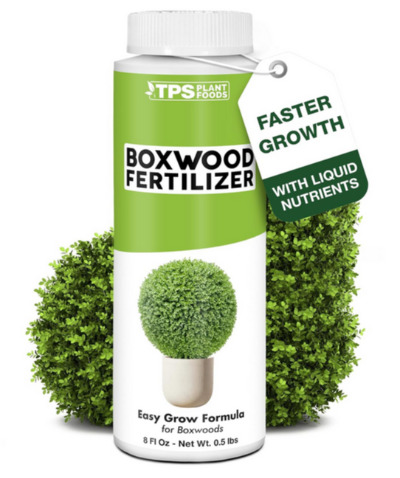
Boxwood Fertilizer – Liquid Plant Food for Dense Growth, Rich Green Foliage, & Stronger Roots (8 oz)
What You Get
This liquid boxwood fertilizer comes in an 8-ounce bottle, which is a great starter size if you’re new to feeding boxwoods or just have a few plants. It’s specifically formulated as a liquid concentrate, so you mix it with water before applying it to your plants.
The formula is designed to do three main things: support dense, thick growth; enhance green color; and strengthen the root system. That’s a solid combination because healthy roots lead to healthier foliage, and you want your boxwoods to look full from top to bottom.
Best Use Cases
This product works best if you have a small to medium collection of boxwoods—maybe up to 10 or 15 plants, depending on their size. The 8-ounce size isn’t ideal for treating large hedges because you’d need to prepare multiple batches. It’s perfect, though, for boxwoods in containers, smaller yard plantings, or anyone who wants to try a boxwood-specific liquid formula before committing to a larger size.
The liquid format is also great if you want to get results quickly. Liquid fertilizers are absorbed faster than granular types, so you’ll see improvements in foliage color and growth rate within a few weeks.
Key Features Explained Simply
Liquid concentration means you control the strength. You can dilute it according to the bottle’s instructions, and that dilution matters. Too weak and it won’t be effective. Too strong and you risk damaging your plants. The instructions typically recommend mixing it with water to create a solution you apply around the base of your boxwoods or spray on the foliage.
The formula is balanced to promote dense foliage. This is important because boxwoods with thin, sparse growth look disappointing. A good dense-growth formula encourages the plant to fill out rather than just grow upward.
Root support is built in. Even though you can’t see roots, feeding them is crucial. Stronger roots pull in more water and nutrients, which directly improves how your entire plant performs.
Real-Life Usage Insight
People who use liquid boxwood fertilizers appreciate how easy application becomes. You’re not mixing heavy granules or spreading anything solid. Just dilute, pour or spray, and you’re done. It fits into a quick garden routine without a lot of fuss.
The bottle size means storage is simple too. An 8-ounce bottle takes up barely any space in a garden shed or garage. You’re not dealing with a huge bag that takes up corners or attracts moisture.
One thing to keep in mind: you need to apply liquid fertilizers more frequently than granular types. Typically, that’s every two to four weeks during the growing season. If you’re someone who prefers to fertilize once or twice a year and forget about it, this might feel like extra work.
Honest Pros and Cons
Pros:
- Fast absorption means quicker results
- Small bottle size is convenient for storage
- Easy application with no heavy lifting
- Liquid formulas are easy to dilute for exact strength control
- Great for container boxwoods and small plantings
- Won’t burn foliage if applied correctly
Cons:
- More frequent applications needed (roughly every two to four weeks)
- Can be pricey per application compared to granular fertilizers
- 8 ounces runs out relatively quickly if you have multiple plants
- Requires mixing with water each time you apply
- Not the best choice for large hedges or many plants
Performance Discussion
In terms of visible results, liquid boxwood fertilizers often deliver noticeably greener foliage within three to four weeks. The growth tends to be more compact and fuller than what you’d get with generic plant foods. Because the formula is specific to boxwoods, it contains nutrients in ratios that match what these plants actually use.
The root-strengthening component is real too. Boxwoods fed with dedicated boxwood fertilizers develop more robust root systems, which means they handle stress better. They’re less likely to show signs of drought stress or nutrient deficiency even when conditions aren’t perfect.
You can expect season-long results if you stay consistent with applications. Start feeding in spring when growth begins and continue through summer. By fall, your boxwoods should be noticeably fuller and greener than they were at the season’s start.
Ease of Use
This is where liquid fertilizers shine. The steps are straightforward: read the instructions, mix the concentrate with water according to the measurements given, and apply. No spreading, no measuring solid material, no cleanup of granules. It’s genuinely one of the easiest fertilizer formats to use.
The 8-ounce size is light and manageable. You can hold the bottle in one hand while you’re applying the diluted solution. There’s no physical strain involved, making it great for anyone with mobility concerns.
Value for Money
An 8-ounce bottle will typically cost between $15 and $25, depending on the brand and retailer. For the cost, you’re getting a specialized formula designed specifically for boxwood health. The bottle should last through one full growing season if you have a handful of plants.
Compared to generic plant food, you’re paying a bit more per application. But the fact that it’s specifically engineered for boxwoods means you get better results per dollar spent. Your plants respond better, which means you don’t waste money on ineffective fertilizer.
If your boxwoods are valuable to your landscape—if they’re mature plants or important focal points in your design—then this extra cost is worthwhile. You’re investing in their appearance and longevity.
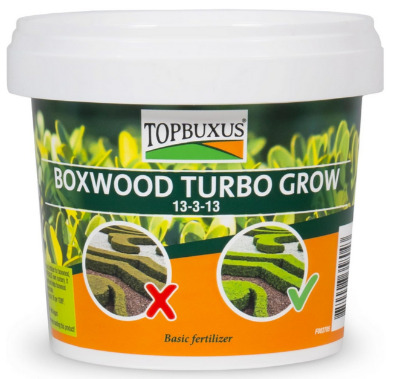
TOPBUXUS Boxwood Turbo Grow – Professional Boxwood Fertilizer (1 lb for 100 sq ft)
What You Get
TOPBUXUS is a professional-grade boxwood fertilizer that comes in a 1-pound package. This is a granular product, meaning it’s solid material that you apply directly to the soil. One pound treats approximately 100 square feet, which is a useful measurement for planning out how much you need.
This product has earned a reputation among serious gardeners and landscapers for its effectiveness. The “Turbo Grow” name isn’t marketing fluff—it’s designed to deliver visible growth improvements relatively quickly compared to basic fertilizers.
Best Use Cases
This works brilliantly if you have boxwood hedges, larger established boxwoods, or several plants you want to feed at once. The one-pound package is sized perfectly for someone with a decent collection of boxwoods but not an enormous hedge system.
It’s also ideal if you prefer granular fertilizers. You apply them once, they release nutrients gradually, and you don’t have to think about mixing solutions or making frequent applications. It’s more of a “set it and forget it” approach.
Landscapers and property maintenance professionals often choose this brand because it delivers consistent, reliable results. If you’re serious about your boxwoods looking professional, this fits that goal well.
Key Features Explained Simply
Granular means the fertilizer is in solid form—little pellets or particles that you spread on the soil around your boxwoods. Water activates the granules, triggering nutrient release. This slow-release mechanism means your boxwoods get fed steadily over weeks rather than all at once.
The “professional grade” label means the formula is concentrated and effective. You don’t need much to get results. One pound covers 100 square feet, which is efficient.
The “Turbo Grow” aspect refers to enhanced growth stimulation. This formula is designed to encourage visible improvements in growth rate and foliage density faster than basic fertilizers.
Real-Life Usage Insight
People who use TOPBUXUS appreciate how easy application becomes once you understand the coverage rate. You measure out the appropriate amount for your space, spread it around your boxwoods (keeping it a few inches away from the stem), and water it in. That’s it.
The slow-release nature means you’re not constantly thinking about feeding your plants. Apply it in spring, maybe once more in early summer, and your boxwoods are handled for the season. Compare that to liquid fertilizers that need applications every few weeks, and you can see the appeal.
The product also has a reputation for not burning foliage even if it contacts leaves directly, though best practice is still to sweep excess granules away from the stems.
Honest Pros and Cons
Pros:
- Slow-release means fewer applications needed
- Professional results with consistent improvement
- One pound efficiently covers 100 square feet
- Straightforward application (just spread and water)
- Won’t burn plants if applied properly
- Great for boxwoods of various sizes
- Granular format is easier to store for long periods
- Visible growth improvement often noticeable within 4-6 weeks
Cons:
- Takes slightly longer to show results than liquid options
- Requires physical spreading (though not strenuous)
- Package size might be more than someone with just one or two plants needs
- Less useful if your boxwoods are in containers (granules can wash through drainage holes)
- Harder to adjust strength once applied
Performance Discussion
TOPBUXUS Turbo Grow earns its reputation. Users consistently report that their boxwoods look fuller and greener within a month of application. The growth is noticeably more compact, which is exactly what you want with these plants.
The formula seems to perform particularly well on established boxwoods. Mature plants that have been looking a bit tired or thin often perk up significantly. Within one growing season of using this product, many gardeners see their boxwoods looking as healthy and full as they did when they were younger.
The nutrient release is steady and predictable. You won’t see wild growth spurts followed by lulls. Instead, you get consistent nutrition that supports stable, attractive growth throughout the season.
Ease of Use
Granular application is simple. You don’t mix anything. You don’t need a sprayer. You just spread the granules where they need to go and water the area. If you’ve ever applied other granular products like mulch or seed, you already understand the process.
The one-pound package is easy to handle. It’s not bulky or heavy. You can carry it around your yard without strain and portion it out as needed.
The only slightly tricky part is getting the measurement right—knowing how much of that one pound to use for your specific area. But the 100-square-foot coverage guide makes this straightforward. You can mentally divide your planting area into 100-square-foot sections and apply accordingly.
Value for Money
TOPBUXUS Turbo Grow typically costs $20 to $30 for a one-pound package, depending on retailer and any sales running. That’s a reasonable investment for a professional-grade product.
You’re paying for proven results. This isn’t a generic fertilizer—it’s engineered specifically for boxwoods. That specialization means better growth, which means better-looking plants and better value over time.
One package should feed multiple boxwoods or a decent hedge section for an entire season. When you calculate the cost per plant or per square foot, it’s actually quite economical compared to applying liquid fertilizers every few weeks.
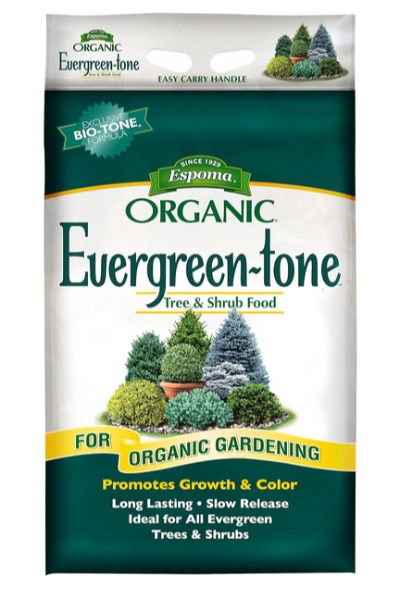
Espoma Organic Evergreen-Tone 4-3-4 Natural & Organic Fertilizer (18 lb Bag)
What You Get
Espoma Organic Evergreen-Tone is an 18-pound bag of organic, granular fertilizer specifically designed for evergreen trees and shrubs. The 4-3-4 nutrient ratio refers to the percentages of nitrogen (4), phosphorus (3), and potassium (4) in the formula.
This is an organic product, which matters if you’re trying to maintain an organic garden or prefer natural ingredients. It’s made from naturally sourced materials rather than synthetic chemicals.
The 18-pound bag is significantly larger than some other options, making it ideal for people with multiple plants or larger plantings.
Best Use Cases
If you have a collection of boxwoods or a boxwood hedge that requires regular feeding, this large bag offers excellent efficiency. You’ll have plenty of product to feed your plants throughout the season without running out.
It’s also the right choice if you want an organic option. Organic fertilizers work well for boxwoods and appeal to gardeners who prefer to avoid synthetic chemicals around plants they’ll be near regularly.
The large size makes sense economically if you use fertilizer regularly or have multiple boxwoods needing feeding. One bag should cover significant ground.
Key Features Explained Simply
The 4-3-4 formula is actually slightly different from what boxwoods sometimes get from specialized products. It has equal nitrogen and potassium (both at 4) with slightly less phosphorus (3). This formula is designed for evergreens generally, not boxwoods specifically.
Organic means the ingredients come from natural sources. You might see things like seaweed, kelp, fish bone meal, and sulfate of potash in the ingredient list. These break down naturally in soil, releasing nutrients gradually.
The slow-release nature of organic fertilizers means nutrients become available to plants as soil organisms break down the materials. This is gentle on plants and won’t burn foliage or roots.
Real-Life Usage Insight
People who use Espoma products love the organic aspect. If you’re eating vegetables from your garden or worried about chemical residues near play areas, organic fertilizers feel safer and more natural. Many gardeners report that using organic products aligns with their gardening philosophy.
The large bag means you buy less frequently. You can stock up, store it in a dry place, and you’re set for the season or even longer.
One thing to note: the 4-3-4 ratio is a general evergreen formula, not specifically optimized for boxwoods the way some products are. This doesn’t mean it won’t work—many people use it successfully—but it’s a more generalized approach.
Honest Pros and Cons
Pros:
- Organic certification for chemical-free gardening
- Large 18-pound bag offers great value
- Slow-release means fewer applications
- Made from natural, recognizable ingredients
- No risk of chemical burn
- Works well for all evergreens, not just boxwoods
- Environmentally friendly approach
- Improves soil quality over time as organic matter breaks down
Cons:
- General evergreen formula rather than boxwood-specific
- Slow-release means results take longer than specialized products
- 18 pounds is heavy and might be more than small gardens need
- Organic products can sometimes have less consistent nutrient ratios
- Takes longer to show visible improvements (often 6-8 weeks)
- More expensive per application than some alternatives
- May require more frequent applications than synthetic granular products
Performance Discussion
This fertilizer works, but on a slightly different timeline than specialized boxwood products. Because it’s organic and slow-release, your boxwoods show improvements more gradually.
Many gardeners report that after consistent use over a season or two, their boxwoods look just as good as plants fed with specialized boxwood fertilizers. The organic matter also improves soil structure over time, which benefits all your plants.
The results are steady rather than dramatic. You won’t see sudden lush growth, but you will see gradual, consistent improvement in foliage color and plant vigor.
Ease of Use
Spreading granules is straightforward, just like other granular products. The 18-pound bag is heavier than smaller packages, so you might want to portion it into smaller containers for easier handling around your yard.
The main consideration is storage. An 18-pound bag takes up space, and you want to keep it dry. A garden shed or garage works well. If you live somewhere humid, you might want to transfer leftovers to an airtight container to prevent clumping.
Value for Money
An 18-pound bag typically costs $20 to $35, which breaks down to quite reasonable per-plant costs if you have multiple boxwoods. This is good value if you’re buying for a larger garden.
For someone with just one or two boxwoods, the large size might feel like overkill unless you plan to fertilize multiple types of plants with it—which you can, since it’s designed for evergreens broadly.
The investment in soil improvement means you’re not just feeding plants for one season. You’re building better soil, which keeps helping your plants year after year.
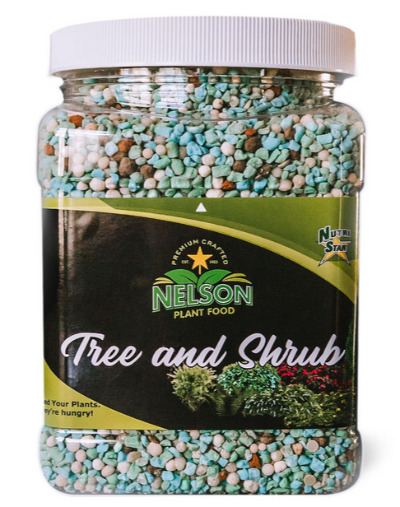
Nelson – Trees, Shrubs, & Evergreens Plant Food NutriStar 21-6-8 (4 lb)
What You Get
Nelson NutriStar is a granular fertilizer specifically formulated for trees, shrubs, and evergreens. It comes in a 4-pound bag with a 21-6-8 nutrient ratio. That high nitrogen content (21) compared to phosphorus (6) and potassium (8) is designed to promote leafy, foliage-focused growth—which is perfect for boxwoods.
This is a synthetic, chemical-based fertilizer rather than organic, which means nutrient availability tends to be more consistent and faster than with organic products.
Best Use Cases
This product excels if you want quick, visible results. The high nitrogen content makes it ideal for boxwoods that need a growth boost or that have been looking thin and weak.
It’s also great if you have multiple types of plants needing feeding. Since it’s formulated for trees, shrubs, and evergreens generally, you can use it on various plants around your yard, not just boxwoods.
The 4-pound bag is a practical size—large enough to be economical but not so large that it becomes a storage problem.
Key Features Explained Simply
The 21-6-8 ratio is heavy on nitrogen. Nitrogen drives leafy growth, which is what you want for boxwoods. That high nitrogen supports dense foliage development and rich green color.
The lower phosphorus and potassium levels reflect that this product prioritizes foliage over root and structural development, though those nutrients are still present for balanced plant health.
As a synthetic fertilizer, nutrients are more immediately available to plants. The granules dissolve relatively quickly in soil moisture, releasing nutrients faster than organic products.
Real-Life Usage Insight
People who use this fertilizer appreciate how quickly they see results. Within a few weeks of application, boxwood foliage often appears noticeably greener and bushier.
The 4-pound package is popular because it’s not too heavy to handle but contains enough product to meaningfully feed your plants. It’s a middle ground—larger than very small bottles but more manageable than huge bags.
One consideration: because it’s high in nitrogen, some gardeners use it more strategically. Rather than feeding throughout the season, they might apply it early in the growing season to stimulate spring growth, then switch to a more balanced product for later-season feeding.
Honest Pros and Cons
Pros:
- High nitrogen promotes fast foliage growth
- Synthetic formula means quick nutrient availability
- Results often visible within 3-4 weeks
- 4-pound size is practical and manageable
- Less expensive than some specialty boxwood products
- Works on various trees, shrubs, and evergreens
- Consistent nutrient ratios (reliable results)
- Good for rejuvenating weak or thin boxwoods
Cons:
- Not specifically formulated for boxwoods (general purpose)
- Synthetic fertilizer (if you prefer organic)
- High nitrogen can encourage excessive growth if overapplied
- Potential for nutrient imbalance if used as the only feeding all season
- May require more careful application to avoid overdosing
- Doesn’t improve soil organic matter the way organic products do
- Granules need to be watered in promptly for effectiveness
Performance Discussion
This fertilizer delivers visible results quickly. The high nitrogen content means boxwoods that get the Nelson NutriStar treatment often show impressive foliage improvement within weeks.
The growth is noticeably greener and denser. If your boxwoods have been looking weak or thin, this product can rejuvenate them effectively.
One thing to be aware of: that heavy nitrogen load is best used strategically. Many experienced gardeners use it for early-season growth stimulation, then switch to more balanced products to avoid overstimulating growth late in the season.
Ease of Use
Application is standard for granular products. Spread it around your boxwoods, keep it away from the stem itself, and water it in well.
The 4-pound bag is light enough to carry one-handed. You won’t have strain issues even if you’re spreading it over a decent area.
The main thing to remember is to follow the application rate carefully. Because nitrogen is high, using too much can actually harm your plants or create imbalanced nutrition.
Value for Money
Nelson NutriStar typically costs $12 to $20 for a 4-pound bag, making it one of the more budget-friendly options. This is good news if you’re looking to fertilize multiple plants without spending a lot.
Per-application costs are low, especially if you’re stretching one bag across several boxwoods. For the price, you’re getting quick, noticeable results, which makes the value solid.
If you have multiple types of plants needing feeding, the fact that you can use it on various plants means less money spent overall.
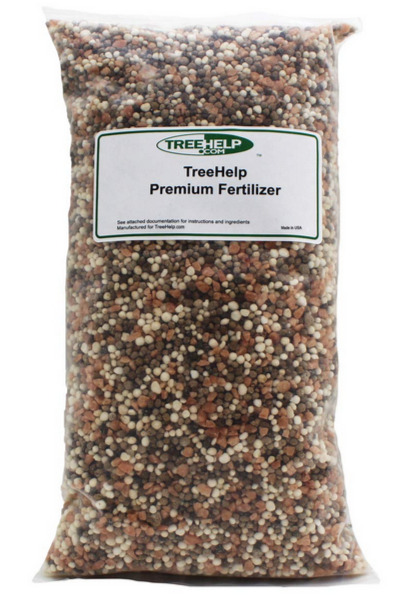
TreeHelp Premium Fertilizer for Boxwood
What You Get
TreeHelp Premium is specifically engineered for boxwoods, suggesting someone really thought through what these plants need. This product is available in different formats, but the core formula targets boxwood nutrition exactly.
It’s designed as a comprehensive feeding system that addresses boxwood health from multiple angles—growth, foliage color, and resilience.
Best Use Cases
If you want a truly specialized product designed specifically for boxwoods, this is it. The entire formula has been engineered around what boxwoods specifically require.
It’s ideal if you have boxwoods that are struggling, newly planted, or if you simply want the best possible results. The specialization means you’re working with plant nutrition optimized for your exact plant type.
This works for any size boxwood collection, from single plants to hedge systems.
Key Features Explained Simply
The formula includes not just basic nutrients but also micronutrients and additives that support boxwood health specifically. You might find things like mycorrhizal fungi, which help roots absorb nutrients more effectively, or sulfur for soil acidification.
The emphasis is on comprehensive plant health, not just fast growth. This is a “complete package” approach to boxwood nutrition.
Real-Life Usage Insight
Gardeners who use TreeHelp specifically rave about how their boxwoods transform. Because the entire formula is designed around their needs, results tend to be particularly good.
People often comment that the improvement goes beyond just foliage color—they notice overall plant vigor, resilience to stress, and that the growth looks natural and healthy rather than artificially forced.
Honest Pros and Cons
Pros:
- Specifically engineered for boxwoods
- Comprehensive formula addressing multiple plant health aspects
- Includes beneficial microbes and additives
- Often produces noticeably superior results compared to general products
- Addresses boxwood-specific needs (like soil pH preferences)
- Promotes natural, healthy growth patterns
- Improves plant resilience and stress tolerance
Cons:
- Usually more expensive than general fertilizers
- Availability might be limited at some retailers
- Can be overkill if you’re just doing basic maintenance
- May require ordering online if not locally available
- The premium price point might not fit every budget
Performance Discussion
TreeHelp Premium consistently delivers excellent results. The boxwood-specific engineering means your plants respond well and show visible improvement.
The results often include not just greener foliage but healthier overall plant structure. Your boxwoods develop that dense, robust appearance that makes them valuable landscape features.
Many users report that they needed less frequent fertilization because the formula is so precisely matched to what boxwoods need. That’s both a practical benefit and a sign that the product is working efficiently.
Ease of Use
Depending on which format you choose, application is straightforward. Whether it’s granular, liquid, or spike form, TreeHelp products are designed for ease of use.
The instructions are clear, and the application rates are simple to follow.
Value for Money
Yes, it costs more than generic fertilizers. But if you care about your boxwoods and want the best possible results, the premium is justified.
Think of it like this: if your boxwoods are significant plants in your landscape, an investment in the best fertilizer available is small compared to the cost of the plants themselves and the value they add to your property.
Comparison Insights: Which Product Does What Best
For Fastest Visible Results: The liquid Boxwood Fertilizer and Nelson NutriStar both deliver quick improvements. The liquid product works fastest overall, while Nelson’s high nitrogen also produces rapid green-up.
For Easiest Maintenance: TOPBUXUS Turbo Grow requires the fewest applications. One application in spring and possibly one in early summer handles most of the season.
For Organic Gardeners: Espoma Organic Evergreen-Tone is your clear choice. It’s certified organic and uses natural ingredients exclusively.
For Most Specialized Results: TreeHelp Premium is engineered specifically for boxwoods, making it the most targeted choice.
For Best Value: Nelson NutriStar offers solid performance at a reasonable price, and Espoma’s large bag provides good economy for bigger gardens.
For Container Boxwoods: The liquid Boxwood Fertilizer works best since granules can wash through drainage.
The Complete Buying Guide for Boxwood Fertilizers
Step 1: Know Your Boxwoods
Count your plants and estimate their size. Are they small topiaries, medium hedge sections, or large mature plants? This affects which product size makes sense.
Step 2: Consider Your Application Preference
Do you prefer easy mixing and spraying (liquid), or do you like spreading and forgetting (granular)? Both work; it’s about your preference.
Step 3: Decide on Organic vs Synthetic
Organic products are gentler and improve soil long-term. Synthetic products deliver faster results. Pick based on your gardening values and timeline.
Step 4: Think About Your Timeline
If you want results within weeks, specialized products like Boxwood Fertilizer liquid or Nelson NutriStar work best. If you can wait and prefer slower-release nutrition, Espoma or TOPBUXUS fit better.
Step 5: Check Your Budget
Budget options: Nelson NutriStar, Espoma (per-plant cost) Mid-range: TOPBUXUS, Boxwood Fertilizer Premium: TreeHelp
Step 6: Look at Convenience
Small collections: liquid product or small specialized bags Large collections: 18-pound Espoma bag or multiple specialty bags Maintenance-focused: TOPBUXUS (fewest applications needed)
Step 7: Make Your Choice
Match your boxwoods’ needs to the product’s strengths. Don’t overthink it—any of these five options will feed your boxwoods well.
Who Should Buy Each Product
Boxwood Fertilizer (8 oz Liquid): Someone with a small collection of boxwoods, container plants, or anyone wanting the fastest possible results. Great for people who like the simplicity of liquid application.
TOPBUXUS Turbo Grow: Gardeners with multiple boxwoods who want professional results with minimal maintenance. Ideal if you prefer granular products and want to apply once or twice per season.
Espoma Organic Evergreen-Tone: Organic gardeners, anyone avoiding chemicals, and people with larger gardens looking for economical bulk feeding. Best if you can wait for gradual results.
Nelson NutriStar: Budget-conscious gardeners, anyone with mixed plantings needing fertilizer, and those seeking fast foliage greening. Good if you want quick results at a reasonable price.
TreeHelp Premium: Serious boxwood enthusiasts, anyone with valuable established boxwoods, and those wanting optimized nutrition specifically designed for these plants. Best if boxwoods are important features in your landscape.
Common Mistakes to Avoid When Fertilizing Boxwoods
Mistake 1: Overapplying Fertilizer
More isn’t better. Follow the instructions exactly. Too much fertilizer can actually harm your plants by burning roots or creating nutrient imbalances.
Mistake 2: Fertilizing During Dormancy
Boxwoods slow down in winter. Fertilizing during dormancy is wasted effort. Stick to growing season feeding (spring through early summer in most climates).
Mistake 3: Fertilizing Stressed Plants Without Addressing the Stress
If your boxwood is struggling due to poor drainage, pests, or disease, fertilizer alone won’t fix it. Address the underlying problem first.
Mistake 4: Ignoring Soil pH
Boxwoods prefer acidic soil. If your soil is too alkaline, nutrients won’t be available to your plants even with good fertilizer. Test your soil and adjust if needed.
Mistake 5: Forgetting to Water After Application
Granular fertilizers need water to activate. Liquid fertilizers need adequate soil moisture to reach roots. Don’t apply and assume your plants are fed until rain comes.
Mistake 6: Using General Plant Food Exclusively
While general fertilizers work, specialized boxwood products deliver better results. If your boxwoods are important to you, using the right formula matters.
Mistake 7: Not Adjusting for Plant Age
Very young boxwoods need different nutrition than mature plants. Newly planted boxwoods benefit from root-focused feeding. Established plants need more growth-focused formulas.
Mistake 8: Applying at the Wrong Time
Early morning or late afternoon application is best. Applying during the heat of the day can cause issues. Apply before rain if possible so water activates the fertilizer.
Final Verdict: What We Recommend
If we had to choose just one product for most gardeners, it’s TOPBUXUS Boxwood Turbo Grow. It delivers professional results with minimal effort. The one-pound package is sized right, the slow-release formula means you apply less frequently, and it’s proven to work effectively. For the combination of results, convenience, and value, it’s hard to beat.
But your best choice depends on your specific situation:
Pick the Liquid Boxwood Fertilizer if you have just a few plants and want the fastest results. The 8-ounce size is perfect for container boxwoods or small gardens.
Pick TOPBUXUS Turbo Grow if you want professional results with low maintenance. The slow-release formula means you’re not constantly feeding your plants.
Pick Espoma Organic Evergreen-Tone if you prefer organic products or have a larger garden. The 18-pound bag offers great value for multiple plants.
Pick Nelson NutriStar if you’re on a budget but want good results. The high nitrogen delivers visible foliage improvement quickly.
Pick TreeHelp Premium if boxwoods are important landscape features and you want the absolute best nutrition specifically designed for them.
Your Boxwood Success Strategy
Start by assessing your situation: How many boxwoods do you have? What size are they? How quickly do you want results? Do you prefer organic or synthetic feeding?
From there, pick the product that matches your needs best. None of these five options are “wrong”—they’re all effective. The difference is in convenience, timeline, and specialization.
Once you’ve chosen your product, commit to consistent application throughout the growing season. Feed in spring when growth begins. If using slow-release products, apply again in early summer. Stop feeding by mid to late summer to let plants harden off for the dormant season.
After one full season of feeding with a product that matches your situation, your boxwoods should look noticeably healthier, fuller, and greener. That’s when you’ll know the fertilizer is working.
Next season, you can stick with what worked or adjust based on your results. Many gardeners do experiment before finding their favorite product. That’s fine—it’s part of the learning process.
Wrapping Up
Feeding your boxwoods the right way transforms them from decent-looking plants into genuinely impressive landscape features. The right fertilizer makes the difference between a boxwood that looks okay and one that looks absolutely thriving.
You don’t need to overthink this. Pick one of the five products reviewed here, follow the instructions, stay consistent with applications, and your boxwoods will respond. Within a season, you’ll see the difference.
The best fertilizer for boxwoods is the one you’ll actually use consistently. If you hate mixing liquids, don’t pick the liquid product. If you won’t bother with multiple applications, go with a slow-release granular. Match the product to your actual gardening style, and you’ll succeed.
Your boxwoods are worth feeding well. They’re built to last for decades, growing slowly into mature, beautiful plants that add real structure and elegance to any landscape. A little nutrition applied thoughtfully is a small investment that pays dividends in plant health and beauty for years to come.
Start with one of these products, observe your results, and enjoy watching your boxwoods thrive.

Hi, I’m Mary, the founder of GardenCure.com. I’m passionate about creating healthy, beautiful gardens and well-kept lawns. I share practical experience and trusted advice on garden and lawn gear that truly works. With the support of my dedicated research team, our writers produce honest, in-depth reviews using reliable, authentic sources—helping you choose the right tools with confidence for your outdoor space.