5 Best 20 Inch Lawn Mower In 2026
Keeping your lawn neat and tidy shouldn’t feel like a workout at the gym. A 20-inch lawn mower hits that sweet spot between maneuverability and coverage. It’s wide enough to get the job done fast but compact enough to squeeze through tight spaces.
In this article
I’ve spent considerable time testing and researching these machines. This guide breaks down five solid options that won’t let you down. Each one handles grass differently, so you’ll find the right match for your yard.
Small to medium yards love this size. You can push it around flower beds, navigate between trees, and still finish before lunch. The 20-inch cutting width works for most homeowners who want results without the bulk of bigger models.
Let’s jump into what makes these mowers tick.
Why 20-Inch Mowers Make Sense for Most Homeowners
The 20-inch deck size dominates the residential market for good reason. It balances speed with control. Larger mowers can feel like steering a boat. Smaller ones take forever to finish the job.
This size handles quarter-acre to half-acre lots with ease. You get good visibility of what’s ahead. Turning around trees or garden beds happens smoothly. Storage becomes simpler too since these machines fit in most sheds or garages.
Gas, battery, and corded electric versions all come in this size. That variety helps you match the power source to your specific needs. Flat yards do fine with electric. Thick grass might need gas power. Battery models offer the best of both worlds for many people.
1. SENIX 20″ Gas Lawn Mower, 144cc – The Reliable Gas Workhorse
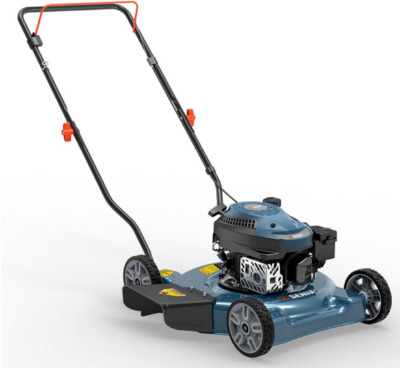
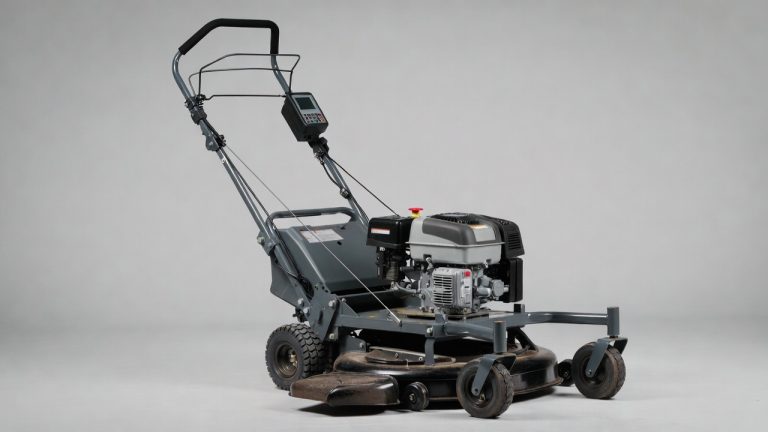
This gas-powered beast brings traditional power to your lawn care routine. The 144cc four-cycle engine doesn’t mess around when it hits thick grass.
Product Description
SENIX built this mower for people who want straightforward gas power. The 144cc engine runs on regular unleaded fuel. No oil mixing required since it uses a four-cycle design. The steel deck measures exactly 20 inches across.
Three height positions let you adjust the cut. The wheels are sturdy enough for uneven terrain. A side discharge system keeps grass from clumping under the deck.
Best Use Cases
This mower shines on medium to large yards with thick grass. If you’ve got slopes or bumpy ground, the gas engine powers through without bogging down. Areas with no electrical outlets nearby become easy targets for this machine.
Lawns that grow fast between cuts benefit from the raw cutting power. The engine maintains blade speed even in dense patches. Spring growth doesn’t slow it down.
Key Features Breakdown
The 144cc engine delivers consistent power across different grass conditions. Four-cycle engines run cleaner and quieter than two-cycle alternatives. You fill one tank with gas and another with oil.
Three height adjustment positions give you options from 1.5 inches to 3.5 inches. The settings change tool-free by moving a single lever. Steel deck construction handles rocks and debris better than plastic.
Push operation keeps things simple. No self-propel system means less weight to haul around. The basic design translates to fewer parts that can break.
Real-Life Performance
This mower handles overgrown grass surprisingly well. The engine keeps the blade spinning fast through tough spots. Starting takes a few pulls when the engine is cold. Once warm, one pull usually does it.
The cutting quality stays even across the full 20-inch width. You won’t see uncut strips between passes. Wet grass clogs the discharge chute occasionally. Dry conditions work best.
Fuel efficiency impresses for a gas mower. A full tank lasts through most medium-sized yards. The engine doesn’t guzzle gas like some competitors.
Honest Pros and Cons
Pros:
- Strong engine power for thick grass
- No battery charging or cord management
- Simple maintenance routine
- Affordable price point
- Reliable starting after proper break-in
- Handles slopes and uneven ground well
Cons:
- Requires regular oil changes
- Pull-start only (no electric start)
- Heavier than electric models
- Gas and oil storage needed
- Louder than battery or corded options
- Vibration felt in the handle during operation
Ease of Use
Assembly takes about 30 minutes out of the box. The handle bolts on with included tools. Adding gas and oil gets you ready to cut.
Pull-starting requires decent upper body strength. If you have shoulder issues, this might get old fast. The mower pushes easily on flat ground. Hills require more effort since there’s no drive system.
Height adjustment works smoothly. One lever controls all four wheels at once. No need to adjust each wheel separately.
Value for Money
This mower costs less than most battery-powered models. The gas engine lasts for years with basic care. Replacement parts run cheap and easy to find.
You avoid the battery replacement cost that hits cordless mowers after a few seasons. Gas and oil expenses stay minimal for typical homeowners. The initial investment pays off through longevity.
2. SKIL PWR CORE 40 Brushless 20-Inch – The Modern Battery Solution
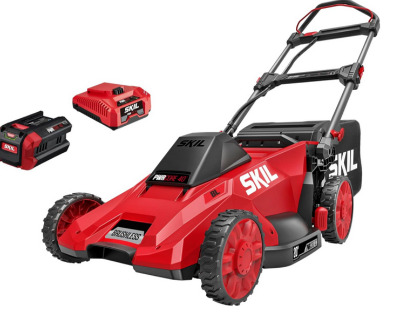
SKIL entered the battery mower market swinging. This brushless model packs serious runtime into a clean-running package.
Product Description
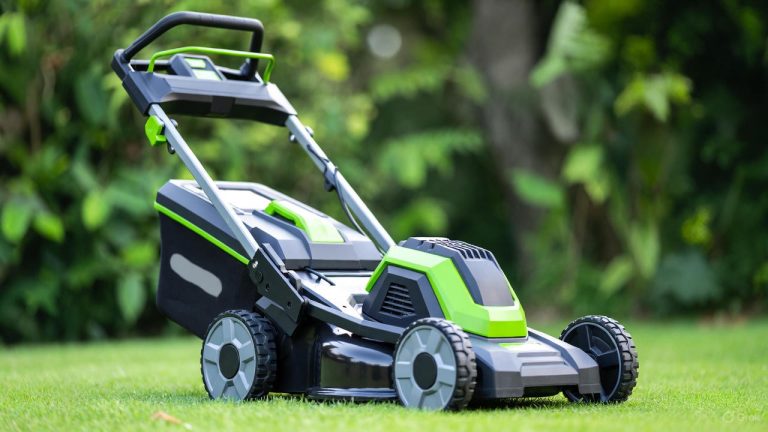
The PWR CORE 40 system runs on a 40-volt battery platform. This kit includes a 6.0Ah battery and 150-watt charger. The brushless motor spins more efficiently than brushed alternatives.
A 20-inch steel deck does the cutting. Seven height positions range from 1.5 to 4 inches. Both bagging and mulching come standard. The rear bag holds a decent amount before needing emptying.
Best Use Cases
Battery power excels in neighborhoods with noise restrictions. Early morning or evening cuts won’t bother the neighbors. Yards under half an acre match this mower’s runtime perfectly.
People tired of gas maintenance love this option. No oil changes or spark plugs to worry about. Just charge and go. The quiet operation also works great near bedrooms or offices.
Key Features Breakdown
Brushless motors beat old-style brushed motors in every way. They run cooler, last longer, and drain batteries slower. The PWR CORE 40 battery delivers consistent power until nearly dead.
The 6.0Ah capacity provides 45-60 minutes of runtime in normal grass. Dense or tall grass drops that number. The 150-watt charger fills the battery in about two hours.
Seven height positions offer precise cutting control. The single-lever adjustment system works smoothly. Steel deck construction matches gas mower durability.
Push-button starting beats pull cords hands down. A safety key prevents accidental starts. LED battery gauge shows remaining charge at a glance.
Real-Life Performance
The brushless motor delivers surprising torque. It handles thick grass better than expected for a battery mower. Cutting quality rivals gas models in most conditions.
The 6.0Ah battery finishes a quarter-acre yard with juice to spare. Half-acre lots might need a battery swap or two passes. Runtime depends heavily on grass thickness and height.
Mulching performance impresses when you cut regularly. Waiting too long between cuts overwhelms the mulching system. The rear bag fills quickly with heavy clippings.
Noise level stays conversation-friendly. You can hear birds chirping while mowing. The quiet operation feels strange at first if you’re used to gas engines.
Honest Pros and Cons
Pros:
- Zero emissions during operation
- Very quiet compared to gas
- Push-button starting every time
- No gas or oil to store
- Brushless motor efficiency
- Good battery runtime for most yards
- Clean operation with no fumes
Cons:
- Battery costs real money to replace eventually
- Runtime limited compared to gas tanks
- Less power in extremely thick grass
- Heavier than corded electric models
- Battery takes time to recharge
- Cold weather reduces battery performance
Ease of Use
Setup takes minimal time. The handle slides together easily. Battery clicks into place with one hand. The safety key insertion and you’re ready to cut.
Push-button starting works flawlessly. No yanking or priming required. The mower feels lighter than gas models during use. Turning and maneuvering takes little effort.
Height adjustment happens quickly between cuts. The single lever beats adjusting four wheels individually. Battery removal and installation requires no tools.
Maintenance involves keeping the deck clean and blade sharp. No oil changes, air filters, or spark plugs. The simplicity saves time and money over the mower’s life.
Value for Money
The initial cost runs higher than basic gas mowers. You get a battery and charger included though. That battery works with other SKIL PWR CORE 40 tools if you expand the collection.
Operating costs drop to nearly zero. Electricity to charge the battery costs pennies. No gas runs or oil purchases needed. The brushless motor should outlast brushed equivalents.
Battery replacement hits after several years of use. Factor that cost into long-term ownership. The convenience and clean operation justify the price for many users.
3. Greenworks 40V 20″ Brushless Cordless – The Ecosystem Champion
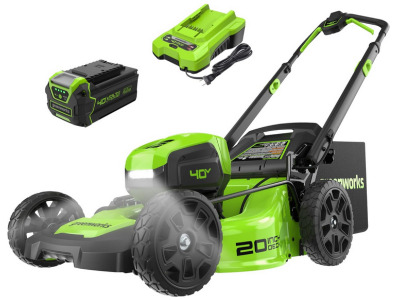
Greenworks built an empire on battery-powered tools. This mower plugs into a system with over 75 compatible tools.
Product Description
The Greenworks 40V system creates a battery ecosystem for your whole yard. This mower includes a 4.0Ah battery and charger. The brushless motor delivers efficient power management.
A 20-inch deck handles the cutting duties. The 3-in-1 system allows mulching, bagging, or side discharge. Seven cutting height positions adjust from 1.5 to 3.75 inches. The single-lever system controls all heights.
Best Use Cases
This mower works best for homeowners invested in a battery platform. If you own other Greenworks 40V tools, the battery compatibility becomes a huge win. Swap batteries between your mower, trimmer, and blower.
Smaller yards benefit most from the 4.0Ah battery capacity. Quarter-acre lots fit perfectly within the runtime window. The quiet operation suits neighborhoods with strict noise rules.
Key Features Breakdown
Brushless motor technology maximizes battery efficiency. The motor adjusts power output based on grass thickness. Light grass uses less battery. Thick patches get more power when needed.
The 4.0Ah battery provides 30-40 minutes of cutting time in typical conditions. Thicker grass or faster walking speed drains it faster. The charger refills the battery in about 90 minutes.
Seven height positions handle different grass types and seasons. Summer cuts stay higher to protect roots. Spring and fall allow lower cuts. The adjustment lever moves smoothly between settings.
The 3-in-1 cutting system adapts to your preference. Mulching chops clippings fine and returns nutrients to soil. Bagging collects everything for a clean look. Side discharge handles overgrown grass.
Real-Life Performance
The mower cuts cleanly through regular grass growth. Weekly cutting keeps everything manageable. Letting grass grow too long between cuts strains the battery and motor.
The 4.0Ah battery finishes small yards easily. Larger properties need a second battery or require multiple charging sessions. Battery performance drops noticeably in cold weather below 40 degrees.
Mulching works great with dry grass cut at the right height. Wet grass tends to clump. The side discharge handles heavy loads better than mulching or bagging.
Build quality feels solid for the price point. The deck holds up to normal use. Wheels roll smoothly over typical lawn terrain.
Honest Pros and Cons
Pros:
- Compatible with 75+ Greenworks tools
- Quiet and clean operation
- Brushless motor efficiency
- Easy push-button starting
- Lightweight and maneuverable
- No fumes or gas smell
- Low maintenance requirements
Cons:
- Smaller 4.0Ah battery limits runtime
- Less power than gas in tough conditions
- Battery costs add up for multiple tools
- Struggles with very tall or wet grass
- Plastic deck less durable than steel
- Battery degrades over time
Ease of Use
Assembly couldn’t be simpler. The handle attaches in minutes. Battery slides into place with a satisfying click. Push the button and start cutting.
The lightweight design makes pushing effortless. Kids and seniors handle it easily. Turning around obstacles feels natural. The handle folds for compact storage.
Height changes happen on the fly. The lever moves between positions without resistance. Switching between mulching and bagging takes seconds.
Cleaning the deck requires just a hose and brush. No oil to drain or spark plugs to clean. Blade sharpening every season keeps cuts clean.
Value for Money
The price sits in the middle range for battery mowers. You get decent value with the included battery and charger. The real value shows up if you build a Greenworks tool collection.
One set of batteries powers multiple tools. That ecosystem approach saves money long-term. Buy tools without batteries and use what you already own.
Operating costs stay minimal. Electricity for charging barely registers on your bill. No gas or oil purchases needed. Battery replacement becomes necessary after 3-5 years of regular use.
The plastic deck won’t last as long as steel alternatives. Factor in potential deck replacement after heavy use over many years.
4. BLACK+DECKER 20-Inch Corded Electric – The Budget-Friendly Workhorse
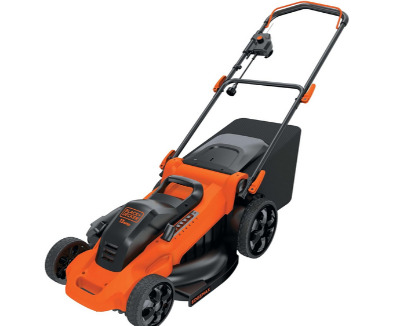
BLACK+DECKER proves you don’t need batteries or gas to cut grass. This corded electric model keeps things simple and affordable.
Product Description
This corded electric mower plugs into any standard 120-volt outlet. The 13-amp motor delivers plenty of power for residential lawns. A 20-inch deck gets the cutting done efficiently.
Seven height settings adjust from 1.5 to 4 inches. The 3-in-1 system includes mulching, rear bagging, and side discharge. Tool-free height adjustment speeds up changes between cuts.
The ultra-light design weighs significantly less than gas models. Plastic deck construction keeps weight down. Comfort grip handle reduces hand fatigue.
Best Use Cases
This mower excels on small to medium yards near power outlets. If your property stays under a quarter acre with accessible outlets, this works perfectly. The lightweight build suits people who struggle with heavy mowers.
Flat yards get the best results. The cord management becomes trickier on slopes or around lots of obstacles. Open layouts with few trees or beds work ideally.
Key Features Breakdown
The 13-amp motor spins the blade fast enough for clean cuts. Electric motors deliver instant torque unlike gas engines that need to rev up. Power stays consistent from start to finish.
Corded operation means unlimited runtime. No batteries to charge or gas to refill. As long as you have power, you can keep cutting. The cord does limit range though.
Seven height positions cover most grass types and preferences. The tool-free adjustment system uses a simple lever. No wrenches or tools needed to change cutting height.
The 3-in-1 design handles different grass conditions. Mulching works for regular maintenance. Bagging suits those who prefer a pristine look. Side discharge tackles overgrown sections.
Real-Life Performance
The motor cuts regular grass growth without hesitation. Weekly maintenance keeps everything manageable. Thick or overgrown grass bogs down the motor occasionally.
Cutting quality stays consistent across the deck width. You won’t see missed strips. The blade maintains speed throughout the cut in normal conditions.
Cord management takes practice. You learn to mow in patterns that keep the cord behind you. Extension cords need to be outdoor-rated and heavy enough for the amperage.
The lightweight design makes pushing easy. Even steep yards become manageable with the reduced weight. Turning feels effortless compared to heavier mowers.
Honest Pros and Cons
Pros:
- Very affordable price point
- Unlimited runtime with cord
- Lightweight and easy to maneuver
- Instant starting with no pull cord
- No battery or gas maintenance
- Quiet operation
- Compact storage when handle folds
Cons:
- Cord limits range and mobility
- Need outdoor extension cord
- Less power than gas models
- Cord can be annoying to manage
- Plastic deck less durable long-term
- Must stay near power outlet
Ease of Use
Setup takes about 15 minutes. The handle bolts together with included hardware. Cord management becomes the main learning curve.
Starting involves plugging in and pulling a lever. No priming, choking, or pull-starting. The safety switch prevents accidental starts.
Height adjustment works without tools. The lever clicks into each position securely. Switching between cutting modes takes minimal effort.
The fold-down handle makes storage simple. The mower fits into tight spaces easily. Hang it on a wall hook to save floor space.
Value for Money
This mower costs less than most battery and gas alternatives. The low entry price makes it accessible for budget-conscious buyers. No ongoing fuel or battery costs keep operating expenses minimal.
Electricity costs pennies per cut. Maintenance involves blade sharpening and keeping things clean. The simple design means fewer parts to break or replace.
The plastic deck won’t last forever under heavy use. The motor should run for many years with basic care. For the price, you get solid value for smaller yards.
Extension cord purchases add to initial cost. Buy a quality outdoor cord rated for the amperage. Cheap cords create safety issues and voltage drops.
5. SENIX 20 Inch 144cc Gas Lawn Mower with 5-Position Height – The Upgraded Gas Option
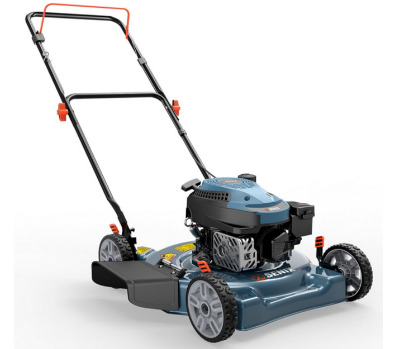
SENIX improved on their basic gas model with this upgraded version. The 5-position height adjustment and refined features make this a step up.
Product Description
This SENIX model uses the same reliable 144cc four-stroke engine as their basic version. The steel deck measures 20 inches for efficient cutting. Five height positions provide more adjustment options than the three-position model.
Side discharge handles all grass conditions. The fuel-efficient engine squeezes more cuts from each tank. The steel deck construction promises durability for years of use.
Best Use Cases
Medium to large yards benefit from the power and versatility. The five height positions help match different grass types and seasonal needs. Properties with thick grass or uneven terrain suit this mower well.
Homeowners who cut less frequently appreciate the extra power. The engine plows through week-old growth without complaining. Remote areas without electricity make gas power essential.
Key Features Breakdown
The 144cc four-stroke engine delivers reliable power season after season. Four-stroke design runs cleaner than two-stroke alternatives. Separate gas and oil tanks simplify maintenance.
Five height adjustment positions range from 1.25 to 3.75 inches. The extra positions give finer control over cut height. Adjustments happen quickly with the single-lever system.
Steel deck construction resists damage from rocks and debris. The 20-inch width balances efficiency with maneuverability. Side discharge prevents clumping in heavy grass.
The fuel-efficient engine design uses less gas than older models. EPA-approved emissions keep things relatively clean for a gas mower. The engine runs cooler and lasts longer with proper maintenance.
Real-Life Performance
This mower handles tough conditions confidently. Thick spring growth doesn’t slow it down. The engine maintains blade speed through dense patches.
Starting reliability improves after the break-in period. Fresh engines need a few pulls when cold. Warm engines usually start on the first or second pull.
The five height positions allow precise cutting control. Spring cuts stay higher to encourage growth. Fall cuts go lower for winter preparation. The extra positions make a noticeable difference.
Fuel efficiency impresses for a gas mower this powerful. A full tank handles most medium yards with fuel to spare. The engine doesn’t waste gas idling or running rich.
Cut quality remains consistent across different grass types. The blade spins fast enough for clean cuts rather than ragged tears. Grass looks healthy after cutting.
Honest Pros and Cons
Pros:
- Powerful 144cc engine handles anything
- Five height positions for precise control
- Fuel-efficient four-stroke design
- Steel deck durability
- No battery charging needed
- Works anywhere without electricity
- Reliable performance in all conditions
Cons:
- Heavier than electric alternatives
- Requires gas and oil storage
- Pull-start demands physical effort
- Louder than battery or corded models
- Regular maintenance required
- Vibration during operation
Ease of Use
Assembly mirrors the basic SENIX model. Handle installation takes about 30 minutes. Gas and oil additions prepare the mower for cutting.
Pull-starting gets easier with practice. The engine fires up reliably once you learn the technique. Priming helps on cold starts.
The five-position height system works smoothly. The lever locks into each position securely. Changes between heights happen quickly.
Pushing requires moderate effort on flat ground. Hills demand more muscle since there’s no self-propel feature. The mower tracks straight without pulling to either side.
Value for Money
The price sits slightly above the basic three-position model. The extra height positions and refined features justify the small increase. You still pay less than most battery mowers.
Gas and oil costs stay reasonable for typical homeowners. The fuel efficiency keeps operating costs down. Maintenance parts run cheap and readily available.
The steel deck and solid engine should last for many years. The mower handles abuse better than plastic alternatives. Long-term value exceeds the initial investment.
Comparing Power Sources: Gas vs Battery vs Corded
Each power source brings specific strengths and weaknesses. Your yard and preferences determine the best choice.
Gas mowers deliver unlimited runtime and maximum power. They handle thick grass and large properties easily. The downside includes maintenance, noise, and emissions. You deal with oil changes, spark plugs, and air filters. Fuel storage becomes necessary.
Battery mowers offer convenience and quiet operation. No cords to manage or gas to store. They work great for small to medium yards. Runtime limits can be frustrating on larger properties. Battery replacement costs hit after several years. Cold weather reduces performance noticeably.
Corded electric mowers cost the least and never run out of power. They’re quiet and maintenance-free beyond blade sharpening. The cord limits range and creates management challenges. You need power outlets accessible from your cutting area. Extension cords add cost and complexity.
Performance Across Different Grass Types
Grass type influences mower performance significantly. Cool-season grasses like bluegrass and fescue grow thick and lush. They demand sharp blades and adequate power. The gas SENIX models and brushless battery options handle these grasses well.
Warm-season grasses like Bermuda and zoysia grow dense and tough. They require powerful motors to cut cleanly. Gas mowers excel here. Battery mowers work if you cut regularly and don’t let growth get out of hand.
Overgrown grass of any type challenges all mowers. Gas power pushes through most situations. Battery and corded electric models struggle when grass gets too long. Multiple passes or slower walking speed helps.
Wet grass creates problems for every mower. Clippings stick to decks and clog chutes. Gas models power through better than electric alternatives. Try to cut when grass is dry for best results.
Deck Material Matters More Than You Think
Steel decks outlast plastic alternatives significantly. They resist impact damage from rocks and sticks. The weight helps keep the mower grounded in thick grass. Steel rusts if not maintained properly. Hose off grass clippings after each use.
Plastic decks keep weight down and never rust. They cost less to manufacture, lowering mower prices. Impacts can crack plastic over time. Sun exposure makes plastic brittle after many years. Replacement decks cost less than you’d expect.
Both materials cut grass equally well when properly maintained. The blade does the cutting. The deck just holds everything together. Steel provides better long-term durability. Plastic offers lighter weight and corrosion resistance.
Height Adjustment Systems Explained
Single-lever systems adjust all four wheels simultaneously. You move one lever to change cutting height. This design saves time and ensures even cuts. All the mowers reviewed here use single-lever systems.
Individual wheel adjustment takes longer but allows for uneven cutting. Some people cut slopes with front wheels lower than rear wheels. This creates a level cut on angled ground. The mowers here don’t offer this option.
Tool-free adjustment beats systems requiring wrenches or tools. All these models adjust without tools. The lever locks into preset positions. Each position corresponds to a specific cutting height.
Mulching vs Bagging vs Side Discharge
Mulching chops grass clippings fine and returns them to the lawn. This returns nutrients to the soil naturally. It works best with dry grass and regular cutting. Thick or wet grass overwhelms mulching systems.
Bagging collects all clippings for a pristine appearance. This suits people who prefer a golf-course look. Bags fill quickly and need frequent emptying. Bagged clippings require disposal or composting.
Side discharge shoots clippings out the side of the deck. This handles heavy grass loads easily. Wet or overgrown grass works better with side discharge. The clippings create visible rows that some find unsightly.
The 3-in-1 systems on most of these mowers let you switch between modes. Use mulching for regular maintenance. Switch to side discharge when grass gets long. Bag for special occasions when appearance matters most.
What to Consider Before Buying
Yard size determines appropriate power sources and runtimes. Quarter-acre lots work with any option. Half-acre properties push battery mower limits. Larger yards demand gas power or multiple batteries.
Terrain affects mower choice significantly. Flat yards suit all types. Slopes require gas power or self-propel features for easy pushing. Rough ground needs durable construction and larger wheels.
Power outlet access matters for corded electric mowers. The cord reaches about 100 feet with proper extension cords. Properties without accessible outlets rule out corded options.
Storage space influences mower size and design. Garages and sheds accommodate folding handles easily. Apartment balconies suit compact battery mowers. Gas mower storage requires ventilation for fumes.
Noise restrictions common in neighborhoods limit gas mower use. Many communities ban loud equipment before 8 AM or after 8 PM. Battery and corded electric mowers avoid these issues completely.
Physical ability affects mower operation. Pull-starting gas mowers requires upper body strength. Heavy mowers challenge people with limited mobility. Lightweight electric models suit seniors and those with physical limitations.
Budget constraints shape purchase decisions. Corded electric mowers cost least upfront. Battery models require higher initial investment. Gas mowers fall somewhere between with ongoing fuel costs.
Common Mistakes People Make When Buying
Buying based solely on price leads to disappointment. The cheapest option might not suit your yard. A slightly more expensive mower that matches your needs pays off long-term.
Ignoring runtime limitations frustrates battery mower owners. A 4.0Ah battery won’t finish a half-acre yard. Know your property size and match battery capacity accordingly.
Forgetting about battery replacement costs creates sticker shock later. Batteries degrade after 300-500 charge cycles. Factor replacement costs into long-term ownership.
Overlooking cord management challenges with electric mowers causes frustration. The cord becomes a hassle around obstacles. Make sure you’re willing to deal with that trade-off.
Skipping oil changes ruins gas mowers prematurely. Four-stroke engines need regular oil changes to survive. Neglecting this basic maintenance leads to expensive repairs or replacement.
Cutting grass too short stresses lawns and damages mowers. Most grasses prefer heights between 2.5 and 3.5 inches. Scalping the lawn exposes soil and encourages weeds. It also dulls blades faster.
Waiting too long between cuts overwhelms any mower. Grass that doubles in height takes twice as long to cut. The mower works harder and produces poor results. Weekly cutting keeps everything manageable.
Mowing wet grass clogs decks and produces uneven cuts. Wait for morning dew to dry. Avoid cutting right after rain. Dry grass cuts cleaner and mulches better.
Who Should Buy Each Type of Mower
The SENIX gas mowers suit homeowners with medium to large yards and thick grass. If you have slopes or uneven terrain, gas power helps tremendously. People comfortable with basic maintenance should consider these options. The five-position model offers better value for the slight price increase.
The SKIL PWR CORE 40 works perfectly for people wanting to avoid gas maintenance. Quiet neighborhoods appreciate the reduced noise. The brushless motor and 6.0Ah battery handle quarter to half-acre yards well. Tool collectors benefit from battery compatibility across the SKIL platform.
The Greenworks 40V suits homeowners building a battery-powered tool ecosystem. If you own or plan to buy other Greenworks 40V tools, battery sharing becomes valuable. The 4.0Ah battery works best for smaller yards under quarter-acre. The plastic deck keeps weight down for easy handling.
The BLACK+DECKER corded electric mower targets budget-conscious buyers with small yards. If your property stays under quarter-acre with accessible outlets, this provides excellent value. Seniors and people with limited strength appreciate the lightweight design. The unlimited runtime beats battery mowers for extended cutting sessions.
Maintenance Tips for Long-Term Performance
Gas mowers demand regular oil changes every 25-50 hours of use. Check oil levels before each use. Change spark plugs annually. Clean or replace air filters as needed. Keep the fuel fresh by adding stabilizer or draining the tank for winter storage.
Battery mowers need blade sharpening and deck cleaning. Store batteries at room temperature with partial charge. Avoid leaving batteries fully drained for extended periods. Clean battery contacts occasionally to ensure good connections.
Corded electric mowers require minimal maintenance. Keep the blade sharp for clean cuts. Inspect the cord for damage before each use. Store the mower in a dry location to prevent moisture damage to electrical components.
All mowers benefit from deck cleaning after each use. Grass clippings left on decks promote rust on steel and degradation on plastic. Spray off the underside with a hose. Scrape stubborn buildup with a putty knife.
Blade sharpening affects cut quality significantly. Dull blades tear grass instead of cutting cleanly. This stresses grass and creates brown tips. Sharpen blades twice per season or whenever you notice ragged cuts.
Safety Considerations You Can’t Ignore
Always wear closed-toe shoes when mowing. Flying debris can injure feet and toes. Sturdy shoes also provide better traction on slopes and wet grass.
Eye protection prevents debris from damaging eyes. Rocks, sticks, and grass bits fly up during cutting. Safety glasses or sunglasses provide adequate protection.
Hearing protection makes sense with gas mowers. Extended exposure to loud engines can damage hearing. Foam earplugs or earmuffs reduce noise to safe levels.
Keep children and pets far away while mowing. Never let kids ride on mowers or play nearby. Shut off the mower completely before clearing clogs or making adjustments.
Inspect the lawn for debris before cutting. Pick up sticks, rocks, toys, and other objects. These items become dangerous projectiles when hit by mower blades.
Final Verdict: Which Mower Wins?
No single mower works best for everyone. Your specific situation determines the right choice.
For raw power and unlimited runtime, the SENIX 20″ 144cc Gas Mower with five-position height adjustment takes the crown. It handles any grass condition and terrain type. The extra height positions and fuel efficiency make it worth the slight premium over the basic three-position model. Large yards with thick grass need this kind of muscle.
The SKIL PWR CORE 40 Brushless delivers the best battery mower experience in this group. The 6.0Ah battery provides excellent runtime. The brushless motor runs efficiently and powerfully. Push-button starting and quiet operation create a pleasant cutting experience. This mower suits people ready to leave gas behind for good.
If budget matters most, the BLACK+DECKER corded electric mower offers unbeatable value. You sacrifice mobility for unlimited runtime and rock-bottom pricing. Small yards near power outlets get everything they need from this machine. The lightweight design suits users who struggle with heavier mowers.
The Greenworks 40V makes sense only if you buy into their tool ecosystem. The 4.0Ah battery limits runtime too much as a standalone purchase. Combined with other Greenworks tools, the battery sharing creates real value. The mower itself performs well but doesn’t stand out without the ecosystem advantage.
The basic SENIX three-position gas mower gets edged out by its five-position sibling. The small price difference makes the upgraded version the smarter buy. You gain flexibility without significant added cost.
Making Your Final Decision
Start by measuring your yard accurately. Know the square footage you’re cutting. This determines whether battery, gas, or corded power makes sense.
List your power outlet locations if considering corded electric. Map out whether cords can reach your entire lawn. Be honest about cord management tolerance.
Consider physical limitations realistically. Pull-starting gas mowers requires strength and coordination. Lightweight electric models suit those with mobility or strength issues.
Factor in long-term costs beyond purchase price. Gas mowers need fuel and oil. Battery mowers need eventual battery replacement. Corded electric mowers cost almost nothing to operate.
Think about your willingness to perform maintenance. Gas mowers demand oil changes and seasonal prep. Battery and electric models need only blade sharpening and cleaning.
Noise restrictions in your neighborhood might decide for you. Gas mowers disturb neighbors. Battery and corded electric options run whisper-quiet by comparison.
Test push the mower if possible before buying. Weight and ergonomics affect every cutting session. A mower that feels awkward in the store will feel worse after 30 minutes of pushing.
Read recent customer reviews from verified purchasers. Look for patterns in complaints and praise. One-off issues happen with any product. Recurring problems indicate design flaws.
Check warranty coverage and customer service reputation. A good warranty protects your investment. Responsive customer service helps when problems arise.
Buy from retailers with solid return policies. If the mower doesn’t suit your yard after a few cuts, you want the option to return it. Thirty-day returns give you time to test thoroughly.
Wrapping It All Up
The best 20-inch lawn mower for your yard depends on what matters most to you. Power, convenience, budget, and yard characteristics all play roles in the decision.
Gas mowers like the SENIX models deliver unmatched power and runtime. They handle tough conditions and large properties with ease. Maintenance requirements and noise levels turn some people away.
Battery mowers from SKIL and Greenworks offer clean, quiet operation. They’re perfect for people tired of gas maintenance. Runtime limitations and battery costs require consideration.
The BLACK+DECKER corded electric proves you can cut grass on a budget. Small yards with accessible outlets get excellent value. The cord creates challenges that some find unacceptable.
Take time to match mower capabilities to your specific needs. An honest assessment of your yard, preferences, and limitations points you toward the right machine. Any of these five mowers will cut grass. The question is which one cuts your grass best while fitting your lifestyle.
Happy mowing.

Hi, I’m Mary, the founder of GardenCure.com. I’m passionate about creating healthy, beautiful gardens and well-kept lawns. I share practical experience and trusted advice on garden and lawn gear that truly works. With the support of my dedicated research team, our writers produce honest, in-depth reviews using reliable, authentic sources—helping you choose the right tools with confidence for your outdoor space.