
5 Best Fertilizer for Blackberries In 2026
Growing blackberries is one of the most rewarding things you can do in a backyard garden. The canes shoot up fast, the berries come in thick, and nothing beats walking outside on a warm morning and grabbing a handful straight off the vine.
In this article
But here’s the thing — blackberries are hungry plants. They pull a lot of nutrients out of the soil, and if you’re not feeding them right, you’ll notice it quickly. Smaller berries. Weak canes. Poor flowering. Sometimes, barely any fruit at all.
That’s exactly why picking the best fertilizer for blackberries matters so much. The right plant food can completely change how your plants grow, how many berries you get, and how sweet those berries taste.
In this article, I’ve rounded up five solid fertilizers that work well for blackberries. I’ll walk you through each one honestly — what it is, how it works, the real pros and cons, and who it’s best for. I’ll also give you a buying guide, common mistakes to avoid, and a final verdict to make your decision easy.
Let’s get into it.
Why Blackberries Need the Right Fertilizer
Before jumping into the products, it helps to understand what blackberries actually need from a fertilizer.
Blackberries thrive in slightly acidic soil. The ideal soil pH sits between 5.5 and 6.5. When soil is too alkaline, your plants can’t absorb nutrients properly — even if the nutrients are right there in the ground.
The three main nutrients every fertilizer supplies are:
- Nitrogen (N) — drives leafy, cane growth and keeps the plant vigorous
- Phosphorus (P) — supports root development and flowering
- Potassium (K) — helps with fruit quality, disease resistance, and water regulation
You’ll see these listed as three numbers on every fertilizer bag or bottle. That’s the N-P-K ratio. A bag labeled 4-3-4 means 4% nitrogen, 3% phosphorus, and 4% potassium.
Blackberries also benefit from micronutrients like iron, magnesium, calcium, and manganese. These aren’t needed in large amounts, but they matter — especially for color, flavor, and overall plant health.
Now, let’s look at the five best fertilizers for blackberries you can buy right now.
Product Reviews
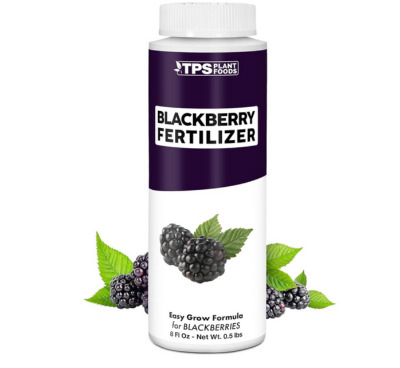
1. BlackBerry Fertilizer – Liquid Plant Food for Bigger Berries, Better Flowering & Stronger Cane Growth (8 oz)
Overview
This one is made specifically for blackberries. That alone sets it apart from most fertilizers on the market, which are designed for “berries in general” or broad garden use. The formula is a liquid concentrate that you mix with water and apply directly to the soil around your plants.
It’s an 8 oz bottle, so the physical size is small. But don’t let that fool you. The concentration means a little goes a long way.
What It Does
This fertilizer targets three main things: berry size, flower production, and cane strength. The liquid format means nutrients are available to the plant almost immediately. There’s no waiting for granules to break down in the soil.
You apply it by mixing the concentrate with water and either pouring it at the base of the plant or using a watering can to work it into the root zone. Some growers use it as part of a regular feeding schedule — every couple of weeks during the growing season.
Key Features
- Formulated specifically for blackberries
- Liquid concentrate — fast nutrient uptake
- Supports cane vigor, flowering, and berry development
- Easy to apply with a watering can or hose-end sprayer
- Small bottle size, good for home gardeners with a few plants
Real-Life Usage Insight
Liquid fertilizers work best when the soil is already moist. If you apply them to dry soil, the roots can’t absorb them as efficiently. Water your plants first, let the soil settle for 30 minutes or so, then apply the liquid feed. You’ll likely notice a visible improvement in leaf color and new growth within a week or two of consistent use.
This product works best during the active growing season — from when new growth appears in spring all the way through fruit development in summer. Lay off the feeding in late fall and winter when the plants are going dormant.
Pros
- Fast-acting because it’s a liquid
- Specifically designed for blackberries — not a generic formula
- Simple application process
- Compact size, easy to store
- Good for targeted feeding without over-applying
Cons
- The 8 oz bottle won’t last long if you have many plants
- Liquid feeding requires more frequent application than granular options
- Less convenient if you have a large garden or lots of canes to feed
- You need to be consistent — skipping applications can slow results
Performance
For small-scale blackberry growers with a few plants in raised beds or along a fence line, this liquid formula delivers solid results. The direct-to-roots approach means the plant gets what it needs quickly. You’ll see cane growth respond well, and berries tend to develop fuller and heavier with regular use.
The biggest limitation is scale. If you have dozens of plants, constantly mixing and applying liquid fertilizer gets tedious fast.
Ease of Use
Very easy. Mix the concentrate with water, pour it on. No tools needed. The instructions are clear and beginner-friendly.
Value for Money
The 8 oz bottle is affordable, but you go through it fairly quickly. For casual gardeners with a small blackberry patch, it’s excellent value. For larger setups, you’d want to buy multiple bottles or choose a different product.
Best For: Home gardeners with a small number of blackberry plants who want fast-acting, targeted nutrition.
2. Espoma Organic Berry-Tone 4-3-4 Natural & Organic Fertilizer for All Berries (4 lb Bag, Pack of 2)

Overview
Espoma is a brand with a long track record in organic gardening. Berry-Tone is one of their most popular products, and it’s easy to see why. This is a granular, slow-release organic fertilizer with an NPK ratio of 4-3-4 — well-balanced and gentle enough for regular use without burning your plants.
The pack of two gives you 8 lbs total, which is a solid quantity for a home berry garden. It’s suitable for all berry plants, including blackberries, raspberries, blueberries, and strawberries.
What It Does
Berry-Tone releases nutrients slowly into the soil over an extended period. This means you don’t have to feed as often, and you’re less likely to accidentally over-fertilize. The organic ingredients improve soil health over time, which benefits your blackberries long-term — not just in the short run.
The formula contains Bio-tone microbes, which are beneficial soil bacteria that help break down organic matter and make nutrients more accessible to plant roots. This is a big deal for soil biology, especially if you’re building a productive long-term garden.
Key Features
- NPK ratio: 4-3-4 — balanced for berry plants
- OMRI listed — certified for organic gardening
- Contains Bio-tone microbes for improved soil health
- Slow-release formula reduces risk of burning
- Works for planting and ongoing feeding
- Suitable for all berry types
- Pack of 2 offers good quantity at a fair price
Real-Life Usage Insight
Berry-Tone works really well when you sprinkle it around the drip line of the plant — that’s the edge of the leaf canopy, which is roughly where the feeder roots are. Scratch it lightly into the surface and water it in well.
You can use it at planting time to give new plants a strong start, and then continue using it throughout the season for established plants. Because it’s slow-release, you don’t have to apply it every week. Feeding once a month during the growing season is usually enough.
One thing to keep in mind: organic fertilizers work in partnership with your soil. If your soil is healthy and has good microbial activity, Berry-Tone performs even better. Pairing it with compost or mulching around your plants creates ideal conditions.
Pros
- Certified organic — safe for edible gardens
- Slow-release means less work and less risk of over-feeding
- Bio-tone microbes actively improve soil biology
- Good quantity with the pack of two
- Works at planting and during the season
- Trusted brand with a strong reputation
Cons
- Slower results compared to liquid fertilizers
- Granular application takes a bit more effort than liquid
- The 4-3-4 ratio is mild — if your soil is very depleted, you may need something stronger
- Not the most beginner-obvious in terms of how much to apply
Performance
Berry-Tone is one of the most reliable performers in organic berry gardening. It won’t give you explosive overnight results, but over the course of a season, plants fed with Berry-Tone consistently show strong cane development, good berry yields, and healthy foliage.
The soil improvement aspect is a genuine long-term benefit. After a few seasons of use, your soil structure and microbial activity improve noticeably, which means better results every year.
Ease of Use
Fairly easy. Scoop, sprinkle, rake lightly, water. No mixing required. The bag gives clear instructions on how much to apply based on plant size and age.
Value for Money
The pack of two is great value. You get a good quantity, and because slow-release fertilizers don’t require frequent application, the supply lasts a long time. Organic quality at a reasonable price point makes this one of the better buys on this list.
Best For: Organic gardeners who want a set-it-and-maintain-it approach to feeding their blackberries and other berry plants.
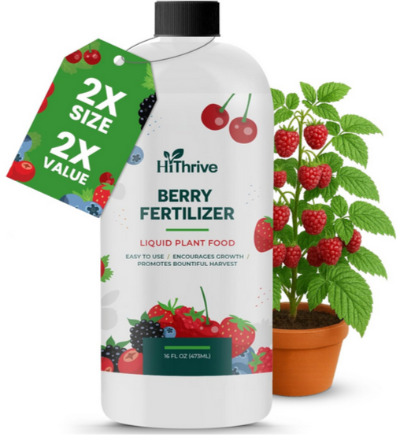
3. 16oz Berry Fertilizer – Makes 16 Gallons of Fruit Tree Fertilizer for Elderberry, BlackBerry & More (Nutrient-Rich Liquid Plant Food)
Overview
This is a highly concentrated liquid fertilizer that punches well above its size. The 16 oz bottle makes up to 16 gallons of ready-to-use plant food. That’s a great ratio — you get a lot of product for the price, and the concentrate stores easily in a small space.
It’s formulated for elderberry, blackberry, and other fruiting plants. The nutrient blend targets root strength, healthy plant growth, and flavorful fruit development. This product leans into the idea that well-fed roots produce better fruit — and it’s right.
What It Does
This liquid concentrate delivers a fast-acting nutrient hit when diluted and applied to the root zone. The formula is designed to support multiple stages of plant development — from early root establishment to active fruiting.
Because it works for a wide range of fruiting plants, it’s a versatile pick for gardeners growing more than just blackberries. If you’re running a mixed berry patch with elderberries, raspberries, or even fruit trees, this one bottle covers it all.
Key Features
- 16 oz bottle yields 16 gallons of plant food — excellent dilution ratio
- Supports roots, growth, and fruit flavor development
- Works for blackberries, elderberries, and more
- Liquid concentrate — fast absorption
- Suitable for outdoor and container-grown plants
- Nutrient-rich formula for strong plant health
Real-Life Usage Insight
The high yield from a single bottle makes this product very practical for gardeners with multiple plants or a larger growing space. You mix it at a standard dilution rate with water and apply it around the base of your plants.
Because it’s liquid, you see results faster than granular options. It works especially well when plants are in their active growth phase — when canes are pushing out fast and flower buds are starting to form. Using it every two weeks during this period gives your plants consistent access to nutrients without overwhelming them.
For container-grown blackberries, this is a particularly good option. Container plants can’t draw nutrients from surrounding soil the way in-ground plants can, so regular liquid feeding is more critical for them.
Pros
- Excellent value — makes 16 gallons from one bottle
- Fast-acting liquid formula
- Versatile — works for multiple berry and fruit plants
- Great for container plants
- Good root and fruit development support
- Practical for larger gardens without being overly expensive
Cons
- Requires careful measurement to get the dilution right
- Frequent application needed for best results
- Not certified organic (check if this matters for your garden)
- Less specialized than the blackberry-specific product above
Performance
This fertilizer delivers solid performance across the board. Root development is noticeably improved in younger plants, and established blackberries tend to push out more vigorous new canes with regular feeding. Fruit size and flavor can improve too, especially if your soil was nutrient-deficient before you started.
The 16-to-1 dilution ratio means you’re being precise about how much you apply — which actually reduces the risk of over-fertilizing compared to products that are harder to measure.
Ease of Use
Easy to use, though you do need to measure carefully. The bottle typically includes clear dilution instructions. A measuring cup and a watering can or garden sprayer are all the tools you need.
Value for Money
This is one of the best value picks on the list. Getting 16 gallons of plant food from a 16 oz bottle is genuinely impressive. The cost per application is low, which makes it accessible even on a tight gardening budget.
Best For: Gardeners with multiple berry or fruit plants who want an affordable, versatile liquid fertilizer that goes a long way.
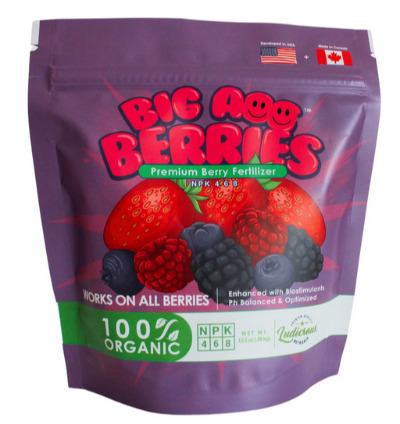
4. Big A Berries Fertilizer Nutrients – Organic Nutrients for Indoor and Outdoor Berries (13.5 oz)
Overview
Big A Berries is a compact, organic-leaning nutrient solution designed specifically for berry plants — including raspberries, strawberries, blueberries, and blackberries. At 13.5 oz, it’s on the smaller side, but the formula is designed for efficiency. It works both indoors (in containers and grow tents) and outdoors.
This one is a good fit for hobby gardeners, urban growers, and anyone growing berries in pots or small spaces. The organic approach means you’re feeding the soil ecosystem as well as the plant itself.
What It Does
Big A Berries delivers a blend of plant-available nutrients that focus on growth, root health, and berry development. The organic nutrient base means it breaks down naturally in soil, supporting long-term soil health while still delivering nutrition to the plant.
It’s suitable for all stages of berry plant growth, from seedlings and transplants to mature canes at full production. The formula is gentle enough that you don’t have to worry much about accidentally burning your plants.
Key Features
- Organic nutrient profile
- Works for raspberries, strawberries, blueberries, and blackberries
- Suitable for indoor and outdoor use
- Good for containers and in-ground plants
- Gentle formula — low burn risk
- 13.5 oz bottle
Real-Life Usage Insight
This product is particularly useful for indoor or patio container blackberries. Container plants have limited soil volume, which means nutrients get used up or washed out quickly. Regular feeding with a gentle organic fertilizer like Big A Berries keeps the plants stocked with what they need without pushing them too hard.
For outdoor in-ground blackberries, it works well as a supplemental feed between heavier applications of a granular fertilizer. Think of it as a top-up dose to keep nutrient levels steady throughout the season.
Urban gardeners growing berries on balconies, in raised beds, or in containers will likely get the most out of this product. It’s not designed to be the sole nutrient source for a large established patch, but it shines in smaller setups.
Pros
- Organic formula — safe for edible crops
- Versatile — indoor and outdoor use
- Works across multiple berry types
- Gentle — low risk of over-feeding
- Compact and easy to store
- Good for container plants
Cons
- Smaller bottle size — won’t go far in a large garden
- Results may be slower compared to synthetic options
- Not the most powerful option for nutrient-depleted soil
- Limited information on exact NPK ratio makes it harder to compare directly
Performance
Big A Berries performs consistently well for what it’s designed to do: steady, gentle nutrition for berry plants in smaller setups. You won’t see explosive growth, but you will see healthy, steady progress — good leaf color, strong root development, and reasonable berry yields.
It’s particularly effective for preventing the kind of slow decline you sometimes see in container plants over a growing season, where nutrients gradually run out and the plant starts to look sad and unproductive.
Ease of Use
Very easy. The organic liquid or concentrate formula is simple to apply, and the gentle nutrient levels mean you don’t have to obsess over exact measurements the way you do with stronger products.
Value for Money
Fair for what you get. The smaller bottle size means it won’t stretch as far as some other options here, but the organic quality and versatility justify the price for the right user.
Best For: Urban gardeners, patio growers, and anyone raising blackberries in containers — indoors or out.
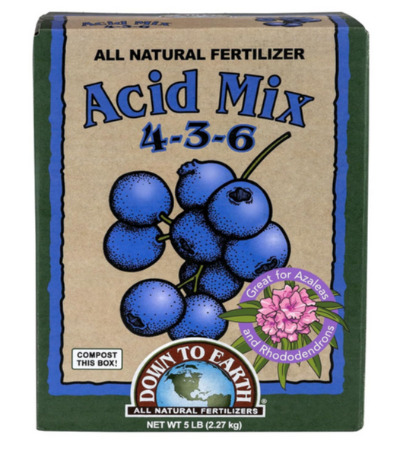
5. Down To Earth All Natural Fertilizers Organic Acid Mix 4-3-6 for Blueberries, Raspberries, Azaleas and Rhododendrons (5 lb)
Overview
Down To Earth is a well-respected brand in organic gardening circles, and their Acid Mix is one of their flagship products. The NPK ratio is 4-3-6, which is slightly heavier on potassium than the other options here — great for fruit quality and overall plant resilience.
As the name suggests, this formula is designed for acid-loving plants: blueberries, raspberries, azaleas, and rhododendrons. Blackberries also prefer slightly acidic soil, so this is a solid choice for growers who want to keep their soil pH in the right range while also feeding their plants.
What It Does
The Acid Mix combines natural fertilizers with sulfur and other acidifying ingredients that help lower soil pH over time. This is hugely useful if you’re gardening in alkaline soil or if your soil pH has drifted too high from years of watering with hard water or adding lime.
By keeping the soil pH in the 5.5 to 6.5 range that blackberries love, nutrients stay more available — which means your plants can actually use what you put in the ground. It’s a two-in-one approach: feed the plant and fix the soil at the same time.
Key Features
- NPK ratio: 4-3-6 — strong potassium for fruit quality
- Contains sulfur to help lower soil pH
- OMRI listed — certified organic
- Works for blackberries, blueberries, raspberries, azaleas, and rhododendrons
- 5 lb bag — good quantity for home gardens
- Granular slow-release formula
Real-Life Usage Insight
This product is a standout choice if you know your soil tends to be alkaline or if you’ve ever struggled to get good results from your berry plants despite regular feeding. The sulfur content acidifies the soil gradually, which makes the overall environment better for blackberries without shocking the plant.
Apply it in early spring before new growth begins and again mid-season to maintain soil chemistry through the peak growing period. Water it in well after application.
For growers with multiple types of acid-loving plants in the same garden — say, blackberries and blueberries growing near each other — Down To Earth Acid Mix is an efficient product that feeds all of them at once.
Pros
- Dual action: feeds plants and acidifies soil
- High potassium supports excellent fruit quality
- Certified organic — safe and trustworthy
- Great for mixed berry and acid-loving plant gardens
- Good 5 lb quantity
- Slow-release means less frequent application
Cons
- May lower pH too much in already-acidic soil — test before using heavily
- Granular format means slower initial uptake than liquid products
- More of a soil-conditioning fertilizer than a quick fix
- Not the best choice if your soil pH is already ideal
Performance
Down To Earth Acid Mix is a genuine performer for blackberries grown in neutral or alkaline soil. The potassium content is higher than most berry fertilizers, which shows up in better fruit development — firmer, more flavorful berries — and stronger overall plant resilience.
The soil acidification benefit compounds over time. After a full season or two of use, you’ll have not just a fed garden but a properly conditioned one.
Ease of Use
Easy for anyone comfortable with granular fertilizers. Measure, sprinkle around the drip line, scratch in lightly, water thoroughly. Straightforward and low-maintenance.
Value for Money
A 5 lb bag at a reasonable price point makes this excellent value, especially given the dual benefit of feeding and soil pH management. For organic gardeners in alkaline soil regions, this is money very well spent.
Best For: Growers with alkaline or neutral soil who want to acidify their soil naturally while providing solid organic nutrition to their blackberries and other acid-loving plants.
Quick Comparison: How These 5 Fertilizers Stack Up
| Product | Type | NPK | Organic | Best For |
|---|---|---|---|---|
| BlackBerry Fertilizer Liquid | Liquid concentrate | Not specified | Not certified | Small patches, fast feeding |
| Espoma Berry-Tone 4-3-4 | Granular slow-release | 4-3-4 | Yes (OMRI) | Organic gardeners, all-season use |
| 16oz Berry Fertilizer Concentrate | Liquid concentrate | Not specified | Not certified | Large multi-plant gardens, value seekers |
| Big A Berries Fertilizer | Liquid/organic | Not specified | Yes | Containers, indoor/patio growing |
| Down To Earth Acid Mix | Granular slow-release | 4-3-6 | Yes (OMRI) | Alkaline soil, multi-acid-loving plant gardens |
Each product fills a slightly different role. You don’t need all five — you need the one that matches your situation best.
Buying Guide: What to Look For in Blackberry Fertilizer
Picking a fertilizer doesn’t have to be complicated. Here are the key factors to consider before you buy.
1. NPK Ratio
Blackberries do best with a balanced or slightly potassium-heavy fertilizer. A ratio like 4-3-4 or 4-3-6 works well. Avoid fertilizers with very high nitrogen ratios — too much nitrogen pushes lots of leafy growth but can reduce fruit production and make plants more susceptible to disease.
2. Organic vs. Synthetic
Organic fertilizers are made from natural materials — bone meal, feather meal, kelp, compost, and similar sources. They release nutrients slowly and improve soil health over time. They’re safe for edible crops and better for long-term garden biology.
Synthetic fertilizers are made from concentrated chemicals. They work faster but don’t improve soil structure and can sometimes disrupt beneficial soil life if overused. For a food-producing plant like blackberries, many growers prefer organic.
3. Liquid vs. Granular
Liquid fertilizers act fast. They’re great for giving plants a quick boost or for feeding container plants where nutrient levels drop quickly. The downside is that you have to apply them more often.
Granular fertilizers release nutrients slowly. They’re less work once applied, more forgiving if you miss a week, and often better at building soil health over time. They’re the right choice for most in-ground blackberry plantings.
4. Soil pH
Blackberries prefer soil with a pH between 5.5 and 6.5. If your soil is too alkaline, nutrients lock up and the plant can’t absorb them — even if you’re feeding regularly. If you’re unsure about your soil pH, grab an inexpensive soil test kit before you buy fertilizer. It could save you a lot of frustration.
If your soil runs alkaline, look for a fertilizer that includes sulfur or is marketed for acid-loving plants. Down To Earth Acid Mix is a great example.
5. Container vs. In-Ground
Container plants need more frequent feeding because nutrients wash out with every watering. Liquid fertilizers or concentrated solutions are more practical for containers. In-ground plants benefit more from slow-release granular fertilizers that build nutrients in the soil over time.
6. How Many Plants You Have
If you have two or three blackberry canes in a raised bed, a small 8 oz liquid concentrate might be all you need. If you have a long hedge of blackberries or a productive patch, you want something with more quantity — like an 8 lb pack of Berry-Tone or the 16 oz concentrate that yields 16 gallons.
Who Should Buy These Products?
The BlackBerry Liquid Fertilizer is for the new gardener with a handful of plants who wants something simple and fast-acting. It’s the right pick if you’re just getting started and want to see quick results without committing to a large bag of granules.
Espoma Berry-Tone is for the serious home grower who cares about organic gardening and wants a reliable, set-it-and-maintain-it feeding program. If you’re in this for the long game and want to build healthy soil, Berry-Tone is your product.
The 16oz Berry Concentrate is for the practical gardener who grows a mix of berries and fruit plants and wants a cost-effective liquid solution that covers a lot of ground. Great for those watching their gardening budget.
Big A Berries is for the urban or indoor gardener growing blackberries in containers. If you’re on a balcony, in an apartment, or using grow bags in limited space, this product fits that lifestyle well.
Down To Earth Acid Mix is for the grower who has struggled to get good results from their blackberries despite regular feeding — and suspects the problem might be their soil pH. It’s also perfect for mixed acid-loving plant gardens where one product needs to do multiple jobs.
Common Mistakes to Avoid When Fertilizing Blackberries
Even experienced gardeners make these mistakes. Here’s what to watch out for.
Over-Fertilizing With Nitrogen
This is probably the most common mistake. Too much nitrogen makes plants grow lots of leaves and long canes but produces very little fruit. It can also make your blackberries more attractive to pests like aphids. Stick to balanced fertilizers and follow the recommended application rates on the label.
Feeding in Late Fall
Blackberries go dormant in late fall and winter. Feeding them during dormancy wastes fertilizer and can actually stress the plant by pushing new tender growth right before frost hits. Stop feeding about six weeks before your expected first frost date.
Skipping a Soil Test
Fertilizing without knowing your soil pH is a bit like cooking without tasting the food. You might be throwing nutrients at a pH problem that’s blocking absorption. A quick soil test saves you money and frustration. You can buy a basic test kit from any garden center.
Applying Fertilizer to Dry Soil
Always water your plants before applying fertilizer, especially liquid formulas. Applying fertilizer to dry soil can burn roots and reduces nutrient uptake. Moist soil delivers nutrients much more effectively.
Applying Too Close to the Crown
Don’t pile fertilizer right up against the base of the canes. This can burn the crown of the plant and invite disease. Apply around the drip line — that outer edge of the leaf canopy — where the feeder roots are actually located.
Inconsistent Feeding Schedule
Sporadic feeding produces uneven results. Plants respond best to consistent nutrition throughout the growing season. Set a simple schedule — whether monthly with granular fertilizer or every two weeks with liquid — and stick to it.
Using the Wrong Product for the Season
Some fertilizers are designed for early-season growth, and others work better during fruiting. A very high-nitrogen fertilizer applied right when flowers are forming can reduce your berry yield. Read the label and match the product to what your plants are doing at that moment in the season.
Tips for Getting the Best Results From Any Blackberry Fertilizer
A good fertilizer does its job better when you support it with a few basic practices.
Mulch your plants. A 2-3 inch layer of wood chip mulch or straw around your blackberry canes holds moisture, regulates soil temperature, and slowly adds organic matter to the soil as it breaks down. This makes the soil environment better for nutrient uptake.
Prune regularly. Dead or old canes compete for nutrients with new productive growth. Cut out spent canes after harvest and thin overcrowded growth so the plant’s energy goes where you want it.
Water deeply and consistently. Nutrients only move into root zones when there’s water to carry them. Shallow, infrequent watering produces shallow roots and poor nutrient uptake. Deep, consistent watering builds the root system and makes fertilizer much more effective.
Test your soil at least once a season. pH and nutrient levels shift over time. Regular soil testing helps you adjust your feeding approach before problems develop.
Watch the leaves. Yellowing leaves, especially on older growth, often signal a nitrogen deficiency. Yellowing between leaf veins (while the veins stay green) can mean iron or magnesium deficiency, often caused by high soil pH. Learning to read your plants helps you catch problems early.
Final Verdict
After going through all five products, here’s where I land.
Best Overall: Espoma Organic Berry-Tone 4-3-4
Berry-Tone is the most dependable, well-rounded product on this list. The balanced NPK ratio is right for blackberries. The organic certification makes it safe for food-producing plants. The Bio-tone microbes give you long-term soil benefits. The pack-of-two quantity is practical. For most home blackberry growers, this is the one to buy.
Best Liquid Option: BlackBerry Fertilizer Liquid (8 oz)
If you want something made just for blackberries in a fast-acting liquid form, this purpose-built formula is the way to go. It’s simple, targeted, and effective for small patches.
Best Value: 16oz Berry Fertilizer Concentrate
Making 16 gallons from a single bottle is outstanding value. If you’re feeding a large mixed berry garden and don’t need the organic certification, this is the most cost-effective pick.
Best for Containers: Big A Berries
Container growers need a gentle, reliable organic feed that doesn’t overwhelm plants in limited soil volume. Big A Berries hits that mark well.
Best for Alkaline Soil: Down To Earth Acid Mix
If your soil is the problem, this product fixes it while feeding your plants at the same time. High potassium for fruit quality, sulfur for soil acidification, organic certification for peace of mind. It’s the smart pick for alkaline-soil gardens.
Summary
The best fertilizer for blackberries depends on your setup, your soil, and your gardening style. There’s no single right answer — but there is a right answer for you.
If you’re just starting out, go with Espoma Berry-Tone. It’s forgiving, reliable, and organic. You can’t go wrong.
If you’re dealing with pH problems or growing in alkaline soil, grab Down To Earth Acid Mix and watch what happens to your plants over a season of proper pH management.
If you’re growing in containers or small spaces, Big A Berries or the BlackBerry Liquid formula will serve you well.
And if you want pure value that stretches across a whole garden of fruiting plants, the 16oz Berry Concentrate is hard to beat.
Feed your plants right, pay attention to soil pH, keep a consistent schedule, and your blackberry canes will reward you with heavy, juicy harvests season after season. That’s the real secret — it’s not magic, it’s just giving your plants what they need, when they need it.
Happy growing.
Hi, I’m Mary, the founder of GardenCure.com. I’m passionate about creating healthy, beautiful gardens and well-kept lawns. I share practical experience and trusted advice on garden and lawn gear that truly works. With the support of my dedicated research team, our writers produce honest, in-depth reviews using reliable, authentic sources—helping you choose the right tools with confidence for your outdoor space.