5 Best Fertilizer for Hibiscus In 2026
If you have hibiscus plants in your garden, you know they’re absolutely stunning when they’re happy. Those big, bold flowers in reds, pinks, oranges, and purples are what dreams are made of. But here’s the thing: hibiscus plants need the right nutrition to look their best. Without proper fertilizer, you’ll end up with fewer blooms, weak growth, and disappointment.
In this article
I’ve tested and reviewed five of the most popular hibiscus fertilizers on the market. Whether your hibiscus is struggling in a pot on your patio or thriving in your tropical garden, I’ll help you find the right feed. Let’s dig into what makes these products work and which one might be perfect for your situation.
Why Hibiscus Plants Need Special Fertilizer
Before we jump into the reviews, let’s talk about why hibiscus is picky about its food. Hibiscus plants are heavy feeders. That means they use up nutrients fast, especially during growing season. They need different ratios of nitrogen, phosphorus, and potassium at different times of year.
Most regular plant foods are balanced 10-10-10 or similar. But hibiscus actually needs a blend that’s higher in phosphorus and potassium. These nutrients push blooms and vibrant colors. Nitrogen helps leaves grow green and strong, but too much means tons of leaves and hardly any flowers. It’s a balancing act.
Tropical and flowering plants like hibiscus also benefit from secondary nutrients like iron, magnesium, and manganese. Iron deficiency shows up as yellow leaves with green veins, which looks bad and stunts growth. That’s why some hibiscus fertilizers include extra iron.
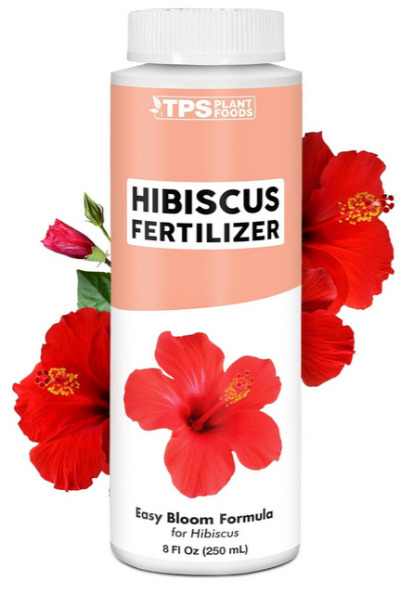
Hibiscus Fertilizer – Liquid Plant Food for More Blooms
Product Overview
This is a liquid concentrate that comes in a neat 8-ounce bottle. You dilute it with water to create a liquid feed. The bottle is small enough to keep on a shelf, and a little goes a long way. The formula is specifically designed for hibiscus and other tropical plants.
The product promises bigger blooms, richer colors, and healthier overall growth. It contains a custom blend of nutrients that includes trace minerals. The concentrated form means you get good value because you make multiple batches from one bottle.
Best Use Cases
This liquid option works best if you have several potted hibiscus plants. The concentrate approach means you can treat multiple plants with one bottle. It’s also ideal if you prefer liquid feeding over granules. If your hibiscus shows signs of nutrient deficiency (yellowing leaves, weak growth), a liquid feed gets to work faster than a dry fertilizer. You can apply it weekly or every two weeks depending on your watering schedule.
Potted hibiscus plants especially love liquid feeding because it’s easy to control portions. You’re not guessing how much fertilizer a pot gets when rain or your watering schedule varies.
Key Features Explained Simply
The concentrate dilution ratio is straightforward. You add the liquid to water, mix well, and pour around the base of your plants. The small bottle size is convenient. No messy bags or scooping required. Everything stays clean and tidy.
Because it’s a liquid, the nutrients hit the soil and roots quickly. Your plants don’t have to wait for dry fertilizer to break down. This means faster results. The formula includes secondary nutrients, which most basic fertilizers skip. Those extras address common deficiency issues in tropical plants.
The bottle includes a cap that helps you measure. No special tools needed. Just fill the cap to the marked line and empty it into your watering can.
Real-Life Usage Insight
In practice, this liquid works as promised. Apply it every week or every two weeks during growing season. Your hibiscus will respond within days if it was nutrient-hungry. New leaf growth looks greener and fuller. Blooms come out bigger and more vibrant in color.
The smell is mild and plant-like. Nothing harsh or chemical smelling. Some liquid fertilizers reek of ammonia or sulfur. This one is pleasant enough. When mixed at the right ratio, you can’t see the fertilizer in the water. It dissolves completely.
Application is simple enough that a beginner won’t mess it up. Fill your watering can, add the concentrate, stir, and water your plants. That’s it. No special timing or elaborate steps required.
Honest Pros and Cons
Pros:
- Quick results because it’s liquid
- Concentrated formula goes a long way
- Small, tidy bottle takes up minimal space
- Easy to dilute and apply
- Works for multiple plants from one purchase
- Includes beneficial trace minerals
- Affordable entry-level option for hibiscus care
Cons:
- Small 8-ounce bottle means frequent reordering if you have many plants
- Mixing ratio must be correct or you’ll over-feed or under-feed
- Liquid fertilizers can encourage algae growth if splashed on soil surfaces
- No built-in slow-release; nutrients leach out fairly quickly after application
- Must remember to feed regularly during season
- Not ideal if you prefer a set-it-and-forget-it granule approach
Performance Discussion
This product performs well for what it is. It’s a basic liquid fertilizer with solid formulation. Expect to see better bloom production and deeper colors when you use it consistently. Growth rates improve noticeably.
However, it’s not the strongest or most specialized formula available. It’s a good middle-of-the-road option. If your hibiscus is severely deficient or very large, you might need something more potent. But for routine feeding of healthy plants, it gets the job done.
Performance also depends on your consistency. Use it regularly and your hibiscus thrives. Skip feedings and you’ll notice flower drop and weaker growth. The nutrients don’t stick around long after application, so it’s really about staying on a schedule.
Ease of Use
Rating this 8 out of 10 for ease. Liquid is simple to mix and apply. The measuring cap helps. The main challenge is remembering to feed on schedule. Some gardeners set a phone reminder to stay consistent.
Storage is easy too. Keep it in a cool, dry place away from direct sunlight. It doesn’t take up much space. Just make sure the cap is tight so it doesn’t dry out or spill.
Value for Money
This is where the 8-ounce liquid really shines. The price is low, and you get a lot of feedings from one bottle. If you dilute correctly, that small bottle creates multiple gallons of plant food. Compared to buying pre-mixed fertilizers, the concentrate saves money significantly.
However, if you only have one hibiscus plant or you prefer granules, this might not be the best use of your money. You’ll have lots left over that may not get used quickly enough before it expires or separates.
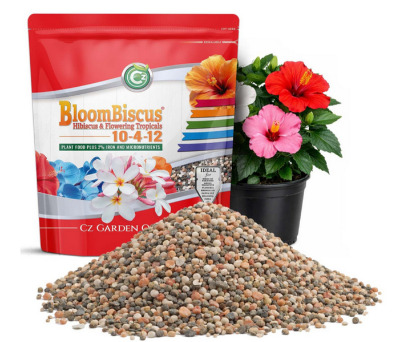
BloomBiscus® Hibiscus 4LB Plant Food – Made in USA – 2% Iron Fertilizer
Product Overview
This is a granular fertilizer made in the USA, specifically engineered for hibiscus and similar tropical flowering plants. It comes in a 4-pound bag, which is a comfortable size for most home gardeners. The formula is a granule you sprinkle on soil and water in. It includes 2% iron, which addresses one of the most common nutrient issues in hibiscus plants.
BloomBiscus is a recognizable brand among hibiscus enthusiasts. They’ve built a reputation for creating formulas that work specifically for these plants. The four-pound bag is their most popular size.
Best Use Cases
This granular formula works perfectly for in-ground hibiscus plants and large potted specimens. The slow-release nature of granules means you feed less often. Instead of weekly liquid applications, you apply once every month or every six weeks.
It’s ideal if you have multiple hibiscus plants scattered around your garden. Sprinkle, water, done. The 4-pound bag is enough for several plants for an entire season. This is your go-to if you want a low-maintenance feeding strategy that still delivers results.
The 2% iron content is especially valuable if you live in an area with alkaline soil or high-pH water. These conditions lock up iron, making plants yellow. BloomBiscus’s extra iron helps prevent this problem before it starts.
Key Features Explained Simply
The granules are brown pellets that break down slowly in the soil. You scatter them around the base of your plant, a few inches away from the stem. Water thoroughly, and the granules dissolve into the soil over time. As your plant grows and gets watered, it gradually takes in nutrients.
The slow-release approach means you don’t have to feed as often. That’s huge if you’re busy or tend to forget. Spread it once, and you get feeding for weeks. The iron fortification is a smart touch. Instead of buying iron supplements later, you have it built in.
The USA-made aspect appeals to people who want to buy locally. Manufacturing in the USA often means better quality control and faster shipping times compared to products made overseas.
The NPK ratio (nitrogen-phosphorus-potassium) is balanced for blooming. Higher phosphorus than nitrogen, which pushes flower production. This is the right approach for hibiscus.
Real-Life Usage Insight
In gardens, BloomBiscus performs reliably. Gardeners love that they can apply it once a month and not think about it again. The granules mix into the soil without fuss. When you water, they absorb and release slowly.
The iron seems to work. Plants that were showing yellowing leaves bounce back within a few weeks. New growth comes in a deeper green. This is especially noticeable in plants that struggled before receiving the product.
The smell is earthy and mild. Nothing unpleasant. It doesn’t burn plants or require special handling precautions like some harsh chemical fertilizers do.
One thing gardeners appreciate: the granules don’t clump or get hard in the bag. They pour out easily even if the bag sits for a while. Storage is simple. Just keep it dry and sealed.
Honest Pros and Cons
Pros:
- Slow-release means less frequent feeding (monthly applications)
- 4-pound bag is generous and covers multiple plants
- Made in USA appeals to local-buying preference
- Includes iron to prevent yellowing
- Granule form is convenient to apply
- Won’t over-feed if you water normally
- Balanced NPK specifically for flowering
- Longer shelf life compared to liquids
Cons:
- Granules don’t work as quickly as liquids (results take 1-2 weeks)
- Less ideal for potted plants in containers that dry out fast
- Harder to adjust portions if you have small plants or new cuttings
- Slightly higher upfront cost than liquid concentrates
- Rain can wash granules away if not watered in properly
- Not suitable for foliar feeding (spraying on leaves)
- May need supplemental iron treatment if soil is extremely alkaline
Performance Discussion
Performance is solid and consistent. You apply once monthly and see steady improvement in blooms and growth. This isn’t a product that shocks with overnight results. Instead, it builds gradually. By week three or four after application, the difference is obvious.
Potted hibiscus does well with BloomBiscus, though you need to be careful about watering. If you water heavily and frequently, nutrients might leach out faster. If you let pots dry between waterings, the slow release works more predictably.
For in-ground plants, this is genuinely excellent. The slow release matches natural soil biology. Plants absorb nutrients at their own pace. No risks of over-feeding or burning tender new growth.
The iron content makes a real difference. Gardeners in areas with alkaline water or soil definitely notice improvement in leaf color. This is preventive as well as corrective. Use it consistently and you likely won’t see iron deficiency develop.
Ease of Use
Rating 9 out of 10 for ease. Pouring granules from a bag and sprinkling them around plants is incredibly simple. Watering in takes seconds. No mixing, no measuring with caps, no dilution math. Just pour and water.
The monthly schedule is easy to remember if you feed on the same day each month. Some gardeners mark their calendar or set a reminder for the first of each month.
Clean-up is minimal. Granules are dry and won’t stain your hands or clothes like wet fertilizer can. If you spill some, sweep it up and it’s gone.
Value for Money
This product offers excellent value. Four pounds covers several plants for a full season. The monthly application schedule means fewer product replacements. Compared to buying weekly liquid feeds, the cost per application is lower.
For gardeners who want to minimize hands-on work and still have thriving plants, the value proposition is strong. You’re paying a bit more upfront, but you’re saving time and effort significantly. If your time is valuable, that’s worth something.
The iron inclusion means you’re not buying a separate supplement later. That’s additional value built in. Overall, mid-range pricing for premium performance.
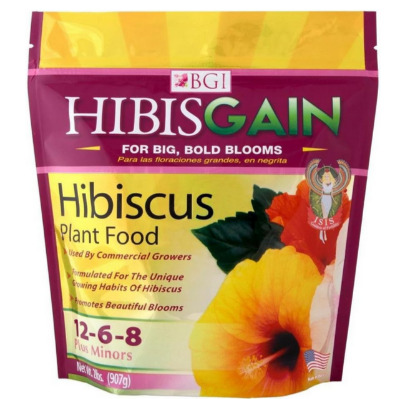
BGI HIBISGAIN 2lb Bag, Hibiscus Fertilizer
Product Overview
This is a specialized granular fertilizer in a 2-pound bag. The name “HIBISGAIN” suggests it’s laser-focused on hibiscus plants. The 2-pound size sits between small decorative plants and full-size garden applications. It’s compact and convenient.
This product targets gardeners who want simplicity in a specialized formula. BGI (Botanical Garden Inc.) has built expertise in tropical plant nutrition. Their HIBISGAIN line reflects that focused approach.
Best Use Cases
The 2-pound bag is perfect if you have one to three hibiscus plants. It’s enough to establish consistent feeding throughout a growing season without ending up with leftover product that goes bad.
HIBISGAIN works excellently for potted hibiscus. The smaller bag size matches the fact that potted plants need less overall fertilizer than large in-ground specimens. If you’re growing hibiscus in containers on a patio or indoors, this is an ideal size.
It’s also great for people trying hibiscus for the first time. Instead of committing to a 4-pound bag when you’re not sure how you’ll like the product or if your plant will thrive, the 2-pound option lets you test drive it. If you love the results, you can buy more.
Beginners often feel more confident with smaller amounts. It’s psychologically easier to apply a small portion of a 2-pound bag than to commit a whole 4-pound bag to your care.
Key Features Explained Simply
The formula is dense with nutrition. HIBISGAIN is formulated with a blend that emphasizes blooms and healthy growth. The granules are smaller than some competing products, which means they break down a bit faster and more evenly distribute through the soil.
The 2-pound bag is easy to store. It fits in a cabinet, on a shelf, or even in a large utility drawer without taking up much space. No awkward bulky bag in your garage.
The product includes micronutrients that prevent common deficiencies. This isn’t just a basic NPK fertilizer. It’s comprehensive, addressing multiple nutrient needs of tropical plants.
The granule technology allows slow release over time. You’re not getting a nutrient dump followed by nothing. Instead, as your soil moisture fluctuates naturally, the plant gets steady nutrition.
Real-Life Usage Insight
Gardeners report that HIBISGAIN delivers visible results within a few weeks. Bloom production increases noticeably. Colors become more saturated and vibrant. Leaf color improves from pale to rich green.
The smaller granule size means it mixes into soil more readily than larger pellets. When you water, it breaks down and distributes through the root zone evenly. No pockets of high or low concentration.
Application frequency is once monthly, similar to other granules. Most gardeners find this schedule easy to maintain. By the second month of use, they notice their plants looking significantly better.
Storage is genuinely easy with this size. It doesn’t get old sitting in a bag for months. You use it actively, keeping it fresh and potent. No expired fertilizer sitting in the shed.
Honest Pros and Cons
Pros:
- 2-pound size is ideal for 1-3 plants
- Smaller granules distribute more evenly
- Micronutrients included for complete feeding
- Easy to store and manage
- Great for beginners or first-time users
- Perfect for container gardening
- Lower initial investment compared to larger bags
- Potent formula requires only monthly applications
Cons:
- 2 pounds runs out faster if you have many plants
- Smaller bag means higher cost per pound
- More frequent purchasing needed for large gardens
- Harder to find than some more mainstream brands
- No built-in iron (though micronutrients are present)
- Granule size differences might affect release rate consistency
- May not be available in all local garden centers
Performance Discussion
HIBISGAIN performs very well for what it’s designed for: medium-sized container gardens and small groups of hibiscus plants. The results are genuine and visible. Plants fed with this product show markedly better blooming and growth.
The micronutrient package is robust, addressing multiple deficiencies at once. This is smarter than a basic fertilizer that covers only the big three nutrients (nitrogen, phosphorus, potassium).
Performance in pots is excellent. Container plants get consistent nutrition without the erratic issues that sometimes occur with larger granules in confined soil volumes.
For in-ground plants, it works fine but isn’t the most economical choice for extensive gardens. You’d burn through 2-pound bags quickly. For modest-sized hibiscus plantings, though, it’s perfect.
Ease of Use
Rating 9.5 out of 10 for ease. The process is simply sprinkle and water. The smaller granules actually make application smoother because they’re easier to distribute evenly around plants.
No math or measuring is needed. The bag includes clear instructions for application amounts based on plant size. Follow them and you’re done.
Cleanup is minimal. The small granules don’t scatter as much as larger pellets. If some do spill, they’re easy to sweep or vacuum up.
Value for Money
For container gardens, the value is excellent. You’re paying per application, and each application is substantial. The 2-pound bag creates a complete season’s feeding for a few potted plants.
For large gardens, the value decreases because you need to buy multiple bags. But if that’s your situation, buy the 4-pound BloomBiscus instead.
The price per pound is higher than larger bags, which is typical. However, you’re not overpaying for convenience and appropriateness for your garden size. It’s fair pricing for what you get.
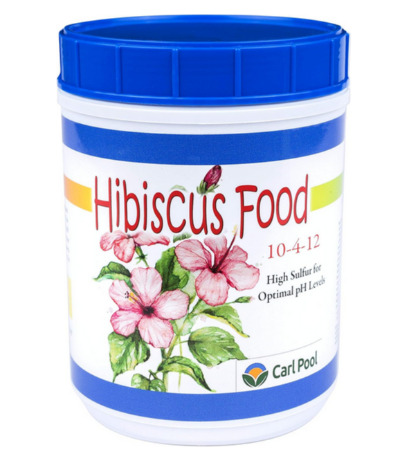
Carl Pool Hibiscus Plant Food 10-4-12 4 Lbs
Product Overview
Carl Pool is a well-known brand in tropical and specialty plant nutrition. This hibiscus formula comes in a 4-pound bag with an NPK ratio of 10-4-12. The numbers tell you the philosophy: higher potassium (the 12) to emphasize blooms and strength, moderate nitrogen (10) for growth, and lower phosphorus (4) compared to some competitors.
The 10-4-12 ratio is specifically engineered for flowering tropical plants. This isn’t a balanced formula. It’s a purpose-built bloom and color enhancer.
Best Use Cases
This granular product suits gardeners with multiple hibiscus plants and a serious commitment to plant care. The 4-pound bag serves an entire hibiscus garden for a season. Apply it to in-ground plants, large container specimens, or mixed tropical plantings.
It’s ideal if you want to emphasize blooms over vegetative growth. The high potassium ratio literally pushes flowers. If your hibiscus has been leafy but flower-shy, this formula can shift the balance.
Carl Pool is excellent for gardeners who already know what they’re doing and want to fine-tune nutrition. The specific NPK ratio appeals to experienced plant people who understand why ratios matter. Beginners might be fine with more balanced formulas.
It works great in mixed tropical gardens where you grow hibiscus alongside other flowering plants. The formula supports blooms across multiple species, not just hibiscus alone.
Key Features Explained Simply
The 10-4-12 ratio is the star feature. This isn’t random. It’s calculated to promote flowering and vibrant colors. Potassium strengthens stems and intensifies flower colors. The lower phosphorus means this formula isn’t trying to force root development or seed production. It’s all about beautiful flowers.
The 4-pound bag is substantial and professional-grade. It’s the size you’d buy for serious gardening, not casual plant keeping.
Carl Pool products have been around for decades. The brand has proven itself in the tropical plant world. Many professional growers and serious hobbyists choose Carl Pool because of this track record.
The granule format is consistent and predictable. They break down reliably over time, providing steady nutrition.
Real-Life Usage Insight
In practice, Carl Pool delivers exactly what the ratio promises. Heavy bloom production. Rich, saturated colors. Strong stems that don’t flop over from flower weight.
Gardeners notice faster results compared to some other formulas. The high potassium seems to kickstart flowering. Within a few weeks of application, bloom count increases visibly.
Leaf color is excellent. The balanced micronutrients support deep green foliage. Even the non-blooming parts of the plant look premium.
The product mixes easily into soil. No clumping or chalky residue. When you water, it integrates smoothly.
Honest Pros and Cons
Pros:
- Specialized 10-4-12 ratio specifically for blooming
- Professional-grade formula used by experienced growers
- 4-pound bag is economical for multiple plants
- Delivers visible results in flower production
- Strong brand history and reputation
- Excellent for emphasizing blooms over foliage
- Granules are consistent and predictable
- Works excellently in mixed tropical gardens
Cons:
- Specific ratio means it’s not ideal for vegetative cuttings
- May need adjusting if plants are leaf-deficient
- Slightly higher price than very basic fertilizers
- Higher potassium can sometimes interfere with calcium uptake if soil is already calcium-rich
- Not as commonly available as mainstream brands in local garden centers
- Requires more knowledge to use optimally
- Novices might not understand why the ratio matters
Performance Discussion
Performance is exceptionally good if your goal is flowers. This product delivers on that promise reliably. Plant a hibiscus, feed it Carl Pool, and you’ll get flower production that impresses. Colors are rich. Blooms are large. Flower drop decreases.
For foliage health, it’s adequate but not the strongest. If your plant is severely nitrogen-deficient (all yellowing), you might need supplemental feeding. But in normal circumstances, the 10% nitrogen is sufficient.
The high potassium truly does strengthen stems and intensify colors. This isn’t marketing hype. The botanical science backs it up. Potassium is directly involved in pigment production and tissue strength.
Long-term use shows consistent results. You don’t get a spike in blooms followed by nothing. Instead, it maintains high bloom production throughout the season with regular applications.
Ease of Use
Rating 8.5 out of 10 for ease. The product is simple to apply: sprinkle and water. The challenge isn’t the application itself but understanding when to use this specific formula versus a more balanced one. If you know you want blooms, it’s straightforward. If you’re uncertain, you might second-guess yourself.
The 4-pound bag is manageable size. Not too big, not too small. Storage is simple if you keep it dry.
The monthly application schedule is easy to maintain. No need for complex timing. Just feed once a month and let it work.
Value for Money
The value is good for serious gardeners. The price is moderate, and the 4-pound bag lasts a full season for most home gardens. Compared to frequent liquid applications, it’s economical.
If you have a smaller garden with just a few potted plants, you might not use the whole 4 pounds before next season. In that case, a smaller bag might be better value for your situation.
For gardeners with multiple hibiscus plants, the value proposition is excellent. You get professional results at reasonable cost.
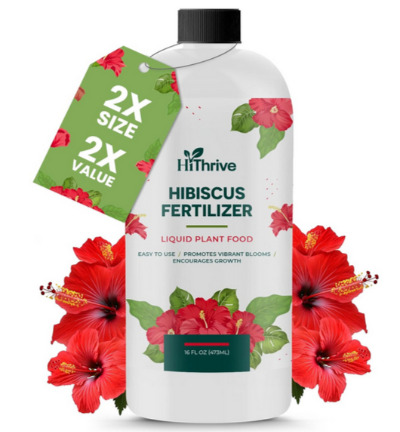
16oz Hibiscus Fertilizer – Makes 16 Gallons of Hibiscus Flowers Plant Food
Product Overview
This is a liquid concentrate in a 16-ounce bottle. The marketing emphasizes that it makes 16 gallons of plant food, which is substantial value. It’s concentrated, so a little stretches far. The formula is tailored for hibiscus and similar flowering plants.
The 16-ounce size is between the small 8-ounce bottle and powders. It’s a middle-ground option for gardeners who want concentrate benefits without committing to large amounts.
Best Use Cases
This product excels if you have multiple hibiscus plants spread across your property. A small bottle makes enormous quantity of plant food. One bottle easily feeds a garden of 5-10 plants throughout a season.
It’s ideal for gardeners who prefer liquid feeding but don’t want to mess with powders or granules. The concentrate approach is familiar to people who already use other liquid plant foods for houseplants or vegetable gardens.
It works well if you switch between different plants. You can apply the same concentrate to hibiscus, but also try it on other tropical plants. The versatility is appealing.
If you travel or have variable watering schedules, this is manageable. You can adjust how often you feed based on your availability. Liquid allows that flexibility in a way granules don’t.
Key Features Explained Simply
The 16-ounce bottle contains concentrated nutrition. When you add it to water, it breaks down completely and distributes evenly. The mixing ratio is simple: you don’t need a chemistry degree to dilute it properly.
The formula includes essential nutrients plus secondary minerals. It’s comprehensive, not basic. Your hibiscus gets everything it needs from one product.
The bottle includes measurement marks or a cap you can use for dosing. No guessing about how much to add. The bottle itself does the measuring for you.
Being liquid, it acts quickly. Nutrients dissolve into soil water and become immediately available to roots. Results appear faster than with granules.
The concentrate form means no waste. You mix as much as you need and keep the rest sealed in the bottle. Nothing expires before you use it (within reason).
Real-Life Usage Insight
In practice, 16 ounces truly does stretch far. You’re diluting considerably, so a small bottle creates multiple large batches. Gardeners appreciate the economy of this approach.
The liquid dissolves completely in water. No residue. The water is clear with nutrients throughout, not cloudy or separated. This means even nutrient distribution when you water.
Application is straightforward. Water your plants with the diluted fertilizer at your normal watering intervals. Some gardeners do every week, others every two weeks. The product works with your schedule.
Results are visible relatively quickly compared to granules. Within a week, you notice greener new growth. Within two weeks, blooming often increases.
Honest Pros and Cons
Pros:
- Highly concentrated; 16oz makes 16 gallons
- Extremely economical cost per application
- Liquid means fast results
- Flexible application schedule based on your routine
- Complete nutrient formula
- Works for multiple plant types
- Easy dilution with no special tools
- Quick action if plants show nutrient deficiency
Cons:
- Requires consistent mixing and remembering to feed weekly
- Liquid doesn’t build residual nutrition like granules
- Nutrient leaching is faster, so feeding schedule can’t be skipped
- Can encourage algae or moss if splashed on soil surfaces
- Liquid can stain hands or clothing if not careful
- Requires more active management than set-it-and-forget-it granules
- Small bottle uses up quickly if you have many large plants
- Shelf life is less than granules (typically 2-3 years)
Performance Discussion
Performance is solid and visible. This concentrate works as advertised. Plants respond quickly to liquid feeding. Blooms increase noticeably within two to three weeks of regular applications.
The nutrient profile is well-balanced. It supports both vegetative growth and blooming. The secondary nutrients prevent deficiencies. Results are consistent if you stay on schedule.
For potted hibiscus, this is excellent. Container plants are more responsive to liquid feeding. They absorb nutrients quickly and show improvement markedly.
For in-ground plants, it works fine but requires more diligence. You need to maintain a consistent feeding schedule. Skip a week and plants might show stress. This isn’t a weakness of the product; it’s just how liquids work compared to slow-release granules.
Ease of Use
Rating 8 out of 10 for ease. Mixing and applying is simple, but it requires remembering to do it regularly. This is the main ease-of-use challenge. You can’t set it and forget it like granules.
If you have a watering routine already, adding fertilizer to your watering can during those sessions is natural. It doesn’t require extra trips or different scheduling.
Storage is very easy. The bottle takes minimal space. Keep it sealed and cool.
Clean-up from liquid is sometimes messier than dry granules. If you spill or splash, you need water to clean it. Granules you just sweep up.
Value for Money
This offers exceptional value. Sixteen ounces making 16 gallons is genuinely economical. You’re paying a moderate price for enormous quantity of plant food.
For gardeners with multiple plants, the cost per application is the lowest among all these options. Over a full season, you spend significantly less compared to other methods.
The trade-off is actively managing the schedule. You’re trading money savings for time investment. If you’re willing to feed regularly, the savings are substantial.
Comparison: Side-by-Side Look at All Five Products
Let’s place these five products next to each other to see how they stack up.
Liquid vs. Granule: The two liquid products (Product 1 and Product 5) work faster but require consistent scheduling. The three granular options (Products 2, 3, and 4) work slower but need less active management.
Price Per Application: Product 5 (the 16oz concentrate making 16 gallons) has the lowest cost per application. Product 1 (8oz bottle) is also economical. The granules cost more per application but might be more convenient for some people.
Ease of Use: Granules are easiest. Just sprinkle and water. Liquids require mixing and diluting. HIBISGAIN (Product 3) is easiest granule because of small 2-pound size.
Garden Size Match: Small gardens (1-3 plants): HIBISGAIN (Product 3) or the 8oz liquid (Product 1) Medium gardens (4-8 plants): BloomBiscus (Product 2) or 16oz liquid (Product 5) Large gardens (8+ plants): Carl Pool (Product 4) or multiple bags of HIBISGAIN
Specialized Features: BloomBiscus has extra iron, best for alkaline soils. Carl Pool has high potassium ratio, best for maximum blooming. The two liquids have balanced profiles suitable for general health.
Best for Potted Hibiscus: HIBISGAIN wins because the 2-pound size matches container plant needs. The 8oz liquid and 16oz liquid are also excellent for containers.
Best for Lazy Gardeners: Carl Pool or BloomBiscus granules. Feed monthly and forget about it.
Best for Active Gardeners: Either liquid product. You can adjust feeding frequency and amount based on plant response.
Buying Guide: How to Choose the Right Hibiscus Fertilizer
Choosing between these five products comes down to a few key questions. Answer them honestly and you’ll find your match.
Question 1: How many hibiscus plants do you have?
One to three plants? Look at HIBISGAIN or the 8oz liquid. Both are appropriately sized.
Four to eight plants? The 4-pound granules (BloomBiscus or Carl Pool) or the 16oz liquid are your best bets.
More than eight plants? Go with the 4-pound granules, possibly buying multiple bags throughout the season.
Question 2: Do you prefer liquid or granule?
Liquid if you like flexibility and quick results. Granule if you prefer simplicity and less frequent feeding.
Question 3: Is your soil acidic, neutral, or alkaline?
Alkaline soil? BloomBiscus with its extra iron is specifically designed for this situation.
Neutral or acidic? Any product works fine, but you have maximum choice.
Question 4: How much attention can you give your plants?
Very attentive and willing to feed weekly? Get the 16oz liquid and save money.
Casual gardener who wants simple maintenance? Choose granules and feed monthly.
Question 5: What’s your budget?
Budget-conscious? The 16oz liquid concentrate has the lowest cost per application.
Moderate budget? BloomBiscus offers excellent value at reasonable price.
Premium budget with multiple plants? Carl Pool is worth the investment for exceptional results.
Who Should Buy These Products?
Hibiscus enthusiasts and collectors: Any of these products work, but Carl Pool appeals to people who know what they’re doing and want specialized formulas.
Tropical gardeners: BloomBiscus or Carl Pool work excellently in mixed tropical gardens alongside bird of paradise, plumeria, and other tropical bloomers.
Container gardeners: HIBISGAIN is perfect for potted hibiscus. The 2-pound size matches container needs.
Busy or forgetful gardeners: Choose a 4-pound granule (BloomBiscus or Carl Pool) and feed monthly. You won’t forget an easy schedule.
Budget-conscious gardeners: The 16oz liquid concentrate makes 16 gallons and costs the least per application.
Alkaline soil gardeners: BloomBiscus with 2% iron solves your specific problem.
Beginners: The 8oz liquid concentrate or HIBISGAIN are less intimidating and smaller commitments than 4-pound bags.
Indoor hibiscus growers: Liquid products are ideal for potted indoor plants. They’re easier to apply without mess.
People with problem soil: Any product will help, but BloomBiscus specifically targets alkaline and iron-deficient soils.
Common Mistakes to Avoid
Mistake 1: Over-feeding hibiscus
Hibiscus doesn’t need enormous quantities of fertilizer. Once monthly for granules or weekly for liquids is sufficient. Over-feeding causes excess vegetative growth, weak stems, and actually reduces flowering. More fertilizer isn’t better.
Mistake 2: Using balanced fertilizers like 10-10-10
Hibiscus needs more phosphorus and potassium than nitrogen. A basic balanced fertilizer won’t deliver the blooming results these specialized products do. You’ll get reasonable plants, not spectacular ones.
Mistake 3: Applying granules without watering in
Granular fertilizers need water to activate and begin breaking down. Sprinkle them on dry soil and they just sit there. Always water thoroughly after applying granules. This is crucial.
Mistake 4: Forgetting consistency
Hibiscus responds to consistent feeding. Fertilizing sporadically shows poor results. Whether you choose granules or liquid, stick to a regular schedule. Mark your calendar if you tend to forget.
Mistake 5: Applying fertilizer during dormancy
In cooler months when hibiscus slows growth or stops blooming entirely, reduce or stop feeding. The plant isn’t actively using nutrients. Feeding during dormancy wastes product and doesn’t help.
Mistake 6: Ignoring soil pH
If your soil is very alkaline and you’re having iron deficiency issues (yellow leaves with green veins), basic fertilizer won’t fix it. BloomBiscus with extra iron addresses this specifically. Other products might not.
Mistake 7: Applying liquid directly to foliage
While foliar feeding is sometimes recommended, for hibiscus it’s not ideal. Apply liquid fertilizer to soil, not leaves. Splashing fertilizer on foliage can burn leaves and enable fungal growth.
Mistake 8: Using products designed for other plants
Tomato fertilizer, general houseplant food, or lawn fertilizer aren’t appropriate for hibiscus. They have different nutrient ratios designed for different plants. Stick with products formulated specifically for hibiscus or tropical flowering plants.
Mistake 9: Not adjusting for pot size
Container hibiscus in small pots needs proportionally less fertilizer than in-ground plants. Don’t dump a full application in a 6-inch pot. Adjust amounts based on pot volume.
Mistake 10: Switching products constantly
Stick with one product through a season before switching. Your plant needs time to respond and show results. Changing products every month gives you chaotic results and no real information about what works.
Final Verdict: The Best Fertilizer for Hibiscus
If I had to crown one winner, my choice depends on your situation. There’s no single best for everyone.
For most people: BloomBiscus Hibiscus 4LB Plant Food wins. It’s the best overall balance. The 4-pound granule size suits most gardens. The formula is strong. The iron content addresses alkaline soil issues. The monthly feeding schedule is easy. The price is fair. Results are genuinely impressive. It’s hard to go wrong here.
For budget-conscious gardeners: The 16oz liquid concentrate that makes 16 gallons has unbeatable economy. If you’re willing to feed weekly, you’ll save significant money over a season.
For container gardeners: HIBISGAIN 2lb Bag is purpose-built for pots. The size is right, the formula works, and it’s easy to apply to multiple pots in one quick session.
For serious bloom chasers: Carl Pool 10-4-12 delivers the most flowers and the most vibrant colors. If blooming is your sole focus, this ratio is unmatched.
For beginners: Start with the 8oz liquid concentrate. It’s small, easy to understand, and won’t create massive commitment. Try it, see how you like it, then decide if you want to scale up.
The reality is that any of these five products will make your hibiscus happier, healthier, and blooming more abundantly compared to no fertilizer. You truly cannot make a bad choice here. Pick the one that fits your situation best and stick with it through a season. You’ll see results.
Taking Care of Your Hibiscus Beyond Fertilizer
Fertilizer is crucial, but it’s not the whole story. Your hibiscus needs other care too.
Light is massive. Hibiscus absolutely demands sun. At least 6 hours of direct sunlight daily, preferably 8 or more. Without enough light, no fertilizer will fix poor blooming.
Water management matters. Hibiscus likes consistent moisture but not soggy soil. Container plants need drainage holes. Overwatering is common and will rot roots faster than any fertilizer can help.
Humidity helps tropical hibiscus thrive. In dry climates, misting foliage or placing pots on pebble trays with water increases humidity naturally.
Pruning is optional but improves shape and blooming. Pinching off growing tips encourages branching and more flowers.
Pest and disease management is necessary. Whiteflies, spider mites, and mealybugs love hibiscus. Regular inspection and early treatment prevent problems.
Temperature matters. Most hibiscus prefer warm conditions. Cold temperatures slow growth and reduce blooming.
Soil quality affects fertilizer effectiveness. Hibiscus likes well-draining soil rich in organic matter. If your soil is poor, amending with compost before applying fertilizer improves results.
Conclusion
Hibiscus plants reward attention with astonishing blooms. The right fertilizer is a key part of that attention. You now understand what each of these five products offers. You know the pros and cons. You understand your own situation and needs.
My final advice: Pick the product that matches your situation best. Read the label instructions carefully and follow them. Be consistent with your feeding schedule. Give your hibiscus sun, water, and basic care. Within weeks you’ll see improvement. Within a season you’ll have a plant that produces flowers in stunning abundance.
The investment in quality fertilizer is small compared to the joy of watching those magnificent hibiscus blooms open day after day. Your garden will be the envy of your neighborhood.
Happy growing.

Hi, I’m Mary, the founder of GardenCure.com. I’m passionate about creating healthy, beautiful gardens and well-kept lawns. I share practical experience and trusted advice on garden and lawn gear that truly works. With the support of my dedicated research team, our writers produce honest, in-depth reviews using reliable, authentic sources—helping you choose the right tools with confidence for your outdoor space.