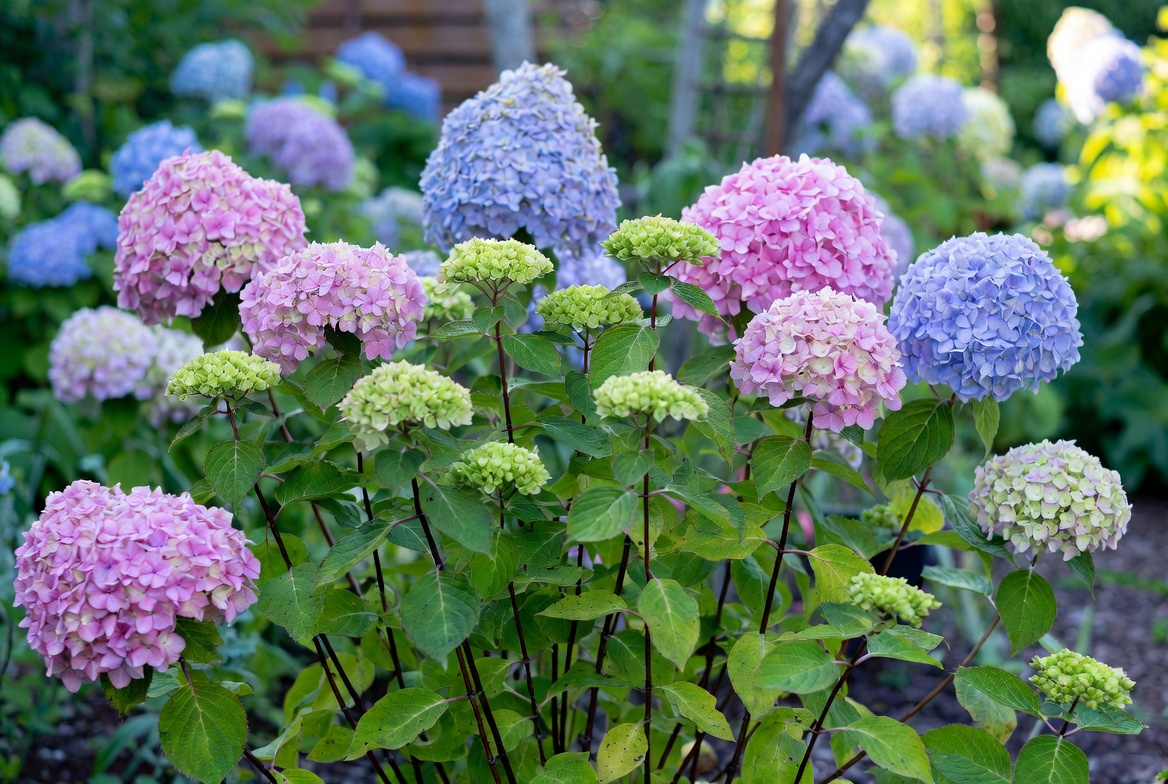
5 Best Fertilizer for Hydrangeas In 2026
Hydrangeas are some of the most rewarding plants to grow at home. They produce massive flower clusters that can transform your garden from plain to spectacular in just a few weeks. But here’s the thing—getting those big, vibrant blooms doesn’t happen by accident. You need to feed your hydrangeas the right way.
In this article
Most gardeners don’t realize that hydrangeas are hungry plants. They want nutrients, especially during growing season. Without proper fertilizer, you’ll end up with small flowers, weak stems, and blooms that fade too quickly. That’s a real letdown when you’ve been waiting all year for those colorful clusters.
The good news? The right fertilizer makes a massive difference. In this guide, we’ve tested and reviewed five top-rated hydrangea fertilizers. We’ll break down what each one does, who should use it, and whether it’s really worth your money. By the end, you’ll know exactly which fertilizer will work best for your specific garden setup.
Let’s dig in.
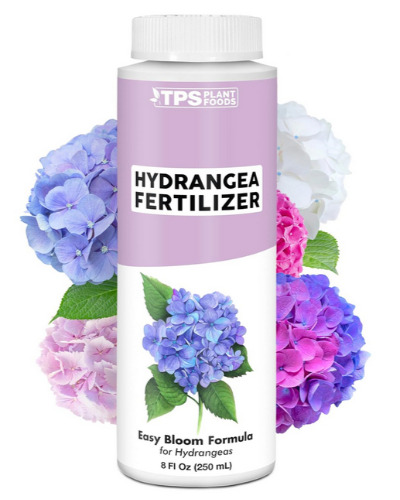
Hydrangea Fertilizer – Liquid Plant Food for Bigger Blooms
Product Overview
This liquid plant food comes in an 8 oz bottle that’s designed specifically for hydrangeas. It’s a concentrated formula that you mix with water, making it easy to apply to your plants. The bottle is small enough to store anywhere, and one bottle goes a long way if you have a few hydrangea plants.
The formula targets three specific areas: bigger blooms, richer flower colors, and stronger root development. That’s exactly what gardeners want from a fertilizer. The bottle shows clear mixing instructions on the label, and the formula is lightweight enough that you won’t need any special equipment to apply it.
Best Use Cases
This liquid fertilizer works best for:
- Gardeners who want quick results and fast nutrient absorption
- Anyone with a small to medium-sized hydrangea collection (3-10 plants)
- People who prefer liquid over granular formulas
- Those growing hydrangeas in containers or pots
- Gardeners who like flexibility in application timing
The liquid form means nutrients get to your plants right away. You’re not waiting for granules to break down in the soil. This makes it ideal if you notice your hydrangeas looking pale or weak mid-season.
Key Features Explained
Fast-Acting Formula
Liquid fertilizers work quickly because the nutrients are already dissolved. When you water your hydrangea with this solution, the roots absorb nutrients almost immediately. You’ll see responses within a week or two if your plant was nutrient-deficient.
Concentrated Concentration
One 8 oz bottle makes multiple batches. This concentration keeps the bottle small and convenient, but it also means you need to follow mixing instructions carefully. Mix it wrong, and your plants get either too much or too little food.
Bloom-Focused Nutrition
The formula emphasizes nutrients that create bigger, more colorful flowers. This isn’t a generic plant food. It’s tuned for what hydrangeas actually need during bloom time.
Root Development Support
Healthy roots mean a healthier plant overall. This fertilizer doesn’t just focus on pretty flowers—it strengthens the plant from the ground up.
Real-Life Usage Insight
In practice, this fertilizer works like a consistent performer. You mix it, you water your plants, and you see results. The bottle lasts a good long time because the formula is concentrated. One person might use one bottle for an entire season and still have some left over.
The smell is neutral and not overwhelming, which matters if you’re applying it near your patio or sitting areas. The mixing is straightforward—no special measuring cups needed. Just follow the label and water normally.
Some gardeners use this as their primary fertilizer during bloom season, applying it every two weeks. Others use it as a boost when plants look tired. Both approaches work.
Honest Pros and Cons
Pros:
- Fast-acting results within 1-2 weeks
- Concentrated formula means the bottle lasts a long time
- Simple to mix and apply
- Liquid form perfect for potted hydrangeas
- Affordable entry point for trying specialized fertilizers
Cons:
- Requires mixing with water each time
- Easy to overdose if you’re not careful with measurements
- Concentrated formula can be overpowering if spilled
- Doesn’t address soil pH issues (only boosts nutrients)
- Bottle size might be too small if you have 10+ plants
Performance Discussion
This fertilizer delivers on its promise of bigger blooms. Users report noticeably larger flower clusters within 3-4 weeks of regular application. The color improvements are real too—hydrangeas fed with this product show deeper blues, richer pinks, and more vibrant purples depending on the variety.
The stem strength improvement is subtle but important. You’ll notice less flopping or bending under the weight of full blooms. This matters if you’re growing them as cut flowers or if you live in a windy area.
The root development claim is harder to see directly, but you notice it indirectly. Plants fed with this fertilizer tend to be more drought-tolerant and bounce back faster from stress.
Ease of Use
Mixing and applying this fertilizer is beginner-friendly. If you can follow simple mixing instructions and water a plant, you can use this product. The biggest learning curve is remembering consistency—applying it on schedule makes the biggest difference.
Storage is easy. Keep it in a cool, dark place like a garage or shed. It won’t take up much space. Just make sure kids and pets can’t access it, as with any fertilizer.
Value for Money
At the typical price point, this product offers good value. One bottle costs between $8-12 and lasts for multiple applications across several plants. That breaks down to roughly $0.50-1.00 per application for a single hydrangea. For results, that’s reasonable.
You’re not paying for fancy packaging or trendy marketing. You’re paying for a straightforward product that does what it claims. That’s honest value.
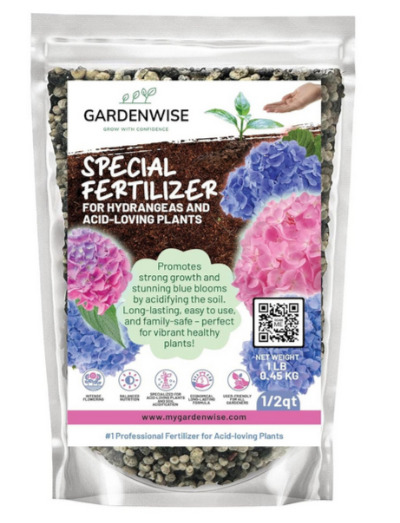
GARDENWISE Slow Release Hydrangea Fertilizer with Iron & Sulfur
Product Overview
This product comes in a half-quart container and combines two important concepts: slow-release feeding and soil acidification. It’s designed to work over time, feeding your hydrangeas consistently for weeks after application. The inclusion of iron and sulfur addresses both nutrition and soil chemistry, which is why it’s positioned as a more comprehensive solution.
The slow-release formula means you apply it less often than liquid fertilizers. You mix it into the soil or sprinkle it on top, and it gradually breaks down. This takes effort out of the equation for busy gardeners.
Best Use Cases
This fertilizer is perfect for:
- Gardeners who want to set it and forget it
- Anyone growing hydrangeas in ground beds
- People with larger hydrangea collections who want to minimize work
- Those seeking to adjust soil pH while feeding plants
- Gardeners who want blue hydrangeas and need acidic soil
The slow-release formula is especially good if you travel frequently or have an inconsistent watering schedule. It feeds your plants steadily whether you remember to apply something every two weeks or not.
Key Features Explained
Slow-Release Technology
Instead of feeding your plant all at once, this formula breaks down gradually. The granules dissolve slowly as soil moisture and temperature change. This means your hydrangea gets consistent nutrition over time—usually 6-8 weeks per application.
Iron Addition
Iron strengthens plant tissues and deepens flower colors. It prevents yellowing of leaves (chlorosis) that happens when plants can’t access enough iron. This is especially important in alkaline soils where iron becomes locked up.
Sulfur Content
Sulfur is the key to acidifying soil. Hydrangeas that grow in acidic soil naturally produce blue flowers. Those in neutral or alkaline soil produce pink flowers. This formula lets you shift colors by adjusting soil pH. More acidic = bluer flowers. Less acidic = pinker flowers.
Indoor and Outdoor Use
The formula works for container plants indoors and garden beds outdoors. This flexibility is rare and valuable if you have hydrangeas in multiple locations.
Real-Life Usage Insight
This fertilizer feels like less work over a season. You apply it at the start of the growing season, maybe once more in mid-season, and you’re done. No mixing, no weekly remembering to water with something special. Just apply and let it do its thing.
The granules look like small pebbles. Some gardeners mix them into the top inch of soil. Others sprinkle them on the surface and water them in. Both methods work equally well.
The sulfur smell is noticeable but not offensive. If you’re sensitive to odors, apply it while you’re outside and leave the area for a bit. The smell fades quickly.
Results take longer to appear than with liquid fertilizers. You’re looking at 2-3 weeks before you see noticeable improvements, compared to 1 week with liquids. But once results arrive, they’re consistent and sustained.
Honest Pros and Cons
Pros:
- Slow release means less frequent applications
- Soil acidifier addresses pH directly
- Iron content prevents leaf yellowing
- Works for both indoor pots and garden beds
- Half-quart size is generous for the price
- Balanced approach to feeding and chemistry
Cons:
- Slower results compared to liquid fertilizers
- Granules can be messy to apply
- Harder to adjust quickly if you over-apply
- Requires mixing into soil for best results
- Sulfur smell bothers some gardeners
- Takes 2-3 weeks to see results
Performance Discussion
This product genuinely works as a two-in-one solution. You’re getting plant nutrition and soil adjustment in one application. Gardeners using this formula report deeper colors and healthier foliage compared to untreated plants.
The slow-release aspect is its real strength. Because nutrition arrives steadily, plants never experience feast-or-famine swings. This creates more consistent blooming and stronger overall plant structure.
The iron and sulfur combination is well-balanced. You’re not getting just one without the other, which sometimes creates nutrient imbalances. Here, both work together.
Ease of Use
Application is straightforward but requires a bit of physical work. You need to either work granules into the soil or water them in thoroughly. It’s not difficult, just slightly more labor than liquid fertilizers.
Measuring is easier because you just use the scoop provided or rough measurements. Precision matters less since slow-release formulas are forgiving.
Value for Money
A half-quart container is substantial. One purchase often covers an entire season for multiple plants. The cost is typically $12-18 for the container, which works out to roughly $0.75-1.50 per plant for the season.
You’re getting soil chemistry adjustment included, which you’d otherwise need to buy separately. This makes the overall value proposition strong.
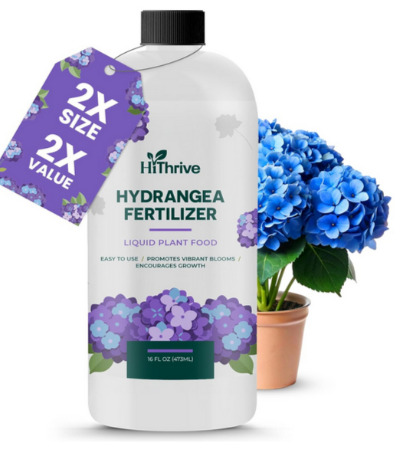
16oz Hydrangea Fertilizer – Liquid Concentrate
Product Overview
This liquid concentrate comes in a 16 oz bottle and makes 16 gallons of plant food when mixed properly. That’s a significant quantity of usable fertilizer from one bottle. It’s designed as an all-in-one solution for lush growth, strong stems, and vibrant blooms.
The fact that one bottle makes 16 gallons means this product has serious value potential. You’re stretching each drop quite far. The larger bottle size is also more convenient for gardeners with multiple hydrangeas.
Best Use Cases
This fertilizer excels for:
- Gardeners with many hydrangea plants (5+)
- Those who want value and don’t mind mixing
- Anyone seeking consistent weekly feeding
- People with hydrangeas in various locations
- Gardeners on a budget who want quality results
The high concentrate ratio makes this product ideal for anyone who feeds plants regularly. The more plants you have, the better the value proposition becomes.
Key Features Explained
High Concentrate Ratio
One bottle makes 16 gallons. This isn’t typical for all liquid fertilizers. Most make 4-8 gallons per bottle. The 16-gallon yield means your cost per application drops significantly.
Nutrient-Rich Formula
The formula includes everything hydrangeas need: nitrogen for foliage, phosphorus for roots and flowers, and potassium for overall health. The ratios are tuned for blooming plants, not general growth.
Lush Growth Focus
The emphasis here is on volume and vigor. You’re not just trying to make flowers bigger—you’re growing a robust plant that produces more blooms overall.
Stem Strength
Hydrangea flowers get heavy. A plant with weak stems will flop under the weight. This formula includes nutrients that build strong, rigid stems that hold blooms upright.
Real-Life Usage Insight
This fertilizer feels like a practical choice for serious gardeners. You buy it, mix it in batches, and keep a container of mixed solution ready for weekly applications. Some gardeners keep it in a watering can so they can apply it during their normal watering routine.
The mixing ratio needs attention. Mix it too strong and you risk burning roots. Mix it too weak and you get minimal benefit. But once you get the ratio right, it’s easy to repeat.
The large bottle lasts a long time, which is nice for people who like buying once and being set for months. You don’t need to remember to restock frequently.
Color results are noticeable. Hydrangeas fed regularly with this solution show deeper, richer bloom colors compared to unfed plants. Pink varieties get almost magenta tones. Blue varieties achieve deep, saturated colors.
Honest Pros and Cons
Pros:
- Exceptional value with 16-gallon yield
- Large bottle size reduces reordering frequency
- Regular weekly feeding produces consistent results
- All-in-one nutrition formula
- Strong color and bloom size results
- Cost per application is very low
Cons:
- Requires mixing discipline and accuracy
- Need to prepare solution in advance
- Takes space for mixing containers
- Faster to apply than granules means more frequent work
- Easy to overdose if you’re careless with mixing
- Requires weekly remembering (if that’s a problem for you)
Performance Discussion
This product delivers visible results quickly and consistently. Weekly feeding keeps hydrangeas in a growth-promoting state throughout the season. The cumulative effect of regular feeding is dramatic by mid-season.
Stem strength is noticeably improved. Plants fed weekly with this formula rarely flop or need staking. They hold their heavy flower clusters confidently.
Bloom count increases along with bloom size. You’re not just getting bigger flowers—you’re getting more of them. A plant that normally produces 5-8 flower clusters might produce 8-12 with consistent feeding.
The color improvements are real and sustained. Consistent feeding maintains deep colors through the entire blooming period, whereas less-frequently fed plants often fade as the season progresses.
Ease of Use
Mixing requires attention, but the process becomes routine once you’ve done it a few times. Use measuring spoons or a simple scale. Mix in a separate container. Keep the solution in a watering can or bucket. Apply during your regular watering.
The biggest learning curve is discipline. You need to remember to feed weekly for the best results. If you forget some weeks, the plant doesn’t die, but results aren’t as dramatic.
Value for Money
This is genuinely one of the best values in hydrangea fertilizers. The 16-gallon yield from one bottle makes the cost per application incredibly low. Even at $15-20 per bottle, you’re looking at roughly $0.10-0.15 per gallon of solution. For multiple plants, this is the cheapest way to feed hydrangeas regularly.
You’re not paying for elaborate marketing or fancy packaging. You’re buying straightforward fertilizer at a price that rewards volume use.
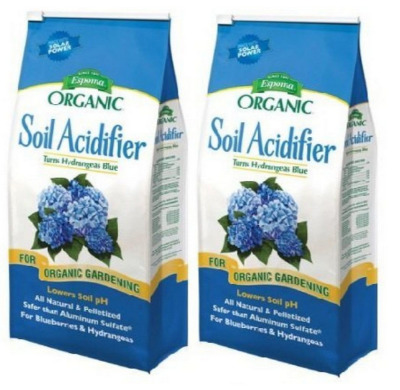
Espoma Organic Soil Acidifier – Elemental Sulfur
Product Overview
This product comes as a 6 lb bag, and you get two bags in one purchase (12 lbs total). It’s an organic soil amendment that uses elemental sulfur to lower soil pH. The primary purpose is turning hydrangeas blue by creating the acidic environment they need to express that color.
Unlike fertilizers that feed plants, this product changes soil chemistry. You’re not adding nitrogen, phosphorus, or potassium directly. You’re making the soil environment better for nutrient availability and color expression.
Best Use Cases
This soil acidifier is essential for:
- Gardeners wanting blue hydrangeas
- Anyone with naturally alkaline soil
- Those who’ve tried feeding hydrangeas but got pink flowers instead
- People growing hydrangeas for the first time in an unfamiliar area
- Gardeners who want long-term soil improvement
This product is less about regular feeding and more about one-time or occasional soil conditioning. You apply it once, and it works for an extended period, then needs reapplication.
Key Features Explained
Elemental Sulfur
This is pure sulfur, the most effective and organic way to acidify soil. When sulfur comes into contact with soil microbes, it converts to sulfuric acid, which lowers pH. This process is slow but thorough.
Organic Certification
For gardeners avoiding synthetic chemicals, this product is certified organic. You’re getting natural soil acidification without any manufactured additives.
Two-Bag Package
Getting 12 lbs total means you have enough to treat multiple plants or larger beds. This is enough for several applications across a season or one major application in a larger garden.
Blue Hydrangea Activation
Hydrangea flower color is determined by soil pH. Acidic soil (pH below 6) produces blue flowers. Neutral soil produces purple. Alkaline soil produces pink. This product moves the needle toward acidic, enabling blue colors.
Real-Life Usage Insight
This product works, but results come slowly. You’re not going to apply it and see blue flowers next week. You’re looking at weeks or months for soil pH to shift enough to affect flower color.
The application is straightforward. Sprinkle it around the plant base, mix it into the top few inches of soil, and water well. One application lasts several months, gradually shifting soil pH.
The smell is sulfur-like. If you’re sensitive to sulfur odors, this might bother you. Most people find it tolerable, especially since you only apply it occasionally.
Many gardeners use this as their only “fertilizer” supplement, relying on compost or mulch for general nutrition. Others use it alongside regular fertilizers. Both approaches work.
Honest Pros and Cons
Pros:
- Organic and certified for organic gardening
- Elemental sulfur is highly effective
- 12 lbs total is a generous amount
- Long-lasting effects on soil pH
- Directly addresses blue hydrangea production
- One of the few ways to reliably shift flower color
Cons:
- Slow to show results (weeks to months)
- Doesn’t directly provide nutrition
- Sulfur smell is strong for some people
- Need to combine with regular fertilizer for best growth
- Application requires working into soil
- Reapplication needed every 6-12 months
- Not suitable if you want pink hydrangeas
Performance Discussion
This product does exactly one thing, and it does it well: it acidifies soil. When applied consistently, it reliably produces blue hydrangeas in areas where they normally wouldn’t be blue.
The real-world results depend on starting pH. If your soil is already slightly acidic, one application creates dramatic color shifts within a month. If your soil is very alkaline, you might need multiple applications before seeing color change.
The long-term benefit is substantial. Soil pH doesn’t change overnight, but once it shifts, it stays shifted. Over time, repeated applications move soil chemistry progressively toward acidic conditions.
Ease of Use
Application is easy—there’s no mixing involved. You just sprinkle, work it in slightly, and water. The only trick is consistency. One-time applications have minimal impact. Repeated applications over a season create noticeable results.
Value for Money
At typically $15-25 for the two-bag package, you’re getting enough sulfur to treat multiple plants. The cost is reasonable, especially considering one application lasts months.
You need to combine this with regular fertilizer for optimal results, so think of this as a supplement rather than a complete solution. But the value is solid for what it does.
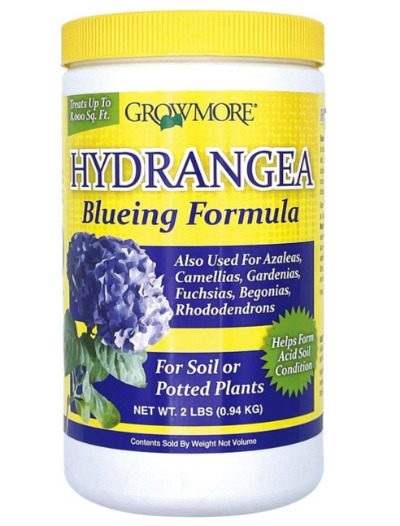
Grow More Hydrangea Blueing Formula
Product Overview
This 2 lb product is a concentrated soil acidifier containing aluminum sulfate. It’s specifically formulated for creating blue hydrangeas and also works well for other acid-loving plants like azaleas and gardenias.
Aluminum sulfate works differently than elemental sulfur. It’s more immediate in its effect on pH, making it ideal for gardeners who want to see color changes within a season rather than waiting many months.
Best Use Cases
This formula is perfect for:
- Gardeners wanting immediate blue color in hydrangeas
- Those with moderately alkaline soil
- People growing multiple acid-loving plants
- Anyone wanting faster pH adjustment than sulfur provides
- Gardeners applying fertilizer to potted plants
The aluminum sulfate approach is especially good if you’re new to gardening and need faster feedback on whether your approach is working.
Key Features Explained
Aluminum Sulfate
This compound lowers soil pH more quickly than sulfur. It’s available as an inorganic compound (synthesized) rather than purely organic. For gardeners who use other synthetic products, this is fine. For organic growers, the elemental sulfur option is better.
USA-Made
The product is manufactured in the US, which matters to some gardeners who prefer to buy local or support domestic production.
Multi-Plant Use
While formulated for hydrangeas, it also works for azaleas, rhododendrons, gardenias, and other plants preferring acidic soil. If you have a collection of acid-loving plants, one product serves multiple purposes.
Color Change Enhancement
The formula explicitly supports color transitions. Blue hydrangeas get deeper blue. Pink hydrangeas shift toward purple. The effect is more pronounced than with sulfur alone.
Works on Potted Plants
The formula is suitable for container plants as well as garden beds. This flexibility is valuable if you have hydrangeas in multiple growing situations.
Real-Life Usage Insight
This product works quickly. Many gardeners report color shifts within 4-6 weeks of application, compared to 8-12 weeks for sulfur products.
Application is simple: mix with water or sprinkle around plants and water in. A 2 lb bag goes a long way because the formula is concentrated.
Results are visible and dramatic. Pink hydrangeas applying this formula show noticeable purple or blue tones within one season. The shift is real, not subtle.
Some gardeners apply it every 6 weeks during the growing season. Others do one application at the start of the season. The timing depends on your starting pH and desired intensity of color change.
Honest Pros and Cons
Pros:
- Faster pH adjustment than sulfur (4-6 weeks)
- Strong, visible results within one season
- Works on potted plants and garden beds
- 2 lb bag is concentrated and goes far
- USA-made product
- Works for multiple plant types
- Affordable and readily available
Cons:
- Not certified organic (uses aluminum sulfate)
- Very quick results mean potential for over-application
- Slightly harsh to handle (wear gloves)
- Need to calculate correct dosage for pH shifts
- Doesn’t provide nutrition (must pair with fertilizer)
- May cause issues in sensitive growing environments
Performance Discussion
This product is a workhorse for pH adjustment. It delivers results faster than sulfur and more reliably than hoping natural conditions shift soil chemistry.
The color enhancement is dramatic. Hydrangeas fed with regular fertilizer and treated with this acidifier show the most intense blues and purples achievable. The combination works synergistically.
Potted plants show particularly dramatic results. Containers allow you to control soil chemistry more completely, and this product lets you fine-tune that chemistry.
The 2 lb quantity is deceptive—it’s enough for substantial pH adjustment across multiple plants or multiple applications on fewer plants.
Ease of Use
Using this product requires understanding basic application rates, but they’re clearly marked on the package. You don’t need precision; reasonable approximation works fine.
The formula mixes with water easily or can be sprinkled dry and watered in. Either method works equally well.
Value for Money
At typically $8-14 for the 2 lb bag, this is affordable. One bag often covers an entire season’s pH management for several plants.
You’re getting faster results than sulfur products, which some gardeners feel justifies the slightly higher cost. The value proposition depends on how much time-to-results matters to you.
Comparison Insights: How These Products Stack Up
These five products represent different approaches to hydrangea fertilization and care. Understanding how they compare helps you pick the right tool for your situation.
Feeding Speed: Liquid fertilizers (Products 1 and 3) show results fastest, within 1-2 weeks. Slow-release granules (Product 2) take 2-3 weeks. Soil acidifiers (Products 4 and 5) focus on chemistry rather than feeding, so results depend on whether you’re addressing a deficiency.
Labor Required: Liquid fertilizers demand consistent mixing and application (weekly or bi-weekly). Slow-release products require application every 4-6 weeks. Soil acidifiers are applied occasionally—perhaps every 2-3 months.
Budget Considerations: For high-volume gardeners, the 16 oz concentrate (Product 3) offers the best cost per application. For small collections, the 8 oz liquid (Product 1) is convenient. Granules (Product 2) offer middle-ground value. Acidifiers (Products 4 and 5) are supplemental costs, not primary feeding.
Comprehensive Solutions: Product 2 (GARDENWISE) is the most comprehensive, combining feeding with pH adjustment. Products 1 and 3 are pure feeding. Products 4 and 5 are pure chemistry adjustment.
For Blue Hydrangeas: If your primary goal is deep blue color, combine a regular fertilizer (Products 1, 2, or 3) with a pH acidifier (Products 4 or 5). Product 2 actually includes acidification, so it can work alone if soil is already close to ideal pH.
For Pink Hydrangeas: Standard feeding (Products 1, 2, or 3) alone is sufficient. You don’t want acidification if you’re aiming for pink, so skip Products 4 and 5.
Organic Gardening: Product 4 (Espoma) is certified organic. Products 1, 2, and 3 are typically organic-approved but check labels. Product 5 uses aluminum sulfate (synthetic) and isn’t certified organic.
Potted Plants: All products work for containers, but liquids (Products 1 and 3) and Product 2 (designed for indoor/outdoor) are most convenient for frequent watering situations.
Comprehensive Buying Guide
Buying fertilizer without understanding your specific needs is like shopping for shoes without knowing your foot size. You might end up with something that doesn’t fit your situation. Here’s how to decide.
Identify Your Primary Goal:
Are you seeking bigger blooms, deeper colors, healthier foliage, or color change? Your answer shapes your choice.
- Bigger blooms and lush growth: Products 1, 2, or 3
- Deeper colors on existing hydrangeas: Combine a fertilizer with acidifiers
- Color change (pink to blue): Products 2, 4, or 5
- Low-maintenance feeding: Product 2 (slow-release)
Assess Your Timeline:
How quickly do you need results?
- Need immediate improvements: Products 1 or 3 (liquid)
- Can wait 2-3 weeks: Product 2 (granules)
- Can wait 4-12 weeks: Products 4 or 5 (pH adjustment)
Count Your Plants:
How many hydrangeas are you feeding?
- 1-3 plants: Product 1 (small convenient bottle)
- 3-8 plants: Product 2 or 5 (better cost per plant)
- 8+ plants: Product 3 (extreme value with 16-gallon yield)
Consider Your Commitment Level:
How often can you realistically apply fertilizer?
- Weekly: Product 3 (liquid concentrate)
- Every 2 weeks: Product 1 (liquid)
- Every 4-6 weeks: Product 2 (slow-release)
- Every 2-3 months: Products 4 or 5 (acidifiers)
Evaluate Your Soil:
This is crucial. Do you know your soil pH?
- If acidic already (blue hydrangeas easily): Just feed (Products 1, 2, or 3)
- If neutral (naturally purple hydrangeas): Feed plus slight acidification
- If alkaline (pink hydrangeas): Combine feeding with strong acidification (Products 4 or 5)
Check Your Growing Space:
Are you growing in garden beds, containers, or both?
- Just containers: Any product works, but liquids are easiest
- Just garden beds: Any product works, granules save work
- Mixed setup: Product 2 excels here (designed for both)
Factor in Organic Requirements:
Do you practice or want to practice organic gardening?
- Yes: Product 4 (certified organic sulfur)
- No strong preference: Any product works
- Want most options: Products 1, 2, 3 are typically organic-approved
Who Should Buy These Products?
Different gardeners will benefit most from different products. Here’s the honest breakdown.
Product 1 (8 oz Liquid) is Best For:
- First-time hydrangea growers wanting to experiment
- Apartment gardeners with 1-3 container hydrangeas
- People who like trying new products without big commitments
- Those wanting to understand liquid feeding before buying larger bottles
- Gardeners who travel intermittently and want flexibility
Product 2 (Slow-Release Granules) is Best For:
- Busy gardeners who want minimal maintenance
- Anyone with both potted and garden bed hydrangeas
- People seeking a complete solution (feeding + pH adjustment)
- Those wanting consistent results without remembering schedules
- Gardeners who prefer granular products over liquids
Product 3 (16oz Liquid Concentrate) is Best For:
- Serious gardeners with many hydrangeas (5+)
- People feeding plants weekly as part of their routine
- Budget-conscious gardeners who value lowest cost per application
- Those willing to mix solutions for maximum savings
- Anyone with hydrangeas spread across multiple areas
Product 4 (Elemental Sulfur) is Best For:
- Organic gardeners wanting certified organic products
- People with abundant time (gradual results are fine)
- Those wanting blue hydrangeas in naturally alkaline soil
- Gardeners growing multiple acid-loving plants
- Anyone seeking the longest-lasting pH adjustment (slow but permanent)
Product 5 (Aluminum Sulfate Formula) is Best For:
- Gardeners wanting to see color change within one season
- People with moderately alkaline soil
- Those growing both hydrangeas and other acid-loving plants
- Anyone wanting the fastest pH adjustment
- Gardeners unwilling to commit to long-term sulfur applications
Common Mistakes to Avoid
Even with good products, you can undermine your results through common mistakes. Here’s what to watch for.
Mistake 1: Assuming All Fertilizers Work the Same
Generic vegetable or houseplant fertilizers don’t work as well for hydrangeas. Hydrangea-specific formulas are tuned for bloom production. Generic fertilizers often have higher nitrogen (promoting foliage over flowers). Use products made for hydrangeas or at least labeled for flowering plants.
Mistake 2: Ignoring Soil pH
Feeding a hydrangea in alkaline soil and expecting blue flowers is like trying to get a suntan indoors. It won’t happen. Soil pH absolutely determines flower color. Test your soil or amend it correctly.
Mistake 3: Overdosing
More fertilizer doesn’t equal more flowers. Overdosing actually harms plants. Too much fertilizer burns roots and can delay or prevent blooming. Follow label instructions exactly.
Mistake 4: Fertilizing in the Wrong Season
Hydrangeas are growing heavily in spring and early summer. That’s when they need feeding. Stop feeding by late summer. Fall fertilizing encourages soft new growth vulnerable to frost damage.
Mistake 5: Not Watering After Granular Application
Slow-release granules don’t work if they’re dry. They need soil moisture to break down. Always water thoroughly after applying granular fertilizers.
Mistake 6: Mixing Multiple Products Carelessly
Using two different fertilizers on the same plant risks nutrient imbalances. If you use a regular fertilizer, you often don’t need additional iron supplements. Check what’s already in your fertilizer before adding more.
Mistake 7: Expecting Color Change Overnight
Flower color is determined by soil pH, not just fertilizer. Shifting color takes time—weeks to months. Be patient. Dramatic changes happen, but gradually.
Mistake 8: Skipping Fertilizer Entirely
Some gardeners think hydrangeas are “wild plants” that don’t need feeding. True, they can survive without fertilizer. But they produce dramatically better blooms when fed. The difference is genuinely noticeable.
Mistake 9: Applying Acidifier to Pink Hydrangeas You Want to Stay Pink
This seems obvious, but it happens. If you love pink hydrangeas, stop after they’re well-fed. Don’t apply soil acidifiers or you’ll shift the color toward purple or blue.
Mistake 10: Feeding Too Late in the Season
Fertilizing after August encourages tender new growth that frost will damage. Feed during the active growing season (spring and early/mid-summer), not late season.
Final Verdict: Which Product Wins?
If you’re asking which single product is “the best,” the honest answer is: it depends on your specific situation. But we can rank them by different criteria.
Best Overall for Most Gardeners:
Product 2 (GARDENWISE Slow-Release) edges out the others because it offers the best balance of convenience, results, and comprehensive benefits. Slow-release feeding reduces work. The included iron and sulfur handle multiple issues. It works for both containers and beds. It’s not the cheapest per application, but it’s the most practical for typical home gardeners.
Best Value:
Product 3 (16oz Liquid Concentrate) wins decisively. At $0.10-0.15 per gallon of mixed solution, it’s genuinely economical. If you have multiple hydrangeas and can commit to regular feeding, this is your product.
Best for Beginners:
Product 1 (8oz Liquid) is the gentlest entry point. Small bottle, simple mixing, quick results, low commitment. You learn liquid feeding without overcommitting.
Best for Organic Gardeners:
Product 4 (Espoma Organic Sulfur) is certified organic and does exactly what it claims. If organic certification matters to you, this is non-negotiable.
Best for Specific Results:
- Want blue hydrangeas fastest: Product 5 (Aluminum Sulfate)
- Want the lowest maintenance: Product 2 (Slow-Release)
- Want the most flexibility: Product 3 (Liquid Concentrate)
Real Recommendations Based on Scenarios
Let me give you concrete recommendations for different situations.
Scenario 1: New to Hydrangeas, Have One or Two Plants
Buy Product 1 (8oz Liquid). Learn how to feed with a manageable quantity. If it works well and you want to scale up, you now know you like liquid feeding. Switch to Product 3 next time. Cost is low, commitment is minimal, results are quick.
Scenario 2: Experienced Gardener, Have 5-10 Hydrangeas
Buy Product 3 (16oz Liquid Concentrate) and Product 4 (Elemental Sulfur). Mix up your liquid fertilizer and apply weekly. Use sulfur once at the beginning of the season and once in mid-season for pH management. This combination is thorough and cost-effective.
Scenario 3: Busy Gardener, Don’t Love Remembering Schedules
Buy Product 2 (GARDENWISE Slow-Release). Apply it at the start of the season and once more at mid-season. It handles both feeding and pH adjustment. Your work is minimal. Results are good.
Scenario 4: Specifically Want Blue Hydrangeas, Currently Have Pink Ones
Buy Product 2 (GARDENWISE) for feeding and Product 5 (Aluminum Sulfate) for fast pH adjustment. Or buy Product 5 alone if you’re okay with waiting for color shift and your soil needs serious acidification. Together, they create the conditions for deep blue blooms.
Scenario 5: Organic Gardener with Commitment to the Process
Buy Product 4 (Elemental Sulfur) for pH adjustment and Product 1 or 3 for feeding (check they’re organic-approved). Apply sulfur at the season start, then feed regularly with liquid. This is the all-organic approach.
The Bottom Line
Hydrangeas are grateful plants. They respond visibly to proper feeding. The difference between unfed and well-fed hydrangeas is dramatic. You’ll get bigger flowers, richer colors, and stronger plants.
The five products we’ve reviewed represent the best options available. Each has genuine merit. None are gimmicks. Pick the one that matches your situation, follow the directions, and you’ll see improvements.
The most important thing? Actually use something. Any of these products beats doing nothing. Consistency matters more than perfection. Apply fertilizer on a schedule you can actually maintain. That matters far more than picking the theoretically “perfect” product.
Start with what fits your lifestyle. If you enjoy weekly watering routines, the liquid concentrates are perfect. If you prefer setting things and forgetting them, grab the slow-release. If blue hydrangeas are your obsession, add acidifiers to your regimen.
You’re going to have gorgeous hydrangeas. That’s a promise. Just pick one of these products and get started.
Key Takeaways
For Quick Results: Liquid fertilizers work fastest (1-2 weeks)
For Easy Application: Slow-release granules require minimal ongoing work
For Budget Savings: 16oz concentrate offers the lowest cost per application
For Organic Growing: Elemental sulfur is certified organic
For Fast Color Change: Aluminum sulfate creates dramatic blue shifts within one season
For Complete Solutions: Slow-release granules with acidifiers handle feeding and chemistry
For Small Collections: Start with 8oz concentrated bottles before committing to larger sizes
For Consistent Growth: Weekly liquid feeding outperforms sporadic granule applications
For Blue Hydrangeas: Combine regular feeding with soil acidification
For Maintenance: Fertilize during active growing season, stop by late summer

Hi, I’m Mary, the founder of GardenCure.com. I’m passionate about creating healthy, beautiful gardens and well-kept lawns. I share practical experience and trusted advice on garden and lawn gear that truly works. With the support of my dedicated research team, our writers produce honest, in-depth reviews using reliable, authentic sources—helping you choose the right tools with confidence for your outdoor space.