5 Best Fence for a Garden In 2026
Your garden deserves protection from unwanted visitors while maintaining its beautiful appearance. Finding the right garden fence can feel overwhelming with so many options available on the market. This comprehensive guide walks you through the top-rated garden fencing solutions that combine functionality, durability, and aesthetic appeal.
In this article
A quality garden fence serves multiple purposes beyond just marking boundaries. It keeps pets contained, prevents animals from damaging your plants, and adds visual interest to your outdoor space. The right fence transforms your garden into a protected sanctuary where flowers bloom undisturbed and vegetables grow without interference from rabbits or other critters.
Why Your Garden Needs Proper Fencing
Garden fencing has become essential for homeowners who take pride in their outdoor spaces. Animals like rabbits, dogs, and deer can destroy months of hard work in a single night. A well-installed fence creates a barrier that protects your investment while complementing your landscape design.
The best garden fences require minimal installation effort and stand up to weather conditions throughout all seasons. Metal options resist rust, while their designs allow air circulation and don’t block sunlight from reaching your plants. These barriers work as decorative elements that enhance curb appeal rather than detract from it.
Installing a garden fence also defines different areas of your yard. You can section off flower beds, vegetable patches, or create pathways that guide visitors through your outdoor space. This organization makes maintenance easier and gives your property a polished, intentional look.
Top 5 Garden Fences Reviewed
1. Decorative Garden Fence 17in x 10ft – Best Overall Value
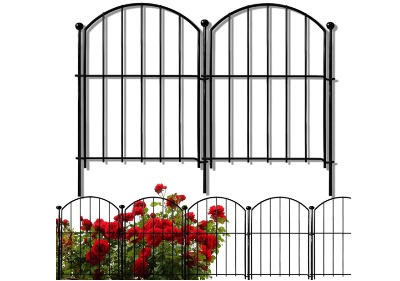
This rustproof metal fence brings together durability and elegant design in one package. The arched panels create a classic look that suits both traditional and contemporary gardens.
Product Description:
The 10-pack fence panels extend a total of 10 feet in length with each panel standing 17 inches tall. Made from coated metal that resists rust and corrosion, this fence installs without digging. The pointed stakes at the bottom push directly into soil, making setup fast and simple. The arched design features intricate wire patterns that add decorative flair to any garden border.
Each panel connects securely to the next, creating a continuous barrier around flower beds or garden perimeters. The black finish complements greenery and flowers without overwhelming the natural beauty of your plants. This fence works equally well for decorative purposes or as a functional barrier to keep small animals out.
Key Features:
- 10 panels included for extended coverage
- 17 inches height suitable for border definition
- Rustproof coating for long-lasting protection
- No-dig installation saves time and effort
- Arched ornamental design enhances aesthetics
- Pointed stakes provide stable ground anchoring
- Black finish blends with various garden styles
Pros:
- Quick installation without tools or digging required
- Durable metal construction withstands outdoor elements
- Attractive arch design works as garden decoration
- Easy to reposition or expand as needed
- Lightweight yet sturdy enough to maintain shape
- Cost-effective solution for garden edging
- Rust-resistant coating ensures longevity
Cons:
- Height may not deter larger dogs or deer
- Stakes can be difficult to push into hard or rocky soil
- May require additional panels for large areas
- Not suitable for containing energetic medium-sized dogs
Best For:
This fence works best for gardeners who need an affordable, attractive solution for defining flower beds and keeping small animals away from plants. It’s perfect for decorative edging along pathways or around specific garden sections.
2. AVELOTUUG 42.5ft x 13in Animal Barrier Fence – Best for Ground Coverage
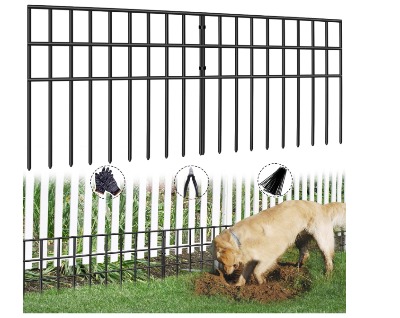
The AVELOTUUG fence system provides extensive coverage for larger garden areas. Its low profile design focuses on ground-level protection against burrowing animals.
Product Description:
This comprehensive fencing solution includes 30 panels that extend an impressive 42.5 feet when fully installed. Each panel measures 13 inches in height, creating a low barrier that prevents animals from digging under or pushing through garden borders. The anti-digging design features a ground defense system that extends below the surface, stopping rabbits and other burrowing creatures from accessing your plants.
The rustproof metal construction ensures this fence remains functional through rain, snow, and sun exposure. Installation requires no digging or special tools. Each panel connects to form a continuous barrier that follows the contours of your garden layout. The design allows you to create straight lines or curved borders depending on your landscape needs.
Key Features:
- 30 panels covering 42.5 feet total length
- 13-inch height optimized for ground protection
- Anti-digging barrier extends below soil surface
- Rustproof metal withstands weather exposure
- No-dig installation system
- Flexible configuration for various layouts
- Ground defense technology stops burrowing animals
Pros:
- Extensive coverage ideal for large gardens
- Specialized anti-digging design prevents burrowing
- Lower height maintains open visual appearance
- Durable construction lasts multiple seasons
- Simple installation process saves time
- Can be configured in multiple shapes
- Excellent value for the length provided
Cons:
- Lower height won’t contain larger pets
- More panels mean longer initial setup time
- Ground stakes may loosen in very soft soil
- Not decorative enough for front-yard applications
Best For:
Gardeners dealing with burrowing animals like rabbits or groundhogs will appreciate this fence’s specialized design. It works exceptionally well for vegetable gardens and larger planted areas that need perimeter protection.
3. OUSHENG 10 Pack Decorative Garden Fence – Best for Height
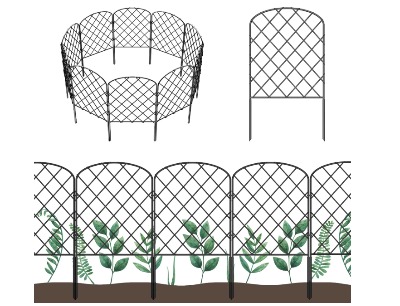
OUSHENG delivers a taller fencing option that provides better visibility and deterrence. The 24-inch height makes it suitable for creating more prominent garden borders.
Product Description:
This 10-panel set extends 10 feet total with each panel reaching 24 inches in height. The increased elevation creates a more substantial barrier compared to shorter options. The rustproof metal wire construction features an attractive arched design at the top of each panel, combining function with decorative appeal.
The panels connect using a simple interlocking system that requires no tools. Pointed stakes at the base push into soil for secure installation. The black powder-coated finish resists fading and rust, maintaining its appearance season after season. The wire construction allows air and light to pass through while still providing an effective barrier.
Key Features:
- 24-inch height offers better deterrence
- 10 panels covering 10 feet length
- Rustproof powder-coated metal construction
- Arched decorative top design
- Tool-free interlocking panel connection
- Sturdy ground stakes for stability
- Black finish suits various garden themes
Pros:
- Taller design provides better visibility
- Effective at deterring small to medium animals
- Attractive arch design enhances garden appearance
- Durable coating prevents rust and corrosion
- Easy installation without digging
- Flexible enough to curve around garden features
- Maintains structural integrity in wind
Cons:
- Higher price per foot compared to alternatives
- Fewer panels limit coverage area
- May appear too tall for subtle edging needs
- Requires more storage space when not in use
Best For:
This fence suits gardeners who want a taller barrier that makes a more prominent statement. It works well around raised beds, alongside pathways, or anywhere you need increased height for better animal deterrence.
4. AVELOTUUG 15 Panels Tall Garden Fence with Gate – Best Complete System
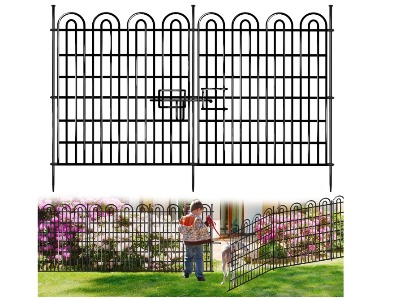
AVELOTUUG takes garden fencing to the next level by including a functional gate. This 33-inch tall system provides serious protection for gardens that need more security.
Product Description:
This premium fencing system includes 15 panels extending 36.8 feet with an integrated gate for easy access. Standing 33 inches tall, it creates a substantial barrier that keeps out most garden pests and small pets. The gate opens and closes smoothly, making it convenient to enter your garden for maintenance without stepping over or moving fence sections.
The heavy-duty metal construction features reinforced connections between panels for increased stability. The rustproof coating protects against moisture and weathering. The no-dig installation system uses longer ground stakes that provide superior anchoring compared to shorter options. The decorative design maintains aesthetic appeal while delivering serious functionality.
Key Features:
- 33-inch height for maximum protection
- 15 panels covering 36.8 feet total
- Integrated gate for convenient access
- Heavy-duty reinforced construction
- Extended ground stakes for better stability
- Rustproof protective coating
- Decorative edging design
Pros:
- Gate eliminates need to climb over or move panels
- Tall enough to contain small dogs
- Heavy-duty construction handles rough weather
- Extensive coverage for medium to large gardens
- Strong connections between panels prevent separation
- Professional appearance enhances property value
- Long ground stakes provide excellent stability
Cons:
- Higher price point than basic options
- More time required for initial installation
- Heavier panels make repositioning more difficult
- May be overkill for simple decorative needs
Best For:
Serious gardeners who need maximum protection will appreciate this comprehensive system. The included gate makes it practical for gardens you access frequently, while the height and construction quality ensure long-term reliability.
5. 10 Panels Garden Fence Dog Fence Outdoor – Best for Pet Containment
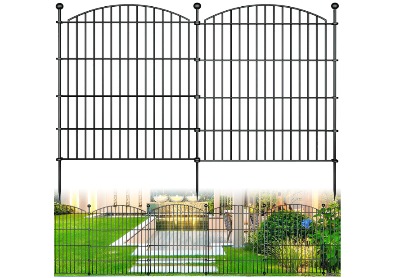
This 32-inch tall fence focuses specifically on pet containment while also protecting gardens. It strikes a balance between height, durability, and ease of installation.
Product Description:
Designed with pet owners in mind, this 10-panel system extends 23.6 feet and stands 32 inches tall. The height deters most small to medium dogs from jumping over while the close wire spacing prevents them from squeezing through. The rustproof metal construction includes ground stakes that anchor securely into various soil types.
The panels feature reinforced corners and edges that resist bending when dogs push against them. The no-dig installation system still applies, but the stakes are longer and thicker than standard decorative fence options. The black finish looks professional and blends with outdoor environments. The panels connect firmly to prevent gaps that clever pets might exploit.
Key Features:
- 32-inch height suitable for pet containment
- 10 panels extending 23.6 feet
- Reinforced construction resists pet pressure
- Rustproof metal with durable coating
- Enhanced ground stakes for security
- Close wire spacing prevents escapes
- Professional black finish
Pros:
- Effective for containing small to medium pets
- Strong construction withstands pushing and scratching
- Stakes provide reliable ground anchoring
- Suitable for garden protection and pet control
- Easy to install without professional help
- Durable enough for active pets
- Weather-resistant for year-round use
Cons:
- May not contain large or highly athletic dogs
- Limited length requires multiple sets for large areas
- Heavier than purely decorative options
- Higher price reflects enhanced durability
Best For:
Pet owners who want to protect their gardens while keeping their animals safely contained will find this fence meets both needs. It works well for creating designated pet areas or protecting specific garden sections from curious dogs.
How to Choose the Right Garden Fence
Selecting the perfect garden fence depends on several factors specific to your property and needs. Start by identifying your primary goal. Do you need to keep animals out, pets in, or simply define garden borders for visual appeal?
Height plays a crucial role in fence effectiveness. Shorter fences around 13-17 inches work well for decorative purposes and keeping out rabbits. Medium heights of 24-28 inches deter more determined animals and small dogs. Taller options at 32-33 inches provide serious protection against larger pests and can contain medium-sized pets.
Consider the total length you need to cover. Measure your garden perimeter or the specific areas you want to fence. Some products offer more panels with shorter individual lengths, while others provide fewer panels that cover greater distances. Calculate the coverage to ensure you purchase enough materials.
Installation method matters for convenience and permanence. No-dig fences push directly into soil, making them easy to install and reposition. This flexibility helps if you redesign your garden layout or move to a new home. However, very hard or rocky soil can make stake installation challenging.
Material quality affects longevity and maintenance. Rustproof coatings protect metal fences from moisture damage. Look for powder-coated or specially treated metals that resist corrosion. These materials maintain their appearance and structural integrity through multiple seasons.
Design aesthetics should complement your garden style. Arched panels create a traditional, elegant look. Straight designs appear more modern and minimalist. Consider how the fence color and pattern will look alongside your plants and outdoor decor.
Budget influences your options, but remember that quality fences last longer and require less replacement. Sometimes paying more upfront saves money over time. Calculate the cost per foot of coverage to compare value across different products.
Installation Tips for Garden Fences
Proper installation ensures your fence performs well and lasts multiple seasons. Start by planning your layout. Walk the perimeter where you’ll install the fence and mark any obstacles like rocks, roots, or utility lines. This planning prevents surprises during installation.
Prepare the ground before starting. Remove any grass, weeds, or debris from the fence line. This creates a clean work area and helps stakes penetrate soil more easily. For very hard soil, water the area a day before installation to soften it.
Begin installation at a corner or gate if your fence includes one. This provides a reference point for the rest of the installation. Connect panels as you go, ensuring each connection is secure before moving to the next section.
Push stakes into the ground firmly and evenly. Apply steady downward pressure rather than hammering, which can bend or damage stakes. If you encounter resistance, remove the stake and try a slightly different position. Rock back and forth gently while pushing to help stakes penetrate tough soil.
Check alignment as you install each panel. Step back periodically to ensure the fence line looks straight and even. Make adjustments before securing all stakes fully. Crooked sections stand out and reduce the fence’s effectiveness.
For curved areas, take advantage of the panel’s flexibility. Most metal garden fences bend slightly to follow gentle curves. Don’t force sharp angles, as this can weaken connections and distort panel shapes.
After installation, walk the entire fence line and test its stability. Push gently on panels to ensure stakes are secure. Reinforce any loose sections by pushing stakes deeper or adding small rocks around the base for extra support.
Maintenance and Care
Garden fences require minimal maintenance but benefit from periodic attention. Regular care extends their lifespan and keeps them looking attractive.
Inspect your fence at the start and end of each season. Look for signs of rust, loose panels, or stakes that have worked out of the ground. Early detection prevents small issues from becoming major problems. Tighten connections and push loose stakes back into place immediately.
Clean your fence once or twice during the growing season. Use a garden hose to spray away dirt, pollen, and plant debris. For stubborn grime, use a soft brush with mild soap and water. Avoid harsh chemicals that might damage protective coatings.
Check for rust spots, especially in areas where the coating may have been scratched. If you find any, clean the area and apply touch-up paint designed for metal outdoor use. This prevents rust from spreading and maintains the fence’s appearance.
Trim vegetation that grows against or through the fence. Plants pushing against panels can cause them to bend or separate. Vines weaving through wire can make removal difficult and may damage the fence when cut back.
Before winter, ensure all stakes are firmly in the ground. Frost heave can push stakes upward, loosening the fence. In areas with heavy snow, consider removing or lowering the fence to prevent damage from snow weight or removal equipment.
Store extra panels properly if you don’t use them all. Keep them in a dry location away from ground moisture. Stack panels carefully to prevent bending or scratching.
Common Garden Fence Problems and Solutions
Even quality fences encounter occasional issues. Knowing how to address common problems keeps your fence functional and attractive.
Stakes Won’t Penetrate Hard Soil:
Water the installation area thoroughly the day before. If soil remains too hard, use a pointed tool to create starter holes. A screwdriver or thin rod works well. Make the hole slightly smaller than the stake diameter so the stake still grips firmly.
Panels Separate at Connections:
Most separation occurs because panels weren’t fully engaged during installation. Disconnect the panels and reconnect them, ensuring all connection points lock together completely. Some designs allow you to reinforce connections with wire ties if separation persists.
Fence Leans or Falls Over:
This usually indicates stakes aren’t deep enough in the ground. Remove the affected section and push stakes deeper. In very soft soil, adding small rocks around stake bases provides extra support. Consider upgrading to a fence with longer stakes if your soil type causes persistent problems.
Rust Appears Despite Rustproof Coating:
Surface rust develops where coatings get scratched or damaged. Clean affected areas with a wire brush, then apply rust-inhibiting primer and outdoor metal paint. Prevention works better than repair, so handle panels carefully during installation and maintenance.
Animals Still Get Through:
If animals dig under, bury the bottom of the fence a few inches underground or add a horizontal barrier at ground level. For animals jumping over, consider a taller fence or adding extensions. For animals squeezing through, look for gaps between panels or between the fence and fixed objects.
Fence Looks Crooked After Installation:
This often results from uneven ground or inconsistent stake depth. Use stakes as adjustment points. Pull up stakes on the high side slightly or push them deeper on the low side until the fence appears level. A long board or string line helps verify alignment.
Safety Considerations
Garden fences create boundaries but can pose safety concerns if not properly installed or maintained. Keep these safety guidelines in mind.
Inspect for sharp edges or points, especially on older fences showing wear. Bent or damaged panels may develop sharp edges that can cut skin or tear clothing. Repair or replace damaged sections promptly.
Make fences visible to prevent tripping hazards. This matters especially for low border fences that people might not notice. Consider placing reflective markers or small lights along fence lines in areas people walk at night.
Secure all connections properly. Loose panels can shift unexpectedly, potentially causing injury. Regular inspections catch connection problems before they become dangerous.
Consider children and pets when planning fence placement. Avoid creating climbing opportunities by placing fences near objects kids might use as steps. Ensure gates latch securely to prevent young children or pets from opening them.
Be aware of underground utilities before installing stakes. Contact your local utility locating service before installation. Stakes driven into utility lines create serious safety hazards and expensive repairs.
Keep tetanus vaccinations current when working with metal fences. While modern coated fences are safer than old barbed wire, any metal can cause puncture wounds if mishandled.
Environmental Impact and Sustainability
Garden fences can be environmentally responsible choices when selected and used thoughtfully. Metal fences offer several sustainability advantages over other materials.
Metal fences last significantly longer than wood or plastic alternatives. This longevity means fewer replacements and less waste over time. Quality metal fences often function well for a decade or more with proper care.
Most metal garden fences are recyclable at the end of their useful life. If your fence eventually needs replacement, metal recycling facilities accept these materials. This keeps them out of landfills and allows the material to be repurposed.
Metal production does have environmental impacts, but choosing powder-coated options reduces the need for chemical treatments that wood requires. Metal doesn’t need staining, sealing, or chemical preservatives that can leach into soil.
Consider the fence’s effect on your garden ecosystem. Wire designs allow air circulation and don’t block sunlight the way solid barriers would. This openness supports plant health while still providing protection.
The no-dig installation method preserves soil structure and avoids disturbing beneficial organisms living underground. This gentler installation approach maintains your garden’s natural ecosystem better than methods requiring excavation.
When possible, choose products from manufacturers committed to sustainable practices. Some companies use recycled metal content or implement environmentally conscious manufacturing processes.
Frequently Asked Questions
How deep should fence stakes go?
Most garden fence stakes need to penetrate 4-6 inches into the ground for adequate stability. Taller or heavier fences benefit from deeper stakes of 6-8 inches. Soft or sandy soil may require additional depth for proper anchoring.
Can garden fences handle strong winds?
Quality metal garden fences withstand normal wind conditions well. Their open wire design allows air to pass through, reducing wind load. Very strong winds or storms may shift poorly anchored sections. Ensure stakes are fully inserted and check fence stability after severe weather.
Will these fences harm pets?
Properly installed fences are safe for pets. The wire spacing prevents animals from getting stuck, and rounded wire edges minimize injury risk. Always supervise initial pet interactions with new fences to ensure they understand the boundary.
How long do metal garden fences last?
Rustproof coated metal fences typically last 5-10 years or longer with proper care. Factors affecting lifespan include local climate, soil conditions, and maintenance frequency. Fences in coastal areas face more corrosion challenges than those in dry climates.
Can you paint metal garden fences?
Yes, metal fences accept outdoor metal paint. Clean the surface thoroughly first, then apply primer designed for metal. Use paint formulated for outdoor use that resists weather and UV exposure. This can refresh appearance or change color to better match your landscape.
Do these fences work in winter?
Metal garden fences function year-round. Cold temperatures don’t damage the material. However, frost heave can push stakes upward in freezing climates. Check and reset stakes in spring. Snow load isn’t usually a problem for the open wire designs.
How do you remove stubborn stakes?
Grasp the panel firmly and rock it side to side while pulling upward. This breaks the soil’s grip on the stake. For extremely stubborn stakes, water the area to soften soil, then try again. Avoid twisting, which can bend stakes and make removal harder.
Comparing Fencing Materials
While this guide focuses on metal fences, understanding how they compare to other materials helps confirm your choice.
Metal vs. Wood:
Metal fences require less maintenance than wood, which needs regular staining or sealing. Metal won’t rot, warp, or attract termites. Wood offers a more natural appearance but typically lasts fewer seasons. Metal costs less initially and over its lifetime due to longevity.
Metal vs. Plastic:
Plastic fences resist rust but can become brittle over time, especially in cold climates. UV exposure causes plastic to fade and crack. Metal maintains structural integrity better and presents a more upscale appearance. Plastic often costs less but requires more frequent replacement.
Metal vs. Vinyl:
Vinyl fences offer durability similar to metal but cost significantly more. Vinyl won’t rust but can crack on impact. Metal provides better flexibility for creating curved borders. Both materials require minimal maintenance.
Coated Metal vs. Uncoated:
Always choose coated or rustproof metal for garden applications. Uncoated metal rusts quickly when exposed to moisture and soil contact. The protective coating costs slightly more but prevents rust problems and eliminates the need for painting.
Creating Different Garden Zones
Garden fences help organize outdoor spaces into distinct functional areas. Strategic fence placement enhances both aesthetics and practicality.
Define vegetable gardens separately from ornamental areas. This allows you to concentrate pest protection where edible crops grow while using shorter decorative fencing elsewhere. Different zones can have different fence heights based on their specific needs.
Create sections for plants with different water or sun requirements. Fencing helps you remember which areas need what care. The visual divisions make garden maintenance more organized and efficient.
Protect newly seeded or planted areas with temporary fencing. The barrier prevents accidental trampling while plants establish. Once plants mature, you can remove or reposition the fence for other uses.
Establish pet-free zones around delicate plants or areas with toxic vegetation. Even well-trained pets sometimes get excited and run through gardens. Fencing creates a gentle reminder that helps protect both plants and animals.
Section off composting areas or work zones. Fencing screens these functional spaces from main viewing areas while still allowing easy access. This keeps your garden looking tidy while maintaining practicality.
Budget Planning for Garden Fencing
Understanding costs helps you make informed decisions and avoid surprise expenses. Garden fence pricing varies based on several factors.
Basic decorative fencing starts at reasonable prices per foot. These options work well for light duty applications and purely aesthetic purposes. Expect to pay more for taller panels, heavy-duty construction, or systems with gates.
Calculate total project costs beyond just the fence panels. Include stakes if sold separately, although most products include them. Budget for optional accessories like gate latches, corner pieces, or additional stabilizing stakes for challenging soil.
Consider long-term value rather than just initial cost. A fence lasting ten seasons costs less per season than a cheap option requiring replacement every two or three. Factor in maintenance time and materials when comparing products.
Buy enough panels in your first purchase to complete your project. Ordering additional panels later may involve shipping costs that exceed the panel prices. Having a few extra panels provides flexibility for future garden layout changes.
Watch for seasonal sales at garden centers and online retailers. Spring typically brings the highest prices as demand peaks. Fall and winter often feature clearance prices as stores make room for next season’s inventory.
Professional Installation vs. DIY
Garden fence installation is typically a straightforward DIY project. Most homeowners can complete installation without professional help.
DIY Advantages:
You save labor costs by installing yourself. Garden fence installation requires no special skills or expensive tools. The process takes just a few hours for typical residential projects. You gain flexibility to work at your own pace and make adjustments as you go.
DIY Challenges:
Very large projects become time-consuming. Rocky or extremely hard soil complicates stake installation. Creating perfectly straight long runs requires patience and attention to detail. Some people find the repetitive nature of installation tedious.
When to Consider Professional Help:
Complex landscapes with numerous obstacles may benefit from professional installation. Projects requiring significant ground preparation work better with experienced installers. If physical limitations prevent you from bending, kneeling, or applying the necessary force to push stakes, professional installation makes sense.
Saving Money with DIY:
Installation labor costs typically equal or exceed material costs for simple projects. By doing it yourself, you cut total project costs roughly in half. Use saved money to purchase higher quality materials or additional panels for extended coverage.
Final Thoughts
Protecting your garden with proper fencing combines practical necessity with design opportunity. The five fences reviewed here represent excellent options for different needs and budgets. Each offers reliable construction, rust resistance, and relatively easy installation.
The decorative 17-inch fence provides outstanding value for basic garden edging and small animal deterrence. The AVELOTUUG 42.5-foot system excels at covering large areas with anti-digging protection. OUSHENG’s 24-inch fence offers extra height in an attractive package. The tall AVELOTUUG fence with gate delivers maximum protection for serious gardeners. The 32-inch pet containment fence serves dual purposes effectively.
Your specific situation determines which fence works best. Consider your primary goals, garden size, local animal challenges, and aesthetic preferences. Measure carefully, plan your layout, and purchase quality materials that will serve you well for many seasons.
A well-chosen garden fence protects your hard work, keeps your plants healthy, and enhances your property’s appearance. The right fence turns your garden into a protected space where you can enjoy the fruits of your labor without constant worry about animal damage.
Take time to review your options, read product specifications, and consider how each fence fits your unique needs. The investment you make in quality garden fencing pays dividends every time you walk outside and see your thriving, protected garden.

Hi, I’m Mary, the founder of GardenCure.com. I’m passionate about creating healthy, beautiful gardens and well-kept lawns. I share practical experience and trusted advice on garden and lawn gear that truly works. With the support of my dedicated research team, our writers produce honest, in-depth reviews using reliable, authentic sources—helping you choose the right tools with confidence for your outdoor space.