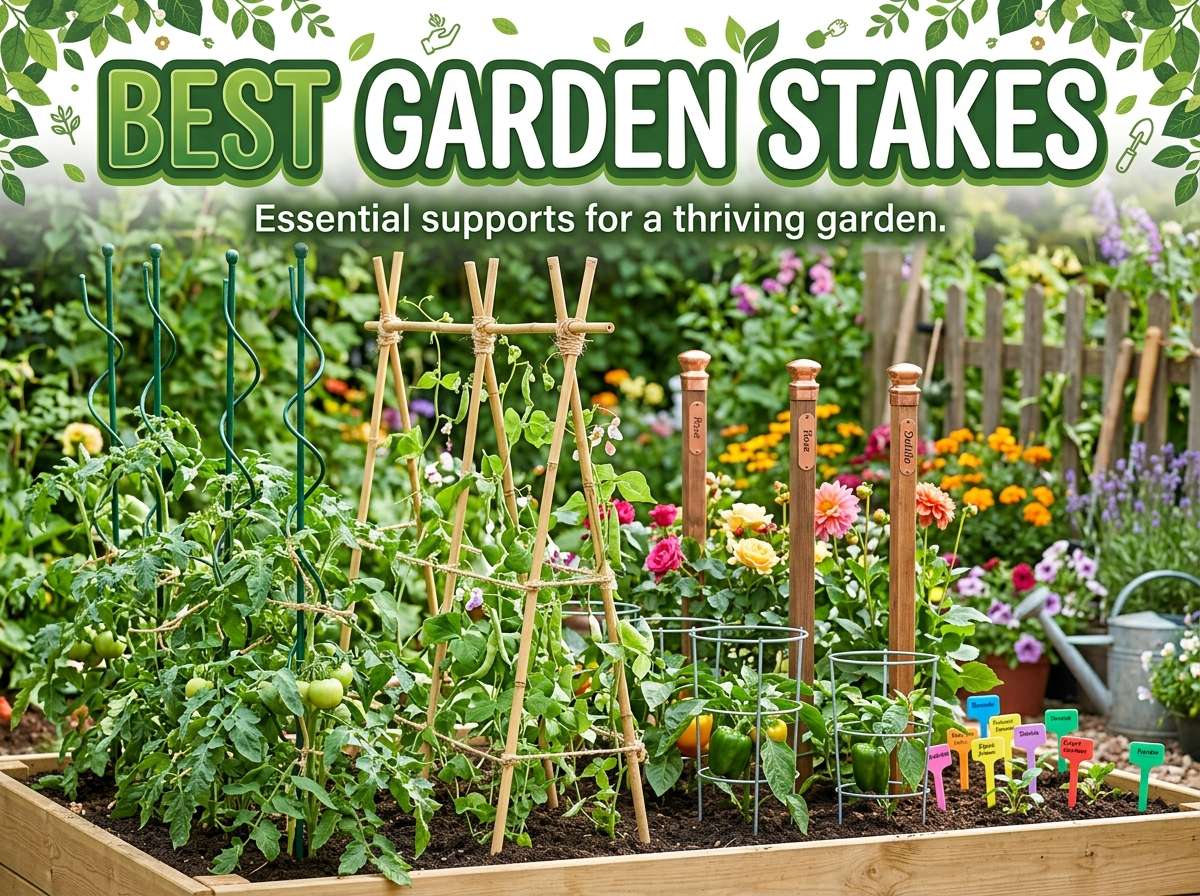
5 Best Garden Stakes In 2026
When you’re growing tomatoes, beans, or any climbing plants in your garden, they need support as they get bigger and heavier. Garden stakes are simple but important tools that keep your plants from falling over and help them grow tall and strong. If you’ve ever wondered which plant stakes work best, or if you’re just getting started with gardening, this guide breaks down everything you need to know about the top garden stake options available today.
In this article
Why Garden Stakes Matter for Your Garden Success
Before we jump into individual products, let’s talk about why plant support sticks are so important. When your tomato plants start producing fruit, they get heavy and can break under their own weight. Climbing plants like beans and peas need something to grab onto as they grow upward. Garden supports keep your plants off the wet soil where they can rot or get diseases. They also make it easier to pick your vegetables and keep your garden looking neat and organized.
A good plant stake system saves you time, gives you bigger harvests, and prevents the frustration of watching your plants collapse in the dirt. The right tool makes gardening easier and more enjoyable, especially if you’re new to growing your own food.
Best Garden Stakes: Our Top 5 Picks
1. Xiny Tool Garden Stakes, 25 Pack Steel Plant Garden Tomato Stakes
Product Overview
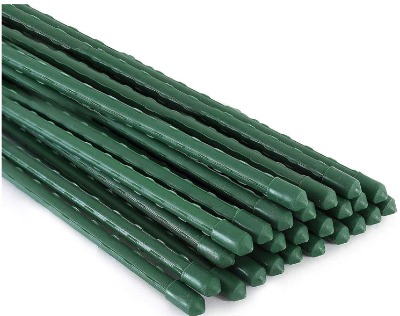
The Xiny Tool garden stakes come as a 25-pack bundle, with each stake standing 58 inches tall. These are made from steel with a protective plastic coating that keeps them from rusting. The stakes are sturdy enough to handle the weight of full-grown tomato plants without bending or breaking.
Key Features Explained Simply
These stakes feature a steel core that gives them real strength. The plastic coating protects the metal from water and weather damage, which means they last for many years without falling apart. At 58 inches, they’re tall enough for most standard tomato varieties and many types of climbing plants. The end of each stake has a sharp point that drives into the soil easily, and the design is simple but effective.
The coating comes in green color, so they blend into your garden naturally and don’t look like industrial equipment sticking up from your plants. The thickness of the material is substantial enough that you won’t worry about them bending under weight, but they’re still light enough to carry and position without too much effort.
Best Use Cases
These stakes work great for determinate and indeterminate tomato varieties, especially if you plan to use a simple tying method with string or plant tape. The 58-inch height gives you room to tie multiple support points as your tomato plant grows taller. They’re also perfect for beans, peas, and other climbing vegetables that need something to lean against.
If you have a medium-sized garden with space for multiple plants, this 25-pack gives you flexibility to stake several plants without buying multiple boxes. The quantity is enough to handle a serious vegetable garden or to have extras on hand for next year.
Real-Life Usage Insight
Gardeners who use these stakes report that they drive into the ground without too much resistance, even in compacted soil. The plastic coating holds up well through seasons of weather, and the stakes remain straight after installation. People mention that while the coating is durable, occasionally a stake gets bent during installation if you hit a rock underground, but this doesn’t happen often.
The stakes are sturdy enough that most gardeners don’t have to worry about replacing them during the growing season. They handle heavy tomato plants without showing signs of stress or bending. The plastic coating doesn’t peel off easily, which means they look good throughout the season.
Honest Pros and Cons
Pros: The 25-pack gives you good value for your money. The coating protects the steel well. They’re tall enough for most garden situations. The sharp point makes installation easy. They’re light to carry but strong enough for heavy plants. The green color blends into gardens naturally. The quantity means you can stake multiple plants or keep backups for next year.
Cons: At 58 inches, they might be taller than you need for short spaces. The stakes arrive bundled tightly, which can make them slightly difficult to separate at first. Some users wish the plastic coating came in other colors. The stakes are individual pieces without connectors or clips, so you need your own fastening method like twine or plant tape. If you want a quick setup system with connectors, this isn’t it.
Performance Discussion
These stakes perform reliably season after season. The key to their durability is the plastic coating that prevents rust from eating through the steel. Over time, if the coating gets scratched or damaged, a thin rust layer might develop, but this doesn’t affect the stake’s function. The weight capacity is excellent—they easily hold tomato plants that have multiple branches heavy with fruit.
The straight design means your plants grow straight up naturally without any kinks or bending points. This is better for plant health than stakes with curves or joints that might stress the stem. The simplicity of the design also means there are no moving parts to break or fail.
Ease of Use
Using these stakes is straightforward. You push the sharp point into the soil until the stake stands firmly. For most soil types, you can do this by hand or with light stomping, though very hard soil might require a small hammer or mallet. Once the stake is in place, you tie your plant to it using string, plant tape, or soft ties. Most gardeners tie their plants with two or three knots as the season progresses and the plant grows taller.
The simplicity works both for and against these stakes. On one hand, you don’t need to learn any complicated assembly process. On the other hand, you’re responsible for deciding how to tie and secure your plants, which means it takes a bit more effort than a system that comes with clips included.
Value for Money
At the price point these stakes command, they’re a solid investment. You get 25 stakes that last for years, which spreads the cost out over many growing seasons. Even if you replace them every three years, the per-stake cost is very low. The plastic coating means you’re not fighting rust every season, which saves you from buying new stakes as frequently.
If you compare the cost per stake to buying them individually, buying the 25-pack saves money. This is the kind of tool that pays for itself through many gardening seasons.
2. Fabulas Garden Stakes 16 Inch 70 Pack, Diy 4ft 5ft 6ft 7ft 8ft
Product Overview
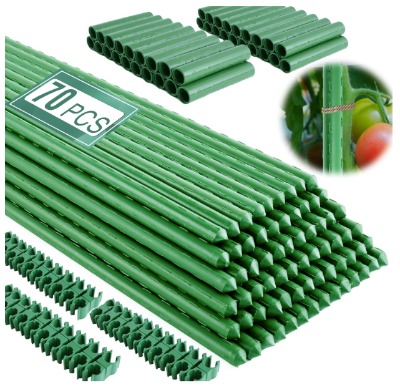
The Fabulas system is completely different from the previous option. Instead of full-length stakes, you get 70 individual 16-inch pieces of plastic-coated metal that you can connect together to build stakes of various heights. The set also includes 40 connectors and 30 rotatable clips, which makes this a complete system rather than just sticks.
This is a modular approach to garden staking. If you want a 4-foot stake, you connect pieces together. Need 5 feet? Connect more pieces. The flexibility means one box can create stakes of many different heights, which is perfect if you have plants of different sizes or if you want to customize the height as your plants grow.
Key Features Explained Simply
Each piece is 16 inches long with a pointed end. The plastic coating protects them from rust. The connectors are small sleeves that slide onto two piece ends, joining them together securely. The rotatable clips are designed to attach to your plants without tying. You just adjust the clip to the width of your stem and secure it in place.
The beauty of this system is flexibility. You could have five 5-foot stakes, ten 4-foot stakes, or any combination you want from the 70 pieces. As your plants grow, you can add more pieces and make the stakes taller if needed. The clips mean you don’t have to learn how to tie proper knots.
Best Use Cases
This system shines if you have plants of different heights or if you want to grow taller varieties later. The 16-inch pieces let you adjust exactly how tall each stake needs to be. The clips are great for people who don’t want to fuss with tying or who want a faster setup process. This works well for mixed vegetable gardens where tomatoes, beans, and other plants might need different support heights.
The large quantity of pieces and clips makes this perfect for bigger gardens or for someone who likes having extras. If you run a small farm or have a serious vegetable garden, this set gives you everything you need for multiple plants.
Real-Life Usage Insight
Gardeners who use the Fabulas system appreciate the flexibility of height adjustment. You can build shorter stakes for determinate tomatoes and taller ones for indeterminate varieties in the same set. The connectors fit snugly enough that assembled stakes don’t wobble or shake when you push on them.
The rotatable clips work well for most stem sizes, though very thin plant stems sometimes slip, and very thick stems might not fit completely. The clips have a decent range, which means they work for most garden vegetables. Users report that assembly takes a few minutes to get the hang of, but once you understand the system, staking plants goes quickly.
The pieces store compactly when not in use since they’re shorter. If you have limited storage space, this is better than storing full-length stakes.
Honest Pros and Cons
Pros: The modular design offers flexibility in height. You get 70 pieces, giving you plenty to work with. The connectors and clips are included, so it’s a complete system. The clips make installation faster than tying. You can adjust heights as plants grow. The shorter pieces are easier to store. The quantity works well for large gardens. You can create stakes of different heights from one set.
Cons: Assembly takes time before you can use them. The connectors have a learning curve if you’ve never used them before. The clips don’t work well with all stem types—very thin or very thick stems might be problematic. Some users report connectors can loosen over the season if not installed tightly enough. The 16-inch pieces mean more connections, which means more points that could potentially fail. If you want simple, straightforward staking without assembly, this isn’t it. Replacing a broken connector means buying another set.
Performance Discussion
Once assembled correctly, these stakes perform well. The connections hold firm when installed properly. The clips grip plant stems adequately for most vegetable types. The plastic coating protects against rust just like individual stakes do. The main performance question is the durability of the connection points—some connectors might loosen after heavy use or weather exposure.
The rotatable design of the clips means they work at different angles, which is helpful for plants that aren’t perfectly vertical. This flexibility is a real advantage for variable garden conditions.
Ease of Use
Using this system requires a bit of setup work. You connect pieces together until you reach your desired height. Then you install the assembled stake in the ground. Once it’s in place, you attach your plant with the clip. It’s not complicated, but it takes more steps than pushing a single stake into the ground.
The clips are generally intuitive to use—you open them, slide your stem in, and tighten. The learning curve is short, and most people get comfortable with the system after staking a few plants. However, the initial assembly and the multiple steps mean this is less convenient than simpler systems if you value quick setup.
Value for Money
The price point includes many components: 70 pieces, 40 connectors, and 30 clips. When you calculate the total potential stake length possible from these pieces, you’re getting good value. If you need to stake 10 or more plants, the economics work well. If you only have two or three plants, you might be overpaying for unused pieces and clips.
The flexibility means you’re not locked into one stake height, which can save money if your plant needs are varied. However, the connectors and clips do add cost compared to buying simple individual stakes. Over multiple seasons, if nothing breaks, this is a solid value. If you lose or break connectors or clips, you’ll want to buy replacements, which might be inconvenient.
3. Garden Stakes 48 Inches Sturdy Green Plant Sticks 25 Pack
Product Overview
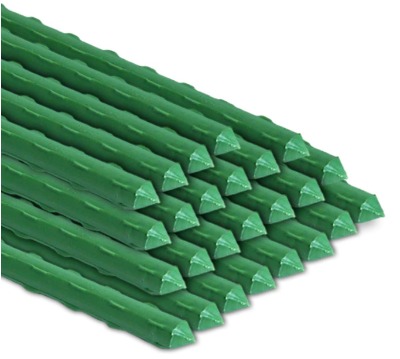
These stakes are 48 inches tall, making them shorter than some options but perfect for many applications. The 25-pack offers good quantity, and the green color helps them blend into garden scenery. The stakes are made from steel with a plastic coating and feature a sturdy design that doesn’t wobble or bend easily.
Key Features Explained Simply
At 48 inches, these stakes reach four feet tall. For most determinate tomato varieties and for container gardening, four feet is ideal height. The plastic coating in green color looks natural in the garden setting. The steel construction is robust—these stakes are thicker than some alternatives, making them particularly strong.
The stakes are uniform in size and quality, which means consistency across the pack. If you’re building a garden with multiple staked plants, they’ll all look similar and perform similarly. The sharp point at the bottom drives into soil easily without requiring special tools.
Best Use Cases
Four feet tall is perfect for patio containers, small to medium garden beds, and determinate tomato plants. If you’re a newer gardener or you have limited vertical space, this height is less overwhelming than taller options. Container gardening with potted plants benefits from 48-inch stakes because they’re tall enough to provide support without looking awkwardly tall relative to the pot.
These also work well for climbing beans and peas in smaller spaces. The 25-pack is good for hobby gardeners who aren’t trying to fill acres of garden space but want reliable equipment for their weekend vegetable patch.
Real-Life Usage Insight
Gardeners consistently praise how sturdy these stakes feel. The thickness is noticeable compared to thinner alternatives. Users report that they drive into the ground firmly and stand straight without leaning or wobbling. The 48-inch height seems to be the sweet spot for most home gardeners—not too tall, not too short.
The green coating holds up well through seasons of weather and sun exposure. Gardeners report that these stakes look good in the garden throughout the growing season. The fact that they come in quantities of 25 means most gardeners with small to medium gardens get exactly what they need without significant leftover.
Honest Pros and Cons
Pros: The 48-inch height is practical for most home gardens. The 25-pack is the right quantity for typical garden setups. The thickness provides real strength and stability. The green color blends into gardens beautifully. The sturdy construction means these last many seasons. They’re straightforward to install—no assembly needed. They look good in both vegetable gardens and decorative garden settings. The cost per stake is reasonable for the quality.
Cons: At 48 inches, they won’t work if you want very tall indeterminate tomato plants that grow past six feet. The individual pieces come with no connectors or clips, so you need your own fastening method. The quantity might be more than someone with just a few container plants needs. They’re not adjustable in height—once you pick this size, you’re locked into four feet. If you have plants of different support needs, you might need to buy multiple sets.
Performance Discussion
These stakes perform excellently for their intended purpose. The extra thickness compared to some options means they bend less under weight. They handle the full weight of heavily fruiting tomato plants without signs of stress. The plastic coating remains intact through weather exposure, and rust is not a concern even in humid climates.
The main performance question is whether 48 inches is tall enough for your plans. If you grow determinate varieties or shorter vegetables, this is ideal. If you’re hoping to grow very tall indeterminate tomatoes to the top of a six-foot fence, these fall short.
Ease of Use
These are the easiest to use of all the options. You choose where you want them, push them into the ground until firm, and start tying your plants. No assembly, no connectors, no clips to learn. Just simple, straightforward installation.
This simplicity is a major advantage if you value speed and straightforward setup. You can stake an entire garden bed in minutes. If you’re a beginner just learning gardening, the lack of complexity is wonderful.
Value for Money
These represent solid value for a straightforward product. You get 25 stakes that last many years. The cost per stake is competitive with other quality options. If you have a small to medium garden, you won’t buy more than you need, so there’s no waste.
For someone who wants to stake four or five plants, this set makes sense economically. For someone with just one or two plants, the 25-pack might be more than needed.
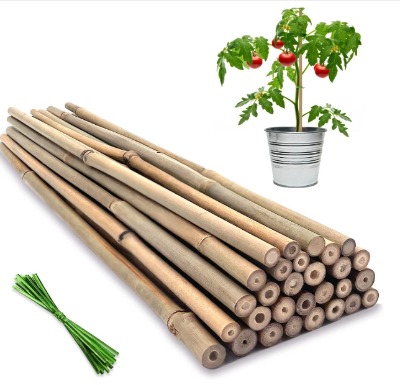
4. Plant Stakes, 18 Inches Natural Garden Bamboo Sticks
Product Overview
These are bamboo stakes, which is a completely different material from the plastic-coated steel options. At 18 inches tall, they’re shorter pieces, and you get 20 in the pack. Bamboo is a natural material that’s lightweight, biodegradable, and has been used for gardening support for centuries.
Key Features Explained Simply
Bamboo is naturally strong despite being lightweight. These stakes are sustainable because bamboo grows quickly and regenerates without replanting. The natural color looks beautiful in gardens and blends well with plants. At 18 inches, they’re short enough for container gardening or to be bundled together to create taller supports.
The stakes are smooth without sharp points like steel stakes, which makes them gentler on plant stems. The natural material doesn’t conduct heat like metal does, so they won’t get hot in the sun. Bamboo is slightly flexible, which means if a stake does bend, it’s usually not permanent.
Best Use Cases
Bamboo stakes are ideal for container gardening, delicate plant stems, and for gardeners who prefer natural materials. They work well for herbs, small vegetable plants, and flowers. If you’re looking to create a beautiful aesthetic garden, bamboo blends naturally without the industrial look of metal.
These stakes are perfect for starting plants indoors or in small pots before transplanting to larger containers. The 18-inch length is ideal for compact setups and small spaces. They’re also popular with gardeners who want biodegradable options that break down naturally after the season ends, though they last multiple seasons if cared for properly.
Real-Life Usage Insight
Gardeners appreciate the natural look and feel of bamboo stakes. They’re light to handle and feel pleasant to work with compared to metal. The smooth texture doesn’t scratch hands or plants. Users report that bamboo stakes are gentler on delicate plant stems than metal, which means less risk of stem damage if you’re not careful with ties.
The main caution is that bamboo is more prone to rot if it stays constantly wet. In very humid climates, people notice bamboo deteriorates faster than metal. Users in drier climates report their bamboo stakes lasting several seasons. The stakes are also attractive enough that some gardeners leave them in place as decorative elements even after plants are gone.
Honest Pros and Cons
Pros: The natural bamboo material looks beautiful in gardens. They’re lightweight and easy to handle. The gentle texture is less likely to damage delicate stems. Bamboo is sustainable and biodegradable. At 18 inches, they’re perfect for containers and small spaces. They don’t get hot in the sun like metal does. The aesthetic appeal is high—your garden looks intentional and beautiful. They’re quiet to install with no metal noise. The 20-pack is a good quantity for container gardeners.
Cons: Bamboo is not as strong as steel for very heavy plants. In humid climates, they rot faster than metal stakes would. They’re not ideal for long-term, multi-year use compared to metal—metal usually lasts longer. At 18 inches, they’re too short for many tomato plants unless you bundle them or use multiple stakes per plant. They don’t have the same rust prevention as coated metal stakes. In harsh weather, bamboo can crack or split. Very tall vegetables need multiple stakes bundled together to reach adequate height. The cost per stake is higher than metal despite the material being simpler.
Performance Discussion
Bamboo stakes perform well for their intended purposes: smaller plants and shorter support needs. They don’t bend under normal use, though they’re slightly more flexible than rigid metal. The performance drops in very humid or wet climates where rot becomes an issue.
For lightweight plants and containers, they’re perfectly adequate. For heavy tomato plants or very tall vegetables, metal stakes are better performers. The difference in durability isn’t huge if you’re in a drier climate and you don’t leave the stakes out year-round.
Ease of Use
These are very easy to use. You push them into soil or into potting soil in containers. They don’t require assembly or connectors. Tying plants to bamboo is straightforward using string or soft ties. The smooth surface means ties don’t slip as easily as they might on metal.
The main limitation is that at 18 inches, many plants outgrow them during the season, requiring additional support staking. This might mean you’re staking the same plant multiple times through the growing season.
Value for Money
Bamboo stakes cost more per stake than metal options, but they’re still affordable. If you’re a container gardener with many small pots, the 20-pack might be perfect. If you have a large vegetable garden with tall plants, the cost becomes harder to justify since you’ll need many more stakes to reach adequate heights.
The sustainability angle appeals to some gardeners who prefer natural products, and they’re willing to pay a bit more for that. However, the shorter lifespan in humid climates means you might be replacing them more frequently than metal stakes, which affects the overall value calculation.
5. WAENLIR Garden Stakes 36 Inch 3ft Sturdy Tomato Stakes
Product Overview
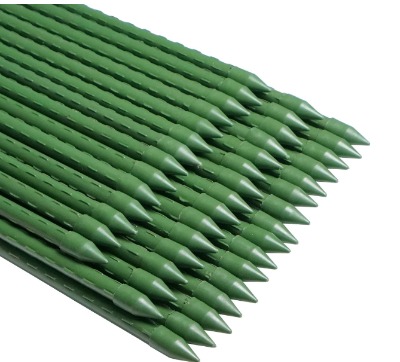
These stakes are 36 inches tall, making them three feet high. You get 30 in a pack, which is a generous quantity. The stakes are metal with plastic coating for rust protection. The design is straightforward without connectors or special systems.
Key Features Explained Simply
At 36 inches, these stakes are ideal for compact spaces and determinate plants. The plastic coating comes in green, helping them blend into the garden. The stakes are sturdy enough to support full plants without wobbling. The sharp bottom point makes installation easy in most soil types.
The 30-pack is larger than many options, giving you plenty to work with if you have multiple plants or want backups for future seasons. The height is the main distinguishing feature—not as tall as 58-inch options but taller than 18-inch bamboo stakes.
Best Use Cases
These work perfectly for determinate tomato plants, bush beans, and vegetables that don’t grow exceptionally tall. In smaller garden spaces or patio settings, three feet provides enough height without being overwhelming. Container gardeners benefit from this height for larger pots.
If you want to stake many plants without spending a fortune, the 30-pack delivers quantity at reasonable cost. This size is also popular for decorative gardens where you want plant supports that don’t stand out dramatically.
Real-Life Usage Insight
Users report that 36 inches is a surprisingly versatile height. It’s enough for determinate tomatoes and many other vegetables, yet not so tall that it dominates smaller spaces. The 30-pack appeals to gardeners who like having plenty of stakes on hand for unexpected needs or for future seasons.
The installation process is quick and straightforward. The green coating blends into gardens well, and the stakes remain straight through seasons of use. Gardeners mention that three feet is often all they need in practice, even though they initially think they want taller stakes.
Honest Pros and Cons
Pros: The 36-inch height is practical and versatile. The 30-pack provides excellent quantity for the cost. The green color blends naturally. The straightforward design needs no assembly. They’re easy to install and position. The price point is competitive. The quantity is great for larger gardens or for people who like having extras. They work for many vegetable types and sizes. They’re durable and last many seasons.
Cons: At 36 inches, they won’t work for very tall indeterminate tomato plants or varieties that grow past five or six feet. You need your own tying system—no connectors or clips included. At 30 stakes, you might have leftover if you only have a few plants. The stakes don’t offer height adjustment—once selected, you’re locked into three feet. If you need varied heights for different plants, you’d need to buy multiple sets.
Performance Discussion
These stakes perform reliably for their intended height range. They handle determinate tomato plants and bush vegetables without stress. The plastic coating protects against rust effectively. The three-foot height remains appropriate even after multiple seasons of use.
The performance question is primarily about height sufficiency. If your plants’ needs align with the 36-inch size, these are excellent performers. If you’re trying to support taller plants, they fall short.
Ease of Use
These couldn’t be easier to use. Push the point in, stake your plant, tie it off. No assembly, no learning curve, no complicated components. For beginners or for anyone who just wants quick, simple staking, this is ideal.
The 30-pack means you can stake multiple plants quickly and still have extras. You could finish staking an entire garden bed in minutes.
Value for Money
With 30 stakes in the pack, the per-stake cost is very low. This is an economical choice for anyone with multiple plants. If you have just one or two plants, you might prefer a smaller pack size. The 30-pack makes sense if you’re setting up a garden with multiple plants or if you want backups for future seasons.
The durability and multi-season use mean these pay for themselves quickly through many growing seasons.
Comparison and Insights
Looking at all five options, you have essentially three categories: traditional individual stakes of various heights (options 1, 3, 5), a modular connecting system (option 2), and natural bamboo (option 4).
The traditional stakes are the simplest to understand and use. You pick the height you want, install them, and start growing. They come in different heights depending on your needs: 58 inches for tall plants, 48 inches for medium needs, 36 inches for compact spaces, or 16-inch pieces you build together.
The modular Fabulas system offers flexibility in height but requires more setup work and more components to keep track of. It’s best if you have plants of varied heights or if you love having options.
The bamboo option is best if aesthetics matter to you and if you’re working with smaller plants or containers. It’s not the most durable or strongest option, but it’s beautiful and sustainable.
Here’s a quick height comparison:
- Xiny Tool: 58 inches (best for very tall indeterminate tomatoes)
- Fabulas: 16-inch pieces (combine to make 4-8 feet, offers flexibility)
- Standard Garden Stakes: 48 inches (versatile mid-size)
- BOVITRO Bamboo: 18 inches (best for containers)
- WAENLIR: 36 inches (perfect for determinate tomatoes)
The quantity comparison:
- Xiny Tool: 25 stakes
- Fabulas: 70 pieces (creates multiple stakes)
- Standard Garden Stakes: 25 stakes
- BOVITRO: 20 stakes
- WAENLIR: 30 stakes
For cost per stake, the traditional steel stakes are most economical. The modular system and bamboo cost more per unit but offer flexibility or aesthetics. All represent reasonable value compared to buying stakes individually at garden centers.
Buying Guide: How to Choose the Right Garden Stakes
Consider Your Plants
The first question is what you’re growing. Determinate tomato varieties stay relatively compact, usually reaching four to five feet. For these plants, the 36-inch or 48-inch stakes are often sufficient. Indeterminate varieties grow tall and keep producing through the season, often reaching six feet or taller. For these, you want the 58-inch individual stakes or the Fabulas system where you can combine pieces to create taller supports.
Beans and peas are lighter than tomatoes, so they need less heavy-duty support. Bamboo stakes often work well for these. Cucumbers and other climbing vegetables also appreciate support stakes.
Think About Space
How much room do you have? If you’re staking plants in a compact patio container setup, 18-inch or 36-inch stakes work beautifully without looking awkwardly tall. If you have a larger vegetable garden with more space, taller stakes work and don’t dominate the visual landscape.
Decide on Setup Complexity
Do you want simple, quick setup? The individual stakes are fastest. Push them in, tie your plant, and you’re done. If you prefer more sophisticated systems with clips and connectors, the Fabulas option might appeal to you, but understand it takes more setup time.
Consider Durability Needs
Metal stakes with plastic coating last the longest, often ten years or more if kept dry and stored properly during off-season. Bamboo lasts several years depending on climate and care. If you’re looking for a long-term investment, metal wins. If you prefer biodegradable options, bamboo is your choice.
Calculate Your Quantity Needs
Count how many plants you need to stake. Most gardeners underestimate how many plants they’ll have by the end of the season, so getting more stakes than you think you need is smart. The packs of 25-30 work well for most home gardens. If you have a larger operation, consider buying multiple packs.
Evaluate Your Budget
All five options are affordable, but they have different price points. For the absolute best value per stake, the individual steel stakes win. For flexibility, the Fabulas system costs more but offers more options. Bamboo costs more per stake but offers unique aesthetics.
Who Should Buy Each Product?
Xiny Tool 58-Inch Stakes: Best for serious gardeners growing tall indeterminate tomato varieties, for people with larger gardens, or for anyone who wants investment-quality stakes that last many years. Also great if you want to experiment with very tall plants and don’t know how tall you’ll need.
Fabulas Modular System: Best for gardeners who want flexibility, who have plants of different heights, who like having extra supplies on hand, or who want to customize their support height. Also good for problem-solvers who enjoy building systems and don’t mind taking time for setup.
48-Inch Standard Stakes: Best for gardeners with moderate space, for determinate tomato growers, for container gardeners with larger pots, and for anyone wanting a sweet-spot height that works for most situations. Also perfect for beginners because the height is proven and reliable.
BOVITRO Bamboo Stakes: Best for aesthetic-focused gardeners, for container gardeners with small plants, for anyone preferring natural materials, or for gardeners in dry climates. Also great for herb gardeners and for anyone wanting biodegradable stakes.
WAENLIR 36-Inch Stakes: Best for compact space gardeners, for those wanting maximum quantity at best price, for determinate tomato growers, or for anyone with multiple plants who wants plenty of stakes on hand. Also perfect for beginners who want a tried-and-true height.
Common Mistakes to Avoid When Using Garden Stakes
Installing Stakes Too Late
Don’t wait until your plant is already flopping over to add support. Install stakes early when you transplant young plants. Supporting them from the beginning trains them to grow straight and prevents damage to stems and roots.
Tying Too Tightly
This is one of the most common errors. When you tie a plant to a stake, leave room for the stem to grow. Use soft ties or strips of cloth rather than thin wire. The tie should be snug enough to prevent movement but loose enough to slide if you pull it gently. As the plant grows, you’ll need to loosen ties and add new support points higher up the stake.
Staking in Wrong Soil Conditions
If your soil is extremely hard and dry, watering first makes installation much easier. Conversely, don’t try to install stakes in waterlogged soil where they slide around. Moderately moist soil is ideal—it’s firm enough for support but soft enough for easy installation.
Choosing Wrong Height
Don’t assume taller is always better. Very tall stakes in a small space look awkward. Very short stakes for tall plants frustrate you as the season progresses. Match the height to your expected plant size.
Not Having Backups
Plants sometimes get broken or damaged. Having a few extra stakes on hand for mid-season repairs or for unexpected plants is smart. All five options come in reasonable packs, so having extras is practical.
Ignoring Soil Type
Very sandy soil won’t hold stakes as firmly as clay soil. If you have sandy soil, you might need to add water before installation or choose taller stakes that go deeper into the ground for more stability. Very compacted clay soil is harder to penetrate but holds stakes very firmly.
Not Anchoring Deep Enough
The sharp point should go into soil until the stake is stable. In loose soil, this might mean pushing it deeper. If your stakes lean or wobble, they’re not anchored deeply enough. This is especially important in windy locations.
Choosing the Wrong Fastening Method
If you hate tying knots, consider stakes that come with clips or buy separate connectors. If you prefer traditional ties, stock up on soft plant ties or use strips of old cloth. The fastening method should match your skills and preferences.
Not Considering Wind
In windy areas, taller stakes catch more wind. Either choose shorter stakes, install them very firmly, or use multiple ties at different heights to distribute the force. Wind damage to unsupported plants is often worse than stake failure.
Forgetting Seasonal Storage
At the end of the season, remove stakes and store them in a dry place. This prevents rust and extends their lifespan significantly. Metal stakes especially benefit from being cleaned and stored properly during the off-season.
Final Verdict: The Best Garden Stakes
If you want our final recommendation, here’s what works best for most gardeners:
For Overall Best Value and Versatility: The 48-inch standard garden stakes. This height works for most plants, the price is right, you get 25 of them, and they’re dead simple to use. No assembly, no complexity, just push in and stake. They last many years and handle most garden situations beautifully. If you’re buying your first stakes or you’re replacing old ones, start here.
For Tall Plant Lovers: The Xiny Tool 58-inch stakes. These are the investment choice for serious vegetable gardeners. The 58-inch height handles any tomato variety you want to grow. The 25-pack is substantial. Yes, they cost more, but they last for years, and the extra height gives you flexibility to grow bigger plants. These are the stakes to buy if you plan to keep gardening long-term.
For Maximum Flexibility: The Fabulas modular system if you don’t mind setup work and want to adjust heights based on what you’re growing. This is the choice for garden tinkerers and for anyone with highly varied plant types.
For Container Gardening: The BOVITRO bamboo stakes. They’re the right height for containers, they look beautiful, and they’re gentle on delicate stems. The natural aesthetic complements container displays.
For Quantity and Budget: The WAENLIR 36-inch stakes. You get 30 of them, they’re affordable, and three feet handles most situations. If you want the most stakes for your money and you have multiple plants, this is the winner.
The reality is that none of these products are bad. They all do their job of supporting plants effectively. Your choice comes down to plant height needs, quantity requirements, aesthetic preferences, and how much setup complexity you’re willing to handle. All five options represent smart purchases for different gardening situations.
Wrapping Up: Everything You Need to Know
Staking plants properly is one of the easiest ways to improve your gardening success. Supporting your plants prevents disease, increases yields, and makes harvesting easier. Whether you’re growing one tomato plant on a patio or managing a full vegetable garden, you need the right stakes for your situation.
The stakes you choose should match your plants’ height needs, fit your space, suit your budget, and align with how much complexity you want to manage. All five options reviewed here are legitimate choices used by real gardeners in real gardens every season.
Start with what seems like the best fit for your situation. You can always adjust your choice next year based on how things work out. Gardening is about learning and improving, and choosing stakes is one of the many small decisions that add up to a successful garden.
The investment in good stakes pays for itself through bigger harvests, healthier plants, and less frustration. Pick the option that feels right for your garden, install them when you transplant your seedlings, and enjoy watching your supported plants grow strong and productive through the season.
Happy staking and happy gardening!

Hi, I’m Mary, the founder of GardenCure.com. I’m passionate about creating healthy, beautiful gardens and well-kept lawns. I share practical experience and trusted advice on garden and lawn gear that truly works. With the support of my dedicated research team, our writers produce honest, in-depth reviews using reliable, authentic sources—helping you choose the right tools with confidence for your outdoor space.