What are the best indoor plants?
Are you thinking about bringing some green into your living space? Indoor plants are awesome. They brighten up your rooms, clean your air, and make your home feel more alive. If you’ve never grown plants before, don’t worry. This guide walks you through the best indoor plant options for beginners.
In this article
Why You Should Grow Indoor Plants
Before we jump into specific plant types, let’s talk about why indoor gardening matters. Living with houseplants changes how your space feels. They add color, bring nature inside, and actually improve the air you breathe. Research shows that plants boost mood and reduce stress. Having a potted plant on your desk or shelf gives you something living to care for every day.
Plants also help clean your air by removing toxins and producing oxygen. Your bedroom feels fresher, your living room looks more inviting, and your office becomes a happier place to work. Starting an indoor plant collection doesn’t require much space or money. You can grow plants in small apartments, offices, or dorm rooms.
The Best Low-Maintenance Indoor Plants
Not everyone has a green thumb, and that’s totally okay. Many plants thrive with minimal attention and care. These are perfect for people with busy schedules or those just starting out.
Snake Plant (Sansevieria)
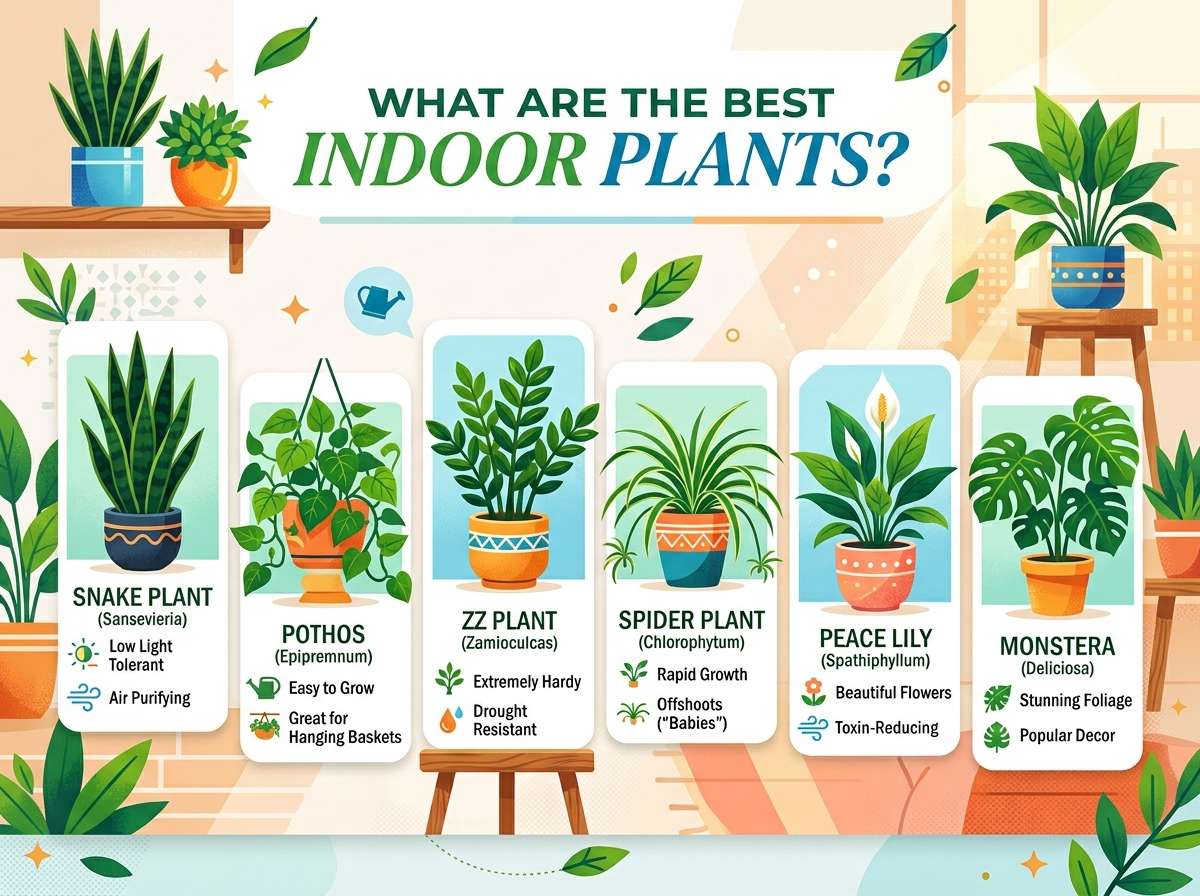
The snake plant stands out as one of the easiest houseplants to grow. This plant has tall, striped leaves that point upward and look modern and sleek in any room. The best part? It survives neglect. You can go weeks without watering, and it still does fine. The snake plant actually prefers to dry out between waterings. Overwatering hurts it more than forgetting to water.
This plant grows in low light, medium light, or bright light. It’s incredibly adaptable. Put it in a corner that never gets direct sun, and it keeps thriving. Snake plants clean the air by removing toxins, making them ideal for bedrooms or living areas. They grow slowly, so you don’t need to repot them often. Just stick it in a pot with drainage holes, give it water occasionally, and watch it do its thing.
Pothos (Devil’s Ivy)
Pothos has become a favorite for indoor gardening lovers everywhere. This trailing plant has heart-shaped leaves that cascade beautifully from hanging baskets or shelves. It grows quickly, so you get results fast. The name “devil’s ivy” comes from how hard it is to kill.
Pothos tolerates low light and inconsistent watering. You water it when the soil feels dry, which might be once a week or once every two weeks depending on conditions. This plant adapts to nearly any environment. Hang it, place it on a shelf, or put it on a table. The vines grow longer and longer, creating a lush, green display. Pothos also purifies indoor air, removing harmful chemicals from your home.
ZZ Plant
The ZZ plant has glossy, dark green leaflets arranged along stems that grow from rhizomes underground. This plant makes a bold statement in any room with its sculptural appearance. Like the snake plant, ZZ plants are incredibly hard to kill. They handle neglect better than most plants do.
This plant thrives in low light conditions, making it perfect for offices or bathrooms without windows. It tolerates dry air and irregular watering. Water it every two to three weeks, or even less often. The ZZ plant grows upright and compact, so it takes up minimal space. It’s also a powerful air purifier, making it a practical choice for any home.
Flowering Indoor Plants for Color and Life
If you want to add blooms to your indoor space, flowering plants bring vibrant colors and fresh fragrances.
African Violets
African violets produce beautiful flowers in shades of purple, pink, white, and blue. These compact plants stay small, so they fit nicely on windowsills or desks. They love bright, indirect light. Keep them near a window but not in direct sunlight. Direct sun can damage the leaves.
Water African violets by pouring water at the base of the plant, never on the leaves. Wet leaves can develop spots. Keep the soil consistently moist but not soggy. These plants enjoy humidity, so a bathroom works great for them. They flower regularly when given the right conditions, bringing pops of color to your home for months at a time.
Begonias
Begonias offer both attractive leaves and stunning flowers. Many varieties have interesting leaf patterns along with blooms in red, pink, white, or orange. They need bright, indirect light and consistent moisture. Don’t let the soil dry out completely, but avoid waterlogging it either.
Begonias like humidity, so misting the leaves helps them thrive. These plants reward regular care with continuous blooms. They add tropical vibes to any room and create a lush, garden-like atmosphere indoors.
Tropical and Statement Plants
Some indoor plants make bold statements with striking appearances and unique characteristics.
Monstera Deliciosa
The Monstera has become incredibly popular in recent times. This plant has large, heart-shaped leaves with distinctive holes in them. It’s the plant you see in every trendy interior design photo. Monsteras look dramatic and impressive, yet they’re surprisingly easy to care for.
This plant needs bright, indirect light. It grows quickly when conditions suit it. Water when the top inch of soil feels dry. Monsteras develop fenestrations (those cool holes) as they mature, making them even more beautiful over time. Give it room to climb or trail, and watch it fill up your space with greenery.
Rubber Plant
Rubber plants have large, deep green leaves that make a strong visual impact. They grow tall and upright, commanding attention in any corner. These plants need bright light but can adapt to medium light. Water when the soil surface feels dry.
Rubber plants appreciate humidity and benefit from occasional misting. They grow relatively quickly and can reach impressive heights indoors. Use them as floor plants or place them on sturdy tables. Their bold leaves add instant sophistication to any room’s decor.
Air-Purifying Plants for Healthier Indoor Air
You want your home to be healthy and fresh. These plants excel at removing toxins and improving air quality.
Spider Plant
Spider plants are classics for good reason. They have long, thin, green-and-white striped leaves that look elegant hanging from the ceiling or sitting on shelves. Baby plants form along the stems, creating a cascading effect.
Spider plants tolerate low light and irregular watering. They’re nearly impossible to kill. Hang them in a bright spot or keep them in medium-light areas. Water when the soil feels dry. These plants are safe for pets and homes with children. They’re also prolific air purifiers, making them essential for any plant collection.
Peace Lily
Peace lilies have dark green leaves and produce white flowers that stand upright on stems. These plants grow in low light areas that other plants struggle with. They literally tell you when they need water by drooping. Once you water them, they perk back up within hours.
This plant thrives in medium to low light, making it ideal for offices, bathrooms, and bedrooms without bright windows. It removes multiple types of toxins from the air. Peace lilies stay relatively compact, so they work in apartments and smaller spaces.
Hanging Plants for Vertical Gardening
Maximize your space by growing plants vertically. Hanging plants add greenery without taking up floor space.
String of Pearls
String of pearls has long strands with small, round leaves that resemble beads on a string. This trailing plant looks absolutely stunning in hanging baskets. It gives a whimsical, garden-like feel to any room.
This plant loves bright light. Place it near a sunny window. Water when the soil dries out completely. The plant stores water in its leaves, so it handles dry periods well. It grows quickly in the right conditions and creates dramatic displays of greenery.
Philodendron
Philodendrons are cousins of pothos and share similar easy-care traits. They have heart-shaped leaves and come in varieties with different leaf colors and patterns. Some philodendrons climb, while others trail beautifully from hanging containers.
These plants tolerate low to medium light and inconsistent watering. They grow quickly and adapt to various conditions. Philodendrons remove toxins from the air and look gorgeous trailing from shelves or hanging baskets.
Succulents and Cacti for Low-Water Living
If you forget to water regularly, succulents are your answer. These thick-leaved plants store water and thrive on neglect.
Aloe Vera
Aloe vera has practical and aesthetic value. The thick, fleshy leaves contain gel that’s useful for burns and skin care. The plant looks sculptural and modern in any space. Aloe needs bright light and well-draining soil. Water sparingly, only when the soil is completely dry.
Place aloe on a sunny windowsill. It grows slowly and takes minimal care. This plant prefers dry conditions, so it’s great for people who travel or have inconsistent schedules.
Jade Plant
Jade plants have thick, woody stems and oval leaves. They grow slowly and last for years with proper care. These plants look bonsai-like and add an elegant touch to any collection.
Jade plants need bright light and infrequent watering. Let the soil dry out between waterings. They develop a tree-like appearance over time, creating sculptural houseplants. These plants are long-lived and become more beautiful as they age.
Large Floor Plants to Fill Empty Corners
Transform blank spaces with tall, impressive plants that command attention.
Fiddle Leaf Fig
Fiddle leaf figs have enormous, violin-shaped leaves that make a bold statement. These plants grow tall and upright, filling vertical space beautifully. They’re popular in modern home design for their dramatic appearance.
Fiddle leaf figs need bright, indirect light. They prefer consistent watering but not soggy soil. Give them room to grow, and they reward you with impressive height and lush foliage.
Bird of Paradise
Bird of paradise plants have long, paddle-shaped leaves and eventually produce stunning orange and blue flowers. These plants bring tropical vibes indoors. They grow tall and wide, so use them in spaces with room.
This plant loves bright light. Water when the soil surface feels dry. The flowers are extraordinary and worth the wait for a mature plant.
Tips for Indoor Plant Success
Now that you know which plants to grow, here are practical tips to keep them thriving.
Get the Right Soil
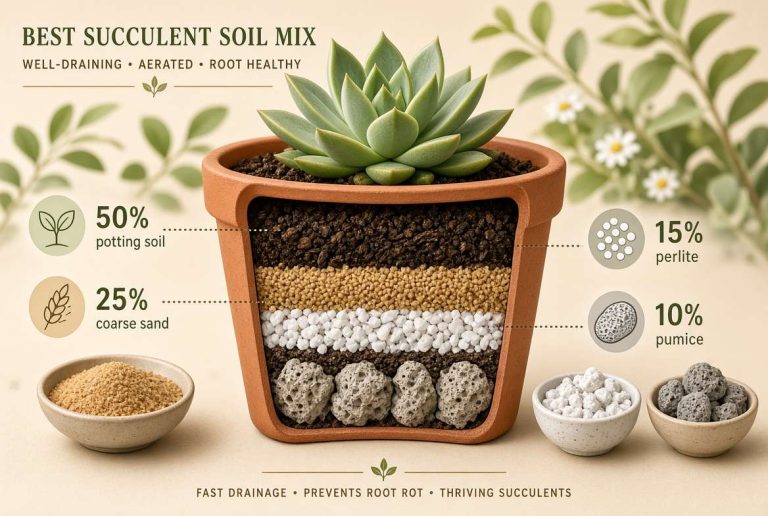
Use potting soil designed for houseplants, not garden soil. Potting soil drains better and contains the right nutrients. Different plant types sometimes benefit from specific soil mixes. Cacti and succulents need very well-draining cactus soil. Tropical plants often enjoy slightly richer, moisture-retaining soil. Always check what your specific plant prefers.
Master Watering
Watering is the biggest reason indoor plants fail. Most people overwater. Stick your finger into the soil. If it feels moist, don’t water. If it feels dry, give it water until it drains from the bottom. Different plants need different watering schedules. Learn your plant’s specific needs.
Provide Adequate Light
Read about light requirements before bringing plants home. Put low-light plants in areas that don’t get bright sun. Place sun-loving plants near windows. If your home lacks bright windows, consider a grow light. Rotating plants occasionally helps them grow evenly.
Choose the Right Pots
Use pots with drainage holes. This prevents water from sitting at the bottom, which rots roots. Match pot size to your plant. A tiny plant in a huge pot stays too wet. A large plant in a small pot dries out quickly. Repot when your plant outgrows its container, usually once a year for fast-growing varieties.
Maintain Humidity
Some plants enjoy misting. Others prefer dry air. Tropical plants often like humidity. Misting the leaves occasionally helps. Grouping plants together creates a more humid microclimate. Bathrooms naturally offer humidity, making them great spots for humidity-loving plants.
Watch for Problems
Check plants regularly for pests like spider mites or mealybugs. Catch problems early. Also watch for signs of overwatering or underwatering. Yellowing leaves, brown tips, or drooping indicate issues. Adjust care based on what you observe.
Starting Your Indoor Plant Journey
Begin small with easy plants like pothos or snake plants. Once you get comfortable, expand your collection. Visit local plant shops and talk to staff about what grows well in your area. Join online plant communities for support and advice.
Track which plants work best in your home. Note lighting conditions, watering frequency, and how your plants respond. Keep notes in your phone or a notebook. Over time, you’ll become confident in caring for a variety of plants.
Remember that every gardener kills plants sometimes. It’s part of learning. Each plant teaches you something about gardening. Celebrate your successes and learn from failures. Your collection grows alongside your knowledge and confidence.
Creating an Indoor Plant Display
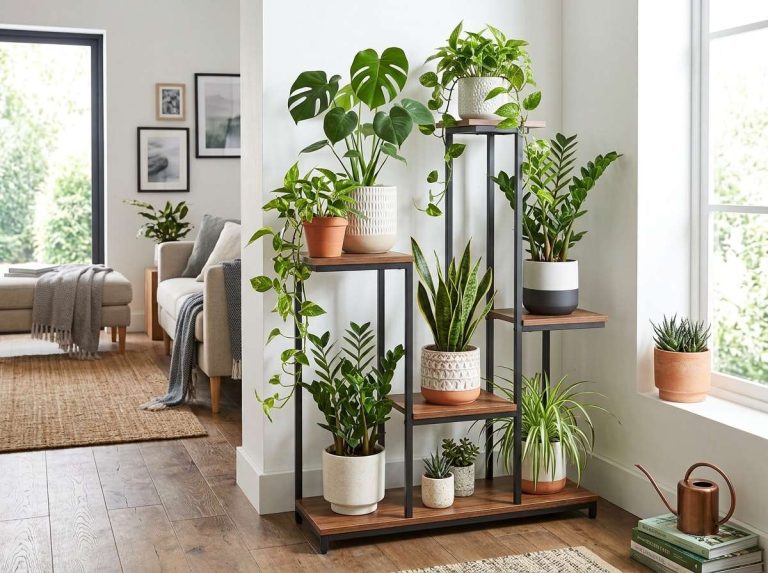
Think about how you want your plants to look. Mix different heights by using shelves, hanging baskets, and floor plants. Combine trailing plants with upright varieties. Mix flowering plants with foliage plants for visual interest. Group plants with similar care needs together.
Use decorative pots that match your style. Neutral colors like white, gray, or terracotta work with any decor. Colorful pots make bold statements. Plant stands and wall-mounted shelves maximize space in small rooms.
The Bottom Line
Indoor plants transform your home while improving air quality and boosting your mood. Start with easy, low-maintenance options. Learn what each plant needs and observe how it responds. Build your collection gradually. Soon you’ll have a thriving indoor garden that brings you joy every day.
Whether you’re living in a small apartment, a suburban home, or an office space, indoor plants fit into your life. They adapt to your environment and reward your care with growth and beauty. Begin your plant journey today and discover the pleasure of growing living things indoors.
Hi, I’m Mary, the founder of GardenCure.com. I’m passionate about creating healthy, beautiful gardens and well-kept lawns. I share practical experience and trusted advice on garden and lawn gear that truly works. With the support of my dedicated research team, our writers produce honest, in-depth reviews using reliable, authentic sources—helping you choose the right tools with confidence for your outdoor space.