How to Get Rid of Grubs?
Grubs are ruining your lawn. You know it. Your grass is patchy, brown, and dying from the inside out. The problem? Tiny white worms are eating away at your grass roots right now. Don’t worry. You can fix this.
In this article
This guide will show you everything you need to know about getting rid of grubs. You’ll learn what they are, why they’re destroying your lawn, and exactly how to eliminate them. By the end, your grass will be green and healthy again.
What Are Grubs, Really?
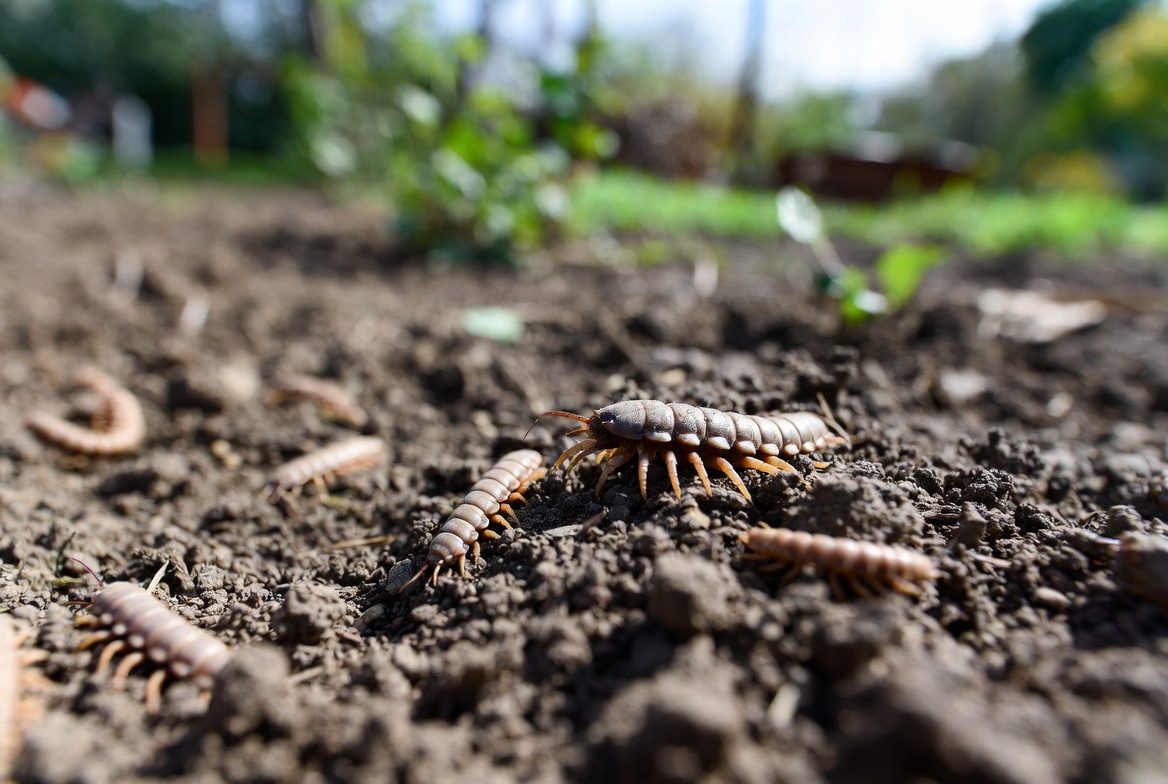
Grubs are the larval stage of beetles. Think of them as baby beetles. They look like tiny, fat, white worms with brown heads. These little pests live in the soil under your grass. They spend most of their time eating. And they eat a lot.
Most grubs are between one-half inch and one inch long. They have a soft body shaped like a “C.” You’ll find them in the top two to four inches of soil. This is where they feed on grass roots.
The main types of grubs you’ll deal with are:
- Japanese beetles: These leave the worst damage. Japanese beetle grubs are very hungry.
- European chafers: Similar to Japanese beetles. They cause the same problems.
- Asiatic garden beetles: Smaller but still destructive.
- June bugs: Their larva is a type of grub.
- Masked chafers: Another common lawn pest grub.
All of these grubs eat grass roots. They don’t eat the grass blades. They eat the roots holding your grass to the soil. Without roots, grass dies. That’s why you see dead patches in your lawn.
How Grubs Damage Your Lawn
Grub damage doesn’t happen overnight. It takes time. But once you notice it, the damage is already severe.
Here’s how the damage happens: Grubs eat grass roots. Grass roots can’t absorb water anymore. Without water, grass dies. Dead grass turns brown. Brown patches spread. Before long, you have large dead areas all over your lawn.
But there’s more. Dead grass doesn’t hold soil in place. Skunks, raccoons, and moles know this. They dig up your lawn looking for grubs to eat. They tear up huge sections of grass. Your lawn looks like something attacked it. That’s because something did.
The damage also invites weeds. Weeds love bare soil. They move in and take over. Now you have a dead lawn full of weeds.
Grubs are most destructive during spring and fall. This is when they’re actively eating. In summer, they go deeper into the soil to escape heat. In winter, they rest.
Signs Your Lawn Has Grubs
You need to catch grub problems early. The sooner you act, the easier they are to stop. Here are the signs to watch for:
Brown patches that pull up easily: If you tug on brown grass and it comes up like a rug, you have grubs. The roots are gone, so nothing holds the grass to the soil.
Soft, spongy lawn: A lawn with many grubs feels soft under your feet. It feels like you’re walking on a sponge. This happens because grubs create air pockets in the soil as they eat.
Increased animal activity: Skunks and raccoons dig holes in your lawn. They’re hunting grubs. You might see small cone-shaped holes. These are skunk damage.
Wilting grass despite watering: You water your lawn. The grass still wilts. This means the roots are damaged. Damaged roots can’t take up water.
Dead patches in late summer or early fall: Grub activity peaks at this time. Damage becomes visible.
Grass that’s easy to roll back: Your lawn becomes a thin layer over bare soil. It’s like laying sod. You can roll it back like carpet.
How to Identify Grub Infestations
You can’t just guess. You need to check for grubs. Here’s how to do it.
The Dig Test
This is the easiest method. Grab a shovel. Find a spot where you see dead or damaged grass. Dig down about three inches. Look for white, C-shaped grubs. If you find 10 or more grubs in one square foot, you have a problem. If you find fewer than 10, you’re okay.
Do this test in three or four spots around your lawn. You need to know how bad the problem is everywhere.
The Soap Flush Test
You’ll need water, a spray bottle, and dish soap. Mix one tablespoon of dish soap with one gallon of water. Spray this mixture over a small area of lawn. Watch for grubs to come up to the surface. They’ll come up in a few minutes. This test works fast and doesn’t hurt your lawn.
The Turf Sample Test
Cut out a square of turf about one foot by one foot. It should be about two inches deep. Search through the soil for grubs. Count how many you find. This gives you a clear picture of your grub problem.
Natural Ways to Get Rid of Grubs
Some people prefer natural methods. Natural grub control works, but it takes time. Results aren’t instant.
Beneficial Nematodes
Beneficial nematodes are tiny worms. They don’t hurt your lawn. Instead, they hunt grubs. Nematodes find grubs in the soil and kill them from the inside out. One nematode can kill one grub. But you need lots of nematodes working for you.
To use nematodes:
- Buy them online or at a garden store. They come in packages.
- Mix them with water based on package directions.
- Apply them to your lawn with a sprayer.
- Keep the lawn moist for a few days after application.
- Reapply every two weeks if needed.
Nematodes work best in spring and fall when soil is cool and moist. They die if the soil gets too hot or too dry.
Milky Spore
Milky spore is a bacterium that kills grubs. It’s safe for your lawn, pets, and kids. The bacteria infect grubs and make them sick. The grubs die.
Here’s how to use it:
- Buy milky spore powder or granules.
- Spread it over your lawn.
- Water your lawn.
- Let it sit.
Milky spore takes longer to work than other methods. It can take a full season to see results. But once it’s established, it keeps working for years.
Diatomaceous Earth
Food-grade diatomaceous earth is a powder made from fossilized algae. The powder has tiny sharp edges. When grubs touch it, the sharp edges cut their outer shell. The grubs dry out and die.
To apply it:
- Dust food-grade diatomaceous earth over your lawn.
- Reapply after rain.
- Keep applying every week or two.
Diatomaceous earth only works when it’s dry. Rain washes it away. This method takes time and effort.
Garlic and Neem Oil
Some people use garlic and neem oil sprays. Garlic has sulfur compounds. Neem oil comes from the neem tree. Both smell bad to grubs. Both can repel grubs, but they don’t kill them. They just send grubs to another lawn.
These are preventative measures. They work better before you have a big grub problem.
Chemical Grub Treatments
If natural methods aren’t working fast enough, you need chemical treatments. These work quickly and kill grubs within days. Chemical treatments are very effective.
Imidacloprid
Imidacloprid is a common grub killer. Brand names include Merit and Bayer. You mix it with water and spray it on your lawn. Or you buy it in granule form and spread it like fertilizer.
Imidacloprid works by poisoning the grub’s nervous system. Grubs die within a few days. It’s safe for pets and people when used as directed.
Clothianidin
Clothianidin is another grub killer. It works like imidacloprid. It poisons the grub’s nervous system. Brand names include Arena and Clutch.
Carbaryl
Carbaryl is an older pesticide. It still works on grubs. You apply it as a spray or granules. It kills grubs on contact.
When to Apply Chemical Treatments
Timing matters. Apply these treatments when grubs are young and active:
- Spring: Apply when soil reaches 70 degrees. Grubs are small and easy to kill.
- Fall: Apply in late summer or early fall. Grubs are big and hungry before winter.
Treating in summer doesn’t work. Grubs go deep into the soil to escape heat. Your treatment won’t reach them.
Steps to Kill Grubs in Your Lawn
Follow these steps to eliminate grubs:
Step 1: Confirm You Have Grubs
Don’t treat if you don’t have a problem. Do the dig test first. Make sure grubs are really the issue.
Step 2: Choose Your Treatment Method
Decide between natural and chemical. Both work. Natural methods take longer. Chemical methods work faster.
Step 3: Prepare Your Lawn
Mow your grass to normal height. Don’t bag the clippings. Let them stay. Water your lawn well one day before treatment.
Step 4: Apply Your Chosen Treatment
Follow package directions exactly. Don’t use more than recommended. More isn’t better. It doesn’t work faster.
If using granules, apply them evenly over your lawn. Use a spreader. Water right after application.
If using liquid, spray it evenly. Cover all areas. Don’t miss spots.
Step 5: Water Your Lawn
Water deeply after application. Most grub treatments need moisture to work. Water helps the treatment reach the grubs in the soil.
Step 6: Keep Watering
Continue regular watering for the next week or two. This keeps the treatment active in the soil.
Step 7: Monitor Your Lawn
Watch for improvement over the next week or two. Dead grubs break down in the soil. Living grass starts growing again. Brown patches start to fill in.
Preventing Future Grub Problems
Once you kill the grubs, don’t let them come back. Prevention is easier than treatment.
Keep Your Lawn Healthy
Healthy lawns resist grubs better. Here’s how to keep your lawn healthy:
- Mow at the right height: Cut grass to two to three inches. Don’t cut it too short.
- Water deeply but not often: Water less frequently but water deeply. This encourages deep roots.
- Use good fertilizer: Feed your lawn. Healthy grass can handle some grub damage.
- Aerate your lawn: Aeration loosens soil. It improves water absorption. It helps beneficial organisms.
Apply Preventative Treatments in Spring
Apply grub preventatives in spring before grubs hatch. Prevention treatments include:
- Imidacloprid (Merit)
- Clothianidin (Clutch)
- Thiamethoxam (Meridian)
These treatments kill grubs early in their life cycle. One application in spring can protect your lawn all season.
Use Grub Control Fertilizers
Some fertilizers include grub control. They combine plant food with grub killer. You feed your lawn and prevent grubs at the same time.
Encourage Natural Predators
Birds eat grubs. So do moles and shrews. A natural ecosystem keeps grub numbers low. Avoid using broad-spectrum pesticides. They kill beneficial insects.
Keep Lawn Thatch Under Control
Thatch is dead grass that builds up on the lawn. Grubs love thatch. They hide in it. Dethatch your lawn if thatch gets thick. Rake out the dead grass.
Overseed Your Lawn
Plant new grass seed in fall or spring. Overseeding creates a thick lawn. Thick lawns have better root systems. Better roots mean grubs do less damage.
What to Do About Skunk and Raccoon Damage
If skunks and raccoons dug your lawn, you have to fix that too. Here’s what to do:
Rake Out the Damage
Rake the torn-up areas. Pull out dead grass and debris. Loosen the soil underneath.
Apply Topsoil
Spread one-half inch of topsoil over the damaged areas.
Overseed
Spread grass seed over the topsoil. Use the same type of grass already in your lawn.
Water Well
Keep the seed area moist for two to three weeks. Don’t let it dry out.
Keep Off the Area
Don’t walk on the new seed. Let it grow.
In a few weeks, you’ll have new grass growing in the damaged spots.
Getting Rid of Grubs: Common Mistakes to Avoid
People often make mistakes when treating grubs. Here are the biggest ones:
Mistake 1: Treating Too Late
People wait until they see lots of damage. By then, the grub problem is huge. Treat as soon as you find grubs. Early treatment is easier and cheaper.
Mistake 2: Treating the Wrong Time of Year
Grubs go deep in the soil during summer. Treatments don’t reach them. Treat in spring or fall instead.
Mistake 3: Not Watering After Treatment
Many treatments need water to work. They wash into the soil with water. Without water, they don’t work well.
Mistake 4: Using Too Much Treatment
More isn’t better. Using too much doesn’t kill grubs faster. It just wastes money and can hurt your lawn.
Mistake 5: Not Following Up
One treatment might not be enough. You might need to treat again after two or three weeks. Follow package directions about reapplication.
Mistake 6: Ignoring Prevention
After you kill grubs, apply preventatives. One-time treatment isn’t enough. You need ongoing protection.
Mistake 7: Not Fixing Underlying Lawn Problems
Weak lawns get grubs. If your lawn is thin and unhealthy, you’ll always have grub problems. Build your lawn health.
FAQ About Grubs and Lawn Care
Do I need to treat my whole lawn or just the damaged areas?
Treat your whole lawn. Grubs spread. You might only see damage in one area, but grubs are probably under other parts too.
How long does it take to see results?
Chemical treatments kill grubs within a few days. You see results in one to two weeks as grass starts growing. Natural treatments take two to four weeks.
Is it safe to use grub treatments around kids and pets?
Most grub treatments are safe when used as directed. Keep kids and pets off treated areas for a few hours. Read the label. It tells you exactly when it’s safe.
Can I treat grubs myself or do I need a professional?
You can treat grubs yourself. It’s easy. Spread granules or spray liquid. Water your lawn. That’s it. Professionals can help if you’re not comfortable doing it yourself.
Why did my grub treatment not work?
Common reasons include: wrong timing, not enough water after application, using expired treatment, or not treating large enough areas. Make sure you’re following all directions.
Should I bag my grass clippings?
Leave clippings on your lawn. Clippings feed your soil. They help grass grow. Bagging clippings removes nutrients.
How often should I treat for grubs?
Apply preventative treatments once per year in spring. If you had a bad grub problem, treat again in fall. Most people only need spring treatment.
Can I treat while it’s raining?
Don’t treat during heavy rain. The treatment washes away. Wait for the rain to stop. Apply treatment when the forecast shows dry weather ahead.
What’s the best grub killer?
The best grub killer is the one you use correctly and on time. All common treatments work when applied properly.
Do beneficial nematodes really work?
Yes, they work. They take longer than chemicals. But they work without harsh pesticides. They’re a good choice for natural grub control.
Conclusion
Grubs are a real problem. But you can beat them. Follow the steps in this guide. You’ll kill the grubs. Your lawn will come back. And you’ll know how to prevent grubs from returning.
Start with the dig test. Find out if you really have grubs. Then choose your treatment method. Apply it correctly. Water well. Give it time to work.
In a few weeks, your brown patches will be green again. Your lawn will feel firm, not spongy. Your grass will be healthy. And grubs will be gone.
The key is acting fast. The sooner you treat, the better. Don’t wait. Your lawn is counting on you. Get rid of those grubs today.

Hi, I’m Mary, the founder of GardenCure.com. I’m passionate about creating healthy, beautiful gardens and well-kept lawns. I share practical experience and trusted advice on garden and lawn gear that truly works. With the support of my dedicated research team, our writers produce honest, in-depth reviews using reliable, authentic sources—helping you choose the right tools with confidence for your outdoor space.