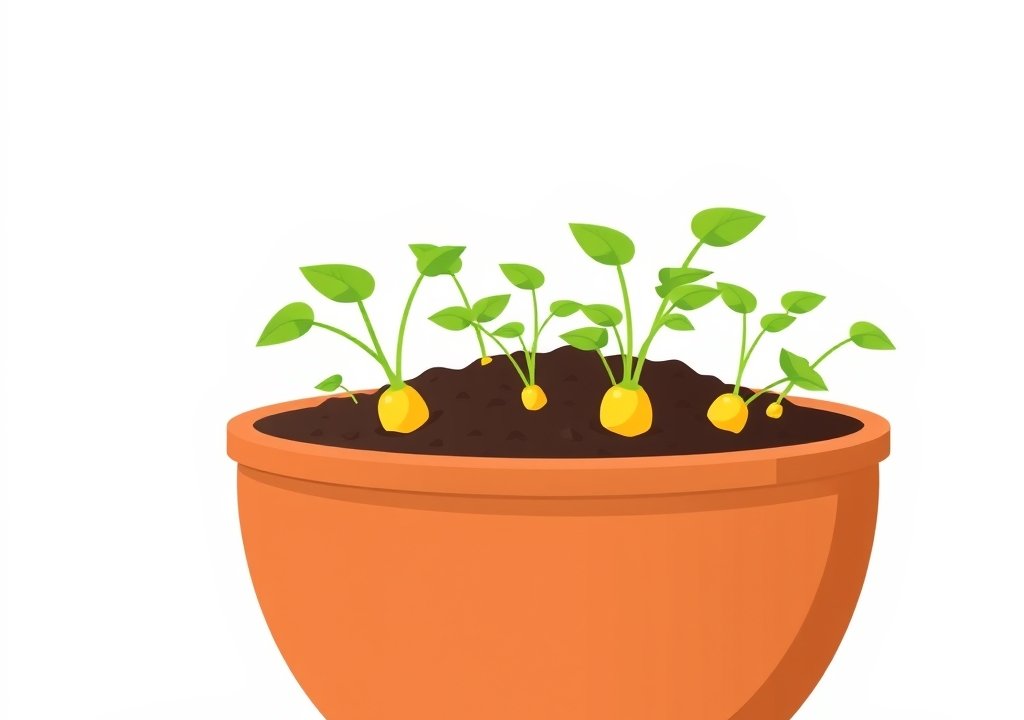
How To Plant Potatoes In A Pot
Key Takeaways
- Use large pots that hold at least ten to fifteen gallons of soil for best yields.
- Start with certified seed potatoes rather than standard grocery store spuds.
- Add soil gradually as the green stems grow taller to encourage more tubers.
- Keep the potting mix evenly moist but avoid waterlogged conditions.
What You Need to Grow Potatoes in Containers
Growing vegetables in limited spaces requires careful preparation. Container gardening makes it easy to harvest fresh crops without a traditional garden bed. Small patios, sunny balconies, and paved yards work well for this project.
In this article
Success depends on gathering the proper supplies beforehand. Having the right tools saves time and helps the plants thrive from day one. Good materials also prevent common diseases and rot.
Finding the Right Pot and Soil
Pot evaluation is the most crucial decision for container crops. A standard plastic bucket, fabric grow bag, or half barrel works well. The container must hold at least ten to fifteen gallons of volume.
Adequate drainage is vital for potato health. Ensure the bottom of the container has several large holes for water to escape. Poor drainage leads directly to root rot and ruined crops.
Standard garden dirt is usually too heavy and compacts easily in pots. Instead, buy a loose, well-draining potting mix. Mix in some compost or organic matter to provide steady nutrition.
Sourcing and Preparing Seed Potatoes
Beginners often wonder where to get planting material. Certified seed potatoes are disease-free tubers grown specifically for planting. Local garden centers and online nurseries sell them during the cooler months of the year.
Small seed tubers can be planted whole. Larger potatoes need to be cut into pieces before planting. Each piece must contain at least one visible bud, often called an eye.
Let the cut pieces dry out in a cool, dry room for a couple of days. A protective layer of callus forms over the cut surfaces. This simple step prevents the seed piece from rotting in damp soil.
Step-by-Step Guide to Planting Potatoes in a Pot
Putting the tubers into the container requires a specific method. Unlike seeds, potatoes need room to expand upward and outward. Following a structured process ensures the roots get enough support.
Patience during the planting phase pays off later in the growing cycle. Taking time to layer the soil correctly encourages a heavy harvest. Proper spacing gives every tuber enough room to grow.
Setting Up the Base Layer
Start with a clean container placed in its permanent sunny spot. Moving a heavy, full pot later is difficult. Place a mesh screen or coffee filter over the bottom drainage holes to keep soil inside.
Fill the bottom of the container with about four to six inches of prepared potting mix. Press the soil down gently to create a stable foundation. Avoid packing the mixture too tightly.
Mix a handful of organic fertilizer or bone meal into this base layer. This gives the developing roots an immediate nutrient boost. Next, the planting stage can begin.
Planting and Covering the Seed Potatoes
Arrange three to four prepared seed potato pieces on top of the soil base. Face the buds or eyes pointing upward toward the sky. Space the pieces evenly apart across the surface.
Cover the tubers with roughly three to four inches of additional potting mix. Water the soil gently to settle the material around the seed pieces. Make sure no tubers remain exposed to direct light.
As green shoots push through the surface, more work begins. The initial planting phase is simple, but ongoing care dictates the final harvest size.
Caring for Your Potted Potato Plants
Daily maintenance keeps container plants healthy and productive. Potted plants dry out faster than garden beds. Regular checks are necessary to catch issues early.
Consistent care prevents stress and encourages steady tuber development. Paying close attention to sunlight and moisture keeps the foliage green. Healthy leaves directly support underground growth.
Watering and Sunlight Requirements
Potato plants need plenty of direct sunlight to produce energy. Place the container in a spot that gets at least six to eight hours of direct sun daily. Shady locations result in weak vines and small tubers.
Moisture management takes practice in container gardening. Check the soil moisture by pushing a finger a few inches deep. Water thoroughly whenever the top inch feels dry to the touch.
Avoid letting the potting mix dry out completely during hot weather. On the other hand, standing water causes tubers to split or rot. Balance is key to keeping the root zone healthy.
Mounding Soil as the Plants Grow
Potatoes form along underground stems called stolons. Leaving these stems buried encourages more tubers to form. This process is known as hilling or mounding.
Allow the green shoots to grow about six to eight inches tall. Add more potting mix around the stems, leaving the top few leaves exposed. Repeat this process every few weeks as the plant grows.
Stop adding soil once the container is nearly full to the rim. By this point, the plant naturally bushy and dense. The root system is now well established.
How to Harvest and Store Container Potatoes
The final stage of the growing cycle brings rewarding results. Knowing when to gather the crop ensures the best flavor and texture. Proper handling prevents bruising.
Container harvesting is much easier than digging in garden dirt. Instead of a shovel, gardeners simply tip the pot over. This makes the process clean and straightforward.
Knowing When the Plants Are Ready
Potato foliage provides visual clues about maturity. After a few months, the green leaves start to turn yellow and dry out. This natural die-back means the tubers are reaching full size.
Some gardeners like to harvest a few small new potatoes early. For standard storage spuds, wait until the plant dies back completely. Cut off any remaining dead vines at the soil line.
Wait about ten to fourteen days after cutting the vines. This waiting period thickens the potato skin for better storage. The tubers detach easily from the underground roots.
Digging Up and Curing Your Harvest
Tipping the pot onto a tarp makes cleanup simple. Gently sift through the loose potting mix with your hands. Pull out each potato and brush off any clinging dirt.
Avoid washing the freshly harvested potatoes with water. Excess moisture invites mold and rot during storage. Instead, let them air dry in a dark, cool, and well-ventilated space for a few days.
Store the cured tubers in a paper bag, crate, or mesh basket. Keep them in a dark, cool room like a basement or pantry. Check the stash regularly and discard any soft spuds.
Frequently Asked Questions
Can I plant regular grocery store potatoes in a pot?
Grocery store potatoes often receive sprout-inhibiting treatments that stop them from growing. They may also carry hidden plant viruses or fungal diseases. Certified seed potatoes from a garden center are always a safer and more reliable option.
How many seed potatoes should I put in a single pot?
A standard ten-gallon pot comfortably holds about three to four seed potato pieces. Crowding too many tubers into one container leads to competition for water and nutrients. Giving each plant adequate space results in larger, healthier spuds.
Do I need special fertilizer for potted potatoes?
Standard all-purpose organic vegetable fertilizer works very well for container potatoes. Slow-release granules mixed into the soil provide steady nutrition over several months. You can also supplement with liquid organic fertilizer every few weeks.
How often do container potatoes need to be watered?
Potted plants require more frequent watering than garden beds. During mild spring weather, watering every few days is usually sufficient. In the peak of summer, daily watering may be necessary to keep the root zone damp.
Can I reuse the soil after harvesting my potatoes?
It is best not to reuse old potting mix for potatoes or related nightshade crops. Spent soil often harbors lingering plant diseases and pests from the previous season. You can safely dump the old mix into flower beds or compost piles.
Conclusion
Growing potatoes in containers is a practical project for any sunny outdoor space. Success comes down to using large pots, good potting mix, and certified seed potatoes. Regular watering and mounding soil maximize the final harvest.
Harvesting fresh tubers from a simple bucket brings great satisfaction. With a little patience, anyone can enjoy a homegrown potato crop on a patio. Follow these straightforward steps to get started right away.

Hi, I’m Mary, the founder of GardenCure.com. I’m passionate about creating healthy, beautiful gardens and well-kept lawns. I share practical experience and trusted advice on garden and lawn gear that truly works. With the support of my dedicated research team, our writers produce honest, in-depth reviews using reliable, authentic sources—helping you choose the right tools with confidence for your outdoor space.