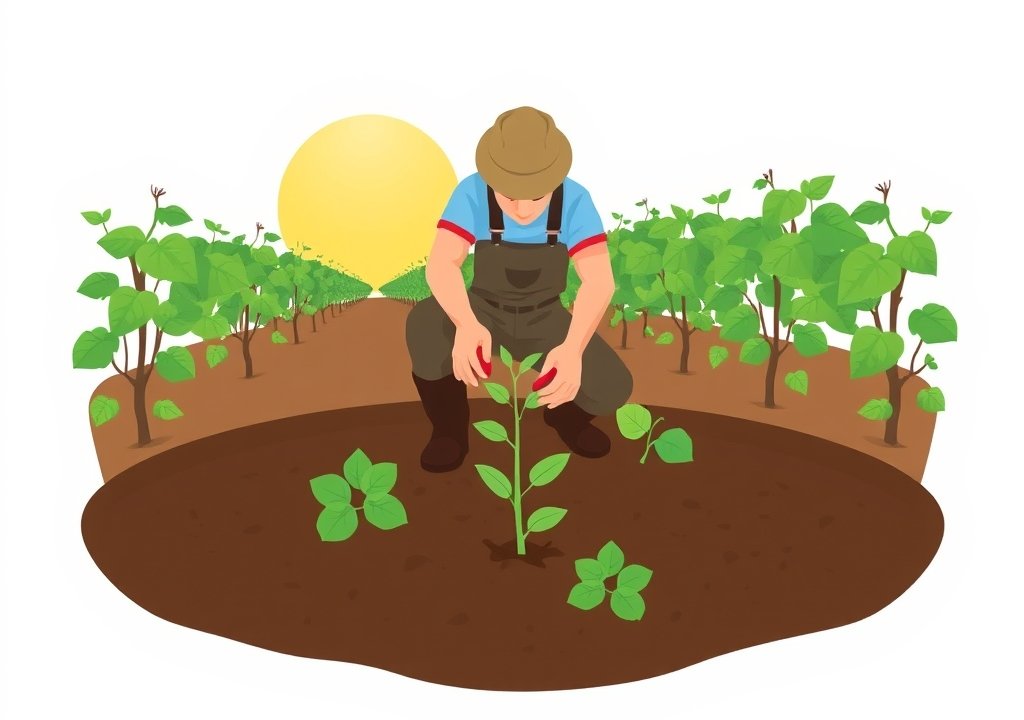
How To Plant Watermelon
Introduction
Learning how to plant watermelon brings a rewarding harvest of sweet, juicy fruit to any backyard garden. These sprawling vines need proper care to thrive from a tiny seed into a large, refreshing melon.
In this article
This guide explains the entire growing process in simple terms. New gardeners will learn about soil prep, planting steps, and seasonal care without getting overwhelmed by jargon.
Key Takeaways
- Watermelons need full sun and warm temperatures to grow properly.
- Rich, well-draining soil helps the sprawling vines produce healthy fruit.
- Proper spacing between plants prevents crowding and disease.
- Consistent watering keeps the developing melons sweet and juicy.
What Watermelons Need to Grow
Watermelon plants have specific needs before they can produce fruit. Giving them the right environment right from the start makes a big difference.
Sunlight and Temperature Requirements
These plants love heat and need at least eight hours of direct sunlight every day. They struggle in cool weather and will not grow well if temperatures drop too low.
Soil temperature matters just as much as air temperature. Gardeners usually wait until the soil warms up completely in the spring before planting anything outdoors.
Soil and Watering Basics
Loose, sandy loam soil works best for these trailing vines. Heavy clay holds too much water and can rot the root system.
Good drainage prevents excess moisture from pooling around the roots. Mixing organic compost into the garden bed before planting gives the vines a strong nutrient boost.
When to Plant Watermelon Seeds
Timing plays a major role in successful fruit production. Because these vines are sensitive to frost, timing depends entirely on local weather patterns.
Seeds or young transplants go into the ground only after all danger of frost has passed. Planting too early leaves the tender shoots vulnerable to cold damage.
In cooler regions, some growers start seeds indoors in small pots a few weeks ahead of time. That way, sturdy young plants are ready to move outside as soon as the weather turns warm.
Step by Step Guide to Planting Watermelon
Putting seeds or seedlings into the ground requires a careful approach. Following a clear sequence helps the young roots establish quickly.
Preparing the Garden Bed
Clear the planting area of weeds, rocks, and debris. Rake the soil smooth to create a clean surface for the seeds.
Many gardeners shape the soil into small raised mounds, often called hills. These mounds warm up faster in the sun and help drain away heavy rain.
Sowing Seeds or Transplants
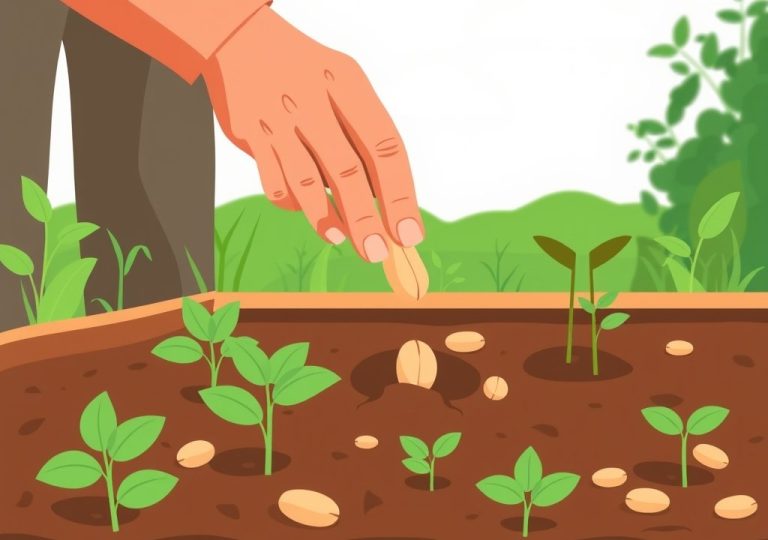
Push each seed about an inch deep into the soil. If using nursery transplants, dig a hole just slightly larger than the root ball.
Press the surrounding earth gently to secure the plant. Water the area thoroughly right after planting to settle the soil around the roots.
Spacing and Trellising Tips
Vines take up a lot of space as they spread across the ground. Leave several feet of empty space between each planting mound to prevent crowding.
On the other hand, smaller varieties can grow on sturdy trellises to save yard space. Just remember to support the heavy hanging fruit with cloth slings as they grow.
Caring for Your Watermelon Plants Throughout the Season
Once the vines start growing, ongoing maintenance keeps them healthy. Regular checks help catch minor issues before they turn into major problems.
Watering and Fertilizing Best Practices
Deep watering encourages the roots to grow downward rather than staying near the surface. Aim the water directly at the soil to keep the leaves dry and prevent fungal issues.
Feed the vines with a balanced garden fertilizer when they first start to run. Reduce nitrogen fertilizer once flowers appear, as too much foliage slows down fruit production.
Managing Weeds and Pests
Pull weeds gently by hand around young vines to avoid damaging shallow roots. Spreading a layer of straw mulch around the plants helps block weed growth and holds in moisture.
Watch for common garden insects like cucumber beetles and aphids. Inspecting the undersides of leaves regularly lets you spot pests early.
Frequently Asked Questions
How long does it take for a watermelon to grow from seed?
Most varieties take between eighty and one hundred days to reach full maturity. The exact timeline depends on the specific seed variety and local weather conditions.
Do watermelons need a lot of water?
Yes, these plants need about an inch of water each week from rain or irrigation. Consistent moisture is especially important while the fruit is actively growing and sizing up.
Can I grow watermelons in pots on a patio?
Yes, compact bush varieties can grow successfully in large containers on a sunny patio. The pot needs to hold at least fifteen to twenty gallons of soil and feature good drainage holes.
How do I know when my watermelon is ripe and ready to pick?
Check the bottom spot where the melon rests on the ground. A creamy yellow or buttery color indicates ripeness, whereas a white or pale green spot means it needs more time.
Do watermelon plants need bees for pollination?
Yes, these plants produce separate male and female flowers that rely on bees to transfer pollen. Keeping the garden welcoming to pollinators ensures a strong harvest of fruit.
Conclusion
Growing watermelons takes patience, warmth, and proper spacing. By providing rich soil, plenty of sunshine, and consistent water, gardeners can enjoy a sweet harvest right from the backyard.
Simple routine care keeps the sprawling vines healthy throughout the warm season. Following these basic steps makes the entire growing process straightforward and rewarding.

Hi, I’m Mary, the founder of GardenCure.com. I’m passionate about creating healthy, beautiful gardens and well-kept lawns. I share practical experience and trusted advice on garden and lawn gear that truly works. With the support of my dedicated research team, our writers produce honest, in-depth reviews using reliable, authentic sources—helping you choose the right tools with confidence for your outdoor space.