How To Care For A Dragon Tree
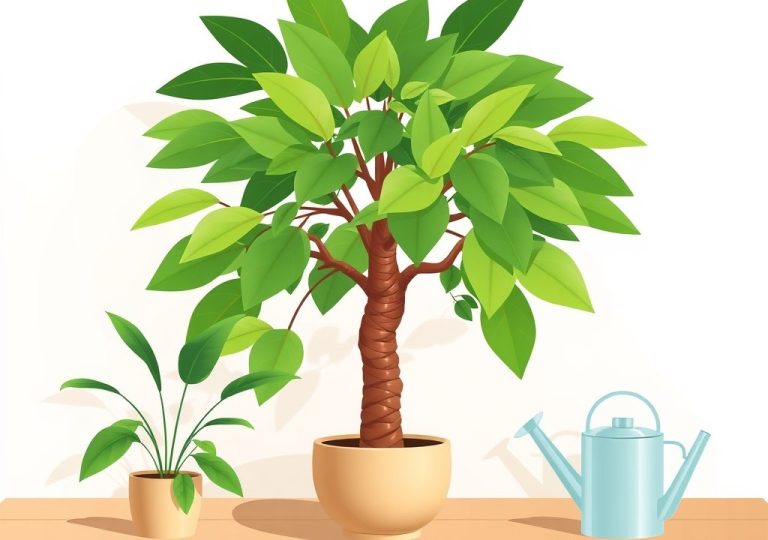
The dragon tree is a popular houseplant known for its spiky, architectural leaves and easy-going nature. This guide covers the essential steps you need to learn how to care for a dragon tree to keep your plant healthy, vibrant, and thriving in your home. You will learn about the ideal light, water, and soil conditions for your dragon tree. We also cover common mistakes to avoid so you can enjoy your plant for many years to come.
In this article
Key Takeaways
- Provide bright, indirect light to maintain leaf color and sturdy growth.
- Water only when the top inch of soil feels dry to prevent root rot.
- Use well-draining soil and a pot with drainage holes to keep roots healthy.
- Wipe leaves occasionally to remove dust and allow the plant to breathe.
Ideal Light Conditions for Your Dragon Tree
Finding the Right Spot in Your Home
Dragon trees thrive when they receive plenty of bright, indirect sunlight. Think of a spot near a window that has a sheer curtain or a location a few feet away from a sunny glass door. While they can tolerate lower light levels, their growth will slow down significantly in dark corners. Avoid placing your plant in direct, harsh sun for long periods. Direct rays can scorch the leaves and leave unsightly brown patches. If you notice the plant leaning heavily toward a light source, rotate the pot periodically to encourage even growth on all sides.
Signs of Too Much or Too Little Light
Plants communicate their needs through their physical appearance. If a dragon tree receives too little light, the leaves may lose their deep green color and start to look pale or thin. You might notice the distance between leaves on the stem increasing, which creates a leggy, stretched-out look. On the other hand, too much direct light causes stress. Leaves may develop bleached or yellow spots that eventually turn into dry, brown tissue. If the plant shows these signs, move it further from the window or add a filter to the light source. Consistency is the goal for a happy, healthy dragon tree.
Watering Your Dragon Tree the Right Way
Checking Soil Moisture Levels
Watering is the most frequent area where houseplant owners struggle. The dragon tree prefers its soil to dry out slightly between waterings. Before adding water, press your finger about one inch deep into the potting mix. If it feels damp, wait a few more days before checking again. When the soil feels dry to the touch, add water until it begins to drain from the bottom of the pot. Empty the saucer underneath the pot afterward. Allowing the plant to sit in standing water is a common cause of root damage and decay.
Avoiding Common Watering Mistakes
Many people water on a rigid schedule, such as once a week. This approach often leads to problems because the plant’s needs change based on temperature and humidity. Instead of a calendar, rely on the physical state of the soil. Also, consider the quality of your water. Dragon trees can be sensitive to fluoride and other chemicals often found in tap water. If you notice brown tips, try using filtered or distilled water. This small change often results in greener, healthier foliage over time.
Soil, Potting, and Fertilizer Needs
Picking the Best Potting Mix
A dragon tree requires soil that drains water quickly. Standard potting mixes can sometimes hold too much moisture, which puts the roots at risk. Look for a mix labeled for houseplants or tropical plants that includes perlite or sand. These materials create air pockets and help excess water move through the soil. Always use a container that has at least one drainage hole at the bottom. Without a way for excess water to escape, the soil remains soggy and prevents oxygen from reaching the roots. If you find a decorative pot you love that lacks a hole, use it as a cover pot by placing the plant inside its original plastic nursery container first.
Feeding Your Plant for Healthy Growth
These plants are not heavy feeders. They do best with a balanced liquid fertilizer applied during the growing season. Use a standard houseplant fertilizer diluted to half of the recommended strength. Apply this periodically throughout the spring and summer. Stop fertilizing entirely during the colder periods when the plant enters a period of slower growth. Adding nutrients when the plant is not actively growing can cause salt buildup in the soil. This buildup often leads to root burn and yellowing leaves. Keep the care routine simple and steady.
Managing Humidity and Temperature
Dragon trees enjoy the stable temperatures found in most homes. They prefer a range between 65 and 80 degrees Fahrenheit. Keep your plant away from cold drafts, such as those near air conditioning vents or drafty windows. Sudden temperature swings can cause the plant to drop leaves prematurely. While they tolerate average home humidity, these plants appreciate a little extra moisture in the air. If the air in your home is very dry, consider using a humidifier nearby. You can also mist the leaves occasionally, though this is optional. Keeping the leaves free of dust with a damp cloth helps the plant process light and moisture more efficiently.
Troubleshooting Common Plant Issues
Dealing with Brown Tips on Leaves
Brown, crispy leaf tips are a frequent sight on many indoor plants. In the case of the dragon tree, this often points to low humidity or an accumulation of minerals from tap water. Start by checking your watering habits to ensure the soil is not staying wet for too long. If your watering is correct, try increasing the humidity levels near the plant. You can also switch to using distilled water to see if the mineral sensitivity decreases. If the brown tips bother you visually, use clean, sharp scissors to trim the dead tissue. Cut just inside the healthy green part to keep the leaf looking natural.
Identifying Pests and How to Remove Them
Pests can occasionally find their way onto indoor plants. Keep an eye out for small, cotton-like white spots on the undersides of leaves or along the stems. These are often mealybugs. Another common pest is the spider mite, which creates tiny, delicate webs between leaves. If you spot pests, isolate the plant immediately to keep them from spreading to your other greenery. Wipe the leaves down with a soft cloth dipped in mild soapy water or use a neem oil solution. Check the plant regularly until you are certain the pests are gone. Catching an infestation early makes it much easier to manage.
Frequently Asked Questions
Is the dragon tree toxic to pets?
Yes, the dragon tree is toxic to cats and dogs if ingested. It contains compounds that can cause symptoms such as vomiting, drooling, or loss of appetite. It is best to place the plant in a location where your pets cannot reach it.
How often should I repot my dragon tree?
You should repot your dragon tree only when it becomes root-bound. Look for signs like roots growing out of the drainage holes or the soil drying out extremely fast. Select a new pot that is only one or two inches larger than the current one.
Why are the lower leaves turning yellow and falling off?
It is natural for the oldest, lowest leaves to yellow and drop as the plant grows taller. This is part of the plant’s normal life cycle. However, if many leaves turn yellow at the same time, it could indicate overwatering or a lack of light.
Can I propagate a dragon tree from cuttings?
Yes, you can propagate these plants using stem cuttings. Simply cut a healthy stem, remove the lower leaves, and place the stem in a jar of water or directly into moist potting mix. Keep it in bright, indirect light until new roots develop.
Do dragon trees need direct sunlight?
No, dragon trees do not need direct sunlight and can actually suffer from it. Direct sun often burns their foliage, causing brown, brittle spots. They perform best in bright, filtered light where they receive the energy they need without the risk of heat damage.
Conclusion
Caring for a dragon tree is a straightforward process that rewards you with a beautiful, tall, and resilient houseplant. By focusing on bright, indirect light and careful watering, you create an environment where the plant can thrive for years. Remember to check the soil moisture before adding water and keep the leaves clean to support healthy growth. If you encounter issues like brown tips or pests, address them early with minor adjustments to your care routine. These plants are forgiving and adaptable, making them a great choice for any home. With a little patience and consistency, your dragon tree will remain a vibrant part of your indoor space.

Hi, I’m Mary, the founder of GardenCure.com. I’m passionate about creating healthy, beautiful gardens and well-kept lawns. I share practical experience and trusted advice on garden and lawn gear that truly works. With the support of my dedicated research team, our writers produce honest, in-depth reviews using reliable, authentic sources—helping you choose the right tools with confidence for your outdoor space.