How To Care For A Dahlia
Dahlias are popular garden flowers known for their vibrant colors and intricate petal shapes. Planting them in containers or garden beds is a rewarding way to enjoy blooms throughout the summer and into the fall. In this guide, you will learn the essential steps for keeping these plants healthy. You will discover how to provide the right amount of light, water, and winter protection. By following these basic gardening practices, you can successfully grow these striking flowers even if you are a beginner.
In this article
Key Takeaways
- Provide at least six to eight hours of direct sunlight each day for optimal blooming.
- Ensure the soil drains well to prevent the tuberous roots from rotting.
- Water deeply and regularly, especially during periods of dry or hot weather.
- Protect tubers from freezing temperatures by lifting and storing them indoors during winter.
Planting Your Dahlias for Success
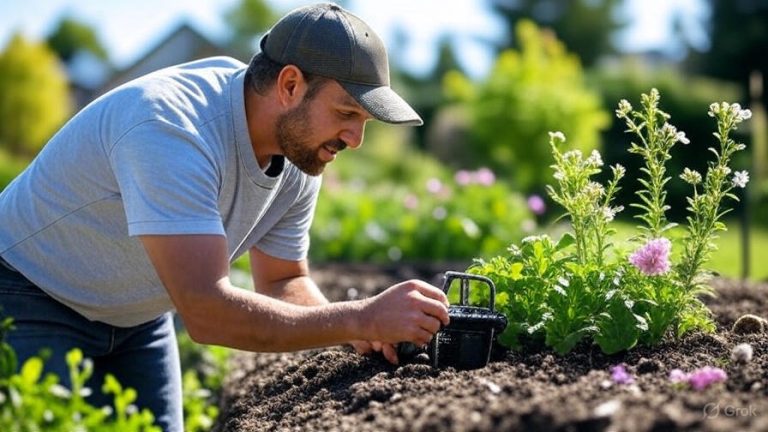
Dahlias grow from tuberous roots, often called tubers. These structures store energy for the plant. Successful growth starts with providing the right environment at the very beginning of the season. Use a garden fork to loosen the dirt before you dig your planting holes.
Finding the Right Spot for Sunlight
These plants thrive in sunny locations. They require plenty of light to produce their signature large flowers. Aim for a spot that receives at least six to eight hours of direct sun daily. In hotter climates, some light afternoon shade can help protect the petals from intense heat. Too much shade often leads to weak, spindly stems and very few flowers. Observe your garden area to see how the light moves throughout the day. Consistent light exposure encourages the plant to direct its energy into producing buds.
Preparing the Soil for Drainage
Soil quality is a major factor in plant health. Dahlias prefer loose, well-draining soil that is rich in organic matter. They do not like sitting in wet, heavy clay soil. If your garden has heavy soil, add compost or peat moss to improve the texture. Good drainage prevents the tubers from rotting after heavy rains. If the soil stays soggy for too long, the roots will fail to thrive. You can test drainage by filling a hole with water and observing how quickly it empties.
Spacing Your Tubers Correctly
Give each plant enough room to spread out. Air circulation is important to prevent fungal diseases like powdery mildew. Most varieties need about 18 to 24 inches of space between them. Large, tall varieties may require even more room to accommodate their wide root systems. Check the specific height of the variety you purchase. Proper spacing ensures that each plant receives adequate light and airflow as it matures. Ample room also makes it easier to reach the base of the plant for watering and weeding.
Watering and Feeding Requirements
Consistent moisture is the secret to a productive dahlia patch. These plants grow quickly and need energy to produce their heavy blooms. Regular attention to their water and nutrient intake pays off.
How Often to Water
Dahlias need regular water, but they do not like being waterlogged. Check the soil moisture frequently during the growing season. If the top inch of soil feels dry, it is time to water. Water at the base of the plant rather than spraying the leaves. Wet foliage can encourage diseases. During especially dry or hot weeks, increase the frequency to keep the soil consistently moist but not saturated.
Fertilizing for Stronger Blooms
A balanced fertilizer helps support steady growth. Look for a formula with lower nitrogen levels, as too much nitrogen encourages leaves rather than flowers. A ratio such as 5-10-10 is often recommended. Apply fertilizer when you first plant the tubers. Repeat the application every few weeks throughout the summer. Stop fertilizing in late summer to allow the plant to prepare for its dormant period.
Maintenance Tips for Healthier Plants
Routine care helps keep dahlias looking tidy and vigorous. A few simple tasks performed regularly will improve the quality of your floral display. These steps take little time but offer big rewards.
Staking Tall Varieties
Many dahlias grow quite tall and produce heavy flowers. Without support, strong winds or heavy rain can snap the stems. Staking is a standard practice to keep the plants upright. Place a sturdy stake into the ground when you plant the tuber. This avoids damaging the roots later. As the plant grows, tie the stems to the stake using soft garden twine or strips of cloth.
Deadheading Spent Flowers
Removing old blooms is a process known as deadheading. It encourages the plant to put energy into creating new flowers instead of seeds. Snip off faded flowers just above the first set of healthy leaves. Check your plants every few days for dead blooms. This simple act keeps the garden looking neat. It also helps extend the flowering period deep into the autumn months.
Protecting Dahlias During Winter
Dahlias are not frost-tolerant. In areas where the ground freezes, they cannot stay in the garden year-round. You must remove and store them to ensure they survive until the next season.
Lifting Tubers in Cold Climates
Wait until the first light frost turns the foliage black. Use a garden fork to gently lift the clump of tubers from the soil. Work carefully to avoid cutting or damaging the skin of the tubers. Shake off excess soil once the tubers are out of the ground. Trim the stems back to a few inches above the tuber clump. Let them air dry in a cool, sheltered spot for a few days before storage.
Storing Tubers Properly
Place the cleaned, dry tubers in a box or crate. Use a material like peat moss, wood shavings, or vermiculite to pack them. This keeps them from drying out completely while preventing rot. Store the box in a dark, cool, and dry place where temperatures stay above freezing. Check the tubers occasionally during the winter. If any appear shriveled, a light mist of water can help them recover.
Frequently Asked Questions
When should I start planting dahlia tubers?
Wait until all risk of frost has passed and the soil has warmed up in the spring. Planting in cold, wet soil can cause the tubers to rot before they sprout. Ensure the ground is workable and dry before you begin.
Do dahlias need full sun or shade?
Dahlias perform best in full sun, which means at least six to eight hours of direct light daily. While they can tolerate light shade, they will produce fewer blooms and weaker stems. A sunny location is essential for healthy, vibrant flowers.
How do I know if my dahlia needs water?
Check the soil by inserting your finger about an inch deep into the earth. If it feels dry, the plant needs water. Wilting leaves can also be a sign of dehydration, though this may also occur during the hottest part of the day.
Should I prune my dahlia plants?
Pruning is not required, but pinching the central stem when the plant is young can encourage bushier growth. Remove the top few inches of the main shoot to promote side branching. This technique results in more stems and more flowers later on.
Can I grow dahlias in pots?
Yes, dahlias grow well in containers if the pot provides enough space and good drainage. Choose a large pot with drainage holes at the bottom to prevent water buildup. Use a high-quality potting mix and ensure the container gets plenty of sunlight.
Conclusion
Caring for dahlias involves meeting a few basic needs for light, water, and soil quality. By providing a sunny spot with well-draining earth, you create the foundation for a successful garden. Regular watering and the occasional application of fertilizer support healthy, vibrant growth. Staking tall stems and removing spent flowers keep your display looking clean and productive throughout the season. Finally, lifting your tubers before the first hard frost protects your investment for the following year. These simple steps ensure you can enjoy these beautiful flowers with confidence.

Hi, I’m Mary, the founder of GardenCure.com. I’m passionate about creating healthy, beautiful gardens and well-kept lawns. I share practical experience and trusted advice on garden and lawn gear that truly works. With the support of my dedicated research team, our writers produce honest, in-depth reviews using reliable, authentic sources—helping you choose the right tools with confidence for your outdoor space.