How to Use a Garden Kneeler?
If you spend time tending to your plants, pulling weeds, or planting seedlings, your knees probably take a beating. Your back might ache too. That’s where a garden kneeler comes in. This simple tool transforms how you work in your garden and makes the whole experience so much easier on your body.
In this article
A garden kneeler is one of those tools that seems basic at first glance, but once you start using one, you’ll wonder how you ever gardened without it. Let me walk you through everything you need to know about these handy helpers.
What Exactly Is a Garden Kneeler?
A garden kneeler is a device designed to help you work at ground level comfortably. Think of it as a padded platform with handles. You kneel on the padded surface while tending to your garden, and those handles give you support when you need to stand back up.
Most garden kneelers have a simple structure. The base sits on four legs that spread out for stability. The top part is padded with foam or cushioned material to protect your knees. The handles stick up on both sides, making it easy to grip as you lower yourself down or pull yourself up.
Some kneelers also flip around to become a garden seat with a back support. Others are portable and lightweight, while some models are heavier and built for durability. The best garden kneeler for you depends on your needs and how you like to work.
Why You Should Use a Garden Kneeler
Your knees take real stress when you garden. Kneeling directly on the ground feels uncomfortable and puts pressure on your kneecaps. Over time, this can lead to pain and even injury.
A garden kneeler cushions your knees and distributes your weight more evenly. This reduces strain and keeps you comfortable during long gardening sessions. The padding acts as a barrier between your knees and the hard ground.
The handles are just as important as the padding. These sturdy grips help you get down and back up without putting strain on your back or putting all your weight on your knees. If you have knee pain, back pain, or just feel less steady on your feet, a garden kneeler becomes a game-changer.
Gardening becomes less of a chore when you’re not in pain. You can work longer and tackle more projects. Your body will thank you, and you’ll actually enjoy spending time in your garden beds.
Types of Garden Kneelers Available
Not all kneeling benches work the same way. Let’s look at the main styles you’ll find.
Standard Kneeling Bench
This is the most common type. It has a simple rectangular design with padding on top and handles on the sides. You kneel on it while working and use the handles to help you stand up. These are stable, affordable, and work great for most gardening tasks.
Flip-Over Garden Seat
These models flip so you can use them as both a kneeler and a seat. Kneel on one side with handles for garden work. Flip it over and sit on a bench seat that lets you face your plants while resting. This dual-purpose design is perfect if you like switching between kneeling and sitting while you work.
Portable Garden Bench
Lightweight and easy to move, portable kneelers fold up or come in compact designs. Some gardeners love these because they can take them from one bed to another without much effort. They work well for people who garden in multiple areas of their yard.
Cushioned Kneeler with Extra Padding
If you have extra-sensitive knees or arthritis, you might prefer a kneeler with thick foam padding. These models cost a bit more but provide maximum comfort. The extra cushioning makes a real difference if you spend hours working in your garden.
Metal Frame Kneelers
Built sturdy and meant to last for years, metal frame kneelers can hold more weight and resist wear. They cost more upfront but might save you money in the long run because they don’t need replacing as often.
Padded Garden Kneeling Cushion
This is the simplest option. It’s just a cushioned pad that sits on the ground. You don’t get handles for support, but it’s cheap, portable, and takes up almost no storage space. Many gardeners keep one of these as a backup.
How to Set Up Your Garden Kneeler
Getting your kneeler ready takes just a minute.
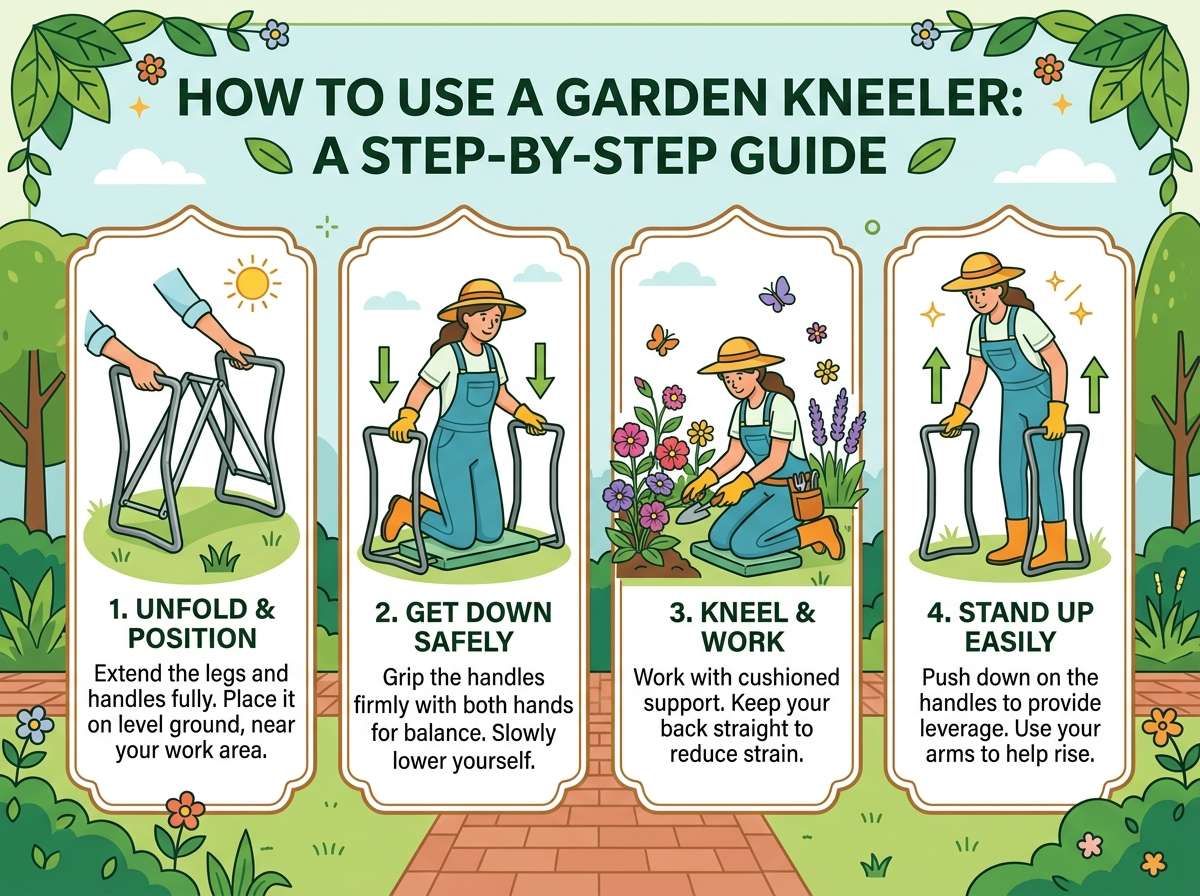
Start by finding a flat spot in your garden. You want level ground so your kneeler sits stable. If your lawn has bumpy or uneven areas, move to a better location. A wobbly kneeler defeats the purpose and can even be unsafe.
Place your kneeler on the ground with the handles pointing up. Make sure all four legs sit flat and don’t rock. Give it a gentle push to test the stability. If it moves a lot, adjust your location.
Check the padding. Press on it with your hand to make sure it’s firm but cushioned. If your kneeler has removable padding, take a moment to make sure it’s in place and secure.
If your kneeler came with a strap or bag, you can leave it behind at home. You’ll only carry your kneeler out to the garden when you need it.
The Right Way to Kneel
Now it’s time to get into position. This might seem simple, but doing it correctly protects your body.
Stand in front of your kneeler with the handles facing toward you. Look at the handles and grab both of them firmly. Lower yourself slowly while bending at your hips and knees. Don’t just drop down or fall onto the padding.
As you lower yourself, guide your weight into the kneeler. Feel your knees make contact with the padded surface. Make sure both knees are firmly on the cushion and centered on the platform. You don’t want one knee hanging off the edge.
Your body should lean slightly forward as you settle into position. This puts your weight over your knees instead of your hips and helps you balance better. You can use the handles to steady yourself as you find your comfortable spot.
Once you’re positioned, let go of the handles and get to work. You should feel stable and supported. If you don’t, stand back up and reposition your kneeler.
Getting Back Up Safely
Standing up from a kneeler is just as important as getting down. Do it wrong and you can strain your knees, hips, or back.
Grab both handles with a firm grip. Push yourself up by straightening your legs while pulling on the handles. Don’t twist your body or put all your weight on just one handle.
As you push up, lean your upper body forward slightly. This shifts your weight forward and makes the movement easier. Straighten your legs fully as you come to a standing position.
Take a moment to steady yourself once you’re standing. Your legs might feel a bit stiff if you knelt for a long time. Stretch gently before moving on to your next task.
Never try to stand up quickly or jerk yourself upright. These movements can hurt your joints. Slow and steady is always the better approach.
Garden Tasks That Work Best with a Kneeler
A kneeler helps for so many gardening jobs.
Weeding Your Garden Beds
Pulling weeds is why most people buy a kneeler. You can get close to the ground to grip weeds at the base. The kneeler keeps your knees happy while you work. You can pull weeds for longer without fatigue.
Planting Flowers and Vegetables
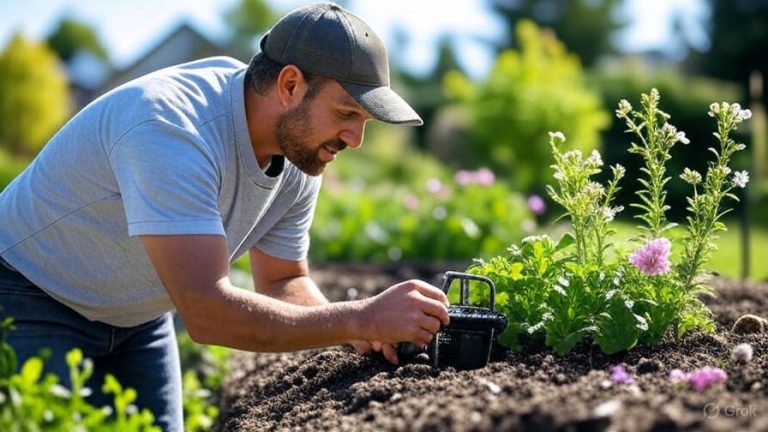
Digging small holes for seedlings, seeds, or bulbs is much easier from a kneeling position. You get better control and can see what you’re doing. The kneeler keeps you stable as you work with your hands in the soil.
Deadheading and Pruning
Removing dead flowers and pruning back plants often means working close to the ground. A kneeler puts you at the right height and keeps you comfortable while you clip and shape your plants.
Mulching Garden Beds
Spreading mulch around your plants requires getting down close. A kneeler lets you work steadily without constantly getting up and down. You can spread mulch evenly and tuck it around your plants.
Edging Garden Beds
Creating clean edges along flower beds or vegetable gardens means working at ground level. A kneeler gives you the right position and support for this detail work.
Watering and Inspecting Plants
Sometimes you need to get close to check for pests, disease, or water issues. A kneeler lets you examine your plants while staying comfortable.
Harvesting Vegetables
If you have low-growing crops like strawberries or lettuce, a kneeler helps you harvest without bending awkwardly. You can reach into plants more easily from a kneeling position.
Tips for Staying Comfortable While Kneeling
Long gardening sessions require more than just a good kneeler.
Take Breaks
Don’t kneel for more than thirty minutes without standing and stretching. Your body needs breaks. Get up, stretch your legs and back, and move around. Then return to your kneeler when you’re ready.
Dress Right
Wear long pants or gardening knee pads to protect your skin from the ground and debris. Even with padding, your knees can feel cold or damp if you’re kneeling on wet grass. Proper clothing makes a big difference.
Protect Your Hands
Wear garden gloves to keep dirt and debris away from your skin. They protect you from cuts, splinters, and chemicals. Good gloves make you feel more comfortable grabbing plants and soil.
Stay Hydrated
Drink water while you garden. Staying hydrated helps your muscles work better and keeps you from getting tired as fast. Keep a water bottle nearby and sip regularly.
Assess the Ground
Check where you’re placing your kneeler. Wet ground can be slippery. Rocky soil can be uncomfortable. Muddy areas might pull the padding down as you move. Pick the best spot available.
Stretch Before and After
A few gentle stretches before you start gardening warm up your muscles. Stretching after you finish helps prevent soreness. Focus on your legs, hips, and back.
Use Proper Posture
Lean slightly forward from your hips while kneeling. Don’t slump or hunch over. Good posture reduces strain on your back and helps you work more efficiently.
Maintaining Your Garden Kneeler
Your kneeler will last longer if you take care of it.
Clean It Regularly
Brush off dirt and debris after each use. Use a damp cloth to wipe down the padding and handles. Let it dry completely before storing it. A clean kneeler stays in better condition and lasts longer.
Check for Damage
Look over your kneeler regularly for torn padding, bent handles, or cracked plastic. Fix small problems before they get worse. If padding rips, you might be able to patch it or replace it.
Store It Properly
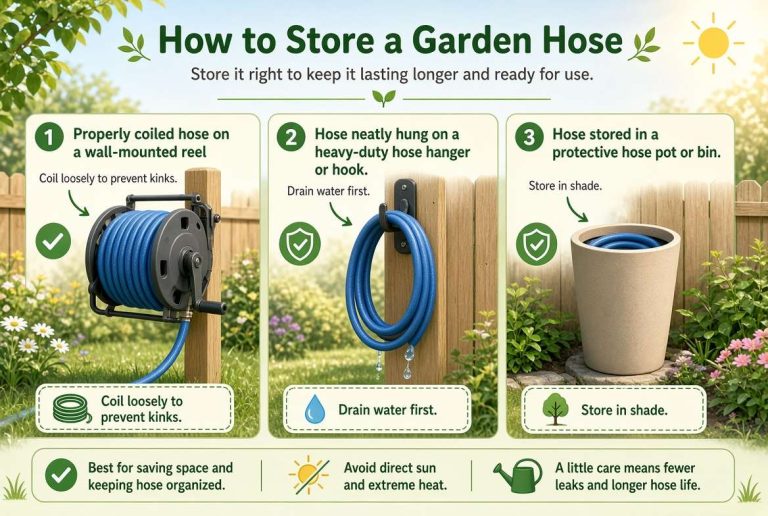
Keep your kneeler in a dry place like a garage or shed. Don’t leave it outside in harsh weather. Rain, sun, and temperature swings can damage the materials over time.
Replace Worn Padding
The padding eventually gets compressed and loses cushioning. Some kneelers let you replace just the padding. Check if your model allows this. If not, it might be time to invest in a new one.
Tighten Loose Bolts
If your kneeler has bolts or screws, check them once a year. Tighten any that have come loose from regular use. This keeps your kneeler stable and safe.
Store Seasonally
If you live somewhere cold, bring your kneeler inside before winter. Cold temperatures can make plastic brittle. Extreme heat in summer can warp some materials. Storing it inside protects it from these conditions.
Common Mistakes to Avoid
Learning from mistakes helps you use your kneeler better and stay safer.
Positioning on Uneven Ground
Never place your kneeler on bumpy, rocky, or sloped ground. It makes the kneeler unstable and uncomfortable. Take the extra minute to find flat, level ground.
Ignoring Pain
If your knees hurt while kneeling, stop. Pain is a signal that something is wrong. Either your kneeler isn’t positioned right or you need a different model. Don’t push through pain.
Staying in One Position Too Long
Working without breaks tires out your muscles and joints. Change positions, stand up, and stretch regularly. Your body will work better with regular breaks.
Using a Damaged Kneeler
A torn pad or bent handle makes your kneeler less effective. Fix or replace it rather than working with a broken tool. You’ll work faster and stay more comfortable.
Not Adjusting for Your Body
Everyone is different. What works for your neighbor might not work for you. If your kneeler doesn’t feel right, experiment with positioning or consider a different style. Your comfort matters.
Carrying Too Much Weight
Don’t try to haul heavy tools, water, or soil while balancing on your kneeler. Your stability and safety depend on keeping your hands free for the handles. Carry what you need separately.
Forgetting to Stabilize First
Always ensure your kneeler is stable before putting your full weight on it. A moment of checking pays off in safety and comfort.
Choosing the Right Kneeler for You
Different gardeners need different kneelers. Think about your situation.
Consider Your Space
How much room do you have to store a kneeler? If you have limited space, a portable or folding model works better. If storage isn’t an issue, a heavier-duty kneeler with more padding might be worth it.
Think About Your Knees
Do you have sensitive knees, arthritis, or previous injuries? Look for extra padding. If your knees feel fine, a standard kneeler does the job.
Match Your Gardening Style
Do you like to kneel and sit? Get a flip-over model. Do you move around a lot? Get a lightweight portable one. Do you work in one main bed? A sturdy stationary kneeler works great.
Check Your Budget
Kneelers range from ten dollars for a simple cushion to over a hundred dollars for high-end models. You don’t need the most expensive one, but investing a bit more gets you better quality and comfort.
Read Reviews
Look at what other gardeners say about different models. Real experiences help you pick something that actually works well. Pay attention to comments about comfort, durability, and ease of use.
Alternatives to Garden Kneelers
A kneeler isn’t the only option for protecting your body while gardening.
Raised Garden Beds
Building your beds higher means less bending and kneeling. This works great if you can rebuild your beds, but it’s a bigger project than buying a kneeler.
Garden Stools
A low stool lets you sit while you work. Some people prefer this to kneeling. The downside is less stability and less reach into plants.
Knee Pads
Simple pads that strap around your knees give some protection while you kneel directly on the ground. They cost very little but offer less comfort than a full kneeler.
Standing Tools
Long-handled tools let you work while standing. Weeding forks and cultivators can reach plants while you stay upright. This works for some tasks but not all.
Combination Approach
Many gardeners use several methods. They might use raised beds for some plants, a kneeler for detail work, and standing tools for larger areas. Finding what works best is part of the fun.
Seasonal Gardening with Your Kneeler
Different seasons bring different gardening tasks.
Spring Planting
Spring is when you’ll use your kneeler most. Planting seeds, seedlings, and bulbs all happen at ground level. Your kneeler becomes your best friend during these busy planting weeks.
Summer Maintenance
As plants grow, you’ll use your kneeler for weeding, deadheading, and staking. The warm weather makes gardening feel good, and your kneeler keeps you comfortable through long sessions.
Fall Cleanup
Planting fall crops and cleaning up summer growth uses your kneeler a lot. The cooler weather is perfect for getting outside, and your kneeler lets you work longer.
Winter Rest
In cold climates, your kneeler takes a break. Store it safely indoors and let it rest. In mild climates, you might still garden and use your kneeler throughout the winter.
Getting the Most Out of Your Investment
Your garden kneeler will serve you for years if you treat it right.
Use It Consistently
The more you garden, the more you’ll appreciate your kneeler. Use it for every project where you need to work close to the ground. Let it become part of your regular routine.
Learn Good Technique
Proper positioning and movement makes everything easier. The tips in this guide help you work more efficiently and stay more comfortable.
Keep It Clean and Maintained
A well-maintained kneeler lasts longer and works better. Regular cleaning and simple repairs extend its life significantly.
Consider Upgrading When Needed
If your original kneeler starts wearing out after years of use, upgrading to a better model is fine. You’ll know what features matter to you from your experience.
Final Thoughts
A garden kneeler is a simple tool that makes a huge difference. It protects your knees and back while letting you work more efficiently. You can spend longer in your garden doing what you love without pain holding you back.
Whether you have a small container garden or acres of beds to tend, a kneeler improves your gardening experience. It’s one of those tools that seems like a nice extra but becomes something you can’t imagine gardening without.
The investment is small compared to the comfort you gain. Your body will thank you every time you kneel in your garden. Start using a kneeler and discover how much better gardening feels when your knees are happy.
Get out there and enjoy your garden. Your kneeler has your back, literally.
Hi, I’m Mary, the founder of GardenCure.com. I’m passionate about creating healthy, beautiful gardens and well-kept lawns. I share practical experience and trusted advice on garden and lawn gear that truly works. With the support of my dedicated research team, our writers produce honest, in-depth reviews using reliable, authentic sources—helping you choose the right tools with confidence for your outdoor space.