How To Care For An Olive Tree
Caring for an olive tree is easier than many beginners expect. The tree is tough, long-lived and well suited to dry, sunny conditions. With the right light, water and soil, it can thrive in a garden or a large pot.
In this article
This guide covers the basics in plain words, including sunlight, watering, soil, feeding, pruning, pests and common mistakes.
Key Takeaways
- Olive trees need plenty of direct sun and good drainage.
- Water deeply but let the soil dry out between waterings.
- Use a gritty, fast-draining mix, especially in containers.
- Prune lightly and protect the tree from hard frost.
- Watch for overwatering, which causes most long-term problems.
Olive Tree Basics for Beginners
An olive tree is an evergreen from the Mediterranean region. It grows slowly and can live for many decades. Its silvery-green leaves help it handle heat and drought.
The tree prefers dry, sunny conditions. Soggy soil and cold, wet winters are its main enemies. Most care mistakes come from forgetting this.
What an Olive Tree Needs to Thrive
Olive trees need strong light, well-drained soil, moderate water and mild temperatures. Feeding and pruning support these basics but do not replace them.
When one of these is missing, the tree often shows stress. Leaves may drop, growth may slow or flowering may stop.
Common Olive Tree Varieties for Home Gardens
Some varieties, such as Arbequina and Koroneiki, are often sold as compact trees suited to pots. Names and traits vary by nursery, so ask the seller for details.
Some types are grown mainly for oil, others for table olives, and ornamental types for their shape and foliage. Checking the plant description helps match a tree to your goals and space.
Light, Location and Temperature
Light is the most important factor for healthy growth. A tree that gets enough sun stays compact, produces strong leaves and flowers more reliably. A shady spot often leads to weak, leggy growth.
Olive trees handle warm summers well. They dislike long periods of freezing weather, so location affects winter care.
How Much Sun an Olive Tree Needs
Olive trees need full sun for most of the day. A south-facing or west-facing spot usually works well. Direct light helps the wood ripen and keeps the leaves dense.
Indoor trees need a very bright window. Many do better outdoors in warm months. Move them gradually to prevent leaf scorch when light levels change suddenly.
Protecting Olive Trees from Frost and Cold
Olive trees tolerate light frost, but hard freezes can damage branches and kill the tree. Cold tolerance depends on the variety and the length of the cold spell. Check local conditions and plant tags before deciding on protection.
Potted trees are easy to move indoors or into a sheltered spot. In the ground, covering the tree with fabric on cold nights can help. Keep the cover off the leaves and remove it when temperatures rise.
Watering an Olive Tree Correctly
Watering is where many beginners go wrong. Olive trees prefer deep, occasional watering over frequent shallow sips. Roots need air as well as water, so let the soil dry out a little between waterings.
Water thoroughly when the top few centimetres of soil feel dry. Let excess water drain freely, and never let the pot or planting hole stay full of water. Adjust the schedule with the seasons, since the tree uses less water in cool weather.
How Often to Water Indoor and Outdoor Olive Trees
Outdoor trees in the ground often need little extra water once established. During long dry spells, a deep soak every week or two is usually enough. Rainfall reduces the need for manual watering in many areas.
Potted trees dry out faster, especially in warm, windy weather. Check the soil with a finger before each watering. Indoor trees usually need less water than outdoor ones.
Signs of Overwatering and Underwatering
Overwatering is the more common problem. Warning signs include yellowing leaves, a soft or sour smell from the soil and drooping branches. Roots can rot when they sit in wet soil too long.
Underwatering also causes stress. Dry, crispy leaf edges and curling or dropping leaves can point to thirst. Both problems look alike, so check soil moisture before changing your routine.
Soil, Drainage and Potting Mix
Good drainage protects an olive tree from root problems. The soil should hold some moisture but drain quickly. Heavy clay or dense, soggy mixes hold too much water around the roots.
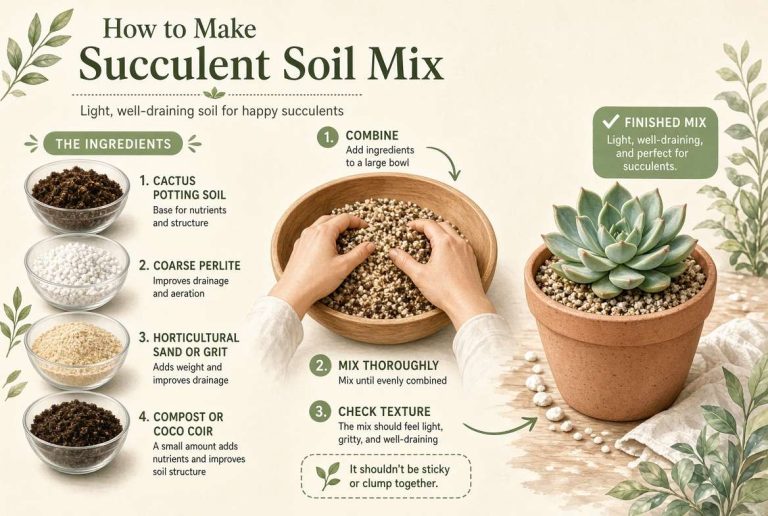
Sandy, gritty and loose mixes suit olive trees well. Adding grit, pumice or coarse sand improves airflow and drainage. Many garden centres stock these materials.
Picking the Right Soil for Olive Trees
In the ground, sandy or stony soil is ideal. If your soil is heavy clay, plant the tree on a slightly raised mound. This lifts the root zone above wet ground.
For containers, a gritty cactus-style mix or standard potting soil with added grit works well. Avoid dense mixes that stay wet for days after watering.
Container Drainage and Repotting Tips
Every pot needs drainage holes at the bottom. Place the pot on feet or small stones so water can escape. Never let the pot sit in a saucer full of water.
Repot the tree every two to three years, or when roots fill the pot. Move it into a container only slightly larger than the current one. Oversized pots hold extra water and raise the risk of root rot.
Feeding and Fertilizing Your Olive Tree
Olive trees do not need heavy feeding. Too much fertilizer causes weak, lush growth that is more prone to problems. A light, balanced approach is usually enough.
Healthy soil and steady care matter more than frequent feeding. Feed only when the tree shows clear signs of need, such as pale leaves or slow growth during the growing season.
When and How to Apply Olive Tree Fertilizer
Apply fertilizer in spring as new growth starts. Use a balanced or slow-release product made for fruiting or Mediterranean plants, and follow the label directions. Avoid applying it to dry soil.
Water the tree after feeding so the fertilizer reaches the root zone. Stop feeding in late summer and autumn, so the tree can slow down before cooler weather.
Pruning and Shaping Olive Trees
Pruning keeps an olive tree healthy, open and easy to manage. Light pruning lets sun and air reach the centre of the canopy and removes dead, damaged or crossing branches.
Beginners should prune gently and step back often. Removing too much at once can stress the tree and reduce flowering the following season.
Best Time to Prune an Olive Tree
The best time to prune is usually late winter or early spring, after the risk of hard frost has passed. Avoid heavy pruning in autumn, since fresh cuts may be damaged by cold. Light trimming of dead wood can be done at other times.
Always use clean, sharp tools. Clean cuts reduce the risk of spreading disease, and sharp blades make neat cuts that heal faster.
Step-by-Step Pruning Tips for Beginners
Start by removing any dead, broken or diseased wood, cutting back to healthy tissue. Next, find branches that rub against each other and remove the weaker one.
Then thin the centre of the canopy so light can reach inside. Keep the shape roughly rounded or vase-shaped, and stop once the tree looks balanced.
Pests and Diseases to Watch For
Olive trees are fairly resilient, but they can attract a few common pests. Regular checks help you catch problems early, when treatment is easier.
Root and fungal problems are more serious. They often come from poor drainage rather than from the pest itself, and good watering and soil habits prevent most of them.
Common Olive Tree Pests and How to Spot Them
Scale insects look like small brown or white bumps on stems and leaves. Mealybugs appear as fluffy white clusters, often in leaf joints. Both feed on sap and can weaken the tree over time.
Check the undersides of leaves and where branches meet. Wipe off small numbers by hand or with a soft cloth, and ask a garden centre about labelled products for larger problems.
Preventing Root Rot and Fungal Problems
Root rot usually starts with waterlogged soil. Signs include wilting leaves even when the soil is wet and a foul smell from the roots. If you notice these, stop watering and let the soil dry.
Prevention is the best approach. Keep drainage clear, avoid overwatering, prune lightly to improve airflow, and remove fallen leaves and debris that hold moisture around the base.
Seasonal Olive Tree Care Tips
Water, feeding and protection all shift with the seasons. Adjusting your routine helps the tree stay steady.
Spring and early summer are times of active growth. Autumn and winter are times of rest. Match your care to these phases.
Caring for an Olive Tree in Winter
Reduce watering, since the tree uses less water in cold weather. Keep the soil lightly moist rather than wet. Move potted trees to a bright, cool, sheltered spot to protect them from frost.
Avoid feeding during winter. Wait for new growth in spring before resuming regular care. Check the tree for damage after any cold snap.
Caring for an Olive Tree in Summer
Water more often in summer, especially for potted trees. Water deeply in the early morning or evening to reduce evaporation. Watch for heat stress, such as scorched leaf edges.
Keep an eye on pests during warm months, since they tend to increase. Light, regular inspections help you act quickly.
Growing Olive Trees Indoors vs Outdoors
Both indoor and outdoor growing can work well. The right choice depends on your climate, space and available light.
Outdoor trees usually grow larger and stronger because they get more light and fresh air. Indoor trees stay smaller and are easier to protect from frost, but they need a very bright spot.
| Factor | Outdoor Olive Tree | Indoor Olive Tree |
|---|---|---|
| Light | Usually strong and direct | Needs a very bright window |
| Frost protection | Often needs cover or relocation | Easier to keep warm |
| Watering | Depends on rain and weather | Usually needs less water |
| Growth size | Can grow larger over time | Usually stays smaller |
Common Mistakes Beginners Make
Most problems come from a few common errors. Overwatering is the top one, and giving too little light is another frequent issue.
Other mistakes include using heavy soil, picking a pot without drainage and pruning too hard. Feeding too often can also cause weak growth.
Frequently Asked Questions
How long does it take an olive tree to produce fruit?
Timing depends on the variety, the age of the tree and growing conditions. Many trees take several years before they produce a useful crop. Ask the nursery for guidance on your chosen type.
Can I grow an olive tree indoors all year?
It is possible, but the tree needs a very bright window and good airflow. Many growers move it outside in warm months to build strength. Keep it away from cold drafts in winter.
How often should I water my olive tree?
Water when the top few centimetres of soil feel dry, and soak the root zone deeply. Frequency changes with season, pot size and weather. Always check the soil before watering.
Why are the leaves on my olive tree turning yellow?
Yellow leaves often point to overwatering, poor drainage or a lack of light. Check the soil moisture and the tree’s position first. Adjust care gradually rather than making sudden changes.
Do olive trees need two varieties to produce olives?
Many olive varieties are partly self-fertile, but cross-pollination with a second compatible variety often improves fruit set. Check the plant label for pollination details.
Conclusion
Caring for an olive tree comes down to a few steps. Give it plenty of sun, well-drained soil and deep but infrequent watering. Protect it from hard frost and prune lightly.
Watch closely for overwatering, which causes most long-term problems. With steady, simple habits, a beginner can keep an olive tree healthy for many years.

Hi, I’m Mary, the founder of GardenCure.com. I’m passionate about creating healthy, beautiful gardens and well-kept lawns. I share practical experience and trusted advice on garden and lawn gear that truly works. With the support of my dedicated research team, our writers produce honest, in-depth reviews using reliable, authentic sources—helping you choose the right tools with confidence for your outdoor space.