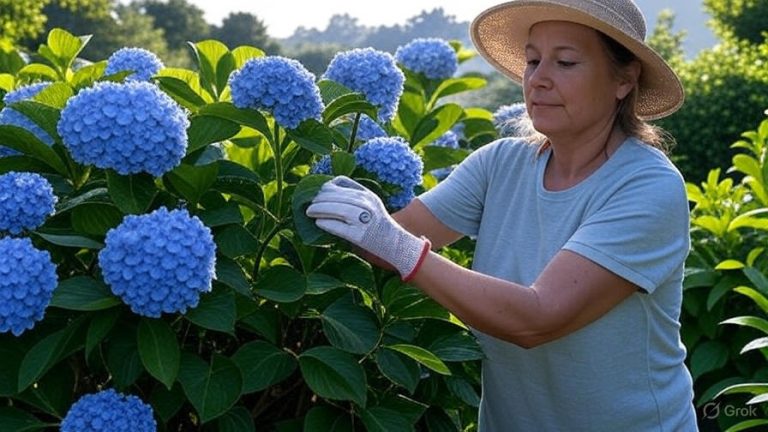
How To Care For A Bougainvillea In A Pot
Bougainvillea plants are known for their bright, papery bracts that provide a splash of color to patios and balconies. Learning how to care for a bougainvillea in a pot allows gardeners to enjoy these tropical shrubs even in regions with cooler weather. This guide covers the fundamental steps required to keep these plants thriving in containers. By following these practices, beginners can maintain healthy growth and encourage frequent blooms throughout the season.
In this article
Key Takeaways
- Provide at least six hours of direct sunlight every day for the best flowering results.
- Use a well-draining potting mix to prevent root rot and ensure healthy plant development.
- Water the plant deeply when the top inch of soil feels dry to the touch.
- Prune branches after each bloom cycle to encourage a compact shape and new growth.
- Bring containers indoors or into a greenhouse before the first frost in cold climates.
Essential Growing Conditions for Potted Bougainvillea
Bougainvillea plants originate from tropical climates, so they thrive in heat and bright light. When kept in containers, they need specific conditions to mimic their natural habitat. Providing the right environment from the start reduces stress on the plant.
Sunlight Requirements for Vibrant Blooms
These plants require significant amounts of direct sun to produce their signature colorful bracts. A location that receives at least six hours of full, unfiltered sunlight is necessary. Without enough light, the plant often produces lush green leaves but fails to bloom. If the plant is kept on a patio, verify that no large trees or roof overhangs create unwanted shade. During the peak of summer, the plant appreciates the intense heat. If the leaves look pale or the stems become long and thin, the plant likely needs more sun exposure.
Picking the Right Pot and Drainage
The container size influences how well the bougainvillea grows. A pot that is too large can hold too much water, which leads to root issues. Start with a container only a few inches wider than the current root ball. Drainage is the most important feature of any pot used for these plants. Ensure the bottom has multiple large holes to allow excess water to escape freely. Ceramic or terracotta pots are often preferred because they are heavy enough to prevent the plant from tipping over in the wind.
Best Soil Mix for Container Plants
Standard garden soil is usually too heavy and holds too much moisture for a container-grown bougainvillea. Use a high-quality potting mix designed for drainage, often labeled for cactus or citrus plants. These mixes typically contain perlite or sand to improve airflow around the roots. Good drainage prevents the roots from sitting in stagnant water. If the soil stays wet for too long, the roots will suffer and the plant may drop its leaves. A light, airy medium helps the roots breathe and supports steady growth.
Watering and Feeding Your Bougainvillea
Finding the balance between moisture and dryness is essential for container success. These plants prefer to dry out slightly between waterings rather than staying constantly damp. Careful observation of the soil helps maintain this balance.
How to Water Properly
Check the soil moisture by inserting a finger about an inch deep into the pot. If the soil feels dry, it is time to provide water. Pour water slowly until it begins to run out of the drainage holes at the bottom. Empty the saucer beneath the pot after a few minutes to ensure the plant is not sitting in a puddle. During the hottest weeks of the season, the plant may require daily watering. In cooler weather, reduce the frequency to avoid drowning the root system.
Fertilizer Tips for Constant Color
Bougainvillea plants are heavy feeders during their active growth phase. Use a balanced, water-soluble fertilizer specifically formulated for flowering shrubs. Apply the nutrients according to the instructions on the package, usually once every two to four weeks. Some gardeners prefer a slow-release fertilizer at the start of the season. This provides a steady supply of nutrients over several weeks. Avoid using fertilizers with too much nitrogen, as this encourages leafy growth at the expense of colorful flowers.
Pruning and Maintenance
Regular maintenance keeps a bougainvillea manageable within a container. Since these plants are vigorous growers, they benefit from frequent trimming. This practice keeps the plant tidy and forces it to branch out.
Keeping Your Plant Compact
The plant naturally grows long, vine-like stems that can become messy if left alone. Use sharp, clean pruning shears to trim back long branches after a flush of flowers fades. Cut the stems back to a healthy leaf node or just above a side branch. This process encourages the plant to produce new growth that will eventually bear more flowers. It also keeps the plant at a size that fits comfortably on a porch or deck. Always wear gloves, as the stems often feature sharp thorns.
Managing Growth During the Growing Season
Throughout the warm months, keep an eye on the overall shape of the shrub. If one side grows faster than the others, trim it back to maintain symmetry. Remove any dead or broken branches to keep the plant looking clean. Cleaning up the plant also improves air circulation through the branches. Good airflow helps prevent fungal issues that can occur in humid environments. A well-pruned plant is easier to move, handle, and display in a container.
Preparing for Winter
In regions where temperatures drop, bougainvillea plants cannot survive outside. They are sensitive to frost and freezing conditions. Plan ahead to protect the plant once the weather begins to cool down.
Moving Plants Indoors in Cold Climates
Before the first frost, bring the container into a protected area. A sunroom, a bright garage, or a greenhouse are suitable locations. The goal is to provide a space that stays above freezing while offering as much light as possible. If the plant is moved into a dark basement, it will likely drop its leaves and go dormant. This is a natural response to the lack of light. Place the plant in the brightest window available to help it stay healthy until warmer weather returns.
Managing Dormancy
During the winter, the plant does not need as much water or fertilizer. Reduce watering significantly, as the plant is not actively growing. Only provide enough moisture to keep the stems from shriveling completely. Once the danger of frost has passed, move the plant back outdoors gradually. Start by placing it in a shaded spot for a few days to let it adjust. Then, slowly move it into its full sun location to start the cycle again.
Frequently Asked Questions
Why is my bougainvillea dropping its leaves?
Leaf drop is often a sign of overwatering or a sudden change in light conditions. Check the soil to ensure it is not waterlogged and verify that the plant is receiving sufficient sun. Moving a plant from outdoors to indoors can also cause temporary shedding as it adjusts.
How often should I fertilize my container plant?
Apply a balanced fertilizer every two to four weeks during the active growing season. If using a slow-release granular fertilizer, one application at the start of the season is usually sufficient. Always follow the specific instructions on the product label for the best results.
Will my bougainvillea bloom if it stays in the shade?
These plants rarely bloom well without direct, intense sunlight. If kept in the shade, the plant will likely produce green foliage but very few colorful bracts. Move the container to the sunniest spot available to encourage consistent flowering.
What should I do if my plant grows too large for its pot?
Repot the plant into a container only one or two inches larger than the current one. Use fresh potting mix and trim back the roots slightly if they are circling the bottom. Doing this during the early part of the growing season allows the plant to recover quickly.
Can I grow bougainvillea from cuttings?
Yes, it is possible to propagate these plants using semi-hardwood cuttings taken during the growing season. Remove the leaves from the bottom of the cutting and place it in a moist, well-draining rooting medium. Keep the cutting in a warm, bright area until roots develop.
Conclusion
Caring for a bougainvillea in a pot is a rewarding way to bring tropical beauty to any outdoor space. Success relies on providing plenty of direct sunlight, using a well-draining soil mix, and being mindful of watering habits. These plants thrive when given the chance to dry out slightly between drinks. Regular pruning keeps the plant shaped well and encourages consistent blooming throughout the season. Remember to protect the container from freezing temperatures when winter arrives. With these basic steps, a container-grown bougainvillea can provide vibrant color for many years.
Hi, I’m Mary, the founder of GardenCure.com. I’m passionate about creating healthy, beautiful gardens and well-kept lawns. I share practical experience and trusted advice on garden and lawn gear that truly works. With the support of my dedicated research team, our writers produce honest, in-depth reviews using reliable, authentic sources—helping you choose the right tools with confidence for your outdoor space.