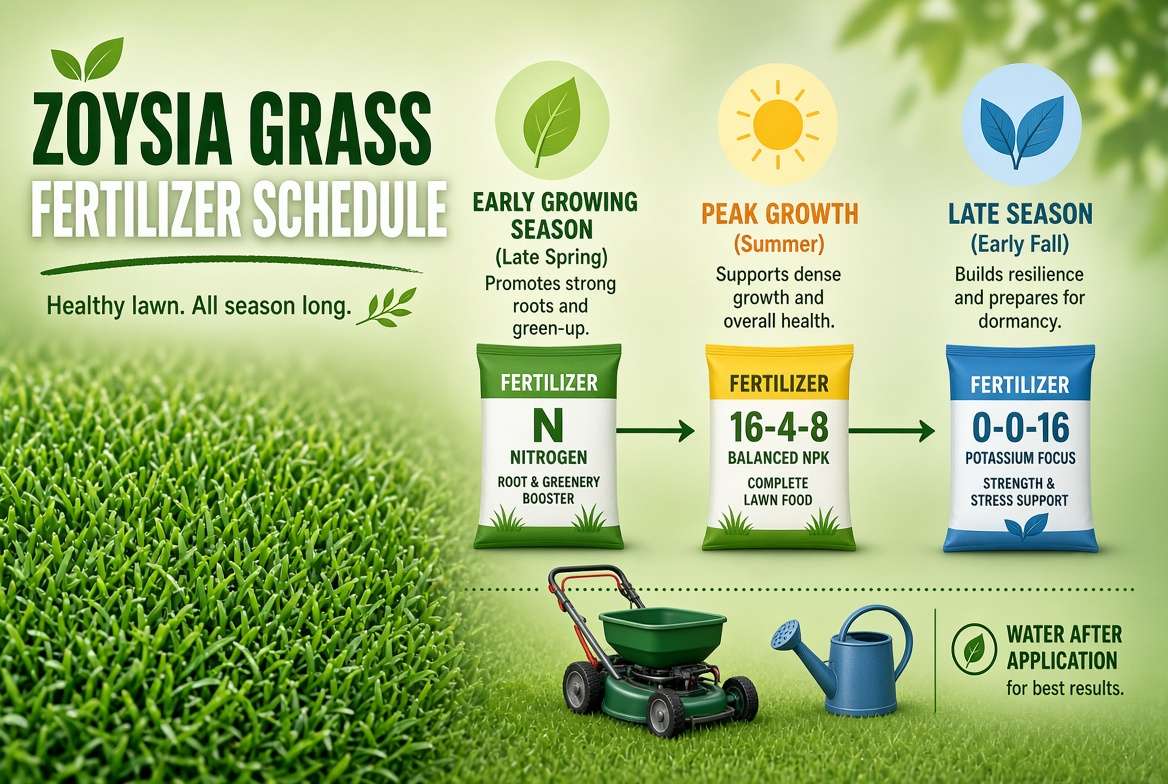
Zoysia Grass Fertilizer Schedule
Zoysia grass gives you a thick, tough lawn that handles heat and foot traffic well. It grows dense and stays green through warm weather. To keep it looking its best, you need a solid fertilizer plan. This guide walks you through everything in plain words so you can feed your Zoysia the right way without stress.
In this article
You start by learning what Zoysia needs. Then you build a simple schedule that matches its growth cycle. You pick the right products, apply them correctly, and avoid common mistakes. By the end, you will know exactly how to keep your lawn strong and healthy.
What Makes Zoysia Different
Zoysia belongs to the warm-season grass family. It loves heat and grows best when temperatures stay high. In cooler weather it slows down and can go dormant. That growth pattern shapes how you feed it.
This grass spreads with runners and underground stems. It forms a tight carpet that crowds out many weeds. Because it grows slowly compared to some other lawns, it needs less frequent mowing. Yet that slow growth also means it responds carefully to fertilizer. Too much nitrogen at the wrong time creates problems. Too little leaves it thin and pale.
Zoysia roots reach deep when the soil stays healthy. Deep roots help the lawn survive dry spells. Fertilizer supports those roots and the blades above ground. You want balanced nutrition so the grass builds strength instead of soft, weak growth that invites disease.
Soil type matters a lot. Sandy soil drains fast and loses nutrients quickly. Clay holds nutrients longer but can stay wet. Most Zoysia lawns do well in a soil pH between 6.0 and 7.0. Outside that range the grass struggles to take up food even if you apply plenty of fertilizer.
Why You Fertilize Zoysia
Fertilizer supplies the three main nutrients: nitrogen, phosphorus, and potassium. Nitrogen drives green color and leaf growth. Phosphorus supports root development. Potassium builds toughness against stress, drought, and cold.
Zoysia needs nitrogen most during active growth. Without enough, the lawn turns light green or yellow and thins out. With the right amount it stays deep green and fills in bare spots. Phosphorus helps new plantings or weak areas send out strong roots. Potassium prepares the grass for tough conditions later in the season.
You also feed the soil life. Healthy microbes break down organic matter and release nutrients slowly. Some fertilizers support that process. Others simply deliver a quick boost. Both have a place in a full plan.
A good schedule prevents waste. You put nutrients down when the grass can use them. You skip times when growth slows so excess food does not wash away or feed weeds instead.
Test Your Soil First
Before you buy any bag of fertilizer, test the soil. A simple test kit from a garden store or a lab report tells you the current nutrient levels and pH. You learn if the lawn already has plenty of phosphorus or potassium. Many older lawns hold high phosphorus from years of feeding. Adding more does little good and can harm waterways.
The test also shows organic matter content and any micronutrient shortages. Iron deficiency sometimes shows up as yellowing between the leaf veins even when nitrogen levels look fine. Knowing the numbers lets you pick a fertilizer that matches real needs instead of guessing.
Collect samples from several spots across the yard. Mix them and follow the kit instructions. Once you have results, you adjust the schedule. Low nitrogen means you lean on products with a higher first number. Balanced soil lets you use a more even formula.
Types of Fertilizer That Work for Zoysia
Look at the three numbers on every bag. They stand for nitrogen-phosphorus-potassium. A product labeled 16-4-8 delivers more nitrogen than the other two. That ratio suits Zoysia during peak growth.
Slow-release nitrogen works especially well. It feeds the grass over weeks instead of all at once. You get steady color without a sudden flush of soft growth that mows poorly and invites pests. Many bags list both quick-release and slow-release portions. The quick part greens the lawn fast. The slow part keeps feeding later.
Organic options include compost, composted manure, and plant-based meals. They improve soil structure over time and release nutrients gently. Synthetic fertilizers give precise control and often cost less per feeding. You can mix both styles. A light organic top-dressing in spring plus a controlled-release synthetic later covers both short-term and long-term needs.
Avoid high-phosphorus products unless the soil test shows a real shortage. Excess phosphorus builds up and can cause runoff issues. For established Zoysia, a fertilizer with zero or low middle number often works best.
Micronutrients such as iron, manganese, and magnesium help too. Iron especially deepens the green color without pushing extra leaf growth. Some specialty lawn products include them.
Liquid fertilizers offer another route. You spray them for a quick response. They suit small yards or spots that need a boost between regular applications. Granular products cover large areas evenly with a spreader.
Building the Fertilizer Schedule
Zoysia follows a clear seasonal pattern. You time feedings to match that pattern. Active growth calls for more nitrogen. Cooler periods call for less nitrogen and more potassium.
Early Growing Season Feeding
When soil temperatures rise and the grass starts to green up, give the first feeding. Use a balanced or slightly nitrogen-focused product. Aim for about one pound of actual nitrogen per thousand square feet. Check the bag to calculate how much product that requires. If the first number is 20, you need five pounds of fertilizer to deliver one pound of nitrogen.
This early feeding wakes the lawn up. It supports new roots and the first flush of blades. Spread the granules evenly. Water lightly afterward so the fertilizer moves into the soil. Do not apply right before a heavy rain that could wash it away.
If you overseeded or plugged bare spots earlier, a starter fertilizer with a bit more phosphorus helps those new plants settle in. Once they establish, switch back to a regular formula.
Peak Growth Feedings
As heat builds and the grass grows strongly, schedule one or two more applications. Space them six to eight weeks apart. Keep the rate near one pound of nitrogen per thousand square feet each time. Slow-release products shine here because they keep feeding through the hottest weeks without burning the lawn.
Watch the color. If the grass stays a rich green and grows at a steady pace, you are on track. If it fades, a light extra feeding or a liquid iron spray can help. Never push more than one and a half pounds of nitrogen per thousand square feet in a single application. Higher rates risk burn and thatch buildup.
Water the lawn after each feeding. Zoysia needs moisture to take up the nutrients. Deep, infrequent watering works better than daily light sprinkles. Encourage roots to grow downward.
Late Season Feeding
When growth slows and nights cool, shift the focus. Drop the nitrogen and raise the potassium. A product with a higher last number strengthens cell walls and helps the grass handle dormancy. This feeding builds reserves for the next season.
Apply at a lighter rate, around half to three-quarters of a pound of nitrogen if the product still contains some. The potassium does most of the work. This step reduces winter damage and speeds green-up later.
Stop nitrogen-heavy products once growth nearly stops. Extra nitrogen at this stage creates soft tissue that winter stress can injure.
How to Calculate and Apply Correctly
Measure your lawn. Multiply length by width for each section and add them up. Divide by one thousand to find how many units you need to cover. Then read the bag rate. Most labels list pounds of product per thousand square feet for a given nitrogen amount.
Use a broadcast spreader for even coverage. Walk at a steady pace and overlap slightly. Apply half the amount in one direction and the other half at a right angle. This cross pattern prevents stripes of dark and light grass.
Calibrate the spreader first. Fill it, set the opening according to the bag, and test on a small known area. Adjust until the amount matches the target.
For liquid products, mix according to the label and spray with a hose-end or tank sprayer. Cover the lawn in overlapping passes. Apply on a calm day so drift stays low.
Water in after granular applications unless the label says otherwise. A quarter-inch of water usually moves the fertilizer into the root zone. Avoid mowing for a day or two so the granules settle.
Signs Your Zoysia Needs More or Less Food
Yellow or pale green blades often signal low nitrogen. The color fades first on older leaves. New growth may stay small. A soil test confirms the shortage.
Dark green but weak, floppy growth points to too much nitrogen. The lawn needs frequent mowing and may develop thatch faster. Disease can appear more often.
Purple or reddish tints sometimes show phosphorus shortage, especially in cool soil. Stunted roots go with it. Potassium shortage shows as yellowing leaf tips and edges, plus poorer drought tolerance.
Iron chlorosis looks like yellow leaves with green veins. It appears more in high-pH soil. A chelated iron product corrects it quickly without adding nitrogen.
Track these signs across the season. Adjust future applications rather than reacting with heavy doses every time.
Common Mistakes and How to Skip Them
Many people apply fertilizer too early while the grass still sleeps. Nutrients sit unused and can leach. Wait until you see active green growth.
Others dump the whole season’s nitrogen in one big feeding. The grass cannot use it all at once. Excess feeds weeds or runs off. Split the total into several smaller doses.
Skipping the soil test leads to wasted money and possible imbalance. Guessing works poorly over time.
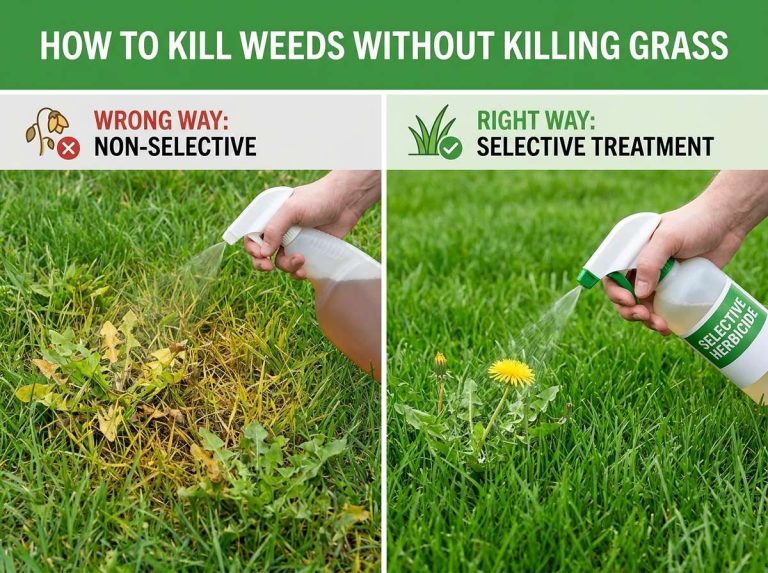
Using a weed-and-feed product every time can harm Zoysia. Some herbicides stress the grass, especially in heat. Separate weed control from regular fertilizing when possible.
Failing to water after application leaves granules on the surface. They can burn blades or simply sit there unused.
Mowing too short after a feeding removes the new growth the fertilizer just supported. Keep the cutting height at the recommended level for Zoysia, usually one to two inches depending on the variety.
Extra Tips for Strong Results
Combine fertilizer with good cultural care. Mow with sharp blades so cuts stay clean. Leave clippings on the lawn when possible. They return nutrients and organic matter.
Aerate compacted areas once the grass grows actively. Core aeration opens the soil so air, water, and fertilizer reach the roots. Follow aeration with a light feeding for best response.
Control thatch if it builds thicker than half an inch. Heavy thatch blocks fertilizer from reaching the soil. Dethatch or use a power rake when the grass can recover quickly.
In shady spots Zoysia still needs food, but at a lower rate. Less sunlight means less growth and less demand for nitrogen. Cut the amount by about one-third in deep shade.
Near trees the grass competes for nutrients. A slightly higher rate or more frequent light feedings can help, but watch for burn under the drip line.
Organic matter improves every soil. Top-dress with a thin layer of compost once or twice a season. It feeds microbes and holds moisture. Over years the soil becomes more fertile and needs less synthetic input.
Watering and Fertilizer Work Together
Fertilizer only works when moisture carries it to the roots. After each application, water enough to wet the soil several inches deep. Then let the surface dry before the next watering. This pattern trains deep roots.
During hot, dry stretches Zoysia can go dormant and turn brown. It usually recovers when rain returns. Avoid heavy nitrogen while it stays dormant. Wait for green-up.
In rainy periods cut back on fertilizer. Extra water already moves nutrients through the soil. Adding more increases the chance of loss.
Long-Term Lawn Health Beyond Fertilizer
A complete plan includes more than bags of product. Keep the mower height consistent. Zoysia prefers a bit taller cut in heat so it shades its own roots.
Watch for pests such as billbugs or grubs. Healthy, well-fed grass resists them better, yet you still scout regularly. Spot-treat problems early.
Overseed or plug thin areas during the active growth window. New plants establish faster when the surrounding lawn stays vigorous from proper feeding.
Track what you apply each season. Note the product, rate, and results. Over time you refine the schedule for your exact yard. Soil changes slowly, so retest every few years.
Putting the Schedule Into Practice
Start with a soil test. Choose a slow-release fertilizer that matches the results. Mark the calendar for an early growing season feeding, one or two peak-season feedings, and a late-season potassium-focused application. Calculate the exact amount for your square footage. Spread evenly, water in, and watch the response.
Adjust based on color, growth rate, and weather. Keep records. In a short time the routine feels natural. Your Zoysia stays thick, green, and tough with far less effort than you might expect.
Consistent care pays off. The lawn crowds out weeds, recovers from traffic, and looks good with simple maintenance. Fertilizer forms the foundation of that care. Follow the schedule, stay observant, and enjoy the results.
You now have a clear path. Feed your Zoysia at the right times with the right products. The grass will repay you with a dense, healthy carpet that stands up to heat and use.

Hi, I’m Mary, the founder of GardenCure.com. I’m passionate about creating healthy, beautiful gardens and well-kept lawns. I share practical experience and trusted advice on garden and lawn gear that truly works. With the support of my dedicated research team, our writers produce honest, in-depth reviews using reliable, authentic sources—helping you choose the right tools with confidence for your outdoor space.