How To Care For Purple Salvias
Purple salvias are popular garden plants with spikes of violet, blue or purple flowers. Gardeners grow them because they bloom for a long time and attract bees and butterflies. Caring for them is simple once you know the basics.
This guide covers what these plants look like, where they grow best, and how to handle soil, water, feeding, pruning and pests. It also covers winter care and container growing.
Key Takeaways
- Purple salvias need plenty of sun and well-drained soil to thrive.
- Water deeply but let the soil dry a little between drinks.
- Deadheading spent flowers encourages more blooms through the season.
- Watch for yellow leaves, soft stems and pests, and act early.
- Protect perennial types in cold winters with mulch.
Getting to Know Purple Salvias
Salvia is a large group of plants in the mint family, many with square stems and aromatic leaves. Purple salvias are among the most common garden types because they flower reliably.
Some salvias live for several years, while others behave like short-lived plants. Knowing which kind you have shapes your routine.
What Purple Salvia Plants Look Like
Most purple salvias grow as upright, bushy clumps with narrow or oval leaves. Many release a pleasant herbal scent when crushed.
The flowers form on tall spikes above the foliage, with many small blooms opening over several weeks. Bees and other pollinators visit them often.
Common Purple Salvia Varieties for Beginners
Several purple-flowered salvias are widely sold and easy to find. Read the plant tag for notes on hardiness and mature size, since these vary by region.
Some types are perennial, returning from the roots each year in mild climates. Others are annuals that complete their life in one season.
Light and Location Needs
Light is one of the biggest factors in plant health. Poor light often leads to leggy growth and fewer flowers.
Location also affects drainage, air flow and ease of care. A good spot keeps the plant strong and reduces common problems.
How Much Sun Purple Salvias Need
Most purple salvias prefer full sun, meaning at least six hours of direct light a day. Plants in too much shade stretch toward the light and flop over.
In very hot climates, gentle afternoon shade can help. The plant should still get plenty of bright light during the day.
Picking a Spot in Your Garden
Pick a place with good air movement, which helps leaves dry after rain or watering. Avoid low corners where cold air and water collect.
Leave enough space for the mature size of the plant. Crowded plants compete for light and can develop fungal problems.
Soil, Drainage and Planting
Soil is the foundation of healthy roots. Purple salvias usually do best in soil that holds some moisture but drains freely. Soggy roots are a common reason these plants fail.
Best Soil Type for Purple Salvia
Loamy soil with some sand or grit suits most purple salvias. Loam is a balanced mix of sand, silt and clay that holds nutrients and water. Heavy clay often holds too much water and needs improvement.
Mix compost into the top several inches of soil before planting. This improves drainage and fertility. Avoid rich potting mix in the ground, since it can stay wet too long.
Planting Purple Salvias Step by Step
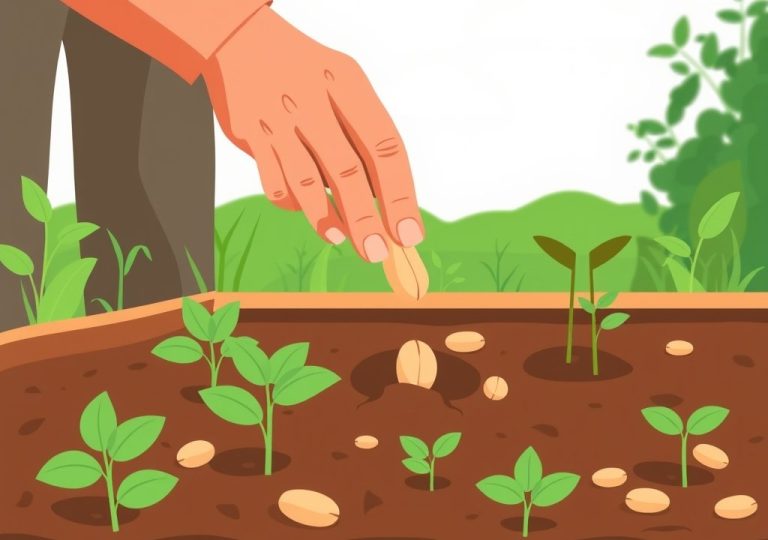
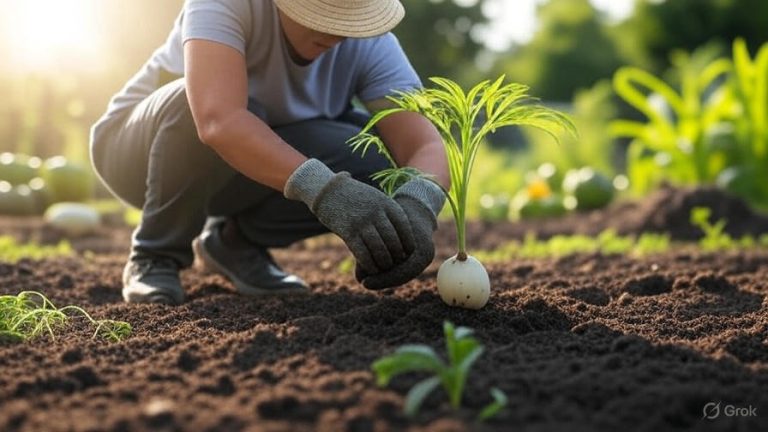
- Choose a sunny spot with good drainage and room for the mature size.
- Dig a hole about as deep as the root ball and twice as wide.
- Loosen the roots gently if they are tightly wound in the pot.
- Set the plant so the top of the root ball sits level with the surrounding soil.
- Fill the hole, firm the soil lightly, and water well to settle it.
Planting in spring or early summer gives roots time to settle before cold weather. Water regularly for the first few weeks, then reduce watering as the plant establishes.
Watering Purple Salvias the Right Way
Watering is where many beginners go wrong. Purple salvias prefer deep, occasional watering over frequent light sprinkles. The goal is to moisten the root zone without keeping the soil constantly wet.
Checking the soil is more useful than following a fixed calendar. The right schedule depends on weather, soil and pot size.
How Often to Water Salvia Plants
In the ground, established plants often need water only when the top inch or so of soil feels dry. They may need more during hot, dry spells, while rain covers much of the need in wet seasons.
Water at the base of the plant rather than over the leaves. Morning watering lets foliage dry, which lowers the risk of fungal spots.
Signs of Overwatering and Underwatering
Overwatering often shows as yellowing lower leaves, wilting even when the soil is wet, and a sour smell from the soil. Roots sitting in water can rot. Improving drainage and watering less is the usual fix.
Underwatering usually causes drooping leaves with dry, crisp edges. Water deeply and the plant often recovers within a day or two.
Feeding and Fertilizing
Feeding gives plants extra nutrients for growth and flowering. Purple salvias are not heavy feeders, so more fertilizer is not always better. Too much can produce lush leaves with fewer flowers.
A light, balanced approach works well for most gardens. Watch how the plant responds before adding anything extra.
Do Purple Salvias Need Fertilizer?
In rich garden soil, purple salvias often grow well without added fertilizer. If the soil is poor or the plant looks pale and flowers little, a light feeding may help. Follow the label and use a lower rate than suggested.
Container plants need feeding more often because nutrients wash out with each watering. A diluted, balanced liquid fertilizer every few weeks in the growing season is a common approach.
Organic Options for Feeding Salvias
Compost is one of the gentlest ways to feed the soil. Spread a thin layer around the base in spring and let soil life release nutrients slowly. Well-rotted manure can also help, used in moderation.
Organic options release nutrients more slowly than synthetic products, which reduces the risk of burning roots. Keep mulch and compost away from the plant stem.
Pruning and Deadheading for More Blooms
Pruning keeps purple salvias tidy and encourages fresh growth. Removing spent flowers, called deadheading, tells the plant to keep producing blooms. Both tasks need only clean, sharp snips.
When to Prune Salvia Plants
Many gardeners prune perennial salvias in early spring, once new shoots appear at the base. This removes winter damage and shapes the plant. Avoid cutting hard into woody growth, since it may take longer to refresh.
A light trim after the first big flush of flowers can encourage a second round of blooms. Cut the stems back by about a third, just above a leaf node.
How to Deadhead Spent Flowers
Deadheading means snipping off faded flower spikes before they set seed. Cut each spent spike back to a leaf or side shoot lower down the stem. Regular deadheading keeps the plant neat and focused on new flowers.
Some gardeners leave a few spikes uncut in autumn. The seed heads can feed birds and add interest. Either choice is reasonable, so pick the one that suits your space.
Pests and Common Problems
Purple salvias are fairly resilient, but they can still run into trouble. Catching problems early makes them easier to manage. Regular checks during the growing season are a simple habit to build.
Most issues come from pests, poor drainage or weather stress. Knowing the common signs helps you respond calmly and quickly.
Spotting Aphids and Other Common Pests
Aphids are small soft-bodied insects that gather on new shoots and flower buds. They cause curled leaves and sticky residue. A strong spray of water often knocks them off.
Slugs and snails sometimes chew leaves, especially in damp weather. Look for ragged holes and silvery trails. Hand removal or a garden-labeled slug-control product can help.
Dealing with Root Rot and Fungal Issues
Root rot usually develops when soil stays wet for long periods. The plant may wilt, turn yellow and fail to recover after watering. Improving drainage and reducing water is the most important step.
Fungal spots on leaves often appear in humid, crowded conditions. Remove badly affected leaves, improve airflow, and water at the base. Clean tools after cutting diseased growth to avoid spreading problems.
Overwintering and Seasonal Care
Winter care depends on if your purple salvia is perennial or annual. Cold tolerance varies by variety and climate, so check the plant tag or local advice.
A little planning before frost helps plants come through well. Simple steps often make the biggest difference.
Caring for Perennial Salvias in Winter
In colder areas, cover the base of perennial salvias with mulch once the ground begins to freeze. Straw or shredded leaves work well. Leave the top growth in place until spring for some protection.
Avoid heavy wet mulch against the crown, and keep the area well drained. Remove the mulch gradually as spring temperatures rise.
Treating Purple Salvias as Annuals
Some purple salvias are not reliably hardy in cold regions. Gardeners there often treat them as annuals and replace them each year, avoiding winter losses.
Planting new annuals after the last frost gives them a full season of growth. They may flower earlier and more strongly than a struggling perennial.
Growing Purple Salvias in Containers
Purple salvias grow well in pots, patio planters and window boxes. Containers let you move the plant to catch the best light, and they suit gardeners with limited ground space.
Container plants dry out faster than garden plants. A simple routine keeps them healthy and blooming.
Picking the Right Pot and Potting Mix
Pick a pot with drainage holes, since trapped water can rot roots. A pot somewhat larger than the root ball gives roots room to grow.
Use a well-draining potting mix, often labeled for containers or flowering plants. Avoid heavy garden soil, which compacts and stays wet. Adding a little grit or perlite improves drainage further.
Container Care Tips for Beginners
Check containers often, since soil dries quickly in warm weather. Water until a little runs out of the drainage holes, then let the top layer dry before watering again. Empty saucers so roots do not sit in standing water.
Move the pot if the plant leans toward the light or looks pale. In winter, a sheltered spot against a wall offers some protection. Bring tender plants indoors only if they will get strong light.
Comparing Perennial and Annual Salvias
The main difference between perennial and annual salvias is how long they live. Perennials return from their roots year after year in suitable climates. Annuals finish their life cycle within one growing season.
Perennials usually need more winter care and occasional division or pruning. Annuals need replanting each spring but are often simpler to manage.
In short, perennials suit gardeners who want long-term structure, while annuals suit those who prefer a fresh start each season.
Frequently Asked Questions
Do purple salvias come back?
Some do, especially perennial types grown in mild winter climates. Others are grown as annuals and will not return. Check the plant tag or ask a local nursery to confirm.
How often should I water purple salvias?
Water when the top inch or so of soil feels dry, rather than on a fixed schedule. Soak the soil deeply each time instead of watering lightly.
Can purple salvias grow in shade?
They grow best in full sun, meaning at least six hours of direct light daily. In heavy shade, they tend to become leggy and produce fewer flowers.
Why are my purple salvia leaves turning yellow?
Yellow leaves often point to overwatering or poor drainage. Pests and nutrient shortages can also cause yellowing. Check soil moisture and drainage first.
Are purple salvias safe for pets?
Many salvias are considered low risk, but safety can vary by species. Pets may still have an upset stomach if they chew the leaves. If you are worried, check with a veterinarian.
Conclusion
Caring for purple salvias comes down to a few steps. Give them plenty of sun, well-drained soil and deep, occasional watering. Deadhead spent flowers, watch for pests and protect perennial types in cold winters.
With these habits, purple salvias reward you with long-lasting color and busy pollinators.

Hi, I’m Mary, the founder of GardenCure.com. I’m passionate about creating healthy, beautiful gardens and well-kept lawns. I share practical experience and trusted advice on garden and lawn gear that truly works. With the support of my dedicated research team, our writers produce honest, in-depth reviews using reliable, authentic sources—helping you choose the right tools with confidence for your outdoor space.