How To Cultivate Herbs
Key Takeaways
- Herbs need the right mix of sunlight, drainage and water to grow well.
- Start with easy herbs like basil, mint or chives before trying harder ones.
- You can grow herbs in garden beds, pots or on a sunny windowsill.
- Regular harvesting and light pruning keep herb plants bushy and productive.
Growing herbs is a practical skill anyone can learn. You do not need a large yard or years of experience. A few pots, basic knowledge and a sunny spot are often enough to start.
This guide covers the basics in plain words. It explains what herb cultivation means, which types suit beginners and where to grow them.
What Does It Mean to Cultivate Herbs?
To cultivate herbs means to grow them on purpose, with care. The goal is usually to harvest leaves, stems, flowers or seeds for cooking, teas or home remedies.
Herbs are plants valued for their flavor, scent or uses. Common examples include basil, parsley, thyme and rosemary. Cultivation means picking a suitable location, preparing the growing medium and keeping the plant healthy.
Why Grow Herbs at Home?
Home-grown herbs give you fresh leaves whenever you need them. Many herbs lose flavor quickly after cutting, so picking from your own plant often means better taste.
Herbs suit small spaces. Many types stay compact and do well in containers, so a single pot on a balcony or windowsill can supply a steady harvest.
Growing your own can also save money over time and reduce waste, since you pick only what you need.
Basic Herb Growing Terms You Should Know
Gardening terms appear often on plant labels and seed packets. Knowing them helps you choose the right plants and follow care instructions.
Annuals, Perennials and Biennials
An annual completes its life cycle in one season, then dies. Basil is a common annual herb that needs replanting each year.
A perennial lives for more than two years and often returns from the same roots. Thyme, oregano and mint often behave as perennials.
A biennial takes two years to finish. It grows leaves in the first year and flowers in the second. Parsley is often grown as a biennial.
Seeds, Seedlings and Transplants
A seed is the small starting unit of a plant. Seeds are the lowest-cost way to grow herbs, but they take more time and some need warmth or light to sprout.
A seedling is a young plant with its first true leaves. Garden centers often sell them in small pots, giving you a head start.
A transplant is a seedling or young plant moved to a new container or outdoors. Handle roots gently and water well after the move.
Soil, Sunlight and Water Basics
Soil holds roots in place and supplies water and nutrients. Good herb soil is loose and drains well, so water does not sit around the roots.
Sunlight is the energy plants use to make food. Most herbs need several hours of direct light daily. Without enough light, plants grow tall, thin and weak in flavor.
Too much or too little water can both cause problems. Checking the soil before watering is a simple habit that helps.
How Herbs Grow: The Basics of Plant Needs
Every herb needs light, water, air and room for roots. When one is missing, growth slows or the plant struggles.
Most herbs also need nutrients from the soil. These come from natural decay or from added compost and fertilizer. Healthy roots take them in and move them up into the leaves and stems.
How Much Sunlight Herbs Need
Basil, rosemary and thyme prefer full sun, meaning at least six hours of direct light each day. A south-facing spot often works well.
Parsley, chives and mint tolerate partial shade but still grow best with a good amount of sun.
If a plant leans sharply toward a window, it likely needs more light. Turning the pot every few days helps it grow evenly.
How Soil Type and Drainage Affect Herb Roots
Drainage describes how quickly water moves through the soil and out of the pot or bed. Poor drainage can lead to root rot, where roots decay from lack of oxygen.
Mediterranean herbs like thyme and rosemary prefer lean, gritty soil. Adding sand, grit or perlite improves drainage.
Containers need drainage holes. Without them, water collects at the bottom and the roots sit in it.
How Often to Water Herbs Without Overwatering
A common approach is to water when the top layer of soil feels dry. Push a finger about an inch into the soil to check.
Overwatering is a frequent beginner mistake. Constantly wet soil starves roots of air and encourages fungus. Deep watering followed by slight drying is usually better than frequent small sips.
Container plants dry out faster than those in the ground, and hot, windy weather increases water needs. Checking the soil every day or two keeps you responsive to what the plants need.
Right Herbs for Beginners
Some herbs are forgiving and suit first-time growers. Others need more precise conditions. Starting with easier types builds confidence.
Easy-to-Grow Herbs for First-Time Gardeners
Basil grows quickly in warm, sunny spots. Regular harvesting keeps it bushy, so pinch off the top leaves to encourage side branching.
Mint is vigorous and spreads readily. It does best in a container, since it can take over a garden bed. It tolerates some shade and needs steady moisture.
Chives are low-maintenance and handle cool weather well. Their grass-like leaves and small edible flowers suit both pots and garden beds.
Parsley is easy to grow from seedlings and tolerates partial shade. It grows slowly at first, so patience helps.
Herbs That Need More Care
Lavender prefers sharp drainage and plenty of sun. Rich soil or frequent watering often causes it to decline.
Cilantro tends to bolt, flowering and setting seed quickly in warm weather. Sowing small batches every few weeks helps you keep a supply of fresh leaves.
Dill has long taproots and dislikes being moved. Sowing it directly where it will grow is usually more successful.
Where to Grow Herbs: Garden Beds, Containers and Windowsills
The best place to grow herbs depends on your space, light and how much care you can give. Each option has its own strengths.
Growing Herbs in Pots and Containers
Containers give you control over soil, water and placement. You can move a pot to catch more sun, and containers keep vigorous herbs like mint from spreading.
Choose a pot large enough for the roots, with drainage holes. Use a potting mix labeled for containers, and check pots often because they dry out quickly.
Herbs with different needs do better in separate containers. Pair plants only when their light and water needs match.
Growing Herbs Indoors on a Windowsill
A bright windowsill can support a small herb garden. South-facing windows usually provide the most light, though plants may grow leggy in winter.
Indoor air is often dry, so keep herbs away from direct heat vents. Misting is not a reliable substitute for proper watering.
Basil, chives and parsley are often recommended for indoor growing. Rotating the pots helps plants stay upright and even.
Growing Herbs Outdoors in Garden Beds
Garden beds offer plenty of room and often healthier root growth. They also suit larger plants like rosemary and sage.
Choose a sunny spot with good drainage. Raised beds help when native soil is heavy or waterlogged, and compost improves structure and nutrients.
Keep vigorous herbs like mint in their own bed or container, or they can crowd out neighbors. Spacing each herb for its mature size prevents overcrowding later.
Step-by-Step Guide to Planting Herbs
Planting herbs is simpler than it seems. The steps are similar if you start from seed or from a nursery seedling.
Starting Herbs From Seed Indoors
- Fill a seed tray or small pots with fresh seed-starting mix.
- Sow seeds at the depth listed on the seed packet, usually shallow.
- Mist the surface and keep the mix evenly moist but not soggy.
- Place the tray in a warm, bright spot and wait for seedlings to appear.
- Thin crowded seedlings so the strongest ones have room to grow.
Some herbs sprout slowly, so patience matters. Remove any cover once the seedlings emerge.
Planting Herbs From Nursery Seedlings
Seedlings from a garden center are a fast way to start. Water them well before planting, and gently loosen any roots circling the pot.
Dig a hole just large enough for the root ball and set the seedling so its top sits level with the soil. Firm the soil gently and water well. Shade the plant for a few days if it looks stressed.
Spacing and Depth Tips for Healthy Growth
Crowded plants compete for light, air and water. Check the plant tag or seed packet for mature width and leave room for it to grow. Good airflow between plants lowers the risk of disease.
Set most seedlings at the same depth they grew in their original pot. Planting too deep can rot stems, while planting too shallow can dry out roots.
Caring for Herbs Through the Growing Season
Healthy herbs need regular, simple care. Watering, feeding, pruning and checking for problems are the main tasks. A few minutes each week can make a big difference.
Watering and Feeding Herbs
Water when the top of the soil feels dry, until liquid drains from the bottom of the pot. Water at the base of the plant to keep leaves drier.
Many herbs grow well with modest feeding. A balanced liquid fertilizer, used at the strength on the label, supports leafy growth. Too much can reduce flavor and weaken plants.
Lean herbs like thyme and rosemary need less feeding than leafy types like basil.
Pruning and Harvesting Herbs the Right Way
Regular harvesting encourages bushy growth. Snip stems just above a leaf pair or branch point, taking a little at a time.
Avoid removing more than about a third of the plant at once. Remove flower buds on basil to keep leaves coming.
Harvest in the morning, after dew has dried, when leaves usually hold more of their oils and flavor.
Keeping Herbs Healthy: Pests and Common Problems
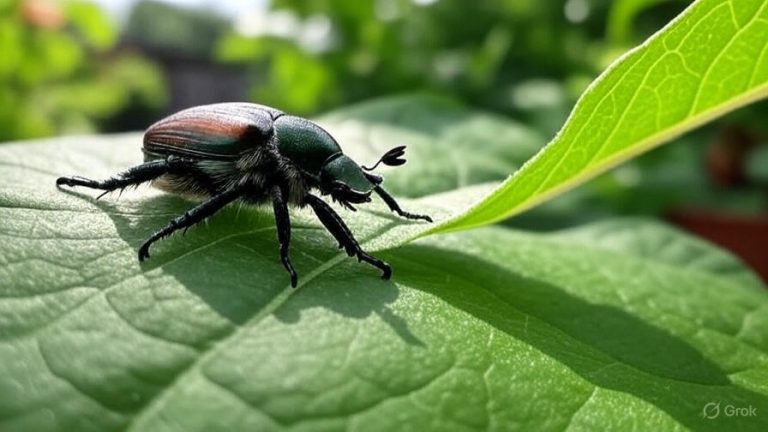
Aphids, whiteflies and spider mites are common pests. Check the undersides of leaves regularly. A strong spray of water or gentle insecticidal soap can help control small infestations.
Yellowing leaves often point to watering problems. Too much water is a frequent cause, and poor drainage can lead to root rot.
Fungal problems such as powdery mildew appear in humid, crowded conditions. Good spacing, airflow and basal watering reduce the risk. Removing badly affected leaves can slow the spread.
Comparing Herb Growing Methods: Seeds Versus Seedlings
Seeds cost less and offer a wider range of varieties. Seedlings save time and give quicker results, which many beginners appreciate.
Starting from seed takes longer and needs careful attention to moisture and warmth. Some herbs are hard to germinate reliably, so seedlings let you skip the trickiest stage.
A mix of both works well. You might buy seedlings for basil and parsley, then sow seeds of cheaper or less common herbs.
Common Mistakes Beginners Make When Growing Herbs
Overwatering is the most common error. Soggy soil leads to root problems and weak plants. Check the soil before each watering.
Pots without drainage holes are another frequent issue. Water collects at the bottom and the roots suffer. Choose containers with holes or add drainage material.
Not harvesting enough is also a mistake. Plants that are never cut often become leggy and flower early. Regular, light harvesting keeps herbs productive.
Frequently Asked Questions
How long does it take for herbs to grow from seed?
Germination time varies by herb. Some sprout in a week, while others take several weeks. Warmth, moisture and fresh seed all affect speed.
Do herbs need fertilizer to grow well?
Many herbs need only light feeding. Compost or a balanced liquid fertilizer at half the label strength is usually enough. Too much can weaken flavor and growth.
Can I grow herbs indoors all year round?
Yes, many herbs grow indoors with enough light from a bright window or grow light. Growth often slows in winter, so expect a smaller harvest.
Why are my herb leaves turning yellow?
Yellow leaves often signal overwatering, poor drainage or nutrient shortage. Check soil moisture and drainage holes first, then adjust watering and remove badly affected leaves.
How often should I harvest my herbs?
Harvest once the plant has grown enough to lose a few leaves without stress. Take small amounts and avoid cutting more than about a third at once.
Conclusion: Start Small and Grow Herbs with Confidence
Growing herbs starts with the basics: sunlight, drainage, water and healthy soil. Easy herbs and a suitable spot help you build skill over time.
Begin with a few pots or a small bed and expand as you learn. Mistakes are a normal part of the process.

Hi, I’m Mary, the founder of GardenCure.com. I’m passionate about creating healthy, beautiful gardens and well-kept lawns. I share practical experience and trusted advice on garden and lawn gear that truly works. With the support of my dedicated research team, our writers produce honest, in-depth reviews using reliable, authentic sources—helping you choose the right tools with confidence for your outdoor space.