How To Care For A Money Tree
Key Takeaways
- A money tree grows well in bright, indirect light and needs water only after the top soil dries out.
- Good drainage matters more than frequent watering, because soggy roots are the most common cause of trouble.
- Yellow leaves, soft trunks and leaf drop usually point to water problems rather than a lack of care in general.
- Feed lightly during spring and summer, and rest the plant in fall and winter.
Introduction
The money tree is a popular houseplant because it is forgiving and attractive. Caring for it starts with knowing its basic needs. This guide covers light, water, soil, temperature and feeding in plain language.
In this article
You will also learn how to spot common problems and fix them early. Each section builds on the one before it.
What Is a Money Tree and Why Do People Grow It?
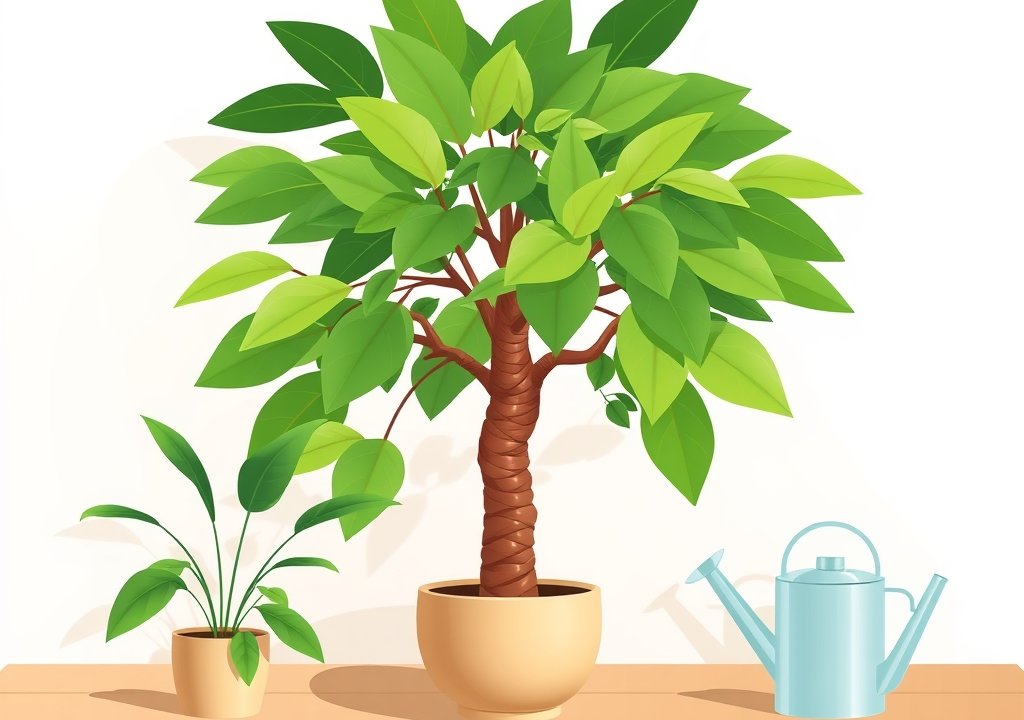
A money tree has glossy green leaves that grow in clusters of five on each stem. Its trunk is often woven from several young stems. Many people keep it for its tidy shape and easy-going nature.
It tolerates a range of indoor conditions, so it suits many homes. It can fill a corner, sit beside a window or stand in an office.
Where the Money Tree Comes From
The money tree comes from wetland and swampy areas of Central and South America. There it grows in warm, humid settings with plenty of water around its roots. This background explains some of its needs today.
Even so, it adapts well to dry indoor air. Its roots still dislike sitting in soggy soil.
Common Names and Look-Alike Plants
The plant is most often sold as a money tree, and its scientific name is Pachira aquatica. Some regions call it a Malabar chestnut. Some plants sold under similar names are different species, so check the label before you buy.
If the care tag names a different plant, follow the instructions for that one.
Money Tree Care Basics for Beginners
Good money tree care rests on four basics: light, water, soil and temperature. Getting these right prevents most problems. The sections below explain each one simply.
Light Needs for a Healthy Money Tree
Money trees prefer bright, indirect light. A spot near a window with filtered sunlight usually works well. Direct harsh sun can scorch the leaves, especially through glass.
The plant can handle medium light, but growth will be slower. Turn the pot every few weeks so the tree grows evenly.
How Often to Water a Money Tree
Water the plant when the top few centimeters of soil feel dry. Avoid a fixed schedule, since needs change with light, pot size and season. The plant generally needs less water in cooler months.
When you water, soak the soil thoroughly and let the excess drain away. Empty any water that collects in a saucer. Overwatering is a more common mistake than underwatering.
Soil and Pot Choices for Drainage
Use a well-draining potting mix, such as a general indoor blend with added perlite or bark. Good drainage lets air reach the roots and prevents water from pooling. Heavy garden soil holds too much moisture for a pot.
Choose a pot with at least one drainage hole. Terracotta helps because it lets moisture evaporate through its walls.
Temperature and Humidity Preferences
Money trees enjoy typical indoor room temperatures. Keep them away from cold drafts, heating vents and cold windows in winter.
Average household humidity is usually fine for this plant. Misting does little for long-term health, so a pebble tray or humidifier is more reliable if the air is very dry.
Step-by-Step Money Tree Care Routine
A simple routine helps you stay consistent. Follow these steps in order, then adjust them as you learn how your plant responds.
Setting Up the Plant in Your Home
- Choose a bright spot with indirect light and stable temperatures.
- Place the pot on a tray or saucer to catch runoff water.
- Keep the plant away from heaters, air conditioners and cold doorways.
Watering Steps That Prevent Root Rot
Check the soil with your finger before each watering. If the top layer is still damp, wait a few more days. When it is dry, water slowly until liquid drains from the bottom.
Empty the saucer after about 15 minutes so the roots do not sit in water. Root rot often starts with soggy soil that stays wet too long.
Feeding and Fertilizing During the Growing Season
Feed the plant with a balanced liquid houseplant fertilizer in spring and summer. Dilute it to half the label strength, since money trees are sensitive to strong fertilizer. Feed about once a month during active growth.
Stop feeding in fall and winter, when growth slows. Too much fertilizer can burn roots and cause brown leaf tips.
Pruning, Cleaning Leaves and Shaping the Trunk
Remove yellow or damaged leaves with clean scissors or pruners. Cut close to the stem without tearing the bark. Wiping leaves with a soft damp cloth removes dust and helps them absorb light.
To shape the plant, trim long or uneven branches in spring. Light pruning encourages fuller growth, and you should avoid cutting more than a small portion at once.
Common Money Tree Problems and How to Fix Them
Most issues come from water or light, not serious disease. Spotting symptoms early makes them easier to correct. The sections below cover the problems beginners see most often.
Why Are the Leaves Turning Yellow or Brown?
Yellow leaves often signal overwatering, especially when the trunk also feels soft. Brown, crispy tips can point to dry air, underwatering or too much fertilizer. Check soil moisture before you change anything.
Adjust one thing at a time, and give the plant a few weeks to recover.
Why Is the Trunk Soft or the Roots Smelly?
A soft trunk and a sour smell usually mean root rot. Remove the plant from its pot and check the roots. Healthy roots look firm and pale, while rotting roots look brown and mushy.
Cut away damaged roots with clean tools and repot in fresh, well-draining soil. Severe rot may not be reversible, so early action matters.
Pests to Watch For and How to Treat Them
Common pests include spider mites, mealybugs and scale. Look under leaves and along stems for small webs, white cottony spots or tiny bumps. Wipe pests off with a damp cloth.
For a light infestation, a mild insecticidal soap labeled for houseplants can help. Follow the product directions and isolate the plant until the problem clears.
Why Is My Money Tree Dropping Leaves?
Leaf drop usually follows fast changes in conditions. A move to a new spot, a draft from a door or a sudden temperature drop can all trigger it. Water stress, too much or too little, also causes leaves to fall.
Make sure the soil is not waterlogged and the plant is away from cold air. Once conditions settle, new growth usually follows within a few weeks.
Money Tree Care Compared: Indoor, Outdoor and Bonsai Styles
Money trees come in several forms, and each has slightly different needs. Knowing the differences helps you build a routine that fits your setup.
Indoor Money Tree Care Versus Outdoor Growing
Indoor plants depend on the light that reaches a window, so placement matters most. Outdoor plants get more light and humidity but also face rain, wind and cold. Bring outdoor plants inside before temperatures fall.
Braided Trunk Versus Single Trunk Plants
Braided trunks are several young stems woven together as they grow. Single-trunk plants grow straight from one stem. Both need the same basic care, though braids may need extra attention to stay neat.
Bonsai Money Tree Care Differences
Bonsai money trees stay small through root and branch pruning and shallow pots. Restricted roots dry out faster, so they need more frequent checks. Trim carefully and regularly to maintain the shape.
Money Tree Care Tips for Repotting and Long-Term Health
Repotting refreshes the soil and gives roots room to grow. Doing it at the right time keeps the plant healthy for years. It is a routine task, not an emergency measure.
Signs It Is Time to Repot
Repot when roots grow out of the drainage holes or fill the pot so tightly that water runs straight through. Soil that stays wet for too long is another sign. Slow spring growth can also point to a cramped root system.
Picking the Right Season and Pot Size
Spring is the best season to repot, as the plant is starting active growth. Move up only one pot size. A pot that is too big holds extra water and raises the risk of root rot.
Frequently Asked Questions
Is a money tree easy to care for as a beginner?
Yes, the money tree is generally considered beginner-friendly. It tolerates a range of indoor conditions and recovers well from small mistakes. Most trouble comes from overwatering, so careful watering matters most.
How much light does a money tree need indoors?
A money tree does best in bright, indirect light, such as near a window with filtered sun. Direct harsh sun can scorch the leaves. Turning the pot every few weeks helps the plant grow evenly.
Can a money tree grow in low light or a dark room?
It can survive in medium light, but growth will be slower and the plant may look thinner. Very dark rooms are not ideal for long-term health. Moving the plant closer to a window usually helps.
Why is my money tree’s trunk braided, and does it need to stay that way?
Growers often weave several young stems together while the plant is small, and the braid holds as the trunk thickens. The braid is a styling choice, not a health requirement. You can keep it, undo it or let the stems grow separately.
Is a money tree safe to keep around pets?
The money tree is generally listed as mildly toxic if eaten, so keep it out of reach of pets and small children. Eating plant material can cause stomach upset. If you suspect a pet has eaten part of the plant, contact a veterinarian.
Conclusion
Caring for a money tree comes down to bright indirect light, careful watering and well-draining soil. Let the top soil dry before watering again, and never leave the roots in standing water. Feed lightly in spring and summer, then rest the plant in cooler months. Watch for yellow leaves, soft trunks and leaf drop, as these usually signal water or placement problems. With simple, steady habits, a money tree can stay healthy for years.

Hi, I’m Mary, the founder of GardenCure.com. I’m passionate about creating healthy, beautiful gardens and well-kept lawns. I share practical experience and trusted advice on garden and lawn gear that truly works. With the support of my dedicated research team, our writers produce honest, in-depth reviews using reliable, authentic sources—helping you choose the right tools with confidence for your outdoor space.