How To Care For Aloe Plant
Caring for an aloe plant is easier than many new owners expect. Aloe is a hardy, low-maintenance succulent that stores water in its thick leaves. With the right light, soil and watering habits, it can stay healthy for years.
In this article
This guide covers the basics in plain language. It explains what aloe needs, how to water and repot it, how to spot common problems, and how to use its gel safely.
Key Takeaways
- Aloe needs bright light and well-draining soil to stay healthy.
- Water deeply but infrequently, and let the soil dry out between waterings.
- Most aloe problems come from overwatering, not underwatering.
- Use a pot with a drainage hole and a gritty cactus or succulent mix.
- Sap from some aloe leaves can irritate skin and pets, so handle it with care.
Aloe Plant Basics: What It Is and Why People Grow It
Aloe is a group of succulent plants with fleshy, pointed leaves that often grow in a rosette shape. Most people grow it for its attractive form and easy nature.
Aloe is also known for its gel, which people use on minor skin irritations. Even so, it is mainly valued as a decorative houseplant.
What Makes an Aloe Plant Different from Other Succulents
Aloe has thick leaves filled with clear gel, and many varieties have small teeth or spines along the edges. It tends to grow upright and may form offsets, which are small baby plants that grow from the base.
Compared with many cacti, aloe usually needs a little more water and tolerates less intense sun.
Common Aloe Varieties for Beginners
Aloe vera is the most widely grown type and is easy to find. Its green leaves are sometimes speckled, and it grows well indoors.
Other common types include the partridge breast aloe, with striped leaves and a compact shape, and zebra-style aloes, with patterned leaves. Most of these share similar care, so one basic routine works for each.
How Aloe Plants Grow and What They Need
Aloe grows best when its basic needs are met. These needs are light, water, air movement and a warm, stable environment. When one is off, the plant usually shows it in its leaves.
Knowing these needs makes the rest of care simpler. The sections below explain each one.
How Light Affects Aloe Growth
Aloe prefers bright light. A spot near a sunny window, such as a south- or west-facing one, usually works well. Bright indirect light also suits many homes.
Too little light causes weak, stretched growth, and leaves may lean toward the window and look pale. Strong sun on a plant that was indoors can scorch the leaves, so move it into brighter light gradually.
Why Aloe Plants Store Water in Their Leaves
Aloe lives in dry regions where rain can be rare. Its thick leaves store water in gel-filled tissue, so the plant can go long stretches without a drink.
Because of this design, aloe is more likely to suffer from too much water than too little. Roots and leaves can rot if the soil stays wet, so careful watering is essential.
Temperature and Humidity Needs
Aloe enjoys warm conditions. Most homes that feel comfortable for people also suit this plant. It does best with steady temperatures and dislikes cold drafts.
Aloe handles dry indoor air well, so extra humidity and misting are not necessary. Keep the plant away from heating vents and cold window glass in winter, since sudden temperature changes can stress it.
Step-by-Step Aloe Plant Care
Good care comes from a simple routine. The steps below cover choices made when you first bring an aloe home, along with habits that keep it healthy over time.
How to Choose the Right Pot and Soil
A pot with a drainage hole is essential. Water must be able to escape, or the roots can sit in wet soil and rot. Terracotta is a good choice because its porous walls help the soil dry out.
Use a gritty, fast-draining mix such as a cactus or succulent potting mix. Adding perlite or coarse sand improves drainage further.
How Often to Water an Aloe Plant
Water deeply but not often. Wait until the soil is dry through most of the pot before watering again. In many homes, this means every two to three weeks in warm months and much less in winter.
Pour water slowly until it runs out of the drainage hole, then empty the saucer so the plant does not sit in water. Schedules vary with light, temperature and pot size, so check the soil rather than the calendar.
How to Tell When Your Aloe Needs Water
Push a finger about two inches into the soil. If it feels dry, it is usually time to water. If it still feels damp, wait a few more days.
Leaves also give clues. Slightly soft or wrinkled leaves can mean the plant is thirsty, while firm, plump leaves usually mean it has enough water.
Feeding Your Aloe Plant: Fertilizer Tips
Aloe needs little feeding. A diluted, balanced houseplant fertilizer can be applied during spring and summer, when the plant grows actively. Skip feeding in winter.
Too much fertilizer can burn the roots and damage leaves. Follow the label directions and use less rather than more.
How to Repot an Aloe Plant Without Stress
Repot aloe when it outgrows its pot or the soil breaks down. Spring is the best season for this task. Choose a pot only slightly wider than the root ball.
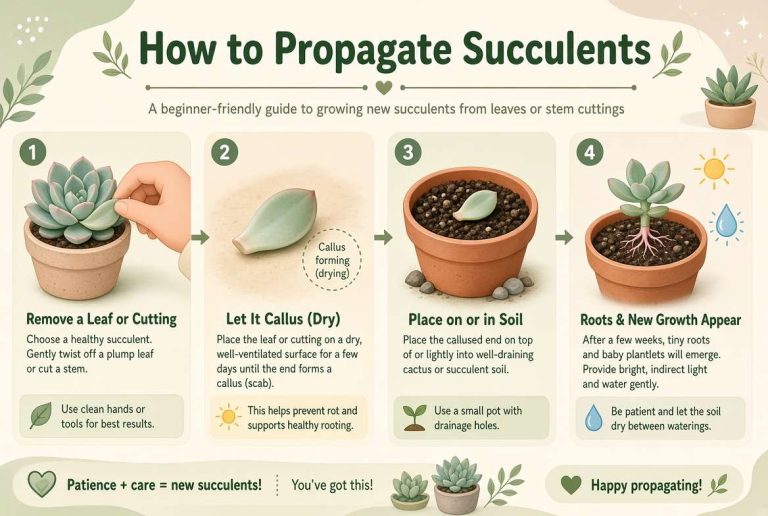
Gently remove the plant, shake off old soil and check the roots. Trim any that are black or mushy. Set the plant in fresh mix and wait several days before watering, which helps any cut roots heal.
Common Aloe Plant Problems and How to Fix Them
Most aloe problems are easy to spot once you know the signs. Acting early usually helps the plant recover.
Why Are the Leaves Turning Brown, Yellow or Mushy?
Yellow or mushy leaves often point to overwatering. Brown tips can come from too much direct sun, dry air or fertilizer buildup. Check the soil and light before changing anything else.
Remove badly damaged leaves at the base with a clean knife. Healthy growth will replace them over time.
Signs of Overwatering and Root Rot
Overwatered aloe often has soft, translucent leaves that collapse. The base may feel squishy, and the soil may smell sour. These are warning signs of root rot.
Let the soil dry out completely. If rot is severe, trim the damaged roots and repot the plant into fresh, dry mix.
Signs of Underwatering and Dehydration
Underwatered aloe has thin, wrinkled leaves that may curl or droop. The plant may look dull rather than plump. Water thoroughly and let the soil dry as usual. The plant usually recovers within a few weeks if the damage is not severe.
How to Deal with Pests Like Mealybugs
Mealybugs look like small white cottony spots, often in leaf joints. They suck sap and can weaken the plant. Dab each bug with rubbing alcohol on a cotton swab, then rinse the leaves gently. Repeat weekly until no pests remain, and isolate the plant while you treat it.
Indoor and Outdoor Aloe Care Compared
Aloe can live indoors or outdoors, depending on your climate. The right choice often depends on temperature and light where you live.
Growing Aloe Indoors Near a Window
Indoor aloe does well near a bright window. Rotate the pot every few weeks so the plant grows evenly, and keep it away from cold glass in winter. Indoor air is usually drier and steadier, which suits aloe well.
Moving Aloe Outside for the Summer
Many people move aloe outdoors during warm months. Place it in bright, indirect light first, then slowly increase sun exposure over one to two weeks to avoid leaf scorch. Bring the plant back inside before nights turn cold, since aloe does not tolerate frost.
Safe Ways to Keep Aloe Around Pets and Children
Aloe contains compounds that can upset the stomach of pets and people if eaten. Sap from the leaves can also irritate skin. Keep the plant out of reach of curious pets and young children, such as on a high shelf.
If you have concerns about a specific animal or person, check with a veterinarian or doctor.
Using Aloe Gel and Harvesting Leaves Safely
Aloe gel can soothe minor skin irritations. Harvesting it takes care, and the sap should be handled separately. Good technique keeps the plant healthy and the gel clean.
How to Cut an Aloe Leaf the Right Way
Choose an outer, mature leaf. Cut it at the base with a clean, sharp knife. Let the cut end drain for several minutes to remove the yellow sap.
Harvest only a few leaves at a time. Taking too many can weaken the plant and slow its growth.
What to Do with the Gel
Slice the leaf open and scoop out the clear inner gel. Rinse off any yellow residue. Apply it to clean skin, or store it in a sealed container in the fridge for a short time.
If skin irritation develops or the gel is swallowed, seek medical advice. Patch testing a small area first is a sensible habit.
Frequently Asked Questions
How often should I water my aloe plant in winter?
Water much less often in winter, often once a month or less, depending on your home. Check that the soil is dry deep down before watering. Plants grow more slowly in cold months and need less water.
Can aloe plants grow in low light?
Aloe struggles in low light and often grows weak and stretched. It needs bright light for healthy, compact growth. A sunny window is the best indoor spot.
Why is my aloe plant leaning or stretching toward the light?
This is a common sign that the plant needs more light. It reaches toward the brightest source available. Move it to a sunnier spot gradually, and rotate the pot regularly.
Do aloe plants need to be repotted often?
Aloe usually needs repotting only every two to three years, or when it outgrows its pot. Repotting too often can stress the roots. Watch for crowded roots or soil that no longer drains well.
Is aloe plant sap safe to touch or eat?
The yellow sap can irritate skin for some people and cause stomach upset if swallowed. Wash your hands after handling the plant.
Hi, I’m Mary, the founder of GardenCure.com. I’m passionate about creating healthy, beautiful gardens and well-kept lawns. I share practical experience and trusted advice on garden and lawn gear that truly works. With the support of my dedicated research team, our writers produce honest, in-depth reviews using reliable, authentic sources—helping you choose the right tools with confidence for your outdoor space.