
How To Care For Planted Tulips
Caring for planted tulips is simpler than many beginners expect. Most of the work happens before the bulbs go into the ground and in the weeks after the flowers appear. With a few clear habits, tulips can bloom well in spring and often return the following year.
This guide explains what tulips need, how bulbs grow underground, and how to water, feed and protect them. It also covers what to do during and after flowering, and how to care for tulips in pots. Each step is written for someone who has never grown bulbs before.
Key Takeaways
- Plant tulip bulbs in autumn, in a sunny spot with soil that drains well.
- Water lightly but consistently, and avoid soggy soil that can cause rot.
- Let the leaves die back naturally after blooming so the bulb can store energy.
- Protect bulbs from pests, fungal problems and animals such as squirrels and deer.
Basics of Caring for Planted Tulips
What Tulips Need to Grow Well
Tulips need three basic things: good light, well-drained soil and a cold period through winter. Most tulips grow best in full sun or light shade during the day. They also need a chill period, which is why they are planted in autumn and bloom in spring.
Soil matters just as much as light. Tulips dislike sitting in wet ground, because water around the bulb invites rot. Loose, crumbly soil that lets excess water drain away suits them well.
How Tulip Bulbs Grow Underground
A tulip bulb is a storage organ packed with food for the plant. Inside it is the embryo of next season’s flower and leaves. When planted, the bulb sends out roots in autumn and stays dormant through the cold months.
In spring, the shoot pushes up through the soil and grows leaves and a flower bud. The flower draws on the energy stored in the bulb. That is why the bulb needs time after flowering to recharge for the.
Common Mistakes Beginners Make
One frequent mistake is planting bulbs too late in autumn. Bulbs that go in very late may root poorly and bloom weakly. Another is overwatering, which keeps the soil wet and encourages decay.
Many beginners also cut off the leaves right after flowering. This removes the leaves the bulb needs to feed itself. Planting bulbs too shallow or in heavy clay without improvement are other common problems.
Planting Tulip Bulbs Before Care Begins
Pick the Best Time to Plant Bulbs in Autumn
Autumn is the usual planting season for tulip bulbs. Planting is generally done once the soil has cooled, typically in the weeks before the ground freezes. Bulbs need a cool period to root before winter sets in.
Local weather varies, so the exact timing depends on your region. A general guide is to plant when nighttime temperatures begin to drop and the soil is cool but not frozen.
Choose a Sunny, Well-Drained Spot
Pick a spot that gets sun for most of the day. Tulips in shade often grow tall, thin and produce fewer flowers. A raised bed or a slope can help water drain away from the bulbs.
If your soil is heavy clay, mix in compost or coarse material to loosen it. This simple step makes a large difference to drainage and root growth.
How Deep and How Far Apart to Plant
A common rule is to plant bulbs about two to three times as deep as the bulb is tall. Pointed ends should face upward. Space bulbs a few finger-widths apart so they have room to grow.
Planting too shallow can leave bulbs exposed to cold and animals. Planting too close can crowd the clump and reduce flowering over time.
Watering Planted Tulips Correctly
How Often much to water in this stage. Watering needs depend on rainfall and soil type, so a regular check is the best guide.
In most gardens, a deep watering once a week in dry spells is enough once bulbs have sprouted. Spring rain often does the job on its own. Always push a finger into the soil before watering to see if it feels dry a few centimeters down.
Signs of Overwatering and Underwatering
Overwatered tulips may show yellowing leaves, soft spots on bulbs and a sour smell from the soil. Underwatered plants often have curling or drooping leaves and smaller flowers. Both problems can be corrected by adjusting how much water you give.
Because of this, the goal is steady moisture that never becomes waterlogged. Good drainage does most of the protective work.
Watering Tulips in Containers Versus Garden Beds
Garden beds hold moisture longer and usually need less frequent watering. Containers dry out faster, especially in warm weather or under wind. Check potted tulips more often and make sure excess water can leave through the drainage holes.
Feeding and Fertilizing Tulips
Which Fertilizer Suits Tulip Bulbs
Tulips benefit from a balanced or bulb-specific fertilizer that is higher in phosphorus and potassium. These nutrients support root growth and flower production. Read the label and follow the directions on the package.
Bone meal is sometimes used, but its benefit is limited if the soil is already fertile. Compost worked into the soil at planting time is a gentle, widely used option.
When and How to Apply Plant Food
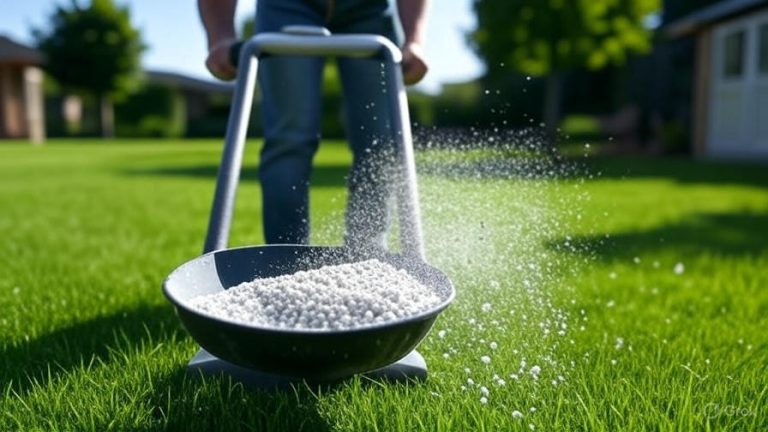
Apply fertilizer at planting time, mixing it into the soil below the bulbs rather than directly on them. A second light feeding can be given when shoots appear in spring. Water it in gently after applying.
Feeding is most useful when growth is weak. Healthy soil with good organic matter may need little extra help.
Avoiding Too Much Nitrogen
Nitrogen encourages leafy growth, but too much can make tulips grow soft and weak. It can also reduce flowering. Avoid high-nitrogen lawn fertilizers near tulip beds.
In short, a small amount of balanced feed goes a long way. More is rarely better.
Protecting Tulips from Pests, Disease and Animals
Common Tulip Pests to Watch For
Aphids may gather on new shoots, and bulb mites can damage stored or planted bulbs. Slugs and snails sometimes chew young leaves. Check plants regularly so problems are caught early.
Removing damaged bulbs and clearing debris helps reduce pest numbers. Handpicking pests is often enough for small gardens.
Preventing Bulb Rot and Fungal Problems
Bulb rot is usually caused by wet soil, damaged bulbs or poor air flow. Plant only firm, healthy bulbs and avoid areas that stay soggy. Remove any bulbs that feel mushy or moldy.
Good drainage and spacing are the most reliable prevention methods. Clean tools and avoid overcrowding to limit the spread of fungal problems.
Keeping Squirrels, Deer and Rodents Away
Squirrels, voles and deer may dig up or eat tulip bulbs and shoots. Planting bulbs deeper and using wire mesh over the bed can deter digging. Some gardeners also use strong-smelling deterrents, though results vary.
Planting tulips in a fenced area or in pots kept off the ground can also help. No method is guaranteed, so combining a few approaches usually works best.
Caring for Tulips During and After Flowering
Deadheading Spent Blooms the Right Way
Deadheading means removing the faded flower head before it sets seed. Cut or pinch off the flower, but leave the stem and leaves in place. This directs the plant’s energy back into the bulb.
Use clean scissors or pruners to avoid spreading disease.
Clean tools help prevent the spread of disease between plants.
Why Foliage Must Be Left to Die Back
After flowering, the leaves keep working for several weeks. They capture sunlight and send food down into the bulb. Cutting them too early weakens the bulb and can reduce’s blooms.
Wait until the leaves turn yellow and feel dry before removing them. This usually takes several weeks. Patience at this stage pays off in stronger flowers later.
Feeding Bulbs After the Flowers Fade
A light feed after flowering can support the bulb as it rebuilds its stores. Choose a balanced or bulb fertilizer and apply it sparingly. Water it in so the nutrients reach the roots.
Avoid heavy feeding at this stage. Too much can cause rot or excessive leaf growth without better flowers.
Caring for Tulips in Containers and Small Spaces
Picking a Pot and Drainage Holes
A pot must have drainage holes so water can escape. Without them, the bulbs sit in wet soil and are likely to rot. A pot that is deep enough for the bulbs to be planted at the right depth also works best.
Use a good-quality potting mix rather than garden soil. It drains more freely and reduces the risk of compaction.
Watering and Feeding Container Tulips
Containers dry out faster than beds, so check moisture often. Water when the top layer of mix feels dry, and let excess drain freely. Feed lightly at planting and again when shoots appear, following the product directions.
Because nutrients wash out of pots more quickly, a light feed is often enough to keep plants healthy.
Moving Potted Bulbs Indoors or Outdoors
Potted tulips usually need a cold period outdoors to bloom well. Keep them in an unheated, sheltered place such as a garage or cold frame during winter. Move them into a bright, cool spot once shoots appear.
Avoid placing them near heaters or in very warm rooms. Heat can cause weak, leggy growth.
Lifting, Storing and Replanting Tulip Bulbs
When to Lift Tulip Bulbs
Some gardeners lift bulbs once the foliage has fully died back, usually in early summer. Lifting allows you to check for rot, separate offsets and replant in a fresh spot. Not every gardener chooses to lift, and many leave bulbs in place.
How to Store Bulbs Over Summer
Dry the bulbs in a warm, shaded, airy place for a few weeks. Remove loose soil and any damaged or soft bulbs. Store them in a paper bag or mesh bag in a cool, dry location until autumn.
If Tulips Return
Many tulips bloom well for only a year or two, especially the large hybrid types. Species tulips are often more reliable at returning. Good care after flowering improves the chance of repeat blooms, but results vary by variety and climate.
Frequently Asked Questions
Do planted tulips need full sun to bloom?
Full sun is ideal for most tulips and usually produces the strongest flowers. Light shade is acceptable, but deep shade often leads to tall, thin stems and fewer blooms. Choose the sunniest spot your garden offers.
How often should I water tulips after planting?
Water once after planting to settle the soil. After that, rainfall often provides enough moisture. In dry spells, water deeply about once a week and check the soil before adding more.
Can I cut tulip leaves after the flowers fade?
It is best to leave the leaves in place until they turn yellow and dry. The leaves feed the bulb for. Cutting them early can weaken the bulb and reduce flowering.
Do tulips come back?
Some do, but many bloom with less vigor each season. Species tulips and well-drained, sunny sites tend to perform better over time. regular checking. Results vary by variety and climate, so no single answer applies to every garden.
What should I do if my tulips stop flowering?
Check that the bulbs had enough sun, good drainage and time for their leaves to die back last season. Overcrowding and too much nitrogen are also common causes. Adjusting these factors often helps bulbs flower again.
Conclusion
Caring for planted tulips comes down to a few steady habits. Plant in autumn in a sunny, well-drained spot, and water lightly but consistently. Feed sparingly, protect bulbs from pests and animals, and let the foliage die back naturally. These simple steps give tulips the best chance of strong blooms each spring.

Hi, I’m Mary, the founder of GardenCure.com. I’m passionate about creating healthy, beautiful gardens and well-kept lawns. I share practical experience and trusted advice on garden and lawn gear that truly works. With the support of my dedicated research team, our writers produce honest, in-depth reviews using reliable, authentic sources—helping you choose the right tools with confidence for your outdoor space.


One Comment