How To Care For A Gardenia Plant
Gardenias are prized for their large white flowers and sweet, rich fragrance. Many beginners, however, find them hard to keep healthy. This guide explains how to care for a gardenia in plain steps, from picking a good spot to watering, feeding and fixing common problems.
In this article
You will learn what a gardenia needs to thrive and why it reacts quickly to small changes. With a few steady habits, the plant can produce glossy leaves and blooms for many seasons.
Key Takeaways
- Gardenias need bright, filtered light, steady moisture and mild temperatures.
- They prefer acidic, well-draining soil and fertilizer made for acid-loving plants.
- Humidity and stable conditions help prevent bud drop and yellow leaves.
- Checking leaves, soil and pests regularly makes problems easier to fix early.
Introduction
This article is written for people with little or no gardenia experience. It covers the basics first, then moves to more specific tasks.
You do not need special tools to care for a gardenia. You do need patience, because the plant shows its needs through its leaves and buds. Learning to read those signs is a large part of good care.
How to Care for a Gardenia Plant: Quick Overview
A healthy gardenia needs four things: the right light, consistent moisture, acidic soil and mild air. Most problems start when one of these falls out of balance. Keeping them steady is the core of gardenia care.
The rest of this guide explains each need in detail and offers a simple routine you can follow.
What Is a Gardenia Plant and Why Do Beginners Find It Tricky
Gardenia Basics: Shrub Type, Flowers and Fragrance
The gardenia is an evergreen shrub with glossy, dark green leaves. Its flowers are usually white, single or double, and strongly scented. The plant belongs to the coffee family, which helps explain its soil preferences.
Gardenias can be grown in the ground in warm climates or kept in pots indoors where winters are cold. Either way, the plant asks for steady conditions.
Why Gardenias Are Known as Fussy Plants
Gardenias react quickly to stress. A change in temperature, a dry spell or a move to a new spot can cause leaves to drop or buds to fall. This reaction is why the plant has a reputation for being difficult.
Once you understand its habits, the plant is not hard to please. Most of its troubles come from a few common mistakes, and these are easy to correct.
Light and Location Needs for Gardenia Plants
How Much Sun a Gardenia Needs Indoors and Outdoors
Gardenias like bright light but dislike harsh, direct sun, especially in hot afternoons. Outdoors, a spot with morning sun and light shade later in the day works well. Indoors, a bright window with filtered light is a good choice.
Too little light leads to weak growth and few flowers. Too much direct sun can scorch the leaves, which may turn pale or brown at the edges.
Picking a Spot That Avoids Heat and Drafts
Place the plant away from heaters, air vents and cold drafts from doors. Sudden blasts of hot or cold air often cause leaves to yellow and buds to drop. A quiet spot with steady air is ideal.
Avoid moving the plant often. Gardenias do better when they stay in one place once they settle in.
Watering Gardenia Plants Correctly
How Often to Water a Gardenia Plant
Gardenias need steady moisture, so the soil should stay evenly damp without becoming soggy. Check the top layer of soil with a finger before each watering. If it feels dry, water slowly until water runs out of the drainage holes.
Water less often in cool weather and more often in warm, dry weather. Pots dry out faster than plants in the ground. Always empty the saucer under the pot so the roots do not sit in water.
Signs of Over-Watering and Under-Watering
Too much water can cause yellow leaves, soft stems and a sour smell from the soil. Roots in soggy soil can rot over time. The plant may look wilted even though the soil is wet.
Too little water causes dry, crispy leaf edges and buds that drop before opening. In both cases, adjust watering gradually rather than all at once.
Using Water That Suits Acidic-Loving Plants
Gardenias prefer water that is soft and slightly acidic. Hard tap water with high lime levels can slowly raise the soil pH. Rainwater is a good choice when it is available.
If you only have hard water, let it sit for a day before use. This does not fully soften it, but it helps the water reach room temperature. Gardenias also dislike cold water straight from the tap.
Soil, Potting Mix and Acidity for Gardenia Care
Best Soil Type for Gardenia Plants
Gardenias need rich, loose soil that holds some moisture but drains freely. A potting mix made for acid-loving plants is a sensible starting point. Many gardeners add peat moss or pine bark to improve texture and acidity.
Heavy clay holds too much water and can suffocate the roots. Sandy soil drains too quickly and holds too little moisture. A balanced mix avoids both problems.
Why Soil pH Matters and How to Keep It Acidic
Soil pH measures how acidic or alkaline the soil is. Gardenias grow best in slightly acidic soil. When the soil becomes too alkaline, the plant cannot absorb iron properly.
The result is yellow leaves with green veins, a symptom called iron chlorosis. To keep soil acidic, use acidic mulch such as pine needles and feed with products made for acid-loving plants.
Repotting a Gardenia Plant at the Right Time
Repot a gardenia when its roots fill the pot or when growth slows noticeably. Spring is generally the best time, as the plant enters its active growing period. Choose a pot only slightly larger than the old one.
Use fresh potting mix and water well after repotting. Avoid feeding for several weeks so the roots can settle.
Feeding and Fertilizing a Gardenia Plant
Picking a Fertilizer Made for Acid-Loving Plants
Fertilizers labeled for acid-loving plants help keep the soil suitable for gardenias. These products usually supply nitrogen, phosphorus and potassium along with trace elements such as iron. Read the label and follow the package directions.
Slow-release granules are easy for beginners because they feed gradually. Liquid feeds work well for pots that need quicker results.
Feeding Schedule Through the Growing Season
Feed gardenias during the warmer months when they are growing and setting buds. Stop feeding in late autumn and winter, when growth slows. Overfeeding can burn roots and cause salt buildup.
Many people feed every few weeks in spring and summer. Water the plant before applying fertilizer to protect the roots.
Fixing Yellow Leaves From Nutrient Problems
Yellow leaves can signal overwatering, poor light or nutrient shortages. A yellow leaf with green veins usually points to iron deficiency, often linked to alkaline soil. Check the soil pH and watering habits before adding more fertilizer. A balanced acid-loving feed usually corrects the problem over several weeks.
Temperature, Humidity and Seasonal Care
Ideal Temperature Range for Gardenias
Gardenias prefer mild days and cooler nights. Very hot weather and sudden cold snaps both stress the plant, so steady temperatures help reduce bud drop.
Indoors, a room that feels comfortable for people usually suits the plant. Keep it away from fireplaces and heating vents.
Raising Humidity for Indoor Gardenia Plants
Gardenias enjoy moist air, and indoor heating often dries it out. Group the plant with others, or set its pot on a tray of wet pebbles so the pot sits above the water.
Misting the leaves offers only a brief benefit. A humidifier or pebble tray gives steadier results.
Winter Care and Protecting Plants From Cold
In winter, move potted gardenias to a bright, cool room away from cold windows. Water less often, since the plant uses less moisture when growth slows. Protect outdoor plants with mulch around the base and cover them during hard frost.
A steady winter routine helps the plant rest and prepare for spring growth.
Pruning and Deadheading Gardenia Plants
When to Prune a Gardenia for Better Blooms
Prune gardenias lightly after flowering ends. Buds for the next season form on growth made in the previous months, so late-year pruning removes them. Light shaping keeps the plant compact and encourages new branches.
Remove dead, damaged or crossing branches at any time. Cut just above a leaf node for clean healing.
How to Deadhead Spent Flowers Safely
Deadheading means removing faded blooms. Snip the spent flower stalk with clean scissors just above the next leaf set. This tidies the plant and helps it focus on new growth.
Wear gloves if the sap irritates your skin, as it can cause mild irritation for some people.
Common Pests and Diseases of Gardenia Plants
Spotting Aphids, Scale and Spider Mites
Aphids are small soft insects that cluster on new growth and buds. Scale looks like small brown bumps on stems and leaves. Spider mites cause fine speckling and tiny webs, especially in dry indoor air.
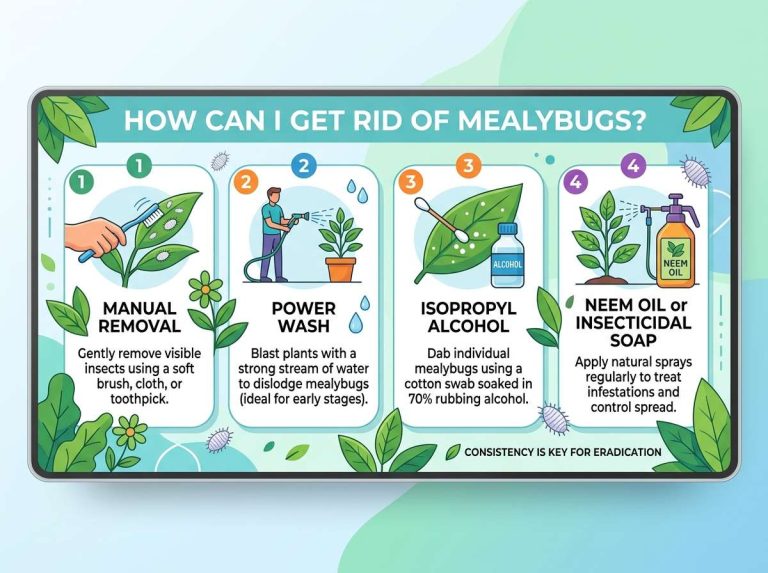
Check the undersides of leaves each week. Wipe off pests with a damp cloth or rinse the plant gently. Insecticidal soap is a common choice for light infestations when used as the label directs.
Treating Sooty Mold and Leaf Problems
Sooty mold is a black, powdery coating that grows on the sticky honeydew left by sap-feeding pests. It does not attack the plant directly, but it blocks light. Control the pests first, then wipe the leaves clean.
Brown spots or leaf blotches may point to fungal problems. Remove badly affected leaves and avoid wetting the foliage in the evening.
Preventing Bud Drop and Why Buds Fall Off
Bud drop is one of the most common complaints. It usually comes from sudden temperature changes, dry air, uneven watering or a move to a new spot. Pests can also cause buds to fall.
Keep conditions steady and check the plant regularly. Small, consistent habits prevent most bud drop.
Step-by-Step Gardenia Care Routine for Beginners
Weekly and Monthly Care Checklist
- Check soil moisture with a finger each week and water when the top layer feels dry.
- Look under leaves and around buds for signs of pests.
- Turn the pot a quarter turn so the plant grows evenly toward the light.
- Feed during spring and summer, following the label directions.
- Check the soil pH and mulch once a month, adding acidic mulch if needed.
Simple Tips to Get More Flowers
Give the plant bright, filtered light and steady moisture. Feed it in the growing season with an acid-loving fertilizer. Deadhead spent blooms to keep the plant tidy.
Consistent care gives the best chance of blooms. Steady habits pay off over time.
Gardenia Care Indoors Versus Outdoors: A Comparison
Pros and Cons of Growing Gardenias in Pots
- Pros: You can move the plant to suit light and temperature changes.
- Pros: Soil and acidity are easier to control in a container.
- Cons: Pots dry out faster and need more frequent checks.
- Cons: Roots can overheat or freeze if the pot is left exposed.
Pros and Cons of Planting Gardenias in the Ground
- Pros: Roots have more space and moisture stays steadier.
- Pros: The plant often needs less daily attention once established.
- Cons: Soil pH is harder to adjust and may not suit the plant.
- Cons: Cold winters can damage plants in regions that are too cool.
Frequently Asked Questions
Why are the leaves on my gardenia turning yellow?
Yellow leaves often come from overwatering, poor light or a lack of iron. Check soil moisture and pH first. Adjust watering and use an acid-loving feed if needed.
Why are my gardenia buds falling off before they open?
Bud drop usually follows sudden temperature changes, dry air or uneven watering. Pests can also cause it. Keep conditions steady and inspect the plant regularly.
Can a gardenia plant grow indoors all year?
Yes, a gardenia can grow indoors with bright, filtered light and steady warmth. Humidity and draft control also matter. Keep it away from heaters and cold windows.
Why does my gardenia not flower?
Lack of flowers often comes from too little light, poor feeding or cold stress. Pruning at the wrong time can also remove buds. Review light, feeding and pruning habits.
Is a gardenia plant safe to keep around pets?
Gardenias are generally considered mildly toxic if eaten and may cause stomach upset in pets. Keep the plant out of reach of animals. If you suspect your pet has eaten it, contact a veterinarian for advice.
Conclusion
Gardenias reward steady, careful habits. Give the plant bright light, even moisture, acidic soil and mild air. Watch leaves and buds for early signs of trouble. With a simple weekly routine, beginners can enjoy fragrant blooms for many seasons.
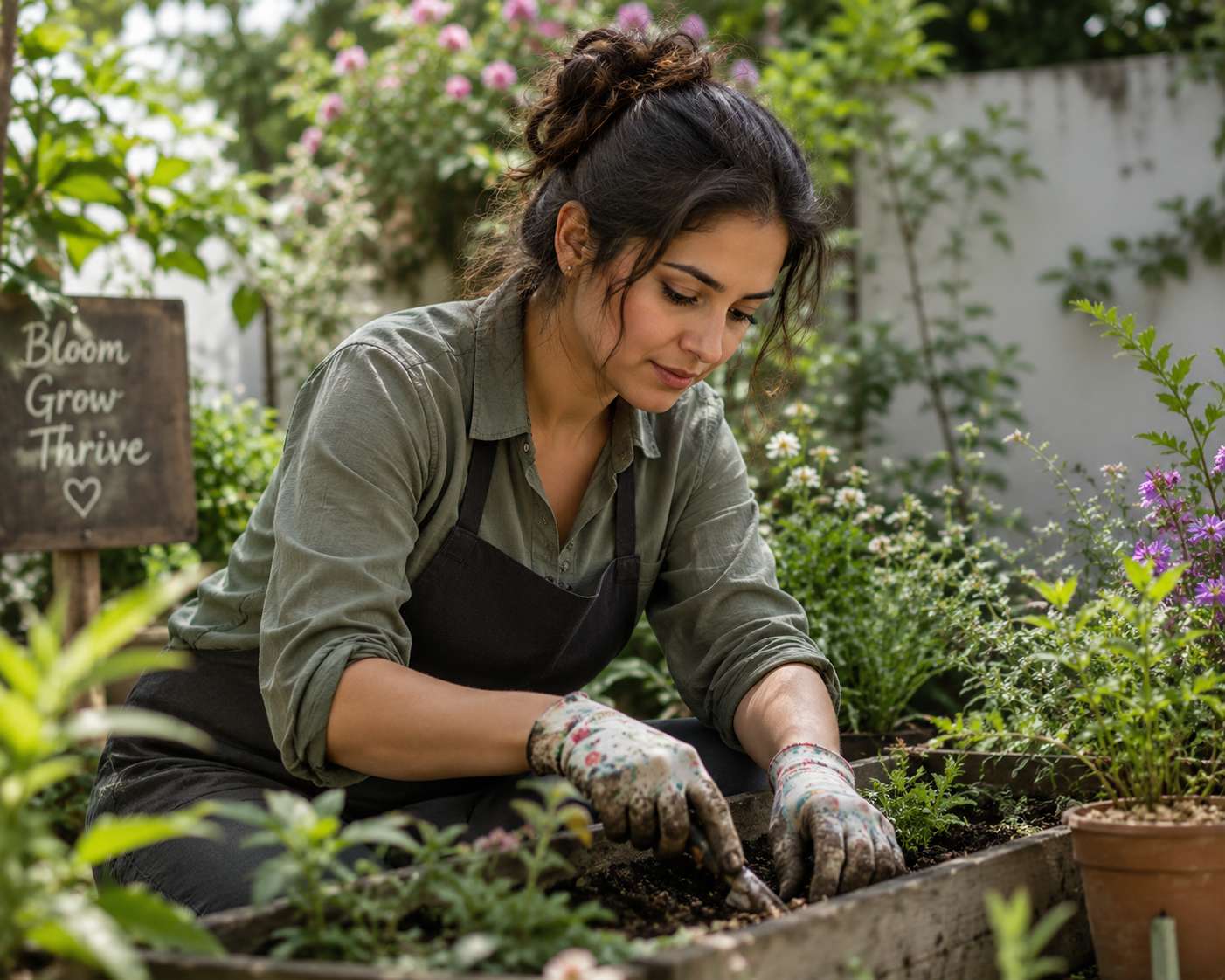
Hi, I’m Mary, the founder of GardenCure.com. I’m passionate about creating healthy, beautiful gardens and well-kept lawns. I share practical experience and trusted advice on garden and lawn gear that truly works. With the support of my dedicated research team, our writers produce honest, in-depth reviews using reliable, authentic sources—helping you choose the right tools with confidence for your outdoor space.