How To Care For A Monstera Plant
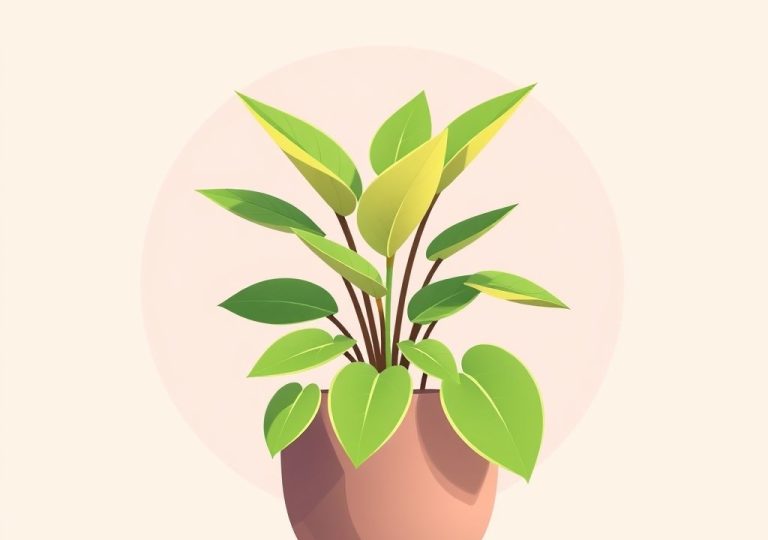
Monstera plants are popular indoor plants with large, glossy leaves that often have splits and holes. They are fairly forgiving once you understand their basic needs. This guide explains how to care for one in plain words.
In this article
You will learn about light, watering, humidity, soil and common problems, plus the most frequent beginner mistakes.
Key Takeaways
- Give your Monstera bright, indirect light rather than harsh direct sun.
- Water only when the top part of the soil feels dry, and never let the pot sit in water.
- Use a chunky, well-draining potting mix and a pot with drainage holes.
- Watch for yellow leaves, pests and root rot, and act early.
Basics of Monstera Plant Care
Good Monstera care rests on a few core needs: light, water, air, soil and an occasional feed. When these basics are right, the plant usually grows steadily and produces new leaves.
Most problems come from getting one of these wrong. Too much water is the most common issue, and too little light is second.
Light, Water and Humidity Essentials
Monstera plants prefer bright, filtered light. A spot near a window with sheer curtains often works well. Direct midday sun can scorch the leaves over time.
Water when the top portion of the soil has dried out. Average household air is often drier than this plant likes, so some extra humidity helps.
Common Monstera Problems to Watch For
The most frequent problems include yellowing leaves, drooping stems, brown leaf edges and pests. Each one offers a clue about what the plant needs.
Check your plant weekly. A quick look can reveal small changes before they become serious.
What Is a Monstera Plant and Why Does It Need Special Care?
The Monstera is a leafy houseplant in the aroid family, often called the Swiss cheese plant. Its leaves grow larger and develop splits as it matures.
As a naturally climbing plant, it has specific growth habits. Knowing where it comes from explains many of its care needs.
Where the Monstera Comes From
Monstera plants grow in the warm, humid forests of Central and South America. They often climb trees and receive filtered light through the canopy, with roots in loose, fast-draining soil.
Warmth, filtered light, moist air and fast-draining soil at home all mirror this natural setting.
Why Monstera Leaves Split and Holes Form
The splits and holes in Monstera leaves are called fenestrations. They develop as leaves mature and may help leaves handle strong winds and let light reach lower leaves.
Young leaves often come out solid. Splits usually appear as the plant gets older and receives enough light.
Monstera Light Requirements for Beginners
Light powers growth. A Monstera needs enough light to produce large, healthy leaves. Too little light leads to small leaves and long gaps between them.
Placement matters more than special equipment. Picking the right spot is usually the easiest way to meet its light needs.
Bright Ind irect Light Explained
Bright indirect light means strong brightness without direct sun hitting the leaves. An east-facing window is often a good spot.
A north-facing window can work, though growth may be slower. South and west windows can be strong, so a sheer curtain helps soften the light.
Signs Your Monstera Is Getting Too Little or Too Much Light
Too little light causes small leaves, long stems and few splits. The plant may lean toward the window and slow down.
Too much light can cause brown, crispy patches or faded, curling leaves. A healthy plant has deep green color and steady new growth.
How Often to Water a Monstera
Many beginners overwater. Monstera likes moist soil, but not soggy soil. Water thoroughly, then let the soil partly dry before watering again.
No fixed schedule fits every home. Pot size, light, temperature and soil type all affect how fast the soil dries. Checking the soil is more reliable than counting days.
Checking Soil Moisture Before You Water
Push a finger about two inches into the soil. If it feels dry at that depth, it is usually time to water. If it still feels damp, check again in a few days.
Water slowly until liquid runs out of the drainage holes. Then empty the saucer so the roots do not sit in water.
Overwatering and Underwatering Symptoms
Overwatering often causes yellow leaves, soft stems and a sour or musty smell from the soil. Roots can rot if the soil stays soggy too long.
Underwatering usually shows as crispy brown leaf edges and drooping leaves that perk up after a drink. Knowing the difference helps you respond correctly.
Best Watering Routine by Season
Monstera needs more water in spring and summer, when it grows actively. Growth slows in cooler months, so the soil stays wet longer and watering should be less frequent.
Check the soil every week or so, whatever the season. Adjust based on what you find rather than sticking to a calendar.
Humidity, Temperature and Air Flow for Monstera Plants
Monstera grows best in warm, humid air. Most homes are drier than the plant’s native forest, so small changes can make a visible difference.
Air flow matters too. Stuffy air can encourage pests and fungal problems, so a gentle breeze from a fan or open window helps.
Ideal Temperature Range for Indoor Monsteras
Most indoor Monsteras do well at typical room temperatures. They prefer warmth and dislike sudden cold. Keep them away from cold drafts, open doors and heating vents.
Stable warmth matters more than any exact number. Steady conditions help the leaves grow evenly.
Simple Ways to Raise Humidity Around Your Plant
Grouping plants together helps, since they release some moisture as they grow. A pebble tray works too, as long as the pot sits above the water line so the roots stay dry.
A small room humidifier is another option. Misting gives only a short boost, so consistent humidity works better.
The Right Soil, Pot and Drainage
The right soil and pot give roots the air and drainage they need. Many beginner problems start with dense soil that holds too much water.
Well-Draining Potting Mix for Monstera
A chunky, airy potting mix works best. Many gardeners blend standard potting soil with perlite, orchid bark or coco chips. These additions let water move through quickly and let air reach the roots.
Avoid heavy garden soil, which packs down and stays wet. Pre-made aroid or tropical mixes are a practical choice.
Pot Size, Repotting Frequency and Drainage Holes
Choose a pot only slightly wider than the root ball. A pot that is too large holds extra water the roots cannot use. Always pick one with drainage holes.
Repot when roots circle the surface or push out of the drainage holes. Move up one pot size at a time.
Feeding Your Monstera: Fertilizer Basics
Fertilizer supplies extra nutrients the soil may lack. A Monstera does not need feeding all year. Too much can burn the roots and leaves.
Feeding works best during the active growing season. Let the plant rest in cooler months when growth slows.
When to Fertilize and When to Rest
Feed the plant in spring and summer, about once a month. Stop in fall and winter. Skip fertilizer for a freshly repotted plant, since the roots need time to settle.
Also skip feeding a plant that looks stressed or sick. Fix the light, water or pest issue first.
Diluted Liquid Fertilizer and Slow-Release Options
A balanced liquid houseplant fertilizer works well at half the strength on the label. Water the soil first, then apply the solution to avoid root burn.
Slow-release granules feed the plant gradually. Follow the package directions closely. Less fertilizer is usually safer than too much.
Pruning, Cleaning and Supporting Your Monstera
Regular pruning and cleaning keep the plant tidy and help it photosynthesize well. Support lets it climb as it does in nature.
Use clean, sharp scissors or pruners. Dirty tools can spread disease.
How to Trim Yellow or Damaged Leaves
Cut yellow, brown or badly damaged leaves at the base of the stem. Leave a small piece of stem attached so the cut heals cleanly.
Avoid removing more than a few leaves at once. The plant needs healthy foliage to produce energy.
Wiping Dust Off Leaves for Healthier Growth
Dust builds up on large leaves and can block light. Wipe each leaf gently with a soft, damp cloth, supporting it from underneath.
Doing this every few weeks keeps leaves shiny and lets you check for pests.
Using a Moss Pole or Stake for Climbing Support
Monstera plants naturally climb, so a moss pole or wooden stake gives them something to grip. Aerial roots can attach to the pole and take in moisture. Tie the main stem loosely with soft plant ties.
Keep the pole damp for best results. Support also helps leaves grow larger over time.
Encouraging Fenestrations and Larger Leaves
Bright indirect light, steady watering and good support all encourage larger, more split leaves. Mature plants develop fenestrations more readily than young ones, so patience matters.
Avoid cutting new leaves to force splits. Let the plant grow naturally in good conditions instead.
Common Monstera Pests and Diseases
Pests and diseases can appear even on well-cared-for plants. Catching them early makes them easier to manage. Check the undersides of leaves and the soil surface every week or two.
Spider Mites, Mealybugs and Scale
Spider mites leave fine webbing and tiny speckles on leaves. Mealybugs look like small white cottony clumps in leaf joints. Scale appears as small brown bumps on stems and leaf veins.
Wipe off visible pests with a cotton swab dipped in water. Repeat over several weeks to catch newly hatched insects.
Root Rot and Leaf Spots
Root rot often starts with overwatering. Affected roots turn brown and mushy. Remove the plant, trim the damaged roots and repot into fresh, dry mix.
Leaf spots often link to wet leaves and poor air flow. Remove affected leaves, avoid wetting foliage late in the day and improve air movement around the plant.
Natural Treatment Options for Beginners
A mild solution of water and a few drops of gentle liquid soap can help control soft pests. Test it on one leaf first to check for damage, then rinse afterward.
Insecticidal soap and neem oil are common options for many pests. Follow label directions exactly and treat again after a week or so if pests return.
Propagating Monstera: Growing New Plants from Cuttings
Propagation means growing a new plant from a piece of an existing one. Monstera can be propagated from stem cuttings with at least one node, the small bump where a leaf and aerial root can grow.
Spring and summer are usually the best times to try, since growth is faster and helps cuttings root.
Water Propagation Step by Step
- Cut a stem just below a node using clean, sharp scissors.
- Place the cutting in a jar of clean water so the node sits under the surface.
- Set the jar in bright, indirect light and change the water every week or so.
- Wait until roots grow several centimeters long before potting.
- Transfer the rooted cutting into a small pot of well-draining mix.
Roots can take several weeks to appear. Be patient and keep the water fresh.
Soil Propagation and Air Layering Basics
You can also root a cutting directly in moist, chunky potting mix. Keep the soil lightly damp and the cutting in bright, indirect light. A clear bag placed loosely over the top can hold humidity.
Air layering involves wrapping moist moss around a node on the parent plant while it is still attached. Once roots form, the top can be cut and potted separately.
Monstera Care Mistakes Beginners Often Make
Most mistakes are small and easy to fix once you spot them. Knowing the common ones helps you avoid them from the start.
Trying to do too much is a frequent problem. Gentle, steady care usually works better than frequent changes.
Overwatering, Low Light and Moving the Plant Too Often
Overwatering is the most common mistake, and it causes many other issues. Low light slows growth and reduces leaf splitting. Moving the plant often can also stress it, since it takes time to adjust to a new spot.
Pick a good location and leave the plant there. Water only when the soil is dry enough.
Ignoring Drainage and Over-Fertilizing
A pot without drainage holes traps water and encourages root rot. Use a pot with holes, or place a nursery pot inside a decorative one and empty any water that collects.
Too much fertilizer can burn roots and cause brown leaf tips. Flush the soil with plain water occasionally and feed lightly.
Frequently Asked Questions
Why are my Monstera leaves turning yellow?
Overwatering is the most common cause, though low light or age can also play a part. Let the soil dry a little more between waterings. Remove fully yellow leaves so the plant can focus on new growth.
Why does my Monstera not have holes or splits in its leaves?
Young plants and new leaves are usually solid. Splits form as leaves mature with enough bright, indirect light.
Can a Monstera grow in low light?
It can survive in lower light, but growth will be slower and leaves may stay small. Move it closer to a window if new growth looks weak.
Is Monstera toxic to pets?
Monstera contains compounds that can irritate the mouth and stomach if chewed. Keep it out of reach of pets and contact a veterinarian if you are concerned.
How big can a Monstera plant get indoors?
Size depends on light, pot size, support and how long the plant has been growing. A climbing pole helps, and pruning keeps the size manageable.
Conclusion: Simple Habits for a Healthy Monstera
Good Monstera care rests on a few steady habits. Give it bright, indirect light, water only when the soil partly dries, and use a chunky, well-draining mix. Check the leaves and soil regularly so small problems stay small.
With patience and consistent care, the plant can grow into a full, leafy houseplant. Start with the basics and add more steps as you gain confidence.

Hi, I’m Mary, the founder of GardenCure.com. I’m passionate about creating healthy, beautiful gardens and well-kept lawns. I share practical experience and trusted advice on garden and lawn gear that truly works. With the support of my dedicated research team, our writers produce honest, in-depth reviews using reliable, authentic sources—helping you choose the right tools with confidence for your outdoor space.