How To Care For A Majesty Palm
Key Takeaways
- A majesty palm grows best in bright, indirect light and does not like harsh direct sun.
- Water only when the top part of the soil feels dry, and avoid soggy roots.
- Keep the room warm and humidity moderate, and keep the plant away from cold drafts.
- Use a well-draining potting mix, feed lightly during the growing season, and wipe the leaves now and then.
Introduction
The majesty palm is a popular houseplant with tall, arching fronds that bring a calm, tropical feel to a room. Many beginners find it impressive but a little fussy. Good care comes down to getting light, water, air and soil right.
In this article
This guide explains each part of that care in plain terms. It covers placement, watering, humidity, temperature, feeding and cleaning, along with common problems to watch for.
What Is a Majesty Palm?
The majesty palm has a slender trunk and long, feathery fronds. Its scientific name is Ravenea rivularis. Indoors it stays smaller than it would outdoors, but it still needs room to grow upward and outward.
Where the Majesty Palm Comes From
The majesty palm is native to Madagascar. In the wild it often grows near streams and rivers, where the soil stays moist and the air is humid. That background explains many of its care needs.
The plant prefers steady warmth and moisture. It does not handle dry, cold or sharply changing conditions well.
Why People Grow It Indoors
People grow majesty palms for their graceful shape and full, green fronds. A single plant can make a large corner or entryway look inviting, and it suits those who want a dramatic plant with modest effort.
Homes often have less light and drier air than the plant enjoys outdoors. Knowing these limits helps the grower set realistic expectations.
Light Needs for a Majesty Palm
Light is one of the most important parts of majesty palm care. The plant grows best with plenty of bright, indirect light, meaning a well-lit room without long periods of direct sun on the leaves.
Too little light slows growth and weakens fronds. Too much direct sun can scorch the leaves, leaving pale or brown patches. Balance is the goal.
Best Indoor Light Locations
A spot near a bright east or north-facing window works well. A sheer curtain can soften strong afternoon sun, and placing the plant a short distance back from a south or west window also helps.
Rotating the pot every few weeks helps the plant grow evenly. Turn it gently so the fronds do not snap or bend.
Signs of Too Much or Too Little Light
Too little light often shows as slow growth, small new fronds and a leggy look. The plant may also lean toward the window. Moving it somewhere brighter usually helps over time.
Too much direct sun causes scorched patches, crispy leaf edges and faded color. If these signs appear, move the plant back from the window or add a sheer curtain. Recovery is gradual, so watch for new growth.
How Often to Water a Majesty Palm
Watering is where many beginners go wrong. The majesty palm likes moist soil, but it does not like sitting in water. The right schedule depends on light, temperature, pot size and room humidity.
Water when the soil is partly dry rather than on a fixed calendar. A plant in a bright, warm room drinks more than one in a dim corner. Watching the plant is more reliable than following a strict routine.
Checking Soil Moisture Before Watering
Push a finger about an inch into the soil. If it feels dry at that depth, it is time to water. If it still feels damp, wait a few days and check again.
A moisture meter can help, but a finger test works well for most people. A light pot usually means dry soil, while a heavy pot suggests it is still wet.
Avoiding Overwatering and Root Rot
Overwatering is one of the most common reasons majesty palms decline. Soggy soil starves the roots of oxygen, and they can rot over time. Signs include yellowing fronds, mushy stems and a sour smell from the soil.
Always empty the saucer under the pot after watering. Water thoroughly until some runs out the bottom, then let the top layer dry before watering again.
Humidity, Temperature and Airflow
The majesty palm comes from a warm, humid region, so it does best with similar conditions at home. Most homes are drier than the plant would like, especially in winter.
Sudden changes and cold drafts can stress the plant. Steady conditions are easier on it than frequent swings.
Ideal Room Temperature Range
Most majesty palms do well in normal household temperatures. The plant does not tolerate cold well, so keep it away from exterior doors, open windows and drafts.
Heat vents and radiators can dry out the air and the leaves. Place the plant where it stays warm without sitting directly in hot airflow.
Raising Humidity Indoors
A humidifier is the most effective way to add moisture to the air. Grouping plants together also creates a small area of higher humidity. A pebble tray filled with water helps a little, as long as the pot sits above the water line.
Misting the leaves has only a short-lived effect, so it should not replace better air moisture. Occasional gentle ventilation keeps the air fresh without chilling the plant.
Picking the Right Soil and Pot
The right soil and pot protect the roots and make watering easier. A dense mix or a pot that holds water too long can cause problems, even when watering is done well.
A pot with a drainage hole is essential. Without one, extra water has nowhere to go, and the roots can rot.
Well-Draining Potting Mix
A good potting mix for palms is light, airy and drains well. Many general indoor mixes work when they are not packed tightly. Adding perlite or orchid bark can improve drainage.
Avoid garden soil in pots, since it often compacts and holds too much water.
When and How to Repot
Repot when roots fill the pot or grow out of the drainage holes, usually every couple of years. Spring is generally the best time, as the plant enters active growth. Choose a pot only slightly larger than the old one.
Loosen the roots gently and set the plant at the same depth as before. Water well afterward and keep it out of harsh sun for a week or two. Hold off on feeding while fresh roots adjust.
Feeding a Majesty Palm: Fertilizer Basics
Feeding gives the plant extra nutrients for healthy new growth. Fertilizer supplies minerals such as nitrogen, phosphorus and potassium. Too much can burn the roots, so a light hand works best.
Most feeding happens during the active growing season. The plant needs little or no fertilizer during cooler, dimmer months.
Fertilizer Type and Timing
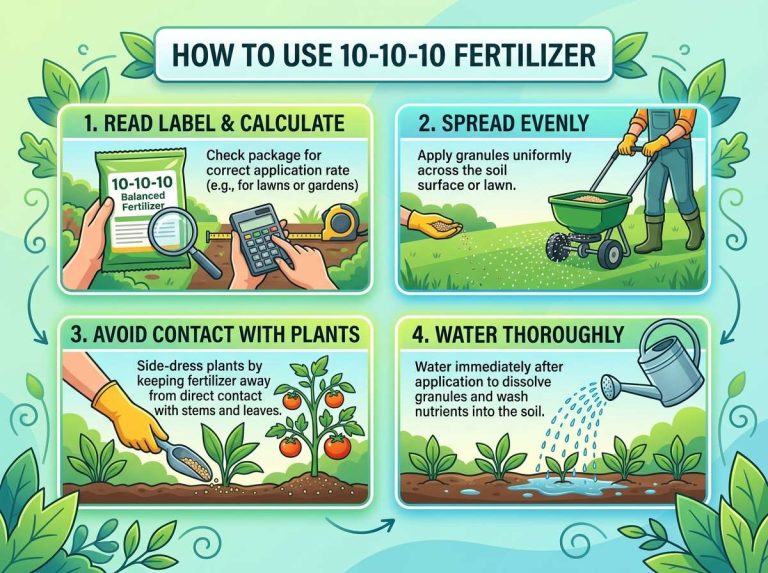
A balanced liquid houseplant fertilizer, diluted to half the label strength, works well for most majesty palms. Apply it about once a month in spring and summer, and pause in fall and winter. Water the plant first so the roots are not fed while dry.
Slow-release granules are another option. They release nutrients gradually and need less frequent attention. Follow the package directions, since strength and timing vary by product.
Signs of Nutrient Deficiency
Pale or yellowing fronds can point to a lack of nutrients, but overwatering or low light can cause them too. Slow growth and small new leaves are other possible signs. Check the soil and light first to avoid guessing wrong.
If the plant is well watered and in good light but still looks weak, a gentle feeding schedule may help. Stop feeding if brown leaf edges or crusty salt deposits appear on the soil. Those signs suggest too much fertilizer.
Cleaning Leaves and Routine Maintenance
Routine upkeep keeps the plant looking its best and makes problems easier to spot. Dust can build up on large fronds and block some light. Regular cleaning also gives you a chance to check for pests.
Simple habits, such as wiping leaves and removing damaged growth, take only a few minutes.
Dusting and Wiping Fronds
Wipe each frond gently with a soft, damp cloth every few weeks. Support the leaf with one hand to avoid bending or tearing it. Plain water is enough for most dust.
Clean leaves absorb light more efficiently. Wiping also doubles as a quick inspection for small insects.
Trimming Brown or Damaged Fronds
Older fronds sometimes turn brown and die naturally. Remove a frond only when it is fully brown or badly damaged. Cut close to the trunk using clean, sharp scissors or pruners.
You can also trim just the brown tip, following the leaf’s natural shape. Sterilize the tools between cuts to avoid spreading disease.
Common Pests and Problems
Majesty palms can attract a few common houseplant pests. Catching them early makes treatment easier, and regular checks of the leaves and stems are the best defense.
Many problems come from care mistakes rather than pests. Knowing both helps the grower respond correctly.
Spider Mites, Scale and Mealybugs
Spider mites leave fine webbing and speckled, dull leaves. Scale looks like small, brownish bumps on stems and leaf undersides. Mealybugs appear as white, cottony clusters in the plant’s joints.
For light infestations, wipe the pests off with a cloth dipped in mild soapy water. Insecticidal soap can help with larger problems and should be applied as the label directs. Isolating the plant limits the spread.
Brown Tips, Yellow Leaves and Leaf Spots
Brown tips often point to dry air, uneven watering or salt buildup from fertilizer. Yellow leaves can come from overwatering, low light or simple age. Leaf spots may signal fungal issues, especially when leaves stay wet for long periods.
Look at the whole plant before deciding on a fix. Check watering, light and air moisture first. Remove badly spotted leaves and avoid wetting the foliage late in the day.
Majesty Palm Care Mistakes Beginners Make
Most care problems come from a small set of habits. Spotting them early can save a struggling plant. The two most common mistakes involve water and placement.
Overwatering and Underwatering Compared
Both extremes cause stress, and the signs can look alike. Overwatered plants often have soft, yellowing fronds and soggy soil. Underwatered plants usually show dry, crispy leaf tips and soil pulling away from the pot edge.
Touching the soil reveals the difference. Wet soil means too much water, while dry soil means too little. Adjust the routine based on what the soil shows.
Moving the Plant Too Often
Majesty palms do not enjoy frequent relocation. Each move changes light, airflow and temperature, which can cause leaf drop or stalled growth. Choose a good spot and leave the plant there.
When a move is necessary, make it gradual. Shift the plant a little at a time toward its new location so it can adjust.
Frequently Asked Questions
Is a majesty palm easy to care for as a beginner?
It can be manageable with the right conditions. Bright indirect light, careful watering and moderate humidity are the main needs. Checking the soil before watering helps many beginners succeed.
Why are the tips of my majesty palm turning brown?
Brown tips often come from dry air, uneven watering or salt buildup from fertilizer. Check humidity and soil moisture first. Trim only the brown part if the rest of the frond looks healthy.
Can a majesty palm live outdoors?
It can grow outdoors in warm, frost-free climates with partial shade and humid air. It does not tolerate cold well, so it is usually kept indoors in cooler regions. Acclimating it gradually to outdoor light helps prevent scorching.
How big does a majesty palm get indoors?
Indoor plants usually stay smaller than wild ones, though they can still grow tall over time. Size depends on light, pot size and growing conditions. Repotting into a slightly larger pot allows gradual growth.
Is a majesty palm safe around pets?
Palms of this type are generally considered non-toxic to pets, but reactions can vary. Keep the plant out of reach if a pet chews on plants. If a pet shows unusual signs after chewing, contact a veterinarian.
Conclusion
Caring for a majesty palm comes down to bright indirect light, moist but not soggy soil, moderate humidity and steady warmth. A well-draining mix, light feeding during the growing season and regular cleaning complete the routine. Watching the leaves closely is the best guide to what the plant needs.

Hi, I’m Mary, the founder of GardenCure.com. I’m passionate about creating healthy, beautiful gardens and well-kept lawns. I share practical experience and trusted advice on garden and lawn gear that truly works. With the support of my dedicated research team, our writers produce honest, in-depth reviews using reliable, authentic sources—helping you choose the right tools with confidence for your outdoor space.