How To Care For A Bromeliad Plant
Bromeliads are popular tropical plants known for their striking leaves and colorful, long-lasting blooms. Learning how to care for a bromeliad plant is straightforward once you know that these plants have unique needs compared to standard leafy houseplants. This guide explains the basics of keeping these plants healthy in a home environment. Readers will learn about proper watering, light, and maintenance to ensure their bromeliads thrive for seasons to come.
In this article
Key Takeaways
- Fill the central cup of the bromeliad with water instead of just watering the soil.
- Provide bright, indirect sunlight to keep the colors vibrant and prevent leaf burn.
- Use a well-draining potting mix to prevent root rot in the plant base.
- Remove the parent plant after it dies back, as the small offsets will continue the cycle.
How Bromeliads Grow
Bromeliads are epiphytes in their natural habitat, which means they grow on trees or rocks rather than in the ground. Because of this, they absorb moisture and nutrients through their leaves rather than relying solely on their roots. Most indoor varieties feature a rosette shape, where leaves grow in a circle around a central opening. This structure serves a specific purpose in the wild, acting as a reservoir for water and debris.
The Role of the Central Tank
The center of the plant is often called a tank or a cup. In the wild, this area catches rain and falling organic matter, which provides the plant with essential moisture. When keeping a bromeliad indoors, you must mimic this natural behavior. Keeping the central cup partially filled with water is the most important part of the routine. If the cup dries out, the plant may wilt or lose its vigor.
Root Systems and Soil Needs
While bromeliads collect water through their leaves, they still have roots. These roots primarily serve to anchor the plant in place. They are not designed to sit in soggy or dense soil. Standard potting soil often holds too much water, which can cause the roots to rot quickly. Using a specialized mix for orchids or succulents is safer. This ensures air can reach the roots and excess moisture drains away effectively.
Providing the Right Light and Temperature
Sunlight is a major factor in the health and appearance of tropical plants. Bromeliads need consistent light to maintain their color and encourage the development of their unique floral structures. Too much direct sun can scorch the leaves, causing brown spots or yellowing. If the light is too low, the plant may grow leggy and fail to produce a bloom. Aim for a balance that keeps the plant healthy. Consistent light exposure ensures the plant produces enough energy to support its complex structure.
Best Lighting for Indoor Bromeliads
Bright, indirect light is the gold standard for these plants. A spot near an east-facing window is often ideal because it provides gentle morning sun. If you place the plant near a south or west window, use a sheer curtain to diffuse the harsh afternoon rays. If the leaves start to look pale, the plant likely needs more light. If they look bleached or scorched, move the plant further from the glass. You can also rotate the pot occasionally to ensure all sides receive even light exposure.
Ideal Indoor Temperatures
Bromeliads prefer temperatures that feel comfortable to humans. They thrive in the range of 65 to 80 degrees Fahrenheit. This makes them excellent candidates for most living rooms and offices. Avoid placing them in areas with extreme temperature fluctuations. Keep them away from drafty windows, air conditioning vents, or heating registers. Rapid changes in temperature can stress the plant and cause it to drop its leaves or fade prematurely. Stable conditions help the plant maintain its natural cycles.
Watering Your Bromeliad Correctly
Watering a bromeliad is different from watering other houseplants. Because these plants are adapted to trap water, their hydration needs depend on a specific technique. It is important to use clean, room-temperature water. Hard tap water can sometimes cause mineral buildup inside the central cup. Rainwater or filtered water is a safer option if your tap water is heavily treated or contains high amounts of lime. Using water at room temperature prevents shock to the root system.
How to Fill the Central Cup
To water properly, pour water directly into the central cup until it is about three-quarters full. Check the cup every few days to ensure it has not emptied. Empty the cup entirely and replace the water every two weeks. This prevents stagnant water from becoming a breeding ground for bacteria or odors. If the water looks murky, rinse the cup gently before adding fresh water. This refresh cycle keeps the plant hygienic and supports healthy growth.
Keeping the Soil Moist
Even though the cup does the heavy lifting, the soil should not be completely neglected. Keep the potting medium slightly damp to the touch. Touch the soil with your finger to check for moisture. If it feels dry an inch below the surface, add a small amount of water to the soil. Do not soak the soil, as this can lead to root rot. Balance is the key to a healthy root system. Proper drainage in the container ensures excess water does not linger around the roots.
Fertilizer and Maintenance Tips
Bromeliads are not heavy feeders. They do not require the constant fertilization that some flowering plants demand.
In fact, too much fertilizer can cause the plant to grow too fast or develop weak, limp foliage. Excess nutrients often lead to burnt leaf tips or a loss of the vibrant color patterns found in many varieties.
Focus on providing nutrients only during the active growing season. If the plant is dormant or in the middle of a long rest period, skip the fertilizer entirely. Rest allows the plant to stabilize its internal systems before the next cycle of growth.
How to Fertilize Gently
Use a balanced, water-soluble fertilizer diluted to one-quarter of the recommended strength. You can mist this solution onto the leaves or add it to the water in the central cup. Dilution is vital because these plants have sensitive root systems and foliage.
Apply this diluted fertilizer occasionally. The plant will absorb what it needs through its foliage and roots. This infrequent schedule prevents salt buildup in the potting medium.
If you use a slow-release fertilizer, apply it to the soil surface according to the package directions. Be very cautious with the amount to avoid overwhelming the plant. Always flush the soil with plain water occasionally to wash away any lingering mineral salts.
Pruning Spent Flowers and Leaves
The colorful part of a bromeliad is often a bract, which is a modified leaf that lasts for months. Once the actual flowers fade, the bract will eventually turn brown and wither.
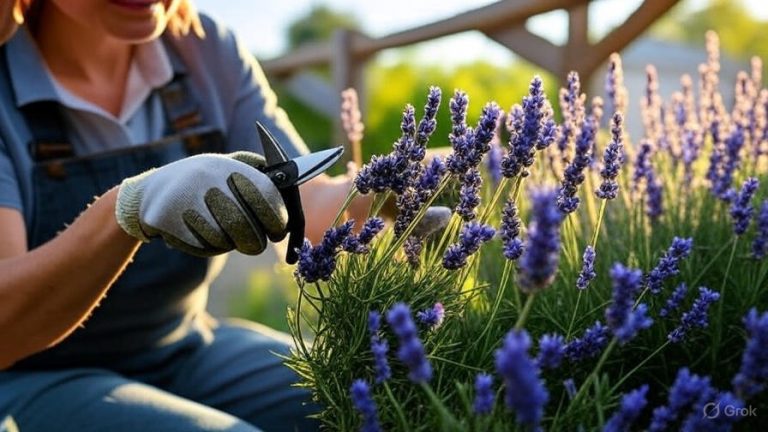
Use clean, sharp scissors to trim away the dead flower stalk at the base of the plant. A clean cut prevents the spread of rot or bacteria into the main structure of the bromeliad.
If any lower leaves turn brown or crispy, trim them off as well. This keeps the plant looking neat and allows the plant to focus its energy on new growth. Removing dead material also improves air circulation around the base of the plant.
Frequently Asked Questions
Why are the leaves on my bromeliad turning brown?
Brown tips or spots are usually a sign of low humidity or mineral buildup from tap water. Try using filtered water and place the plant on a tray filled with pebbles and water to increase the surrounding moisture. Ensure the bottom of the pot does not sit directly in the water to prevent root rot.
Do bromeliads only bloom once?
Yes, the parent plant blooms only once in its life. After the flower fades, the parent plant will gradually decline, but it will often produce small offsets, known as pups, at the base before it dies.
How do I help a bromeliad produce pups?
Pups usually appear naturally after the main flower fades. To encourage them, keep the parent plant healthy with proper light and moisture. Wait until the pups are about one-third the size of the parent before separating them to ensure they have enough roots to survive on their own.
Can I grow bromeliads in regular potting soil?
Regular potting soil is generally too dense and retains too much moisture for bromeliads. It is better to use a coarse mix designed for orchids or a blend of bark, peat moss, and perlite for better drainage. These materials provide the necessary airflow to the root system.
How much humidity does a bromeliad need?
Bromeliads appreciate high humidity, ideally between 40 and 60 percent. If your home air is dry, misting the leaves occasionally or using a small humidifier nearby will help the plant stay lush and healthy. Good ventilation is also important to prevent fungus in very humid conditions.
Conclusion
Caring for a bromeliad is a rewarding experience that brings a tropical aesthetic to any home. By focusing on the central tank for water and providing bright, indirect light, you create an environment where the plant can thrive.
Remember to keep the soil light and well-draining, and trim away dead growth to keep the plant tidy. With these simple practices, you will enjoy the unique beauty of your bromeliad for many months. You may even see new pups develop to start the cycle over again.

Hi, I’m Mary, the founder of GardenCure.com. I’m passionate about creating healthy, beautiful gardens and well-kept lawns. I share practical experience and trusted advice on garden and lawn gear that truly works. With the support of my dedicated research team, our writers produce honest, in-depth reviews using reliable, authentic sources—helping you choose the right tools with confidence for your outdoor space.