How To Care For A Eucalyptus Tree
Learning how to care for a eucalyptus tree is easier than many beginners expect. These trees are known for their silvery leaves, strong scent and fast growth. With the right light, water and soil, they can be a striking addition to a garden or a patio.
In this article
This guide explains the basics in plain words. It covers sunlight, watering, soil, feeding, planting, pruning and common problems. It also answers the questions new growers ask most often.
Key Takeaways
- Eucalyptus trees need full sun and plenty of open space to grow well.
- Water deeply but less often, and let the top of the soil dry out between waterings.
- Well-draining soil matters more than rich soil, since soggy roots cause most problems.
- Prune in the right season and remove only dead, damaged or crowded branches.
- Watch for leaf changes early, because they often signal a watering or drainage issue.
What Is a Eucalyptus Tree and Why People Grow It
A eucalyptus tree is a fast-growing evergreen that belongs to the myrtle family. Most types come from Australia and nearby islands. The tree is grown for its fragrant leaves, attractive bark and graceful shape.
Many people grow eucalyptus for shade, privacy or a natural scent. Others like the young silver-blue foliage, which is often used in floral arrangements. Because the tree grows quickly, it can change a bare yard into a leafy space within a few seasons.
Common Eucalyptus Types for Home Gardens
Many species exist, but only some suit home gardens. Smaller or slower-growing types are usually easier to manage. Some grow very tall and need a lot of room, so they are better suited to large properties.
Before buying, check the expected mature height and width of the variety. Ask the seller or read the plant tag. This helps prevent problems later, such as roots near buildings or branches that grow too large for the space.
Where Eucalyptus Trees Grow Best
Eucalyptus trees grow best in warm, sunny climates with mild winters. They handle dry conditions better than many garden trees once established. However, they can struggle in very cold or very wet areas.
In cooler regions, growers often plant in containers so they can move the tree indoors during frost. This is a practical choice for people who want the tree but live in a climate that is too harsh for it outdoors.
Light, Sun and Location Needs
Light is one of the most important parts of eucalyptus care. These trees are sun lovers and perform best with plenty of direct light. Weak light often leads to thin, leggy growth and pale leaves.
Location also affects how the tree develops. A spot that gets strong sun all day gives the tree the energy it needs to grow strong, healthy branches.
How Much Sun a Eucalyptus Tree Needs
Most eucalyptus trees need full sun for most of the day. Full sun means direct light for the majority of daylight hours. A bright, open spot is usually the best choice.
If the tree is indoors, place it near the sunniest window you have. Rotate the pot every few weeks so the tree grows evenly on all sides. Indoor light is often weaker than outdoor sun, so growth may be slower.
Picking a Planting Spot with Enough Space
Space is essential because eucalyptus trees grow fast and can spread wide. Plant them well away from houses, fences, sewer pipes and driveways. Roots and branches can cause damage over time.
Look up, too. Check for overhead wires and nearby structures. A roomy, open site allows air to move around the canopy, which helps reduce disease risk.
Watering a Eucalyptus Tree Correctly
Watering is where many beginners go wrong. Eucalypt ts are fairly drought tolerant once established, so too much water often does more harm than too little. Still, young trees need steady moisture to build strong roots. The goal is consistent care, not constant wetness.
How Often to Water Young and Mature Trees
Young trees need more frequent watering than established ones. Water deeply so moisture reaches the root zone, then allow the top layer of soil to dry before watering again. This encourages roots to grow downward and become sturdier.
Mature trees usually need water less often. Rainfall often covers much of their needs in many regions. During hot, dry spells, check the soil a few centimeters down and water only when it feels dry at that depth.
Signs of Overwatering and Underwatering
Overwatering is a common cause of decline. Leaves may turn yellow, the soil may stay soggy for days, and a sour smell can appear near the base. Roots need air as well as water, so waterlogged soil can cause rot.
Underwatering shows different signs. Leaves may look dull, curl slightly or drop more than usual. The tree may also stop producing new growth. Because both problems can look similar, checking the soil before watering is the most reliable step.
Soil Type, Drainage and Fertilizer
Soil supports the roots, and roots support the whole tree. Eucalyptus trees prefer soil that drains well. They often do better in average or lean soil than in very rich soil.
Drainage matters more than fertility for most growers. Water should move through the soil within a reasonable time after rain or watering. If it pools on the surface, the soil needs improvement.
Best Soil for Eucalyptus Roots
Sandy loam and loose, gritty soils are often a good match. These soils let water move freely while still holding enough moisture for the roots. Heavy clay can hold too much water, so it may need added grit or organic matter.
For containers, use a quality potting mix with good drainage. Add perlite or coarse sand if the mix feels dense. Always make sure the pot has drainage holes at the bottom.
When and How to Feed Your Tree
Feeding is usually light. Eucalyptus trees often grow well with little fertilizer, and too much can lead to weak growth. A slow-release, balanced fertilizer applied in spring is a simple choice for most gardens.
Follow the product label and avoid feeding during cold weather or when the soil is dry. Water the tree lightly before feeding to protect the roots. In short, less fertilizer is usually safer than more.
Planting a Eucalyptus Tree Step by Step
Planting at the right time and in the right way gives the tree a strong start. Spring and early autumn are usually good seasons in mild climates. Avoid planting during frost or extreme heat.
The steps below cover the basic process for planting in the ground or in a large container.
- Choose a sunny, open site with enough space for the mature size.
- Dig a hole about twice as wide as the root ball but no deeper than it.
- Loosen the sides of the hole so roots can spread outward.
- Set the tree so the top of the root ball sits level with the surrounding soil.
- Backfill with soil, firm it gently, and water thoroughly.
Preparing the Hole and Planting Depth
A wide hole gives roots room to grow into loose soil. Planting too deep is a common mistake, and it can cause the trunk base to rot. The root ball should sit at the same level it sat in its original pot.
Break up compacted soil at the bottom and sides of the hole. Avoid adding large amounts of rich compost directly into the hole. Mixing modest organic matter with the native soil is usually enough.
Staking and Protecting a Young Tree
Young eucalyptus trees can lean in wind. A single stake placed outside the root ball can hold the trunk steady while roots establish. Use soft ties so the trunk can move slightly, which helps it grow stronger.
Remove the stake after the tree has settled, usually within a year or two. Protect the trunk from lawn mowers and str reamers with a guard, since bark damage invites problems. Keep mulch a short distance from the trunk so the base stays dry and airy.
Pruning and Shaping Your Eucalyptus
Pruning keeps the tree healthy and in proportion to its space. Light pruning is usually better than heavy cuts. Removing too much foliage at once can stress the tree.
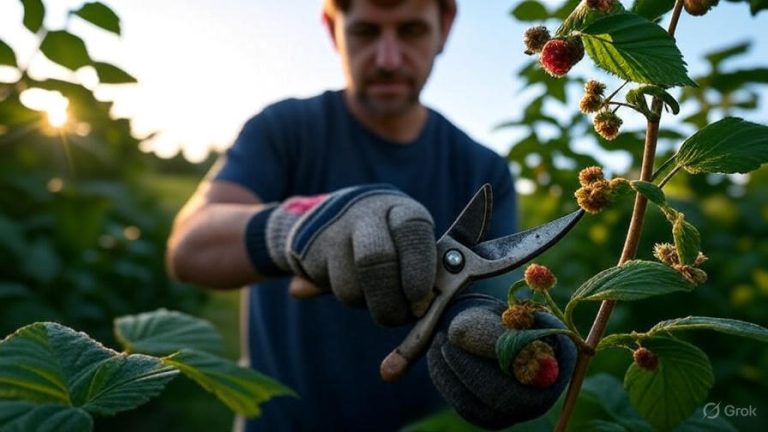
Use clean, sharp tools and make cuts just outside the branch collar, the slight swelling where a branch joins the trunk. Clean tools help prevent the spread of disease between cuts.
Best Time of Year for Pruning
Late winter or early spring is often the best time to prune in mild climates. The tree is less active then, and cuts can heal before the main growing season. Avoid heavy pruning during cold snaps or in late summer.
Small tidying cuts can be made at other times if needed. Always check local advice, since timing can vary by region and variety.
Removing Dead, Damaged or Crowded Branches
Start by removing anything dead, broken or diseased. Next, thin out branches that cross or rub against each other. Opening the canopy lets air and light reach the inner leaves.
Avoid removing more than a small portion of the canopy in one session. In short, steady, gentle pruning gives the best results and keeps the tree looking natural.
Pests, Diseases and Common Problems
Eucalyptus trees are fairly resilient, but they can still face pests and disease. Most problems are easier to fix when caught early. Regular checks help you spot changes before they spread.
Many issues trace back to water, light or soil. Fixing the growing conditions often solves the problem without harsh treatments.
Spotting Early Warning Signs
Look at the leaves, branches and trunk at least once a month. Watch for spots, sticky residue, webbing, holes or unusual bark damage. Early detection gives you more options and often a simpler fix.
Check the underside of leaves too, since many pests hide there. Compare the tree with its usual appearance so you notice small changes quickly.
Dealing with Leaf Drop and Yellowing Leaves
Some leaf drop is normal, especially on older growth. Yellowing or heavy leaf loss, however, usually points to a care issue. Check watering first, then drainage, then light.
Adjust one thing at a time so you can see what helps. If the tree continues to decline, a local nursery or extension service can offer advice suited to your area.
Eucalyptus Care Comparisons
Where and how you grow a eucalyptus affects the care it needs. Container and ground growing each have benefits. Indoor and outdoor care also differ in important ways.
Container Growing Versus Growing in the Ground
Container trees are easier to move and can be brought indoors during frost. However, roots have less room, so the tree may need more frequent watering and repotting. Ground-grown trees have more room and usually need less day-to-day attention once established.
Containers also dry out faster in summer. Choose a pot that is large enough and has good drainage. Check the soil often, since pots can change moisture levels quickly.
Indoor Versus Outdoor Eucalyptus Care
Outdoor trees get stronger sunlight, better airflow and natural rainfall. Indoor trees often receive weaker light and drier air, which can slow growth. For this reason, indoor plants usually stay smaller and need careful placement.
Move a tree outdoors gradually if you bring it back out after winter. Sudden changes in light can scorch the leaves. Gradual acclimation helps the tree adjust.
Frequently Asked Questions
How fast does a eucalyptus tree grow?
Many eucalyptus trees grow quickly, especially when they receive plenty of sun and water. Growth rates vary by species, climate and soil. Checking the variety’s details before planting gives a better sense of what to expect.
Can a eucalyptus tree grow in a pot indoors?
Yes can grow in a pot indoors, but it needs a very sunny window, good drainage and enough space for its roots. Indoor trees usually grow more slowly and stay smaller than outdoor ones. Smaller varieties tend to handle indoor life best.
Why are the leaves on my eucalyptus turning brown?
Brown leaves often point to watering problems, such as too little or too much water. Dry air, heat stress or root trouble can also cause browning. Check the soil and drainage first, then review light and placement.
Is a eucalyptus tree safe around pets and children?
Eucalyptus is generally considered toxic to pets and can cause upset stomachs or other problems if chewed or eaten. Leaves and oils can irritate some animals and people. Keep the tree out of reach, and contact a veterinarian if a pet eats any part of it.
How long does a eucalyptus tree live?
Lifespan varies widely by species and growing conditions. Many eucalyptus trees can live for several decades when cared for well. Good drainage, suitable space and steady care all help a tree reach its full age.
Conclusion
Caring for a eucalyptus tree comes down to a few basics. Give it full sun, plenty of space and well-draining soil. Water deeply but not too often, and feed lightly.
Prune gently, watch for early warning signs and adjust care one step at a time. With steady attention, a eucalyptus tree can thrive for years.
Hi, I’m Mary, the founder of GardenCure.com. I’m passionate about creating healthy, beautiful gardens and well-kept lawns. I share practical experience and trusted advice on garden and lawn gear that truly works. With the support of my dedicated research team, our writers produce honest, in-depth reviews using reliable, authentic sources—helping you choose the right tools with confidence for your outdoor space.