How To Care For A Mandevilla Plant
Mandevilla is a flowering vine that many people grow in pots on patios, porches and balconies. It produces large, trumpet-shaped blooms in bright pink, red and white. Caring for it is not difficult, but it does take attention to light, water and temperature.
In this article
This guide covers the basics in plain language. It explains light, watering, soil, feeding, seasonal protection, pruning, repotting, pests and propagation, and answers common beginner questions.
Key Takeaways
Mandevilla Care at a Glance
- Give mandevilla bright, direct sun for most of the day.
- Water deeply when the top layer of soil feels dry, and never let the pot sit in water.
- Use a well-draining potting mix and a pot with drainage holes.
- Feed during the growing season and bring the plant indoors before frost.
- Prune after flowering and check often for pests.
What Is a Mandevilla Plant?
Mandevilla Basics for Beginners
Mandevilla is a tropical and subtropical vine in the dogbane family. In warm regions it can climb fences and trees. In cooler areas, most people grow it in containers so they can move it indoors.
The plant has glossy, dark green leaves and a climbing or trailing habit. Its flowers are the main reason people buy it. Blooms usually appear during warm months when the plant gets plenty of light.
Common Mandevilla Varieties and Look-Alikes
Garden centers sell several types of mandevilla. Some have larger flowers, while others are more compact and suited to hanging baskets. Plant tags usually list the expected size and growth habit, and the care steps in this guide apply to most common types.
Mandevilla is sometimes confused with other climbing vines that have trumpet-shaped flowers. Checking the leaves and flower shape helps with identification. If the label is unclear, a local nursery can confirm the name.
Light Requirements for Mandevilla
How Much Sun a Mandevilla Needs
Light is the most important factor for healthy blooms. Mandevilla does best with bright, direct sun for most of the day. Indoors, a very bright south- or west-facing window often works well.
Too little light leads to weak growth and few flowers. Move the plant to a sunnier spot gradually, over a week or two, so it adjusts without sunburn.
Signs Your Mandevilla Is Getting Too Little or Too Much Light
Long, leggy stems with wide gaps between leaves usually mean the plant needs more light. Few or no flowers can also point to low light. Moving the pot somewhere brighter typically improves things over time.
Scorched or bleached leaves can mean too much harsh sun, especially after a sudden move outdoors. Brown, crispy patches are a common sign. Shade during the hottest part of the afternoon can help in very hot climates.
Watering a Mandevilla Plant
How Often to Water Mandevilla
Mandevilla likes moist soil but does not like soggy roots. Water when the top inch or two of soil feels dry. Water thoroughly until a little runs out of the drainage holes, then empty any water left in the saucer.
How often you water depends on pot size, temperature, sunlight and the potting mix. Small pots and hot weather dry soil faster, while cool weather or shade keeps it wet longer. Check the soil with a finger rather than watering on a fixed schedule.
Overwatering and Underwatering Symptoms
Overwatering is one of the most common causes of problems. Yellow leaves, a soft stem base and a sour smell from the soil all point to too much water. Roots need air as well as moisture, so soggy soil can cause them to rot.
Underwatering shows different signs. Leaves may droop or feel dry and crisp at the edges, and the soil often pulls away from the sides of the pot. Watering slowly and fully usually brings the plant back within a day or two.
Soil, Potting Mix and Drainage
Best Potting Mix for Mandevilla
Mandevilla grows best in a light, loose potting mix that drains well. A standard all-purpose container mix often works fine. Heavy garden soil should be avoided in pots because it holds too much water.
Some growers add perlite or coarse sand to improve airflow. A container-labeled mix is a simple way to get a good start.
Picking a Pot With Drainage Holes
A pot with drainage holes is essential. Without them, water collects at the bottom and the roots sit in it. Decorative pots without holes can work if you set a plastic nursery pot inside and remove extra water after watering.
Pot size matters too. A pot much larger than the root ball holds wet soil that dries slowly, so a snug fit with a little room to grow is usually best.
Feeding and Fertilizing Mandevilla
Fertilizer Types and Application Schedule
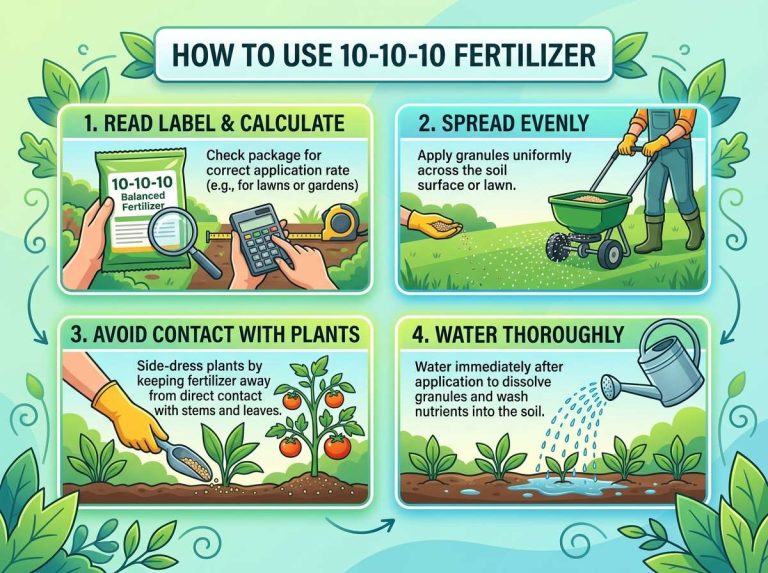
Mandevilla is a heavy bloomer, so it benefits from regular feeding during the growing season. A balanced liquid fertilizer or a slow-release granular product works well. Follow the label directions, since strength and timing vary by product.Feed in spring and summer, when the plant is actively growing. Reduce or stop feeding in fall and winter, when growth slows. Over-fertilizing can burn roots and damage leaves, so less is often safer.
Signs of Nutrient Deficiency
Pale or yellowing leaves, especially older ones, may suggest a nitrogen shortage. Weak growth and few flowers can also point to a nutrient gap. Checking light and water first often solves these issues.
Temperature, Humidity and Seasonal Care
Ideal Temperature Range for Mandevilla
Mandevilla grows best when daytime temperatures stay warm and nights remain mild. Cool nights slow growth, and prolonged cold stops it entirely.Average home temperatures suit most indoor plants. Keep the plant away from cold drafts from doors, windows and air conditioning vents, since sudden chills can stress it.
Protecting Mandevilla From Cold and Frost
Frost damages mandevilla quickly. When nights turn cool, move the plant to a sheltered spot. Covering it on a cold night offers only short-term protection.Bringing the plant in before the first frost is the safest approach. Moving it to shadier spots for a few days first can reduce shock.
Bringing Mandevilla Indoors for Winter
Indoors, mandevilla needs the brightest window available. Growth usually slows in winter, so it needs less water and no fertilizer. Keep the soil slightly drier than in summer, but never let it fully dry out.Check for pests before bringing the plant inside. Rinsing the leaves and inspecting the undersides helps.
Pruning and Training Mandevilla Vines
When and How to Prune Mandevilla
Pruning keeps mandevilla compact and encourages more blooms. The best time is after a flush of flowering, when the plant can recover before the next bloom cycle. Trim long or straggly stems back to a leaf node. Remove any dead, damaged or crossing stems first, since these can invite disease.Use clean, sharp shears for tidy cuts. Avoid heavy pruning in late fall, because the plant needs time to recover before cooler weather arrives.
Trellis, Support and Vine Training
Mandevilla twines naturally, so it needs something to climb. A small trellis, obelisk or wire frame works well in a container. Gently tie young stems to the support with soft plant ties so they do not snap.Guide the vine in the direction you want it to grow, and redirect new shoots as they appear. Over time, the plant will climb and fill the frame on its own.
Repotting and Long-Term Growth
Signs It Is Time to Repot
Roots growing out of the drainage holes show the plant needs more room. Soil that dries out within a day or two, or slowed growth, can also mean the pot is too small. Spring is usually the best time to repot.Avoid a pot that is much bigger. One only slightly larger is easier for the roots to fill.
Step-by-Step Repotting Process
- Water the plant a day before repotting so the root ball holds together.
- Choose a new pot with drainage holes, about one size larger.
- Add a layer of fresh potting mix to the bottom of the new pot.
- Gently loosen the root ball and set the plant in the center.
- Fill around the roots with fresh mix and press lightly.
- Water thoroughly and keep the plant out of harsh sun for a few days.
Common Pests and Plant Problems
Spider Mites, Aphids and Mealybugs
Spider mites, aphids and mealybugs are the pests most often seen on mandevilla. Spider mites cause tiny yellow speckles and fine webbing, aphids cluster on new growth, and mealybugs look like small white cottony spots.Rinsing the plant and wiping leaves removes many pests. For stubborn cases, an insecticidal soap labeled for houseplants is a common choice. Always follow the label directions.
Yellow Leaves, Leaf Drop and Other Common Issues
Yellow leaves most often come from overwatering, poor drainage or low nutrients. Sudden leaf drop can follow a move, a cold draft or a change in light. Checking water, light and temperature usually reveals the cause.Some leaf loss is normal as the plant adjusts. Steady care gives it the best chance to recover.
Propagating Mandevilla From Cuttings
Taking and Rooting Stem Cuttings
Mandevilla can be grown from stem cuttings taken in late spring or summer. Choose a healthy, non-flowering stem and cut a section four to six inches long. Remove the lower leaves and dip the cut end in rooting hormone if you have it.
Place the cutting in moist potting mix or water, in a warm, bright spot out of direct sun. Roots usually form over several weeks. Once established, pot the cutting and care for it as a mature plant.
Frequently Asked Questions
Why Are My Mandevilla Leaves Turning Yellow?
Yellow leaves most often come from overwatering or poor drainage. Low nutrients and sudden changes in light can also cause yellowing. Check soil moisture and drainage first, then adjust feeding if needed.
Why Is My Mandevilla Not Blooming?
Blooms usually need bright, direct sun and regular feeding during the growing season. Too little light is the most common reason for few flowers. Moving the plant to a sunnier spot often helps over time.
Is Mandevilla Toxic to Pets?
Mandevilla contains compounds that can cause an upset stomach if eaten. Keep pets and young children away from the plants, and handle the sap with care. Because reactions vary, check with a veterinarian or poison control service if a pet chews the plant.
Can Mandevilla Grow Indoors Year-Round?
Mandevilla can live indoors, but it needs a very bright window and steady warmth. Growth is often slower indoors than outdoors in summer. Many people move the plant outside in warm months and bring it back in before cold weather.
How Long Does a Mandevilla Plant Live?
With good care, mandevilla can live for many years. In colder regions it is usually grown as a container plant and brought indoors each winter. Regular pruning, repotting and feeding help it stay vigorous.
Conclusion
Caring for mandevilla comes down to a few habits. Give it bright sun, water when the top of the soil feels dry, and use a well-draining pot and mix. Feed during the growing season, protect it from frost, and prune and check for pests regularly. With these steps, beginners can enjoy its bold blooms for many seasons.
Hi, I’m Mary, the founder of GardenCure.com. I’m passionate about creating healthy, beautiful gardens and well-kept lawns. I share practical experience and trusted advice on garden and lawn gear that truly works. With the support of my dedicated research team, our writers produce honest, in-depth reviews using reliable, authentic sources—helping you choose the right tools with confidence for your outdoor space.