How To Care For Raspberry Plants
Key Takeaways
- Raspberries need full sun, well-drained soil and steady moisture to grow well.
- Pruning matters: the right cuts depend on if your plant bears fruit in summer or autumn.
- Good air flow, mulch and clean tools help prevent pests and fungal problems.
- Harvest ripe berries gently and often to keep the plant productive.
Introduction
Raspberry plants are a popular choice for home gardeners because they produce fruit for many years with the right care. This guide covers the plant’s basic parts, where to grow it, and how to plant, water, feed, prune and protect it.
You do not need special skills. Most of the work comes down to a few steady habits: enough sun and water, pruning at the right time, and watching for trouble early.
Raspberry Plant Basics
A raspberry bush is a woody perennial that lives for many years. Its roots and crown stay alive through the seasons. The stems, called canes, grow up from the crown and usually live for only two years.
Knowing this life cycle makes care easier. Pruning follows this pattern closely.
Summer-Bearing Versus Everbearing Raspberries
Most raspberries fall into two groups. Summer-bearing types, often called floricane fruiters, produce one main crop in early or midsummer on canes that grew the year before.
Everbearing types, also called primocane fruiters, fruit on the current year’s new canes, often in late summer and autumn. Check the label to see which type you have, because pruning depends on it.
Canes, Crowns and Roots Explained
The crown is the base of the plant, where stems and roots meet at or just below the soil line. It holds the buds that produce new canes, so keep it healthy.
The roots spread outward and send up new shoots, which is how patches fill in over time. New canes are called primocanes, and older fruiting canes are called floricanes.
Picking the Right Spot and Soil for Raspberries
A good site makes later care easier. Raspberries need plenty of light, good air movement and soil that drains well. A poor site can lead to weak growth and more disease.
How Much Sun Raspberry Plants Need
Raspberries grow best in full sun, ideally six to eight hours of direct light each day. Sun helps the canes ripen and gives sweeter fruit. Heavy shade usually means fewer berries.
A spot with a light breeze helps leaves and canes dry after rain, which lowers the risk of fungal problems.
Soil Type and Drainage for Raspberry Bushes
Raspberries prefer loose, fertile soil that holds some moisture but does not stay soggy. Sandy loam and loamy soils are often good choices. Heavy clay can work if you improve it with compost and ensure water drains away.
Roots in wet soil can rot. Before planting, dig a test hole and fill it with water. If the water takes many hours to drain, consider raised rows or a different spot.
Planting Raspberries in Containers
Some varieties can grow in large containers, which suits patios and balconies. Choose a pot with drainage holes and fill it with potting mix made for containers. Pick a compact or container-suited variety, since large canes can quickly outgrow the pot.
Pots dry out faster than garden soil, so check moisture often in warm weather. Place the pot in a sunny spot, and move it if needed to follow the sun.
Planting Raspberry Canes Step by Step
Planting at the right time and depth helps the plant settle in quickly. The steps below cover the basics for most home growers. Read the plant label for any variety-specific advice.
When to Plant Bare-Root and Potted Raspberries
Bare-root canes are sold without soil around the roots, usually while dormant. They are commonly planted in early spring, once the soil can be worked and hard frost has passed. Potted plants can go in later but need steady moisture while they establish.
Soak bare-root canes for a few hours before planting. Set each one so the crown sits at about the depth it grew before. Planting too deep can delay growth or cause the crown to rot.
Spacing Rows and Plants Correctly
Many growers space plants 60 to 90 centimetres apart in a row, with rows 2 to 2.5 metres apart. Wider spacing improves air flow and makes picking easier.
Crowded plants compete for light, water and nutrients. Thinning new canes each year keeps the planting open.
Mulching and Watering After Planting
Water new plants deeply right after planting, then keep the soil evenly moist during the first season. Mulch with straw, bark chips or leaf mould to hold moisture and reduce weeds. Keep mulch a short distance from the crown so it does not trap wet air against the stems.
Refresh mulch as it breaks down through the season.
Watering and Feeding Raspberry Plants
Steady water and balanced nutrients support strong canes and good fruit. Raspberries do not tolerate sustained drought, so they need attention during dry spells.
How Often to Water Raspberry Bushes
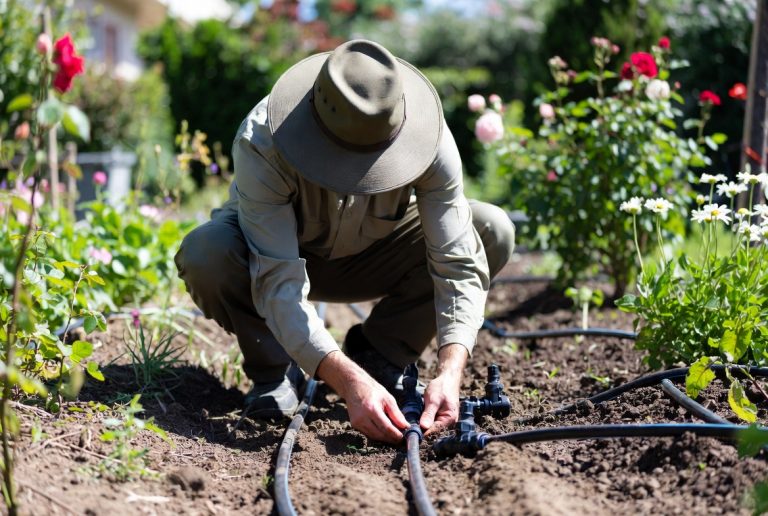
Raspberries need about an inch of water per week from rain or irrigation during the growing season, a common guideline. Water at the base of the plant rather than over the leaves. Soaker hoses and drip lines deliver water slowly to the roots.
Push a finger into the soil. If the top few centimetres feel dry, it is time to water. Water early in the day so leaves dry before evening.
Fertilizer Basics for Raspberry Plants
Raspberries usually respond well to compost or a balanced, slow-release fertilizer applied in early spring. Too much nitrogen produces leafy growth and fewer berries. Follow the product label and avoid heavy feeding.
A soil test shows what your garden needs. If you are unsure, start light and watch how the plant responds.
Signs of Over- and Underwatering
Underwatering often shows as wilting, dry leaf edges and small, crumbly berries. Overwatering can cause yellowing leaves, soft or brown roots and a sour smell from the soil. Both problems are easier to fix when caught early.
Look at the plant and the soil together. Adjust watering based on what you see, not only on a fixed schedule.
Pruning and Training Raspberry Canes
Pruning keeps raspberries productive and manageable. The cuts you make depend on if your plant is summer-bearing or everbearing. Clean, sharp tools make the job easier and reduce the spread of disease.
Trellis and Support Systems for Raspberries
A trellis holds canes upright, which improves air flow and makes fruit easier to reach. A simple wire system with posts at each end and two or three wires works well for many gardens. Tie canes loosely with soft twine so they can move in the wind. Tie the fruiting canes first, then add new canes between them.
Pruning Floricanes After Harvest
Once a summer-bearing cane has finished fruiting, it will not produce again. Cut it to ground level as soon as harvest ends, or in late autumn or winter if you prefer. Removing spent canes opens space for new growth and reduces hiding places for pests and disease.
Keep the strongest new canes, which are usually thicker and greener. Thin out weak or crowded ones so the rest have room to develop.
Pruning Primocanes in Autumn
Everbearing types fruit on new canes, so the approach differs. You can cut the whole plant to the ground in late winter for one large crop in late summer and autumn. Or you can cut only the cane tips after the autumn crop for a smaller early crop the following year.
Check the plant label or local guidance to choose the method that suits your goals. Either way, remove damaged or weak canes when you see them.
Protecting Raspberries From Pests and Disease
Regular checks catch most problems early. Walk through the planting every week or so and look at leaves, canes and fruit. Acting quickly keeps small issues from spreading.
Common Raspberry Pests and How to Spot Them
Aphids cluster on new growth and under leaves. Raspberry beetles lay eggs in flowers and developing fruit. Spider mites cause fine webbing and speckled leaves in hot, dry weather. Handpicking, spraying water to knock off aphids and using row covers are gentle first steps.
If you use a pest control product, read the label and follow it exactly. Choose options labelled for raspberries and home gardens.
Fungal Problems Such as Cane Blight and Botrytis
Cane blight appears as dark, sunken areas on canes, sometimes with dying tips. Botrytis, or grey mould, shows up as fuzzy grey growth on flowers and fruit in damp weather. Good air flow, proper spacing and removing infected canes or fruit help limit both.
Avoid wetting foliage in the evening, since damp leaves encourage fungi. Dispose of diseased material rather than adding it to the compost pile.
Keeping Birds and Animals Away From Fruit
Birds often reach ripe berries first. Fine netting over the canes is a common and effective barrier, so secure its edges to stop birds slipping underneath. Deer and rabbits may also feed on canes and fruit, where fencing is usually the most reliable protection.
Good Garden Hygiene for Healthy Canes
Clean tools prevent disease from spreading between canes. Wipe pruners with a disinfectant between plants, especially after cutting diseased wood. Remove fallen leaves and old fruit from the ground around the plants.
Good spacing, mulch and steady watering make plants more resilient. Strong plants recover from minor problems more easily.
Harvesting and Storing Raspberries
Picking at the right moment brings the best flavour and keeps the plant productive. Raspberries ripen unevenly, so check the patch every day or two during peak harvest.
Telling When Raspberries Are Ripe
A ripe raspberry is fully coloured and comes away easily with a gentle tug. Underripe fruit is firm and tart, and it will not sweeten after picking. Overripe berries turn soft and dull, and they spoil quickly.
Picking Technique to Protect Fruit
Pick with a light touch, rolling each berry gently into your palm. Use shallow containers so berries do not get crushed. Pick in the cool part of the day when possible.
Move harvested berries into the shade or a fridge soon after picking, since warm fruit spoils faster.
Short-Term Storage and Freezing Tips
Fresh raspberries keep only a few days in the refrigerator. Store them unwashed in a single layer on a paper towel, and wash them just before eating. For longer storage, freeze them on a tray first, then move them into a sealed bag.
Seasonal Raspberry Care Calendar
Raspberry care follows the seasons. A simple yearly routine helps you remember what to do and when. Timing varies by climate, so adjust these steps to your local weather.
Spring Tasks for Raspberry Plants
In spring, check for winter damage and remove dead or broken canes. Apply compost or fertilizer lightly, then add fresh mulch. Begin regular watering as new growth appears.
Summer and Autumn Maintenance
Harvest often in summer and keep the soil evenly moist. Remove summer-bearing canes once they finish fruiting. In autumn, clear fallen leaves and prune everbearing types using your chosen method.
Winter Protection in Cold Climates
In cold areas, a thick layer of straw or similar mulch helps protect the crown and roots. In very cold regions, some growers bend canes down and cover them lightly. Check local advice on your variety’s hardiness.
Common Mistakes Beginners Make With Raspberries
Most early problems come from a few common errors. Knowing them in advance makes them easier to avoid.
Overwatering and Poor Drainage
Many beginners water too often, especially in containers or heavy soil. Wet roots struggle to breathe and can rot. Water deeply but less often, and make sure the site drains well.
Planting Too Deep or Too Close Together
Setting the crown too deep can delay growth or cause rot. Crowding plants limits air flow and invites disease. Follow recommended depths and spacing for a healthier patch.
Skipping Pruning and Letting Canes Tangle
Without pruning, canes become dense and tangled, which makes picking hard and invites pests. Remove spent canes and thin new growth each year. A simple trellis keeps the patch tidy.
Frequently Asked Questions
How long does it take for raspberry plants to produce fruit?
Most raspberry plants bear fruit in their second year. Some everbearing types may give a small crop sooner. Variety, growing conditions and care all affect timing.
Can I grow raspberries in a pot on a balcony?
Yes, some compact varieties grow well in large pots with drainage holes. Containers dry out quickly, so they need good sun and regular watering. Expect a smaller harvest than from a plant in the ground.
Why are my raspberry leaves turning yellow?
Yellow leaves often point to overwatering, poor drainage or a nutrient shortage. Check soil moisture first, then look for pests or disease. A soil test can reveal nutrient problems.
Do raspberry plants need a pollinator nearby?
Raspberries are generally self-fertile, so one plant can set fruit alone. Bees and other insects still improve fruit set and size. Nearby flowering plants can attract these pollinators.
How long do raspberry plants keep producing?
A well-cared-for patch can stay productive for many years. Plants gradually decline, so renewing canes or replanting keeps the harvest strong. Regular pruning and feeding extend the patch’s life.
Conclusion
Caring for raspberry plants comes down to a few steady habits. Give them full sun, well-drained soil and even moisture. Prune according to if your variety fruits on old or new canes.
Protect the patch with good air flow, mulch and clean tools. Harvest ripe fruit gently and often. With these basics, raspberries reward patient care season after season.

Hi, I’m Mary, the founder of GardenCure.com. I’m passionate about creating healthy, beautiful gardens and well-kept lawns. I share practical experience and trusted advice on garden and lawn gear that truly works. With the support of my dedicated research team, our writers produce honest, in-depth reviews using reliable, authentic sources—helping you choose the right tools with confidence for your outdoor space.