How To Care For Coneflowers
Coneflowers are cheerful perennials with daisy-like blooms and raised, cone-shaped centers. Knowing how to care for them helps them bloom well and return year after year. This guide covers the basics in plain language, from picking a planting spot to handling common problems.
Most coneflower care is simple. The plants need sun, good drainage and only moderate attention once they settle in. This article covers planting, watering, feeding, pruning, pest control and container growing, along with common beginner mistakes.
Key Takeaways
- Coneflowers need full sun and soil that drains well.
- Water deeply but not often, and let the top of the soil dry between waterings.
- Deadhead spent blooms to encourage more flowers, and leave some seed heads for birds.
- Good airflow and proper spacing help prevent disease.
- Most coneflowers need little fertilizer and are forgiving for beginners.
Getting to Know Coneflowers and What They Need
What Coneflowers Are and Why Gardeners Grow Them
Coneflowers belong to the genus Echinacea, part of the daisy family. They are herbaceous perennials: the top growth dies back in winter, and the roots survive in the ground to regrow in spring.
Gardeners value coneflowers for their long bloom season, sturdy stems and appeal to pollinators. Once established, they handle heat and dry conditions well.
Native Coneflower Species Versus Hybrid Varieties
The most common native species is purple coneflower, Echinacea purpurea. Native species tend to have simpler flowers that wildlife visits readily.
Hybrid varieties come in white, yellow, orange and red tones, and some have double petals. Their flowers may be less attractive to some pollinators, but both types follow the same basic care steps.
Basic Light, Soil, and Water Needs
Coneflowers grow best in full sun, meaning at least six hours of direct sunlight daily. They tolerate light shade, but blooms often become sparse. Soil should be average to somewhat poor, with good drainage.
Heavy, soggy soil can rot roots. Established plants handle moderate drought well and do not need constant watering.
Planting Coneflowers the Right Way
Best Time to Plant Coneflowers
Spring and early fall are usually the best times to plant. In spring, the soil is moist and temperatures are mild, which helps roots establish. Fall planting also works in many regions if plants have time to settle before the ground freezes.
Avoid planting during the hottest part of summer, when heat and dry soil stress new plants. Check local frost dates or your regional extension service for timing in your area.
Picking a Sunny Spot with Good Drainage
Pick a spot that gets full sun for most of the day. A location near a fence or wall that blocks light may not work well.
Test drainage by digging a hole about 30 centimeters deep and filling it with water. If the water drains within a few hours, the spot is likely fine. If it stays standing, raise the planting area or add compost to improve the soil.
Step-by-Step Planting Instructions
- Dig a hole about twice as wide as the root ball and just as deep.
- Loosen the soil at the bottom and sides so roots can spread.
- Set the plant in the hole so the top of the root ball sits level with the surrounding soil.
- Fill the hole with soil, gently firm it down, and water the plant well.
Water new plants regularly during their first season so roots can reach the surrounding soil. Once established, the plants need much less attention.
How Far Apart to Space Coneflower Plants
Most coneflowers grow into clumps about 45 to 60 centimeters wide, so spacing them roughly 45 centimeters apart is a common starting point. Good airflow between plants helps leaves dry faster after rain and lowers the risk of disease.
Check the plant tag or seed packet for the specific variety, since sizes vary. Compact cultivars may need less room than tall native types.
Watering Coneflowers Without Overdoing It
How Often to Water Young and Established Plants
Young plants need regular water during their first growing season. Water deeply about once or twice a week, depending on rainfall and soil. The goal is moist soil around the roots, not a soggy surface.
Established coneflowers need much less water. In most gardens, rainfall is enough. Water during long dry periods, but let the top layer of soil dry out between waterings.
Signs of Under-Watering and Over-Watering
Under-watered plants often show drooping or curling leaves, and the soil feels dry and crumbly. Over-watered plants may look wilted even though the soil is wet. Yellowing lower leaves and a sour smell from the soil can also signal too much water.
If you see signs of over-watering, cut back on irrigation and check that the soil drains well. Adding compost or raising the bed can help.
Watering Tips for Dry Spells and Containers
During dry spells, water deeply in the early morning so roots can take in moisture before the heat of the day. Watering the soil rather than the leaves also reduces the chance of fungal problems.
Plants in containers dry out faster than those in the ground. Check the soil with a finger every day or two during warm weather, and water when the top few centimeters feel dry.
Feeding and Soil Care for Healthy Growth
Do Coneflowers Need Fertilizer?
Most coneflowers need little or no fertilizer. Rich soil can encourage tall, floppy stems and fewer flowers. A layer of compost in spring is usually enough.
If plants look pale or bloom poorly in poor soil, a light application of balanced, slow-release fertilizer may help. Follow the label directions and avoid heavy doses.
Mulching and Keeping Soil Healthy
Mulch helps the soil hold moisture and keeps weeds down. A layer of shredded bark or leaf mold about 5 centimeters deep works well. Keep it a few centimeters away from the stems to avoid rot.
Adding organic matter such as compost each year also supports healthy roots and improves soil structure over time.
Adjusting Soil pH and Texture
Coneflowers tolerate a range of soil types but prefer slightly acidic to neutral soil. A soil test from a garden center or extension office can show the pH. Make small changes gradually, since adjustments take time.
Sandy soil drains quickly and may need more frequent watering. Clay soil holds water longer. Compost helps both types, though clay soil benefits most.
Pruning, Deadheading, and Seasonal Maintenance
What Deadheading Means and Why It Matters
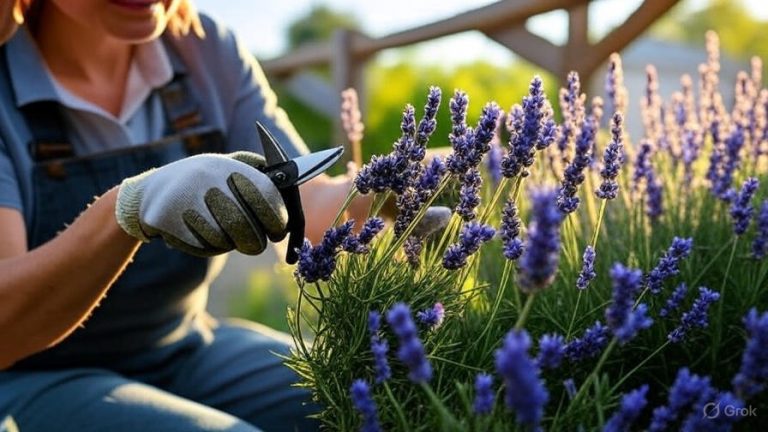
Deadheading means removing spent flowers before they go to seed. Cutting the faded bloom back to a leaf or side bud can encourage more flowers and extend the bloom season through summer.
Use clean, sharp snips, and remove only the faded blooms, not healthy leaves.
How to Cut Back Coneflowers in Fall or Spring
Many gardeners cut stems back in late fall after the foliage has browned, but spring cleanup works just as well. Cut the stems to about 8 to 10 centimeters above the soil. Remove any dead or diseased leaves at the same time, and discard diseased material rather than composting it.
Leaving Seed Heads for Birds and Winter Interest
Seed heads are an easy way to add value to the garden. Goldfinches and other birds often feed on the seeds through autumn and winter. Standing stems also add texture when the rest of the garden looks bare.
If you prefer a tidier look, you can cut the stems at any point. Leaving some seed heads standing is a simple compromise many gardeners make.
Dividing Overgrown Clumps Every Few Years
Over time, clumps can become crowded and bloom less. Dividing them every three to four years helps keep plants vigorous. Dig up the clump in early spring or fall, split it with a sharp spade, and replant the healthiest outer pieces.
Water the divisions well after replanting. They may look slow for a season but usually recover quickly.
Protecting Coneflowers from Pests and Disease
Common Pests Such as Aphids, Japanese Beetles, and Slugs
Aphids cluster on new growth and can distort buds. Japanese beetles chew flowers and leaves in summer. Slugs may feed on young foliage, especially in damp weather. Regular checks keep most of these pests manageable.
Powdery Mildew, Leaf Spot, and Root Rot
Powdery mildew shows as a white dusty coating on leaves, often in humid, crowded conditions. Leaf spot causes dark patches that spread in wet weather. Root rot develops when soil stays waterlogged for long periods.
Good spacing, watering at the base of the plant and well-drained soil help prevent most of these issues.
Gentle, Practical Ways to Manage Problems
For small infestations, a strong spray of water can knock aphids off plants. Hand-picking Japanese beetles into soapy water works for light problems. Slugs respond to traps or barriers, though crushed eggshells have limited effect.
Remove heavily affected leaves and keep the garden free of debris. If you use a pesticide or fungicide, read the label carefully and follow the directions for flowering plants.
Growing Coneflowers in Containers
Picking a Pot Size and Drainage Holes
Coneflowers need enough room for their roots. A pot at least 30 centimeters wide and deep is a practical starting point for one plant. Always use a container with drainage holes so excess water can escape.
Lightweight plastic, glazed ceramic and terracotta all work. Terracotta dries out faster, so it may need more frequent watering.
Container Watering and Repotting Basics
Potted coneflowers dry out faster than garden plants, so check them often in warm weather. Water until it runs out of the drainage holes, then let the top layer dry before watering again. Empty saucers so roots do not sit in water.
Repot every two to three years into fresh potting mix and a slightly larger container. Divide the plant at the same time if it has become crowded.
Common Beginner Mistakes to Avoid
Overwatering and Overfeeding
Too much water is one of the most common errors. Soggy soil invites root rot. Too much fertilizer produces weak stems and fewer blooms, so a light hand works best.
Hi, I’m Mary, the founder of GardenCure.com. I’m passionate about creating healthy, beautiful gardens and well-kept lawns. I share practical experience and trusted advice on garden and lawn gear that truly works. With the support of my dedicated research team, our writers produce honest, in-depth reviews using reliable, authentic sources—helping you choose the right tools with confidence for your outdoor space.