How To Care For Citronella Plant
Caring for a citronella plant is easier than many beginners expect. This fragrant, grass-like plant is grown for its lemony scent and its reputation for repelling insects. With the right light, water and soil, it can stay healthy for a long time.
This guide covers the basics: what the plant is, how to water and feed it, how to handle common problems, and how to care for it indoors or outdoors.
Key Takeaways
- Citronella plants need bright light and room to grow.
- Water when the top of the soil feels dry, and avoid soggy roots.
- Use well-draining soil and a pot with drainage holes.
- Trim the plant to encourage fuller growth and remove damaged leaves.
- Check for pests often and act early to keep the plant healthy.
Introduction to Citronella Plant Care
Citronella plant care comes down to meeting a few basic needs. The plant wants good light, steady moisture without flooding, and a container or bed that drains well. Most problems come from too much water or too little light.
Beginners do not need special tools. A sunny spot, a suitable pot, a basic potting mix and a watchful eye are enough to start.
What Is a Citronella Plant?
A citronella plant is a tall, clumping grass that releases a strong lemon-like scent when its leaves are crushed or brushed. Its long, narrow, blue-green leaves form dense clumps over time.
The plant is grown in many warm regions and in containers in cooler areas. It is valued for both its appearance and its fragrance.
Common Names and Plant Types
Citronella plant is a common name for several grass-like plants that share the lemony scent. Many people also call it citronella grass. It is closely related to lemongrass, so the two are often confused.
Because names vary, check the botanical name when buying. Plants labeled simply as mosquito plant may be a different species with different needs.
Why People Grow Citronella Plants
Many people grow citronella plants for their scent. The leaves release an oil with a fresh, citrus-like smell, so some gardeners place pots near patios or doorways.
The plant also works as an ornamental grass that adds texture. Its upright form suits pots, borders and mixed containers. The insect-repelling claim is covered in the FAQ below, since results vary.
Citronella Plant Basics for Beginners
Four main needs shape the plant’s care: light, water, soil and temperature with humidity. Getting these right solves most problems.
These needs are not hard to meet. Small adjustments over time are usually enough, and close observation shows what the plant needs.
Light Needs for Citronella Plants
Citronella plants grow best in full sun or bright light. Plenty of light keeps the leaves upright and the scent strong. A spot that gets several hours of direct sun is ideal.
Indoors, place the plant near a bright south or west window. Plants in low light tend to grow pale and thin. A grow light can help when sunlight is limited, though results depend on the light used.
Watering a Citronella Plant
Citronella plants like moist soil but dislike sitting in water. Water when the top layer of soil feels dry, then water thoroughly so excess drains from the pot.
Always empty any saucer beneath the pot after watering, since standing water can cause root rot. Check soil moisture before watering again, because the right frequency changes with season and temperature.
Soil and Potting Mix Requirements
Citronella plants need a light, well-draining potting mix. A standard all-purpose mix with added perlite or coarse sand works well. Heavy garden soil holds too much water and can suffocate the roots.
Choose a pot with drainage holes. A pot only slightly larger than the root ball is usually better than a very large one, since extra soil stays wet longer.
Temperature and Humidity Preferences
Citronella plants prefer warm conditions and do well at typical room temperatures. They do not tolerate frost, so bring container plants indoors before temperatures drop low.
Average indoor humidity is usually fine. Dry air, such as near heaters, may cause leaf tips to brown. Grouping plants together or placing a tray of pebbles and water nearby can help a little.
Step-by-Step Citronella Plant Care Routine
A simple routine keeps the plant healthy with little effort. Repeat these steps through the growing season, and adjust them as the plant and seasons change.
Planting or Repotting a Citronella Plant
Plant in spring or early summer, when the weather is warm and stable. Fill a pot with well-draining mix, set the root ball slightly below the rim, firm the soil gently and water well.
Repot when roots crowd the pot or grow out the drainage holes. Choose a container only a little larger than the old one. Keep the plant out of harsh direct sun for a few days while it settles.
Feeding Your Citronella Plant with Fertilizer
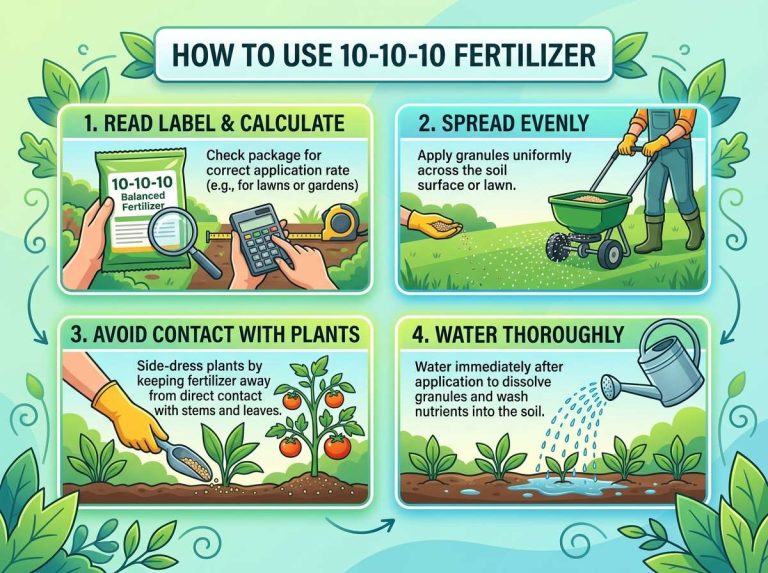
Feed the plant during the active growing season with a balanced liquid fertilizer. Follow the product label for strength and schedule, since over-fertilizing can burn roots and damage leaves.
Stop feeding in fall and winter, when growth slows. Plants in fresh potting mix often need little extra food for the first few weeks.
Pruning and Trimming for Fuller Growth
Trim stems back to encourage a fuller, bushier clump. Cut tall, thin stems to a few inches above the soil, and new shoots will usually grow from the base.
Remove yellow, brown or damaged leaves as they appear. Use clean, sharp scissors or pruners to avoid spreading disease.
Spotting and Treating Pests
Check the plant often for common pests such as aphids, spider mites and mealybugs. Look under leaves and along stems, where small clusters of insects or fine webbing are early warning signs.
For minor infestations, rinse the plant with water and wipe leaves gently. Insecticidal soap is a common beginner option, used as directed on the label. Isolate the plant from other houseplants until the problem clears.
Common Citronella Plant Problems and Fixes
Most issues show up as changes in the leaves. Learning what each sign means helps you respond quickly to the problems beginners see most often.
Yellow or Drooping Leaves
Yellow or drooping leaves often point to overwatering, poor drainage or root problems. Check if the soil stays wet for long periods, and let the top layer dry before watering again.
Underwatering can also cause drooping, so check the soil before changing habits. If roots smell bad or look dark and mushy, trim the damaged parts and repot in fresh mix.
Brown Leaf Tips and Dry Edges
Brown tips usually mean dry air, uneven watering or salt buildup from fertilizer. Water more evenly, and flush the pot with plain water every few months to clear salts.
Dry indoor air is a frequent cause, especially in winter. Move the plant away from heat vents or group it with other plants. Brown tips limited to the very ends are often harmless cosmetic damage.
Leggy or Thin Growth
Leggy growth happens when the plant stretches toward light. Stems look tall, pale and weak, with large gaps between leaves, and the most common cause is too little light.
Move the plant to a brighter spot gradually to avoid sunburn. Trim stems to encourage denser growth from the base, and a sunnier location plus regular pruning will restore a fuller shape over time.
Indoor vs Outdoor Citronella Plant Care
Where the plant lives changes how you should care for it. Indoor and outdoor plants face different light, airflow and temperatures. Adjusting care to the setting keeps the plant healthy.
Caring for Citronella Plants Indoors
Place indoor plants in the brightest window you have, since light is often limited inside. Rotate the pot every week or two so all sides receive light. Water only when the soil feels dry, because indoor plants usually need less water than outdoor ones.
Keep the plant away from cold drafts and heating vents. Good airflow helps reduce pest problems. Check for insects regularly, since pests spread quickly between indoor plants.
Caring for Citronella Plants Outdoors
Outdoor plants usually get more light and fresh air. They can dry out faster during hot, windy weather, so check soil moisture daily during heat waves.
Protect the plant from frost and heavy rain. Make sure containers drain freely and do not sit in puddles. In a garden bed, choose a sunny spot with well-draining soil.
Moving Plants Between Seasons
Moving a plant between indoors and outdoors needs care. Sudden changes in light and temperature can stress it. Acclimate it gradually over one to two weeks.
Start by placing the plant in a shady, sheltered spot outside for a few hours each day, then increase its time outdoors slowly. Bring it in before nights turn cold, and check for pests before moving it inside.
Citronella Plant Care Mistakes to Avoid
A few common mistakes cause most of the trouble beginners face. Each is easy to prevent once you know it. Avoiding them saves time and frustration.
- Watering on a fixed schedule instead of checking the soil first.
- Using heavy garden soil or pots without drainage holes.
- Placing the plant in deep shade and expecting strong growth.
- Applying too much fertilizer, which can burn roots and leaves.
- Ignoring early pest signs until the infestation spreads.
Small habits make a large difference. Checking the plant weekly catches most issues early. Simple, steady care usually works better than frequent changes.
Frequently Asked Questions
How often should I water a citronella plant?
There is no fixed schedule, since needs change with light, season and pot size. Check the soil with a finger and water when the top layer feels dry. Water thoroughly, then let excess drain away.
Can a citronella plant grow indoors year-round?
Yes, it can grow indoors if it receives bright light and stays warm. A sunny window and protection from cold drafts are important. Growth may slow during darker months, which is normal.
Is a citronella plant safe around pets?
Citronella plants can cause mild stomach upset if eaten in large amounts. Keeping the plant out of reach of pets is a sensible precaution. For advice about your specific animal, check a trusted source or your veterinarian.
Does a citronella plant really repel mosquitoes?
The plant releases a scent that some people find pleasant, but strong evidence does not back mosquito repellent claims for living plants. Crushing the leaves releases more scent, but the effect is limited. Enjoy the plant for its look and fragrance rather than relying on it for pest control.
Why is my citronella plant not growing?
Slow growth often comes from too little light, a pot that is too small, or old, exhausted soil. Check the light first, then the roots and the potting mix. Adjust one factor at a time so the cause is easier to spot.
Conclusion: Caring for Your Citronella Plant
Caring for a citronella plant comes down to bright light, careful watering, well-draining soil and steady attention. Trim the plant to keep it full, feed it lightly during the growing season, and check for pests often. Early action prevents most problems.
With these basics in place, the plant can thrive indoors or outdoors. Small, consistent habits matter more than perfect conditions. Beginners who follow this routine usually see healthy, fragrant growth over time.

Hi, I’m Mary, the founder of GardenCure.com. I’m passionate about creating healthy, beautiful gardens and well-kept lawns. I share practical experience and trusted advice on garden and lawn gear that truly works. With the support of my dedicated research team, our writers produce honest, in-depth reviews using reliable, authentic sources—helping you choose the right tools with confidence for your outdoor space.