How To Care For Bell Pepper Plants
Caring for bell pepper plants is easier than many beginners expect. With the right light, water, soil and feeding, these plants can produce crisp, sweet peppers for weeks. This guide explains each part of care in plain language, so you know what to do and why.
You will learn how bell peppers grow, what conditions they need, and how to avoid the mistakes that most often cause poor harvests. Each section builds on the one before.
Key Takeaways
Bell Pepper Care Basics in Brief
- Bell peppers need warm weather, plenty of sun and steady moisture.
- Good drainage and loose, fertile soil prevent many common problems.
- Water deeply and evenly, and feed with a balanced fertilizer as fruit develops.
- Watch for pests, yellow leaves and dropped flowers, and act early.
Core Care Points to Remember
Most bell pepper problems come from too little light, uneven watering, or too much nitrogen. Fixing these basics solves most issues. Check your plants often, because small changes show up in the leaves first.
Getting to Know Bell Pepper Plants
What Bell Peppers Are and How They Grow
Bell peppers belong to the species Capsicum annuum. They are the sweet, blocky type of pepper, with little or no heat. The fruit is technically a berry, though cooks use it as a vegetable.
The plant has a central stem with branches that grow outward. Each flower can become one pepper, so steady care helps the plant support more fruit over time.
Annual Plants and Their Growing Season
Bell peppers are usually grown as annuals, completing their life cycle in one season. Gardeners often start seeds indoors weeks before the last spring frost.
Peppers grow slowly at first and can take a long time to flower and set fruit. Patience early on is normal.
Common Growing Problems Beginners Face
Beginners often worry about slow growth, yellow leaves or flowers that fall off. These issues are common and usually have clear causes, most often temperature, water or nutrients.
Identifying the problem early makes it easier to fix. Keep notes on what you change, so you can see what works in your own space.
Light, Temperature and Location Needs
How Much Sunlight Bell Peppers Need
Bell peppers need full sun, ideally six to eight hours of direct light each day. Less light leads to weak stems, fewer flowers and slower fruiting.
Choose the sunniest spot you have. Indoors, a south-facing window or a strong grow light can help.
Ideal Temperature Range for Healthy Growth
Peppers prefer warm days and mild nights. Cold snaps stunt growth, and very hot, dry weather can cause flowers to drop.
Wait to plant outdoors until the soil has warmed and frost has passed. Cover young plants on cool nights if needed.
Indoor Versus Outdoor Growing Conditions
Outdoor plants get natural airflow, pollinators and strong sun, but they face wind, rain and pests. Indoor plants are shielded from weather, yet they often need extra light and hand pollination.
Many beginners start with a container on a patio or balcony where they can move the pot. Outdoor plants usually fruit more freely when conditions are right, so choose the setting that fits your space and schedule.
Picking the Right Soil, Pot and Drainage
Soil Mix and pH for Peppers
Peppers grow best in loose, fertile soil that holds some moisture but drains well. A good potting mix or garden soil enriched with compost works well, with a pH of roughly 6.0 to 7.0.
Avoid heavy clay that stays soggy. Compacted soil can slow root growth and invite disease.
Container Size and Drainage Holes
Choose a container at least 5 gallons for one plant, since roots need room to spread. Make sure it has drainage holes, because standing water quickly leads to root rot.
Set containers on feet or a stand so water can escape. Empty saucers after watering so the roots do not sit in water.
Raised Beds Versus In-Ground Planting
Raised beds warm up faster in spring and drain well, which suits peppers. In-ground planting also works, especially in sandy or loamy soil with good sun.
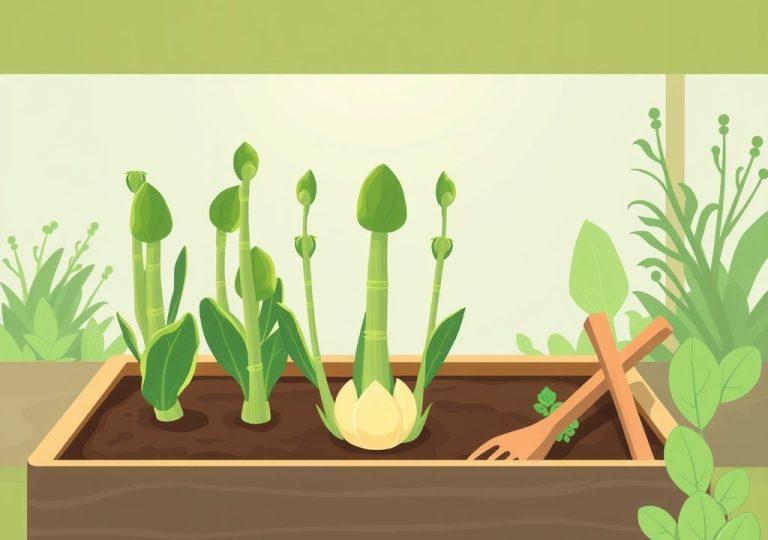
A raised bed filled with compost-rich soil gives strong results for many home growers. A well-prepared garden bed can perform just as well.
Watering Bell Pepper Plants Correctly
How Often to Water Peppers
Peppers need steady moisture, not constant wetness. Water deeply when the top inch of soil feels dry. In hot weather or small containers, this may mean every day or two.
Water at the base of the plant rather than over the leaves. This keeps foliage drier and lowers disease risk.
Signs of Overwatering and Underwatering
Underwatering often shows as wilting, dry soil and leaves that curl at the edges. Overwatering can cause yellow leaves, soggy soil and a sour smell. Both stress the roots, so check moisture before watering.
Push a finger into the soil to test it. This simple check replaces guesswork.
Mulching to Keep Moisture Steady
Mulch helps soil hold moisture and keeps the temperature more even. Straw, shredded leaves or wood chips work well. Keep mulch a few inches from the stem to prevent rot.
With mulch in place, you will water less often and see fewer swings in soil moisture.
Feeding and Fertilizing Bell Peppers
Nutrients Peppers Need at Each Stage
Peppers need nitrogen for leaf growth, phosphorus for roots and flowers, and potassium for fruit. Once flowers appear, phosphorus and potassium become more important.
Calcium also matters, since low calcium can cause blossom end rot. Steady watering helps the plant use calcium well.
Fertilizer Types and Application Timing
A balanced fertilizer works well at planting. Once flowers form, switch to one higher in phosphorus and potassium. Organic options such as compost, fish emulsion or worm castings are also popular.
Follow the label directions and feed on a regular schedule rather than heavily all at once. Water after feeding to protect the roots.
Avoiding Too Much Nitrogen
Too much nitrogen produces lush, dark leaves but few flowers and peppers. This is one of the most common beginner mistakes. If plants look leafy but fruitless, cut back on feeding.
Supporting, Pruning and Training Plants
When and How to Stake Bell Pepper Plants
Staking keeps plants upright when they carry heavy fruit. Insert a stake early, before the roots are disturbed. Tie the stem loosely with soft ties.
Add stakes while the plant is still small. A simple cage or sturdy stake works well for most home growers. Check ties weekly so they do not cut into the thickening stem.
Pinching and Pruning for Better Airflow
Pinching removes the growing tip of a young plant, which encourages side branches. Pruning removes weak stems and leaves that sit close to the soil. Both steps help air move through the plant and lower disease risk.
Use clean, sharp scissors or pruners. Cut just above a leaf joint. Avoid removing too many leaves at once, since the plant needs them to make energy.
Keeping Plants Upright in Wind and Heavy Fruit
Wind can snap branches, especially when peppers are heavy. Place plants in a sheltered spot if possible. Add ties as the plant grows, and support any branch that bends under its fruit.
Pollination, Flowering and Fruit Set
Why Flowers Sometimes Drop Without Fruit
Pepper flowers can fall off without setting fruit. Very hot days, cold nights, uneven watering and too much nitrogen are common causes. Steady conditions help prevent dropped blossoms.
Some flower drop is normal. A few fallen flowers are nothing to worry about, since the plant keeps producing new ones.
Helping Pollination Indoors and in Greenhouses
Peppers are self-pollinating, but they often need help indoors. Gently shake the stems or tap the flowers each day. A small brush can also move pollen from flower to flower.
Outdoors, wind and insects usually handle this job. Growing a few flowering plants nearby can attract helpful insects.
Recognizing Ripe Fruit and Color Changes
Green peppers are ripe when they reach full size and feel firm. Many varieties turn red, yellow or orange as they mature. The color change takes time and often brings a sweeter flavor.
Pests and Diseases to Watch For
Common Insect Pests on Pepper Plants
Aphids, spider mites, thrips and hornworms can all visit pepper plants. Check under leaves and along stems for small insects, sticky residue or chewed foliage. Early action keeps small problems from growing.
Rinse insects off with a strong spray of water when possible. Handpick larger pests such as hornworms.
Fungal and Bacterial Problems to Spot Early
Fungal problems such as powdery mildew and leaf spot often appear on damp, crowded leaves. Bacterial spots show as dark, water-soaked areas. Remove affected leaves and avoid working with wet plants.
Good airflow and watering at the base reduce these risks. Clean tools between plants to limit spread.
Organic and Preventive Management Tips
Prevention works best. Rotate pepper beds each year, use healthy transplants and keep the area free of debris. Insecticidal soap and neem oil are common organic options, but read labels and test on a small area first.
Harvesting and Storing Your Peppers
When to Pick Bell Peppers
You can pick green peppers once they reach full size and feel firm. Waiting for color gives a sweeter, more mature pepper. Both stages are fine, so pick based on taste.
How to Harvest Without Damaging the Plant
Cut the stem with clean scissors or pruners, leaving a short piece attached to the fruit. Pulling can tear branches. Regular picking encourages the plant to set more fruit.
Short-Term and Long-Term Storage
Store fresh peppers in the refrigerator crisper drawer, where they keep for about a week. For longer storage, wash, dry, slice and freeze them, or dry them if you prefer.
Common Beginner Mistakes and How to Avoid Them
Overwatering, Underfeeding and Poor Light
Overwatering is a common mistake, and it often looks like underwatering at first. Check the soil before you water. Underfeeding and poor light also slow growth, so review each basic when plants look weak.
Transplant Shock and Early Care
Seedlings can wilt after moving outdoors. This is called transplant shock, and it usually fades within a few days. Shade young plants for the first week and water gently.
Frequently Asked Questions
How long does it take for a bell pepper plant to produce fruit?
Many bell pepper plants take about two to three months after transplanting to set fruit. Growth speed depends on variety, warmth and light. Early flowers are normal, so patience helps.
Why are the leaves on my bell pepper plant turning yellow?
Yellow leaves often come from overwatering, underwatering or a nutrient shortage. Check soil moisture first, then consider feeding. Remove badly damaged leaves so the plant can focus energy on new growth.
Can bell pepper plants grow indoors all year?
Bell peppers can grow indoors with strong light, warmth and hand pollination. Many plants do best in a bright window or under a grow light. Expect slower growth than outdoor plants in full sun.
Do bell pepper plants need to be pollinated by hand?
Peppers are self-pollinating, so hand pollination is not always required. Indoors or in still conditions, gently shaking flowers helps. Outdoors, wind and insects usually handle pollination well.
How often should I fertilize my bell pepper plant?
Feed on a regular schedule, usually every few weeks, following the product label. Switch to a fertilizer higher in phosphorus and potassium once flowers appear. Avoid heavy feeding that favors leaves over fruit.
Conclusion
Putting Bell Pepper Care Together
Healthy bell pepper plants need sun, warmth, steady watering, loose soil and balanced feeding. Support, airflow and early pest checks protect the harvest. With these basics in place, beginners can enjoy plants that produce sweet peppers over a long season.
Hi, I’m Mary, the founder of GardenCure.com. I’m passionate about creating healthy, beautiful gardens and well-kept lawns. I share practical experience and trusted advice on garden and lawn gear that truly works. With the support of my dedicated research team, our writers produce honest, in-depth reviews using reliable, authentic sources—helping you choose the right tools with confidence for your outdoor space.